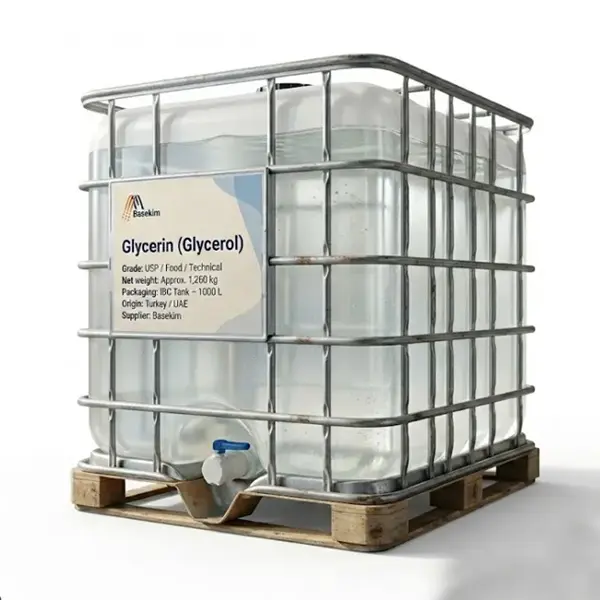
Glycerin – High-Quality Industrial and Commercial Ingredient
Introduction
Glycerin, also known as Glycerol, is a colorless, odorless, viscous liquid widely used in personal care products, pharmaceuticals, food processing, cosmetics, and industrial manufacturing. It is a naturally occurring polyol with three hydroxyl groups, making it highly effective as a humectant, solvent, and moisturizing ingredient. Glycerin has the chemical formula C₃H₈O₃, a CAS number of 56-81-5, and a molecular weight of approximately 92.09 g/mol. Its ability to attract and retain moisture makes it a valuable ingredient in a wide range of commercial formulations.
Industrial Applications
Glycerin is widely used in skincare products, lotions, creams, soaps, shampoos, toothpaste, and other personal care formulations. In pharmaceutical manufacturing, it can function as a humectant, solvent, and excipient in suitable products. Food-grade glycerin is used as a humectant, solvent, and formulation ingredient where permitted by applicable regulations. Industrial applications include paints, coatings, inks, cleaning formulations, and selected chemical processes. The appropriate grade should be selected according to the intended application and regulatory requirements.
Key Benefits
- Moisture Retention: Helps attract and retain moisture in cosmetic and personal care formulations.
- Versatile Formulation Ingredient: Functions as a humectant, solvent, and viscosity-modifying ingredient in suitable applications.
- Broad Industrial Use: Suitable for various personal care, pharmaceutical, food, and industrial formulations when the correct grade is used.
- Water Compatibility: Mixes readily with water, supporting its use in aqueous formulations.
- Flexible Grade Options: Available in different purity levels to meet specific commercial and manufacturing requirements.
Product Specifications
| Property | Details |
|---|---|
| Product Name | Glycerin |
| Chemical Name | Glycerol |
| Chemical Formula | C₃H₈O₃ |
| CAS Number | 56-81-5 |
| Molecular Weight | 92.09 g/mol |
| Appearance | Clear, colorless, viscous liquid |
| Odor | Odorless or nearly odorless |
| Physical Form | Liquid |
| Solubility | Miscible with water |
| Sweetness | Mildly sweet |
| Purity | As per supplier specification |
| Available Grades | Industrial, cosmetic, pharmaceutical, or food grade where applicable |
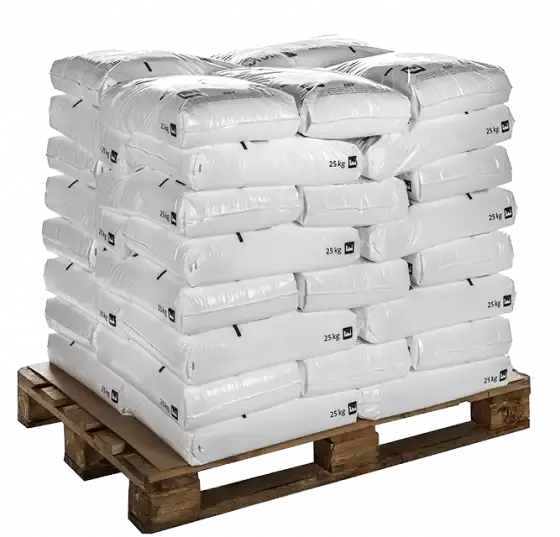
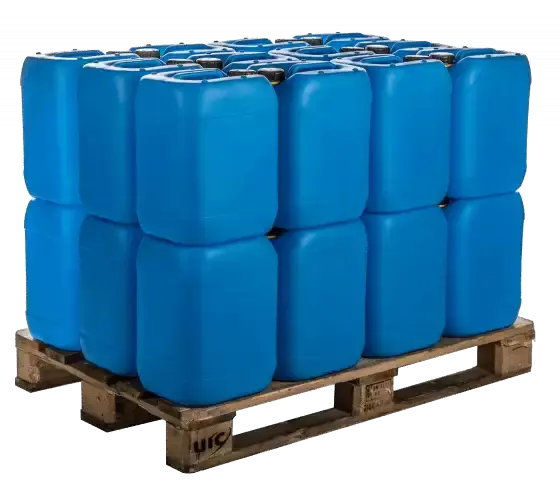
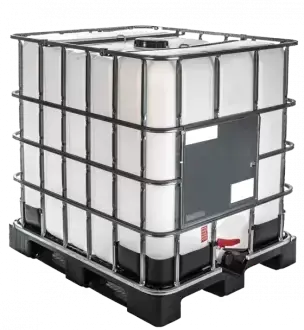
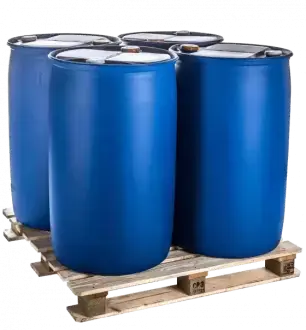
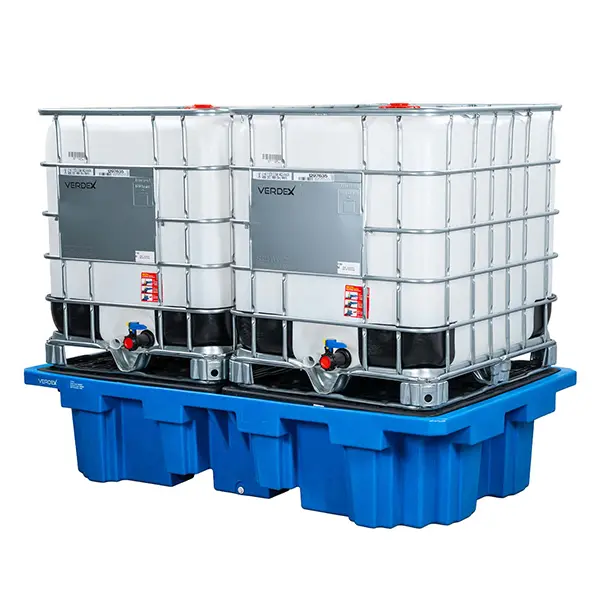
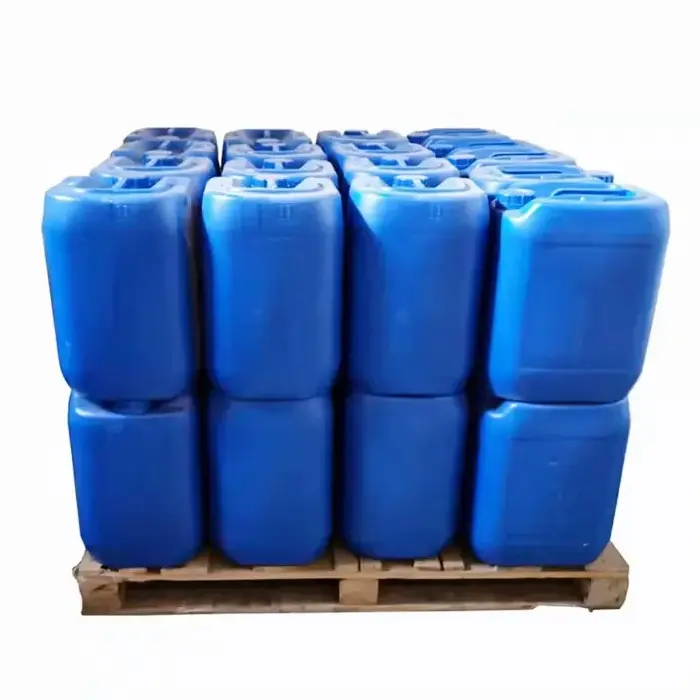
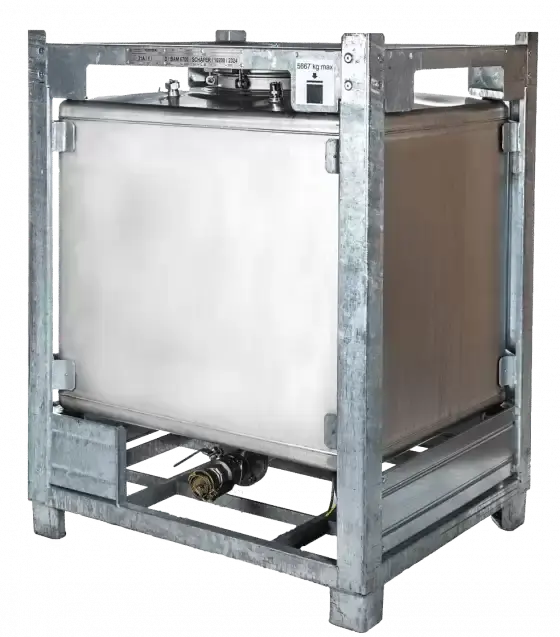
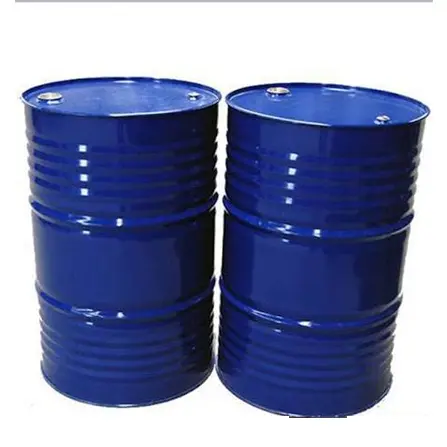
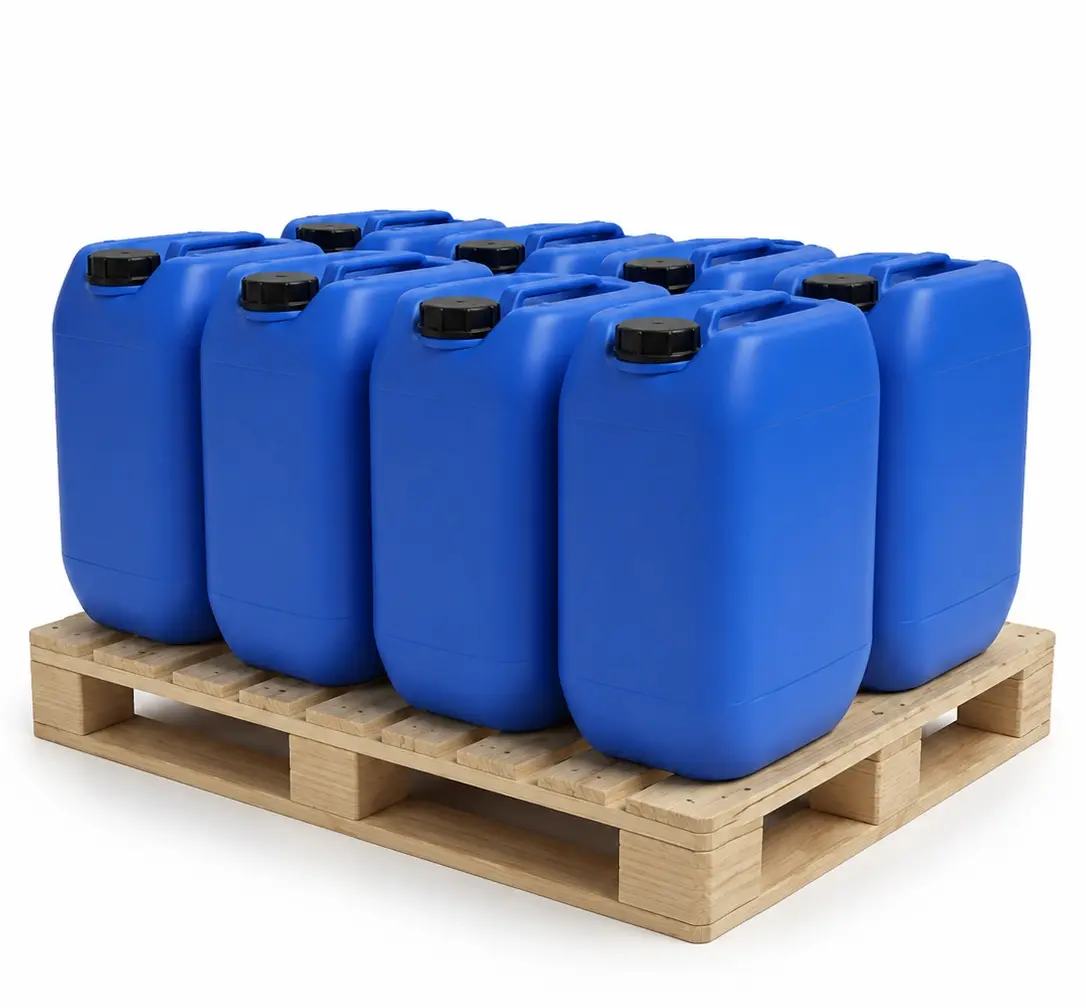
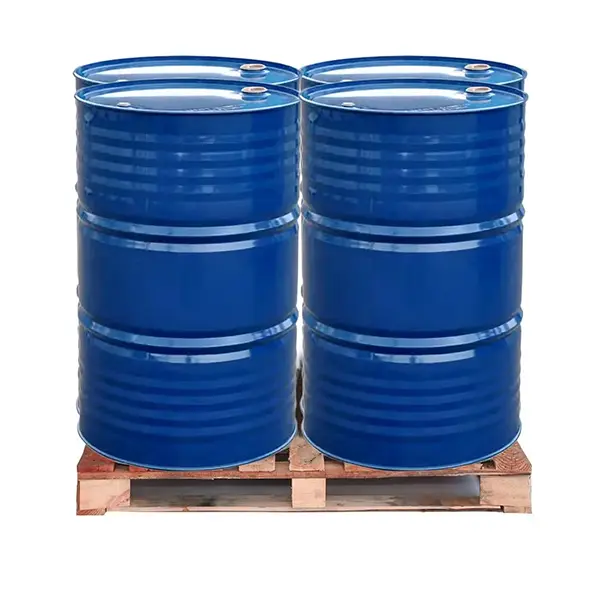
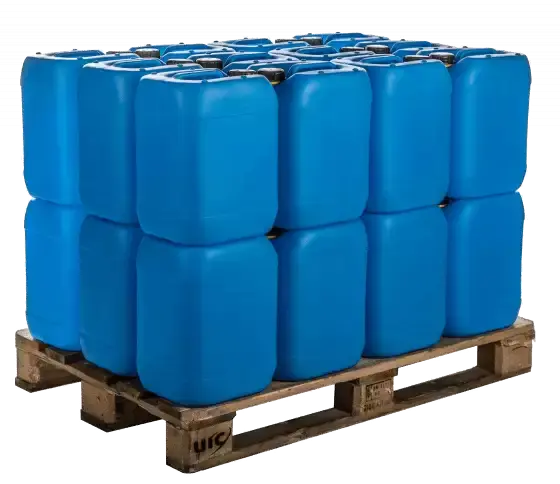
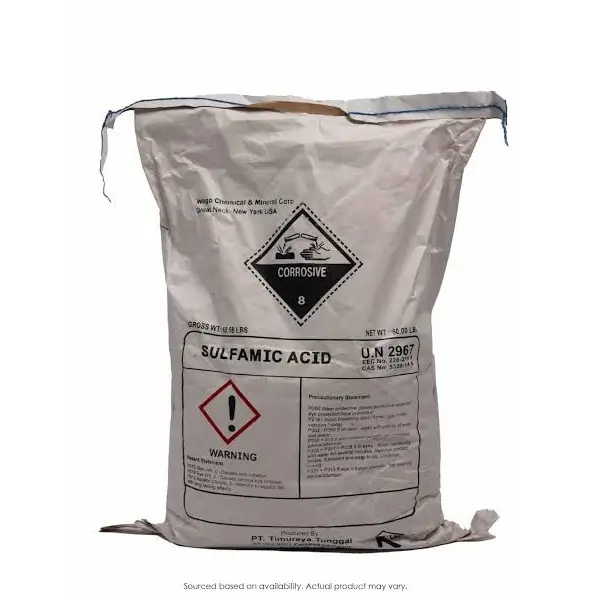
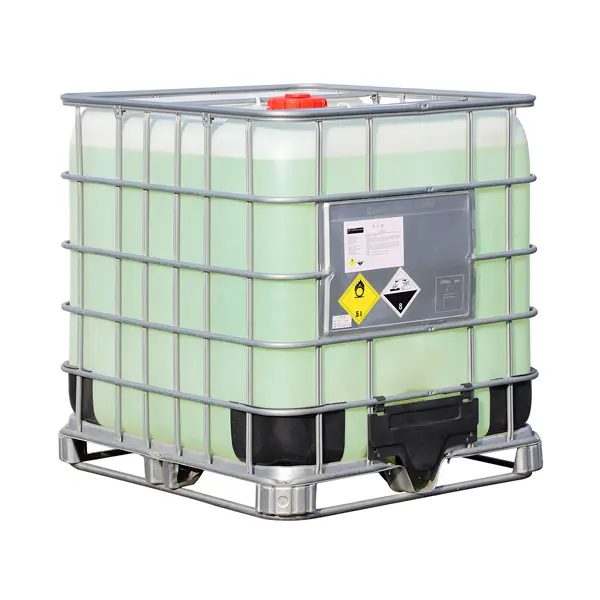
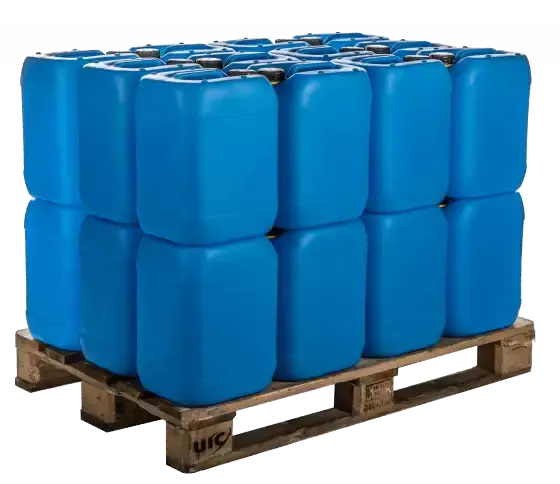
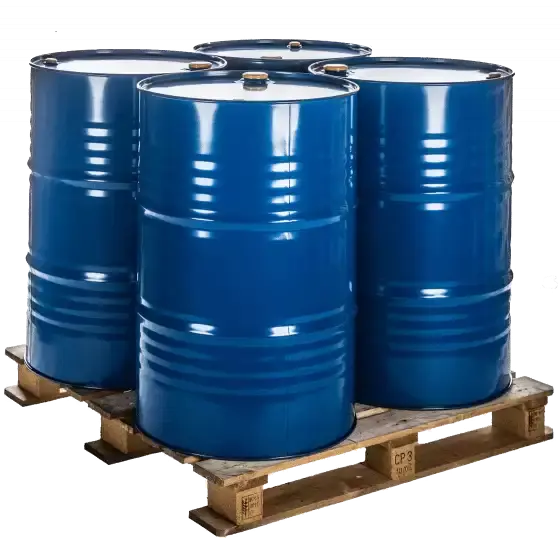
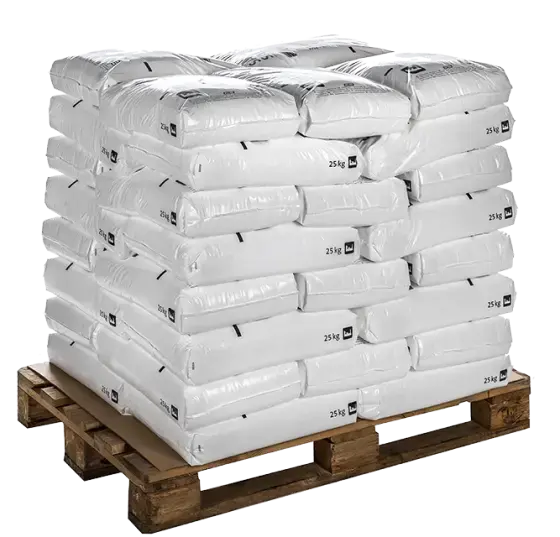
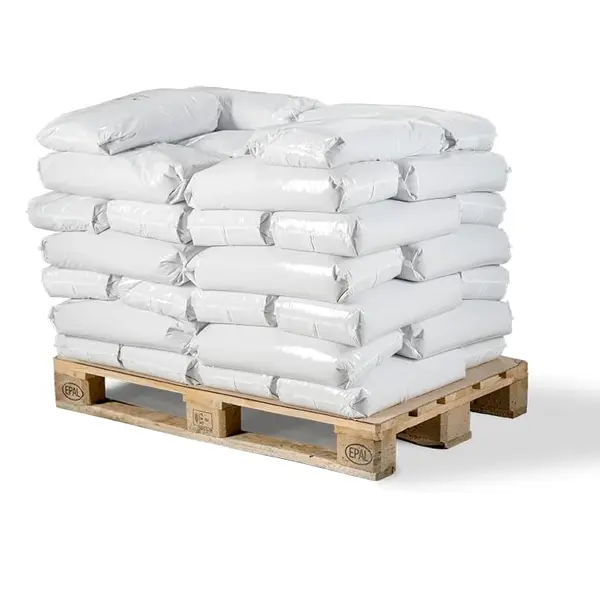
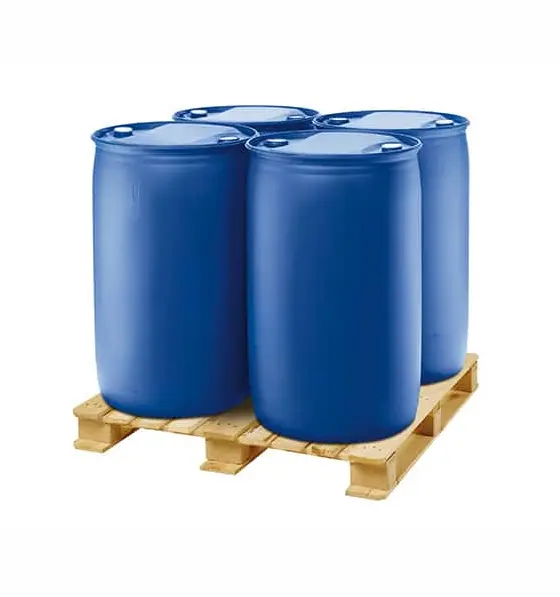
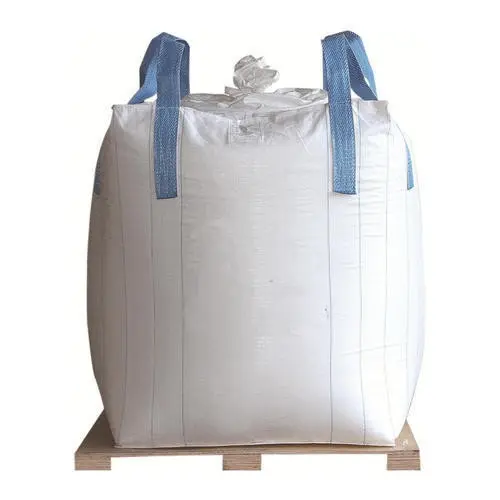
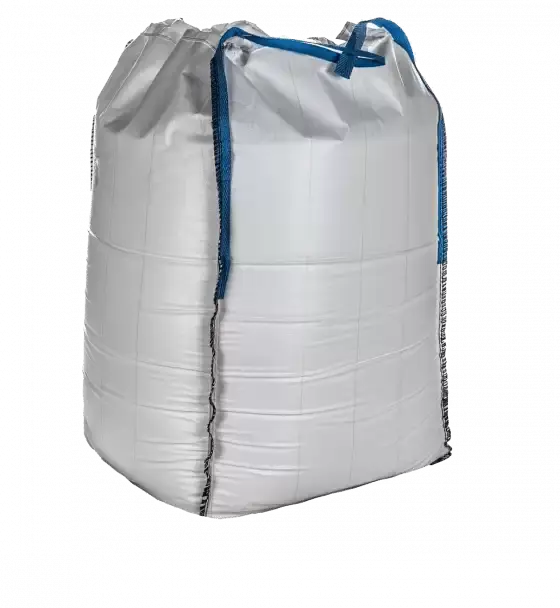
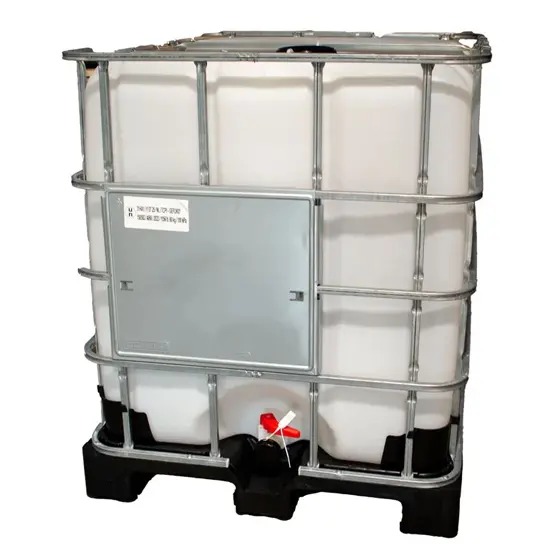
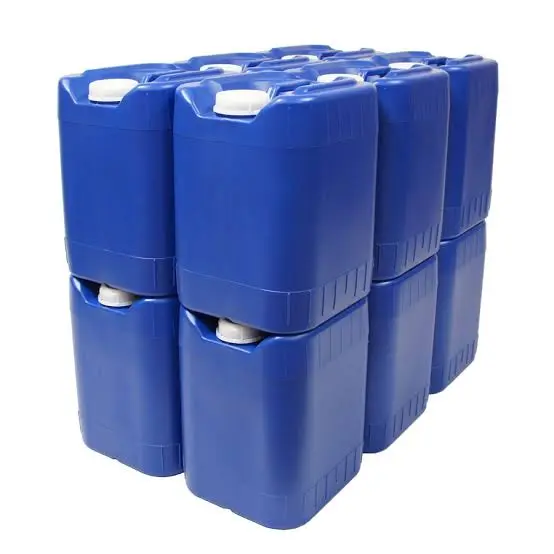
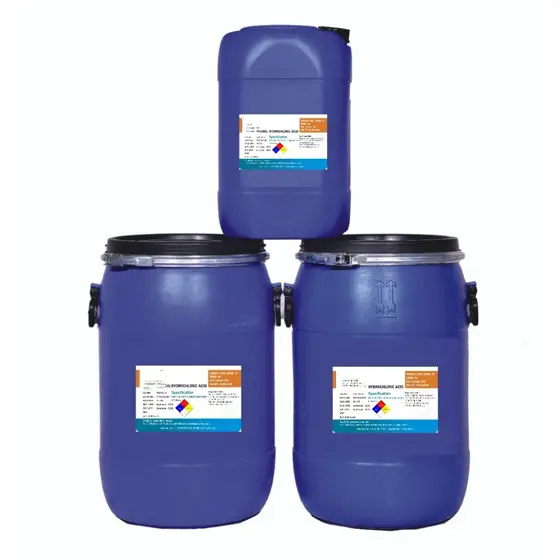
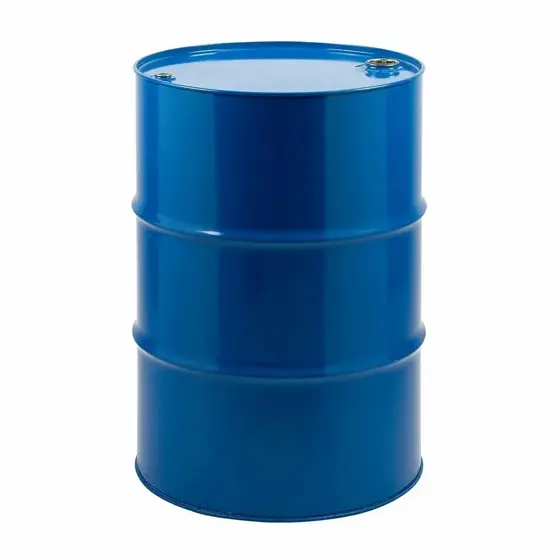
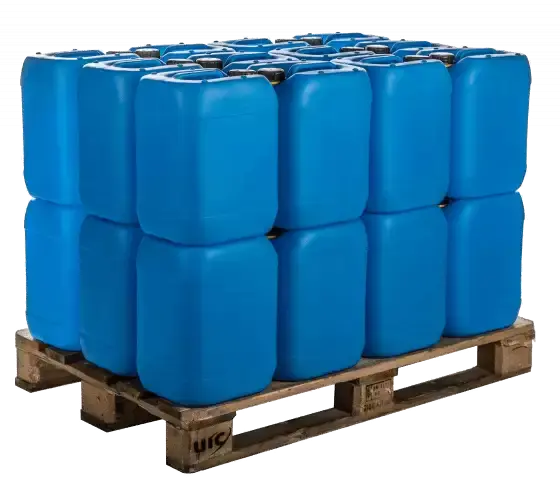
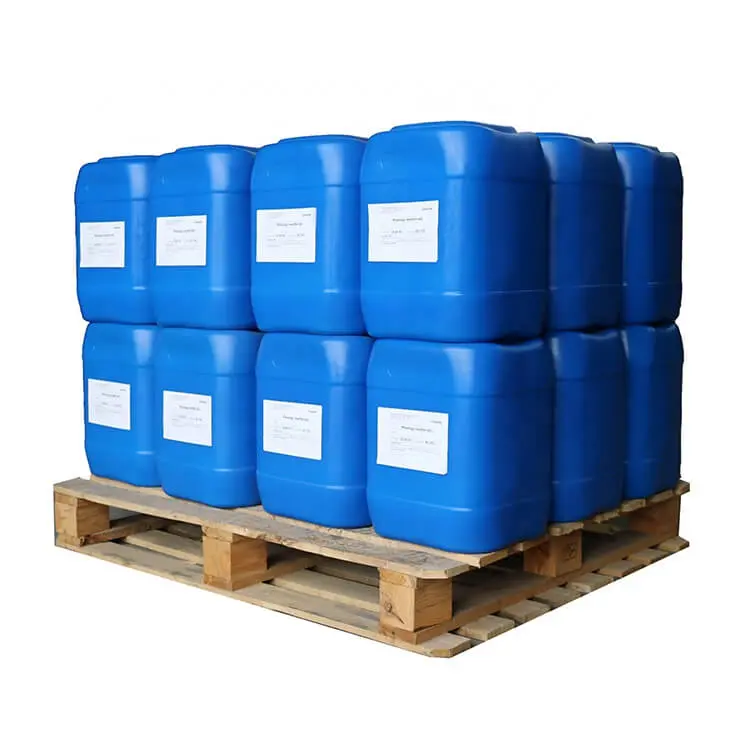
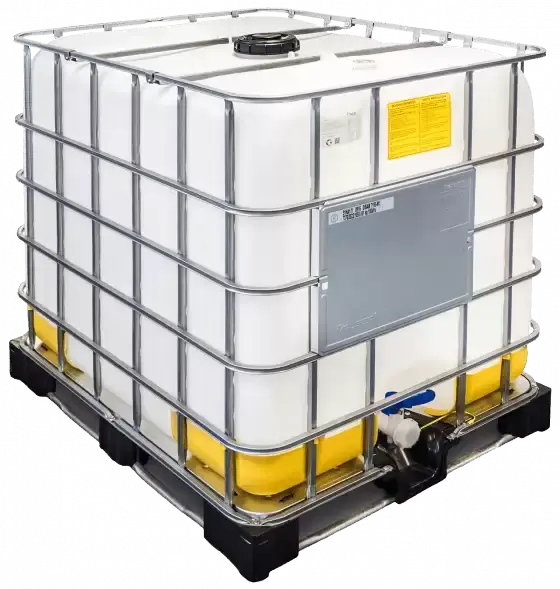
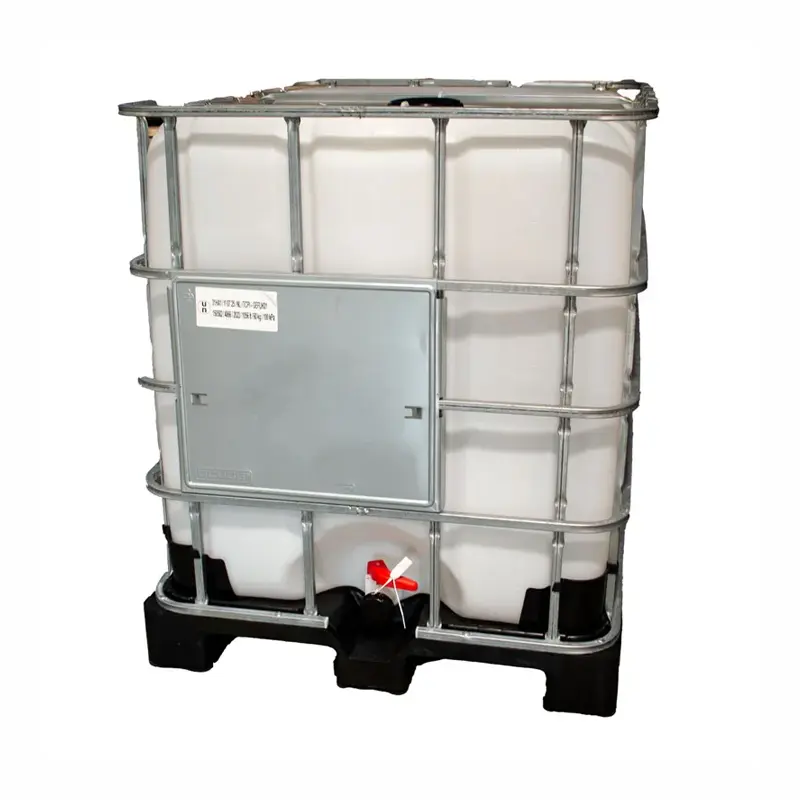
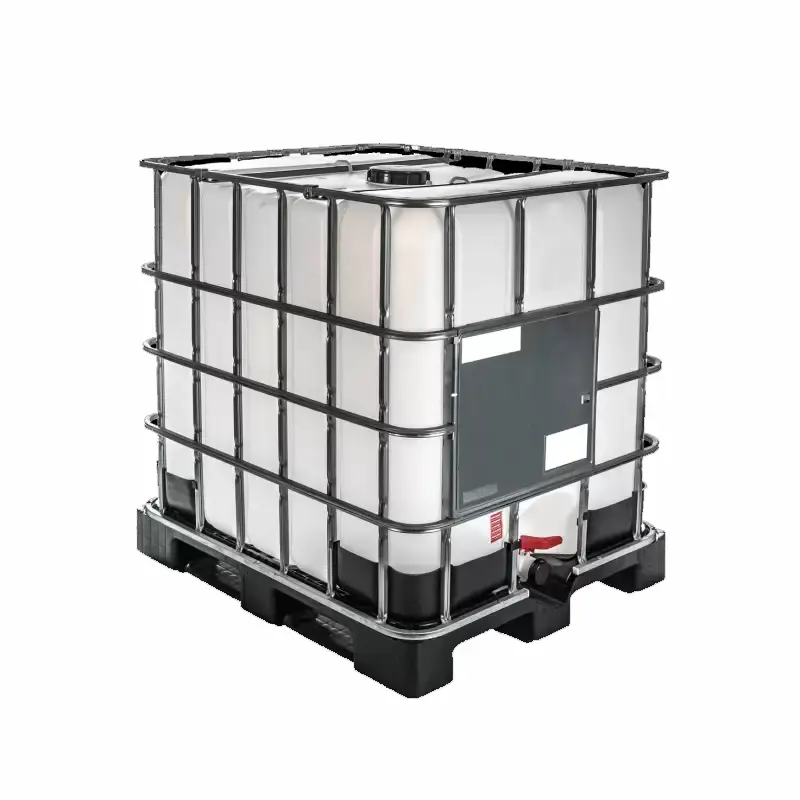
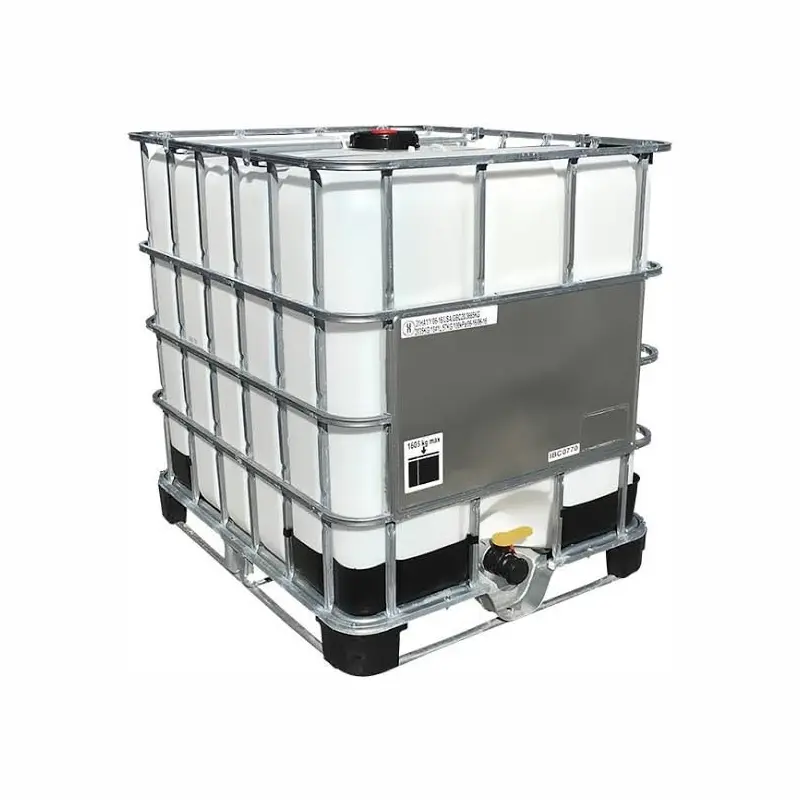
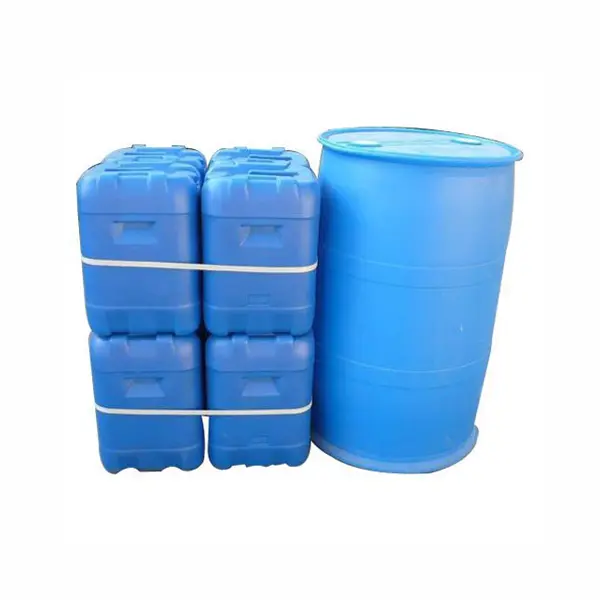
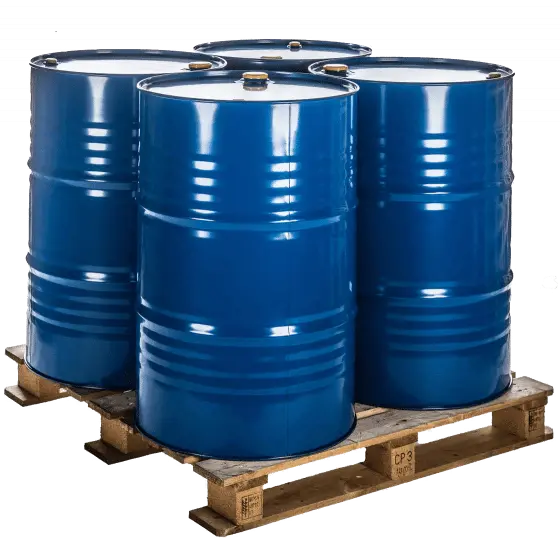
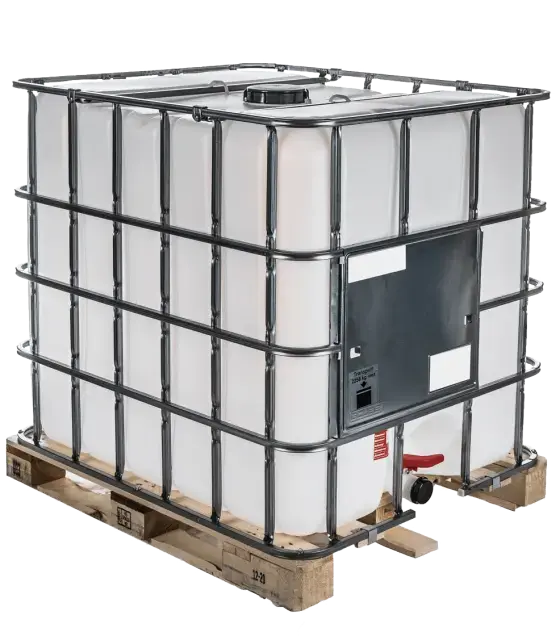
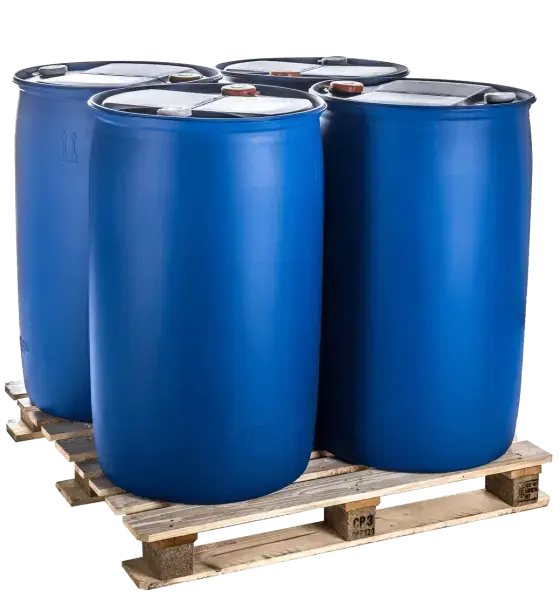
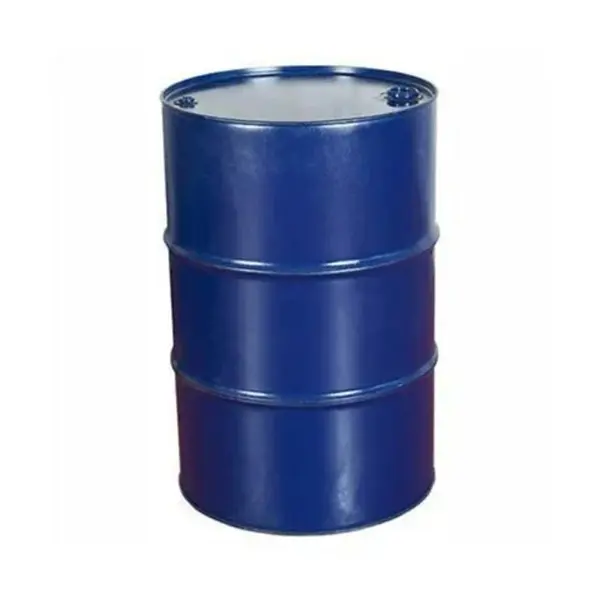
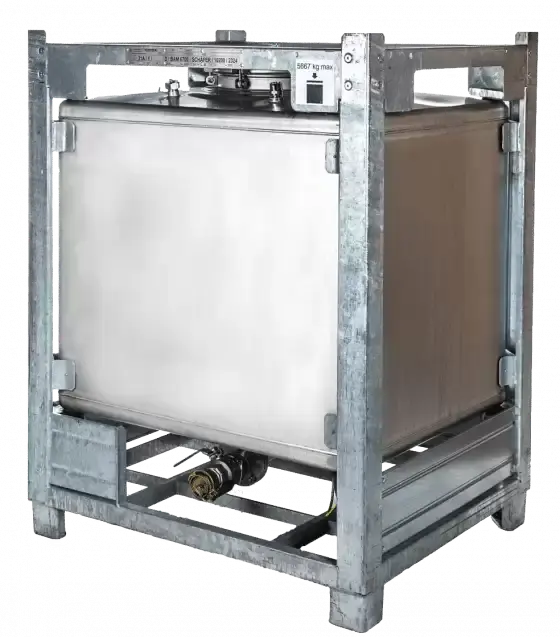
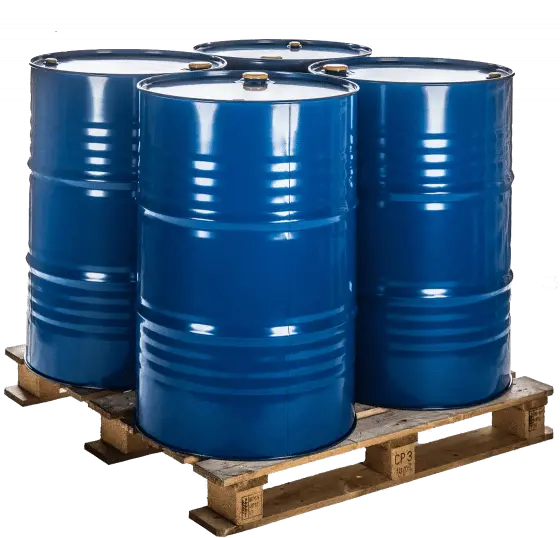
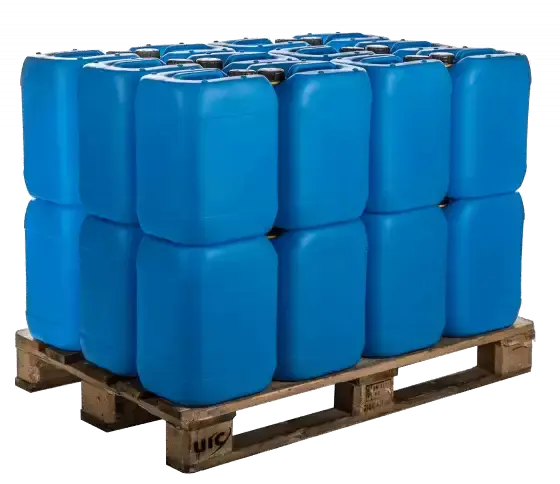
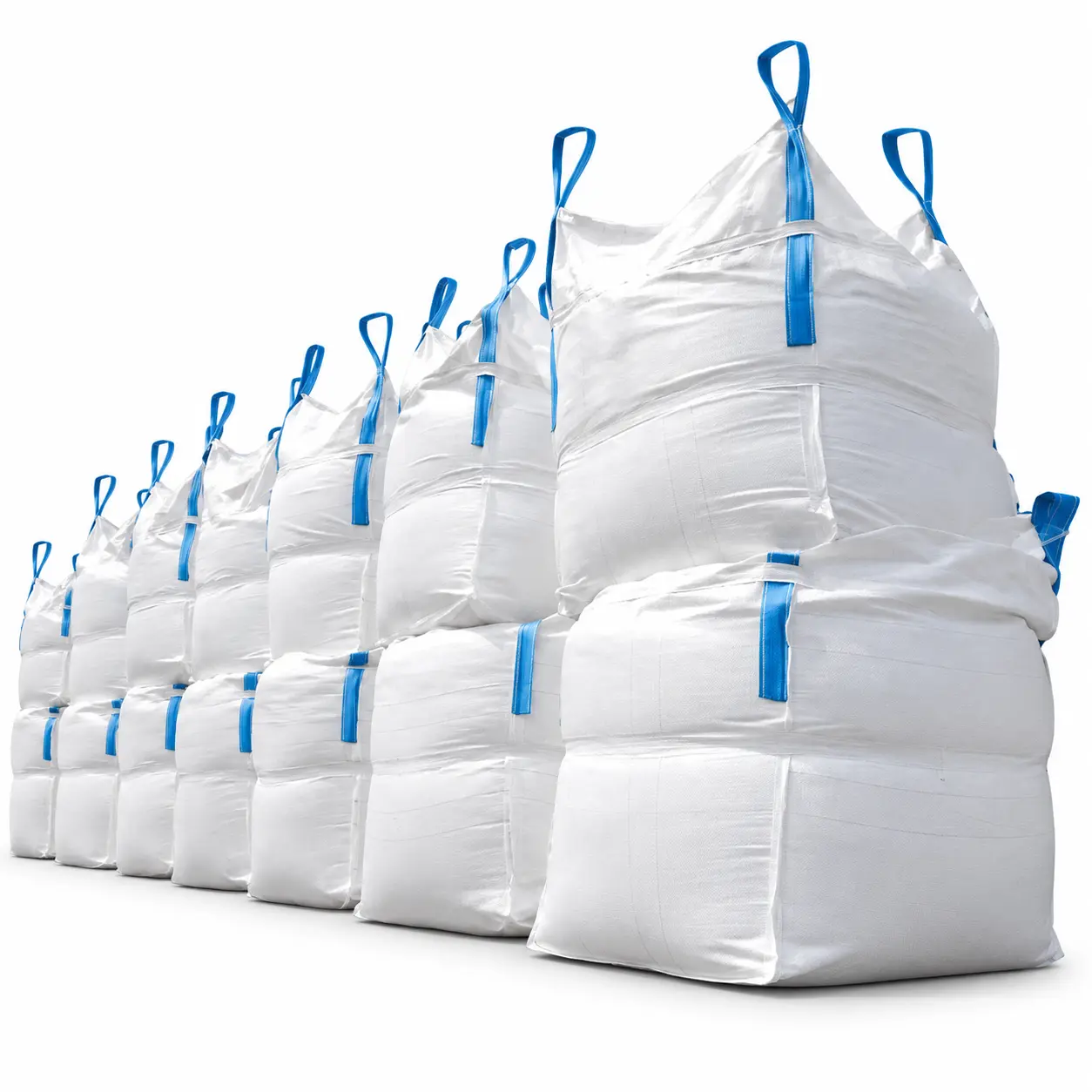
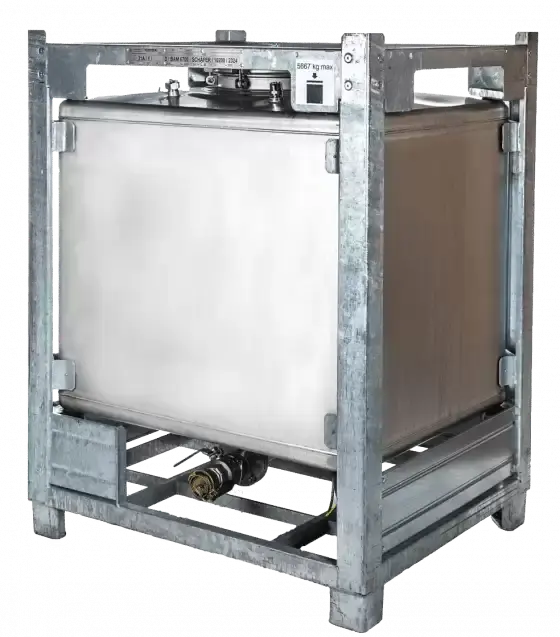
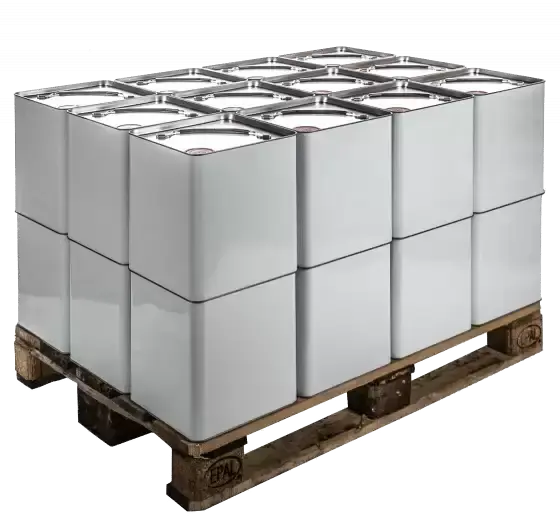
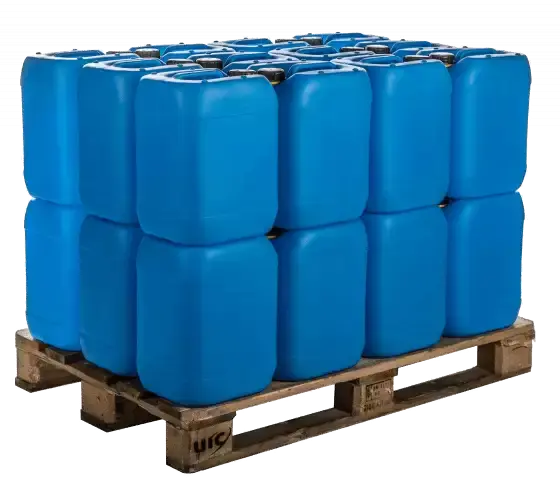
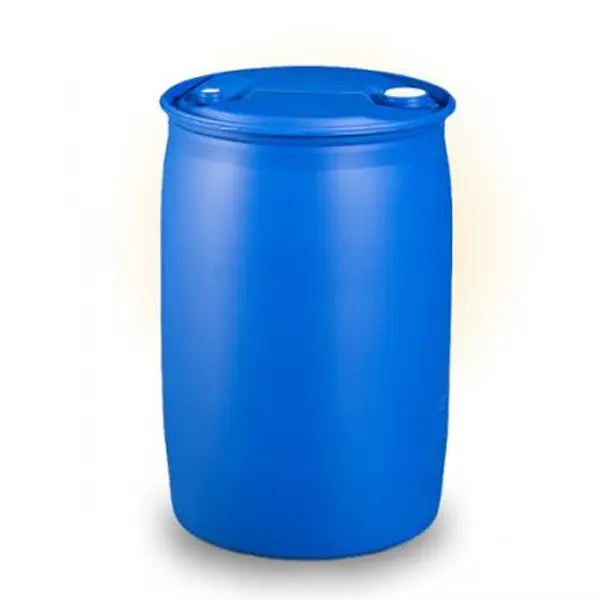
| Packaging | As per supplier availability and customer requirements |
Storage and Handling
Store Glycerin in clean, tightly closed containers in a cool, dry, well-ventilated area. Protect the product from contamination, excessive heat, and moisture-related quality issues. Although glycerin has relatively low volatility, spills can create slippery surfaces and should be cleaned promptly using suitable procedures. Use appropriate personal protective equipment and follow the supplier’s Safety Data Sheet (SDS) and workplace handling guidelines. For food, pharmaceutical, or cosmetic applications, ensure that the selected grade meets the relevant quality and regulatory requirements.
Quality and Supply
Glycerin is available in various commercial grades to meet the needs of different industries. Specifications may include purity, moisture content, color, and other quality parameters. Buyers should confirm the required grade, intended application, packaging, and applicable standards before ordering. A Certificate of Analysis (COA) and Safety Data Sheet (SDS) should be requested to verify product quality and support appropriate handling.
Conclusion
Glycerin is a versatile ingredient valued for its moisture-retaining properties, water compatibility, and broad formulation uses. From cosmetics and personal care to pharmaceutical, food, and industrial applications, it serves as an important component in many products. Selecting the correct grade and verifying supplier specifications helps ensure that Glycerin meets the requirements of the intended application.