Zinc Stearate: High-Quality Industrial Solutions for Versatile Applications
Zinc stearate is a widely used metallic stearate valued for its excellent lubricating, water-repellent, release, and anti-blocking properties. It is an important industrial chemical used across various sectors, including plastics, rubber, paints, coatings, construction, cosmetics, and pharmaceuticals. Its versatility and functional performance make zinc stearate a valuable additive in manufacturing processes where smooth processing, improved surface quality, and reliable product performance are essential.
Key Properties of Zinc Stearate
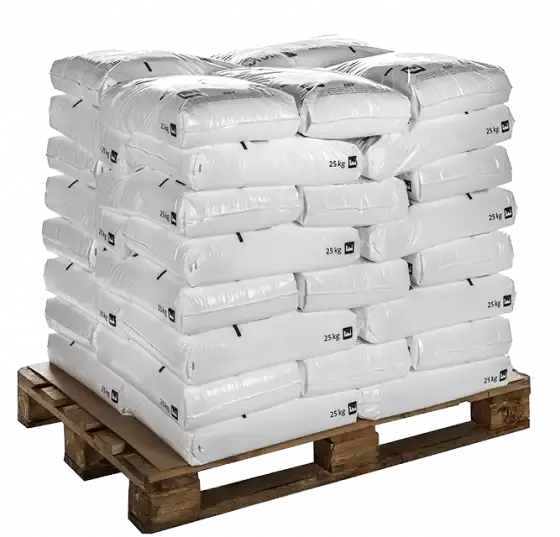
Zinc stearate is generally available as a fine, white powder with a smooth texture and hydrophobic characteristics. It acts as a lubricant, mold-release agent, and processing aid in numerous industrial applications. Its ability to reduce friction, prevent sticking, and improve material handling makes it suitable for a wide range of production requirements.
Industrial Applications of Zinc Stearate
Zinc stearate is commonly used in the plastics and rubber industries to improve processing efficiency and facilitate mold release. In paints and coatings, it can function as a water-repellent additive and surface modifier. It is also used in construction materials, including certain cement-based products, to improve water resistance. Depending on the grade and formulation, zinc stearate may also be incorporated into cosmetic products and other specialized industrial formulations.
Benefits of Zinc Stearate
The primary benefits of zinc stearate include effective lubrication, reduced friction, improved mold release, moisture resistance, and enhanced processing performance. Its use can help manufacturers achieve smoother production operations, improve finished-product consistency, and support efficient material processing. The specific benefits depend on the application, product grade, and formulation.
Quality and Reliable Supply
Selecting the appropriate zinc stearate grade is essential for achieving the desired results in industrial applications. Factors such as purity, particle size, moisture content, and compatibility with other ingredients should be considered when choosing a product. Reliable sourcing and consistent quality help manufacturers maintain production standards and achieve dependable performance.