
Soya Oil – High-Quality Soybean Oil for Food, Industrial and Manufacturing Applications
Soya Oil, also known as Soybean Oil, is a widely used vegetable oil extracted from soybean seeds. It is valued for its versatility, availability, and applications across the food processing, cooking oil, animal feed, cosmetics, and industrial manufacturing sectors. Soya Oil contains a combination of polyunsaturated, monounsaturated, and saturated fatty acids, making it an important vegetable oil in global agricultural and commercial markets.
Available in refined, crude, and other processed grades, Soya Oil is used in various products depending on its purity, processing method, and intended application. Its functional characteristics make it suitable for food manufacturing, edible oil production, and selected industrial formulations.
Key Properties of Soya Oil
Soya Oil offers several characteristics that make it useful in commercial and industrial applications.
-
Vegetable-Based Oil: Extracted from soybeans, providing a plant-derived oil source.
-
Fatty Acid Composition: Contains linoleic acid, oleic acid, palmitic acid, and other fatty acids.
-
Versatile Applications: Used in food processing, cooking, cosmetics, and selected industrial products.
-
Liquid Consistency: Typically remains liquid at normal room temperatures.
-
Processing Flexibility: Available in crude, refined, and modified forms for different applications.
-
Natural Vitamin E Compounds: Contains tocopherols, with levels varying according to processing and refinement.
Applications of Soya Oil
1. Food and Cooking Industry
Food-grade Soya Oil is widely used for cooking, frying, sautéing, and preparing various food products. Its relatively neutral flavor, particularly in refined form, makes it suitable for many culinary applications.
It is commonly used in commercial kitchens, restaurants, packaged foods, and food manufacturing operations. The suitability of a particular grade for high-temperature cooking depends on its refining process and fatty acid profile.
2. Food Processing and Manufacturing
Soya Oil is an important ingredient in processed foods, including salad dressings, mayonnaise, sauces, bakery products, and snack foods. It contributes to texture, consistency, and fat content in various formulations.
Food manufacturers select the appropriate grade according to product requirements, shelf-life targets, and applicable food safety regulations.
3. Animal Feed Industry
Soya Oil may be incorporated into animal feed formulations as a concentrated source of dietary energy and essential fatty acids. Its use depends on the nutritional requirements of the animal species and the formulation developed by qualified feed professionals.
4. Cosmetics and Personal Care
Suitable grades of Soya Oil may be used in skincare, haircare, soaps, and cosmetic formulations. It can function as an emollient and conditioning ingredient, helping improve the feel and spreadability of certain products.
5. Biodiesel Production
Soya Oil is used as a feedstock in biodiesel manufacturing. Through industrial processing, it can be converted into fatty acid methyl esters used in suitable biodiesel applications.
6. Paints, Coatings and Industrial Products
Soya Oil and its chemically modified derivatives are used in selected industrial products, including alkyd resins, coatings, printing inks, and other specialty formulations. The appropriate oil grade and processing method depend on the required technical performance.
7. Soap and Chemical Manufacturing
Soya Oil can serve as a raw material in certain soap-making and oleochemical processes. Its fatty acid composition makes it useful for producing selected industrial intermediates and formulated products.
Benefits of Using Soya Oil
-
Provides a versatile plant-derived oil for food and industrial applications.
-
Contains essential fatty acids, including linoleic acid.
-
Offers a relatively neutral flavor in refined edible grades.
-
Can be used in a wide range of food processing applications.
-
Supports selected cosmetic and personal care formulations.
-
Serves as a raw material for biodiesel and oleochemical production.
-
Is available in different grades to meet commercial manufacturing requirements.
Quality and Product Specifications
Selecting the correct Soya Oil grade is essential for achieving consistent performance and product quality. Buyers should review the supplier's technical specifications and certificate of analysis before purchase.
Important quality parameters may include:
-
Appearance, color, and odor
-
Free fatty acid content
-
Acid value
-
Peroxide value
-
Moisture and impurities
-
Iodine value
-
Fatty acid composition
-
Refining status and intended application
Food-grade Soya Oil should comply with the relevant food safety and quality requirements. Industrial-grade oil should not be used for food or cosmetic applications unless specifically certified as suitable.
Storage and Handling
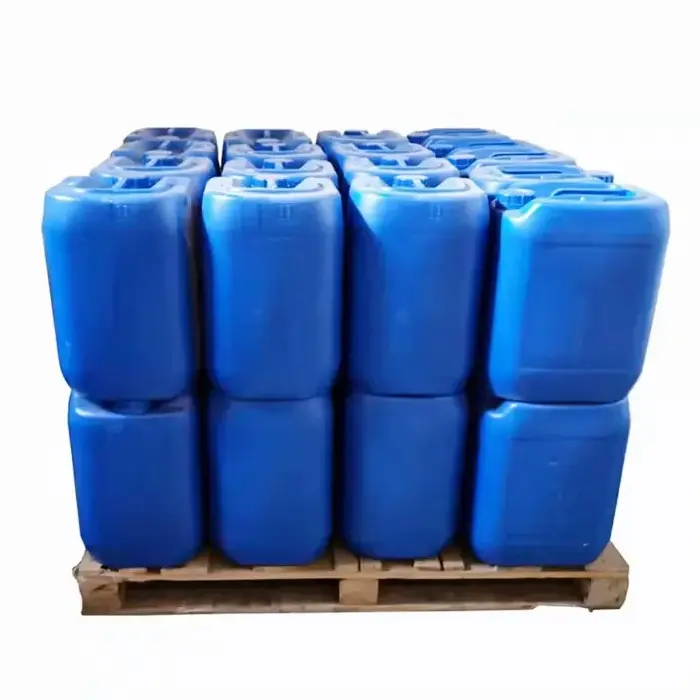
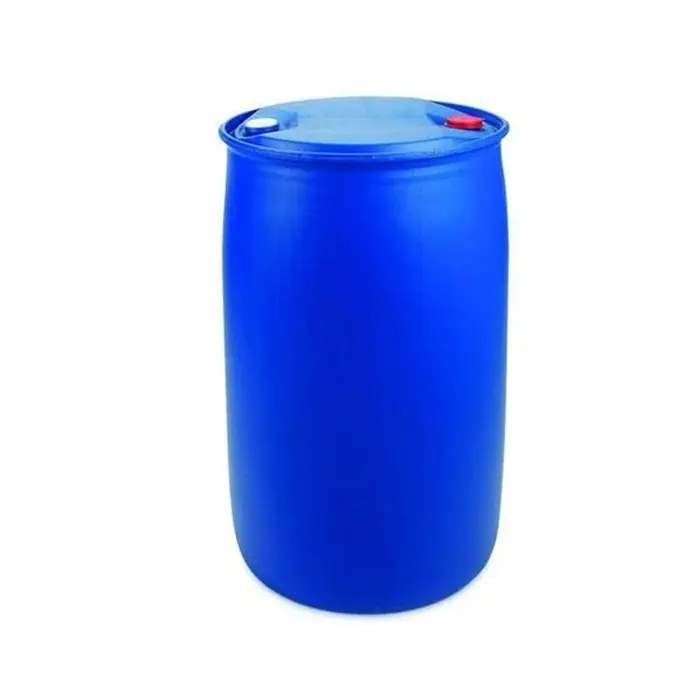
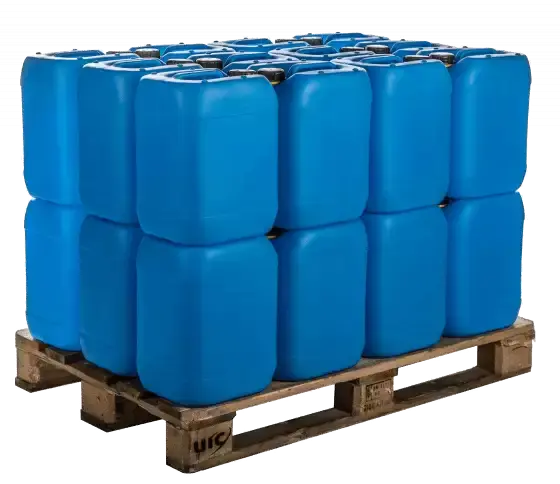
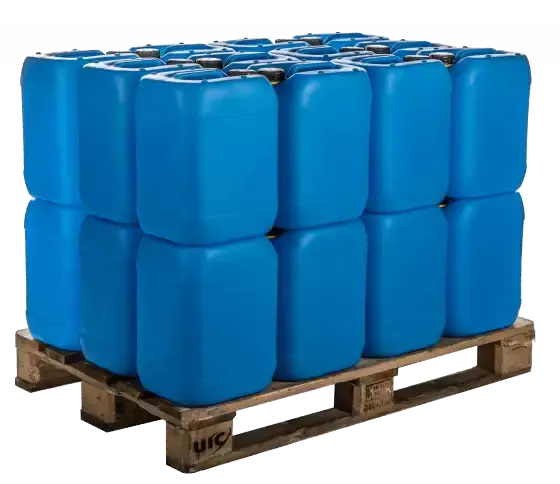
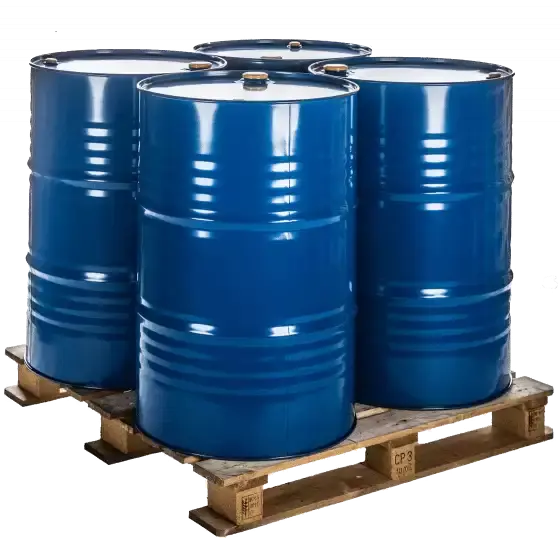
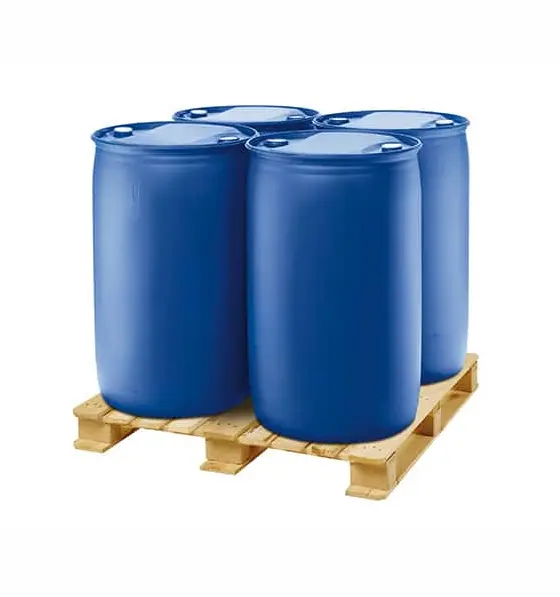
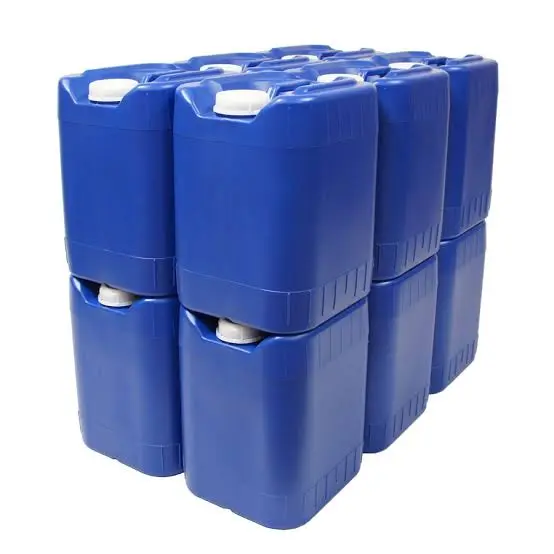
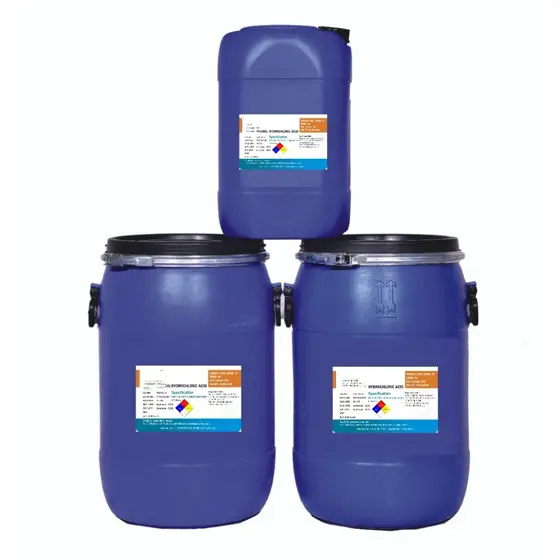
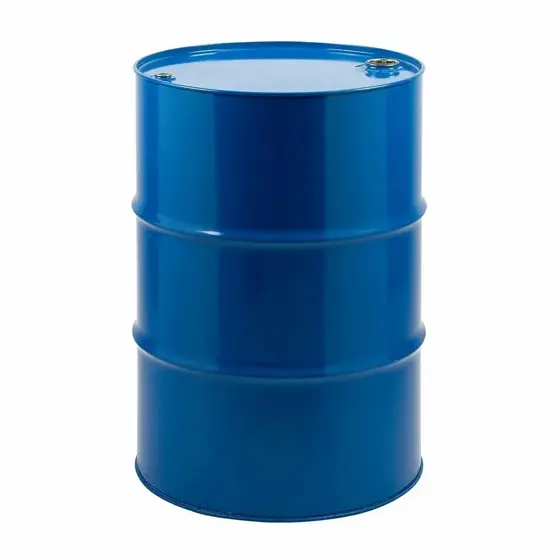
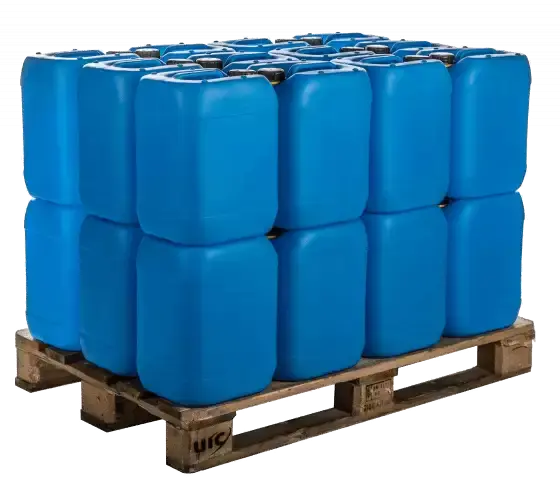
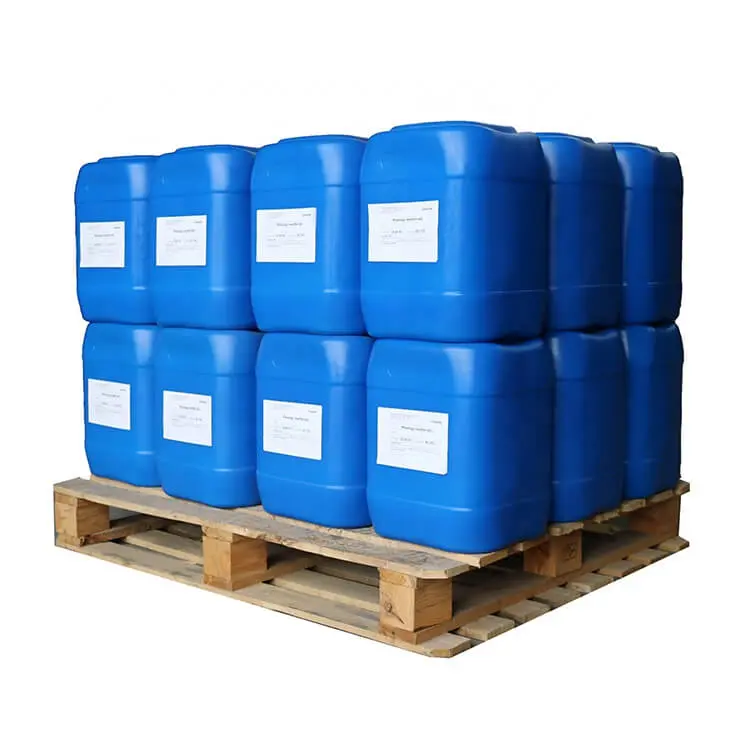
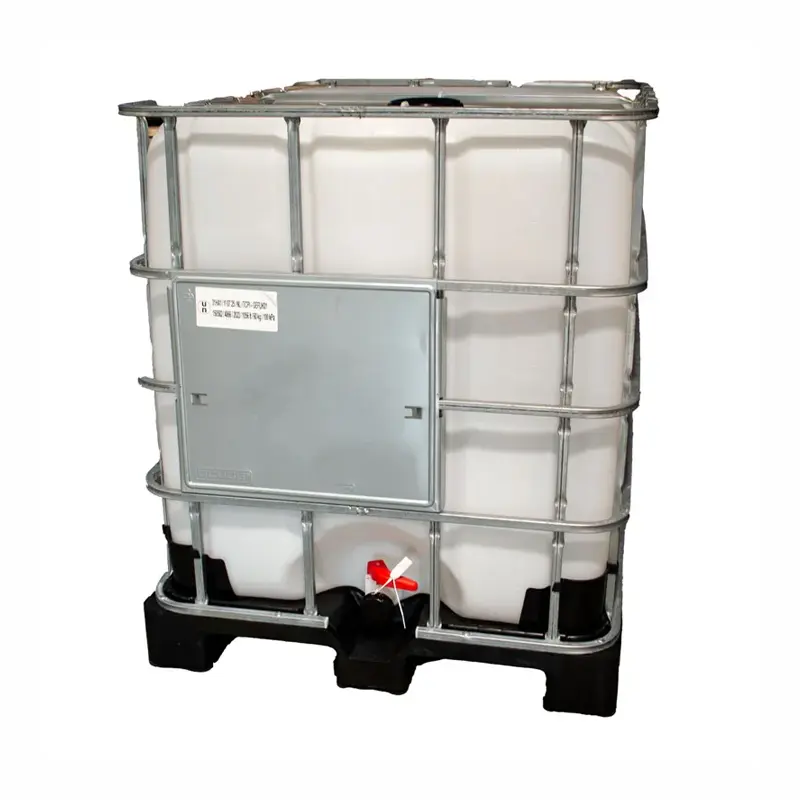
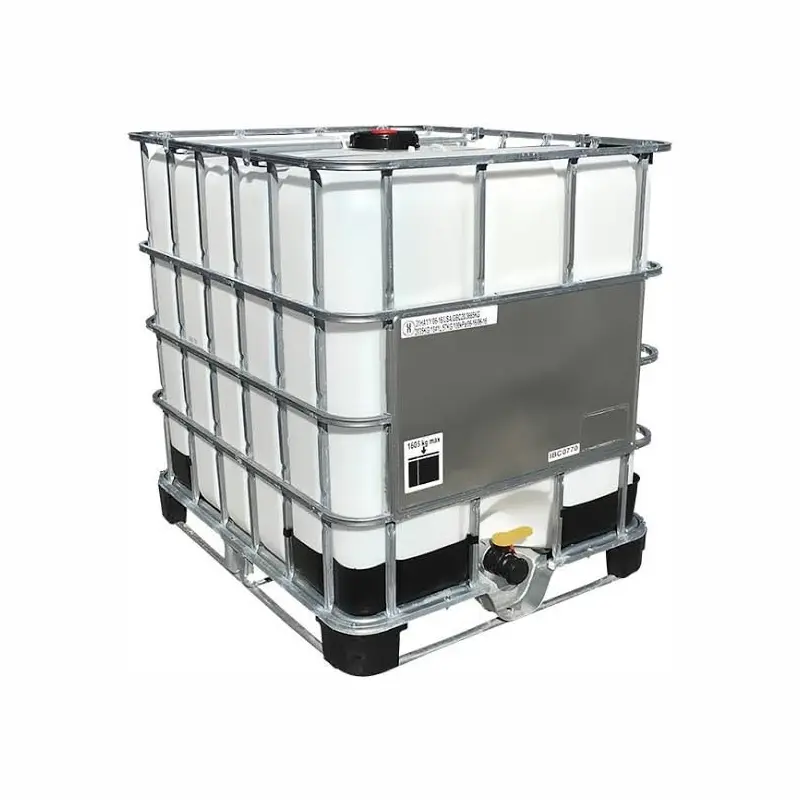
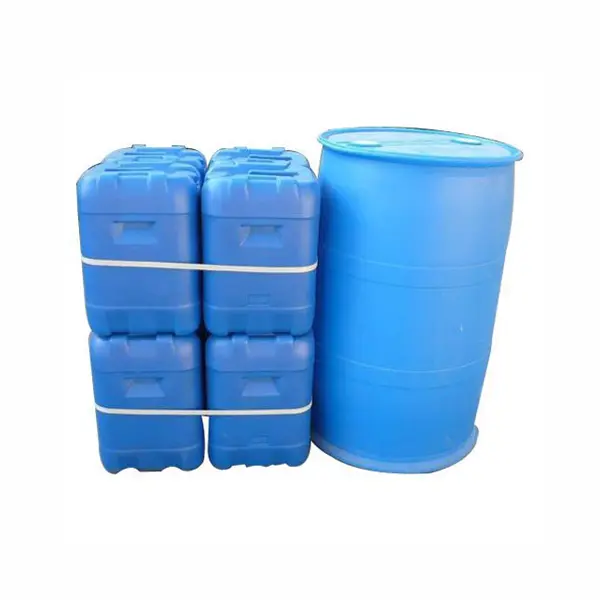
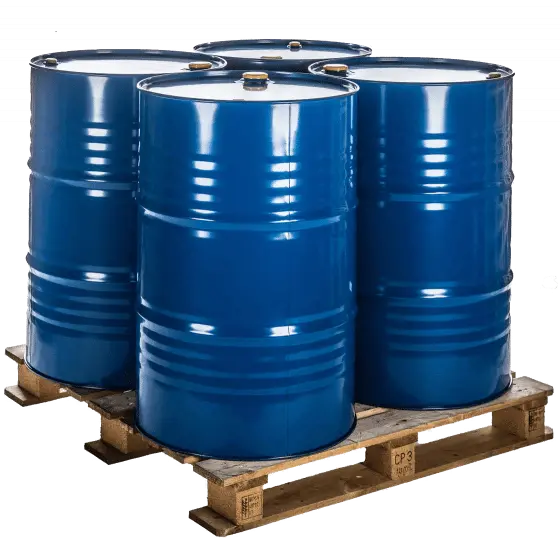
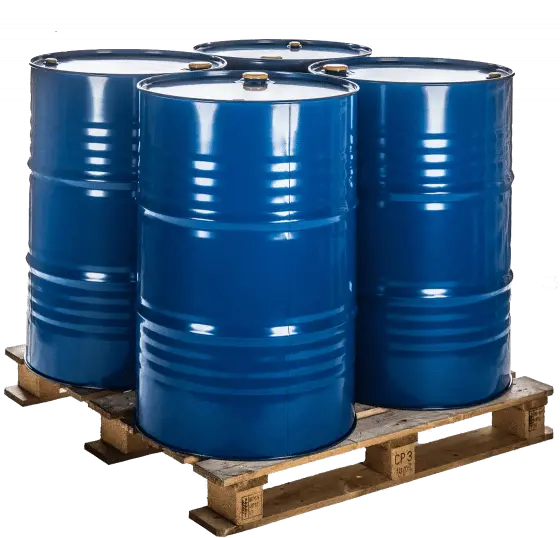
Soya Oil should be stored in clean, tightly sealed containers away from excessive heat, direct sunlight, and sources of contamination. Exposure to oxygen, heat, and light can accelerate oxidation and reduce product quality.
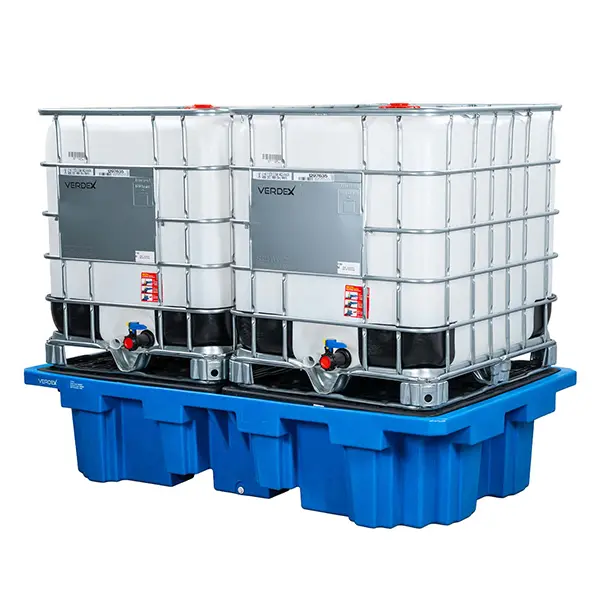
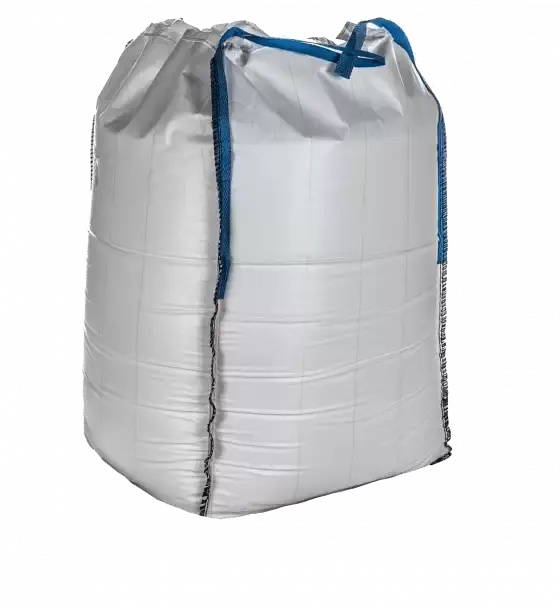
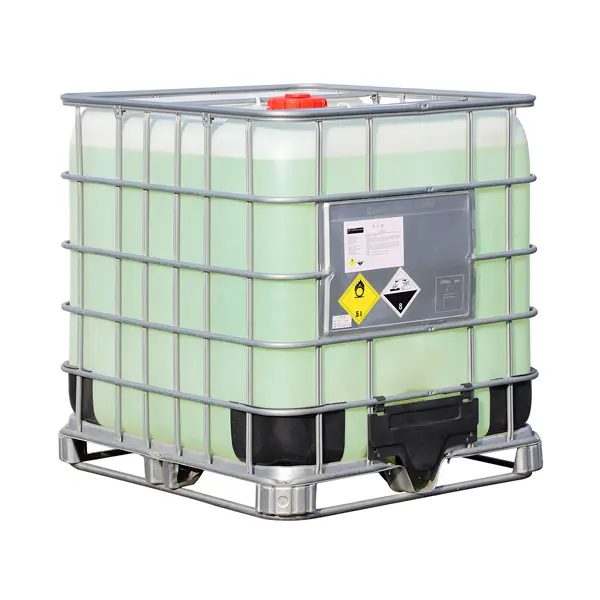
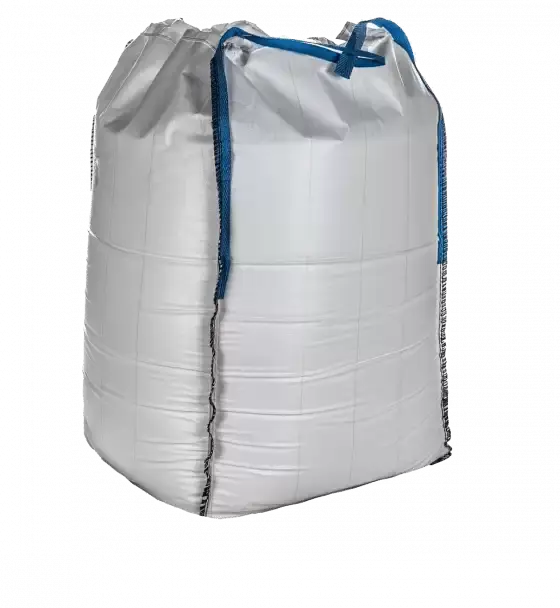
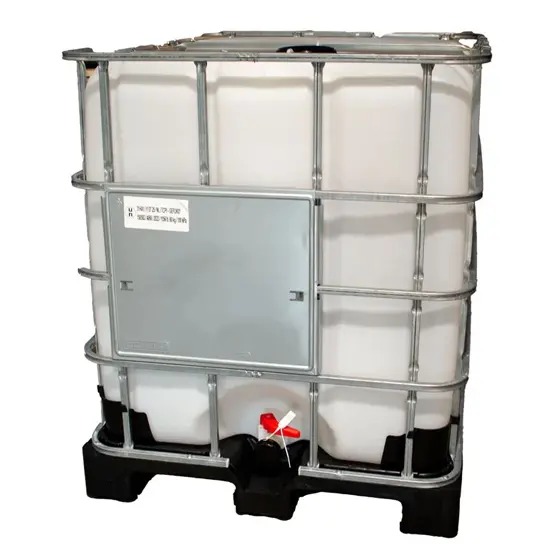
For bulk storage, appropriate food-grade or industrial storage equipment should be selected according to the intended application. Follow the supplier's recommendations regarding storage temperature, shelf life, and handling procedures.
Why Choose Soya Oil?
Soya Oil is an important raw material for businesses seeking a versatile vegetable oil for food production, commercial cooking, animal feed, personal care, and industrial manufacturing.
Its broad range of applications, established processing methods, and availability in different commercial grades make it a practical ingredient for manufacturers and distributors.
Whether used in edible oil products, cosmetic formulations, or industrial chemical processing, selecting the appropriate Soya Oil grade helps support reliable product performance and quality.
Conclusion
Soya Oil is a widely used vegetable oil derived from soybeans and valued for its versatility across food, cosmetic, agricultural, and industrial applications. Its fatty acid composition and processing flexibility make it an important raw material for manufacturers worldwide.
For optimal results, choose the appropriate grade, verify product specifications, and follow recommended storage and handling practices.