Polypropylene Glycol – Versatile Polyether for Industrial, Chemical and Manufacturing Applications
Introduction
Polypropylene Glycol (PPG) is a polyether compound produced through the polymerization of propylene oxide. It is available in different molecular weights and grades, with properties ranging from low-viscosity liquids to more viscous materials. Polypropylene Glycol is valued for its low volatility, adjustable viscosity, and compatibility with a variety of industrial formulations. It is used in polyurethane manufacturing, lubricants, foam production, coatings, adhesives, and selected personal care and specialty chemical applications. Its performance depends on molecular weight, functionality, and the specific grade supplied.
Industrial Applications
In polyurethane manufacturing, Polypropylene Glycol is used as a polyol in the production of flexible and rigid polyurethane materials, elastomers, sealants, and related products. The selected molecular weight and functionality influence the flexibility, strength, and other properties of the finished material.
In lubricant and industrial fluid formulations, certain PPG grades are used as base fluids or functional additives where suitable viscosity and performance characteristics are required. They may also be incorporated into hydraulic fluids, specialty lubricants, and other industrial formulations.
Polypropylene Glycol is used in selected coatings, adhesives, sealants, and foam systems to support formulation performance. Certain grades are also used in defoamers and specialty chemical products. Food, pharmaceutical, cosmetic, and other regulated applications require a grade specifically approved for the intended use.
Key Benefits
- Adjustable viscosity: Available in different molecular weights to meet specific formulation requirements.
- Low volatility: Suitable for applications where reduced evaporation is desirable.
- Polyurethane compatibility: Serves as an important polyol raw material in polyurethane production.
- Formulation flexibility: Can be incorporated into selected lubricant, coating, adhesive, and specialty chemical systems.
- Industrial versatility: Used across multiple manufacturing and chemical-processing sectors.
- Grade availability: Different molecular weights and functional grades support a wide range of technical requirements.
Product Specifications
| Parameter | Details |
|---|---|
| Product Name | Polypropylene Glycol |
| Abbreviation | PPG |
| Chemical Family | Polyether polyol |
| General Structure | HO–[CH(CH₃)CH₂O]ₙ–H for typical diol grades |
| CAS Number | 25322-69-4 (commonly associated with polypropylene glycol) |
| Appearance | Typically clear, colorless liquid; varies by grade |
| Odor | Generally mild or nearly odorless; varies by product |
| Solubility | Varies with molecular weight and formulation |
| Molecular Weight | Available in multiple grades |
| Primary Functions | Polyol, lubricant base fluid, formulation ingredient |
| Common Applications | Polyurethane, lubricants, coatings, adhesives, foams, specialty chemicals |
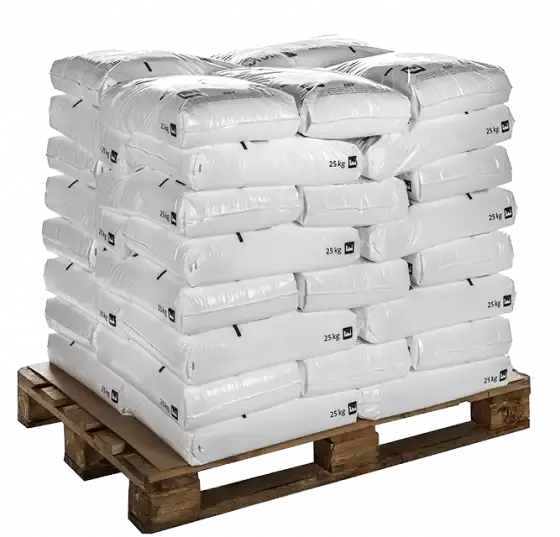
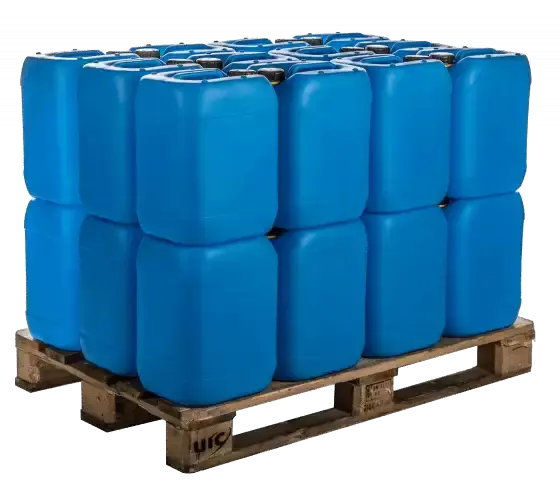
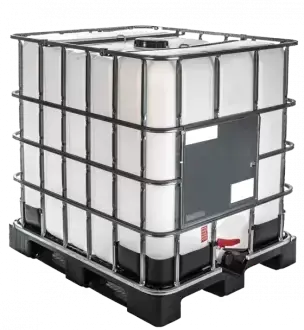
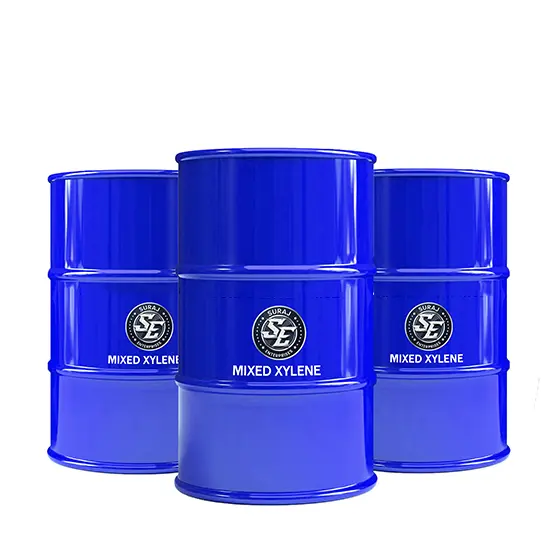
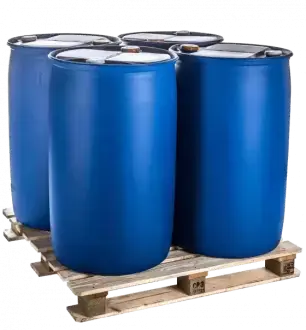
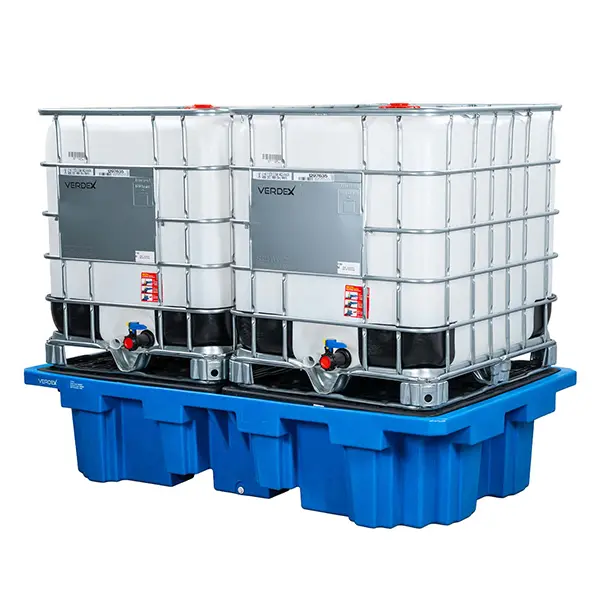
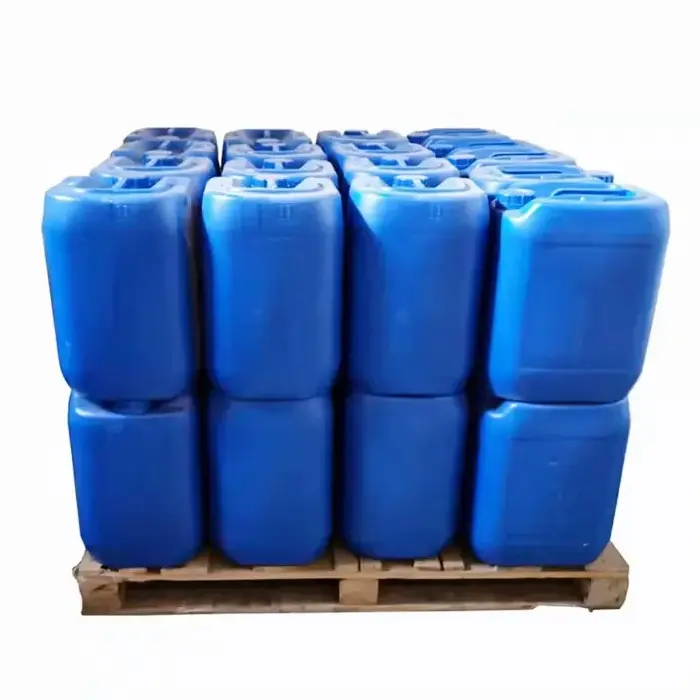
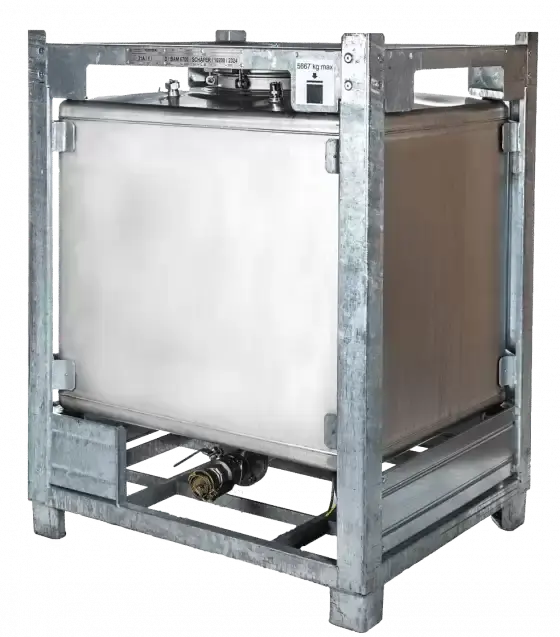
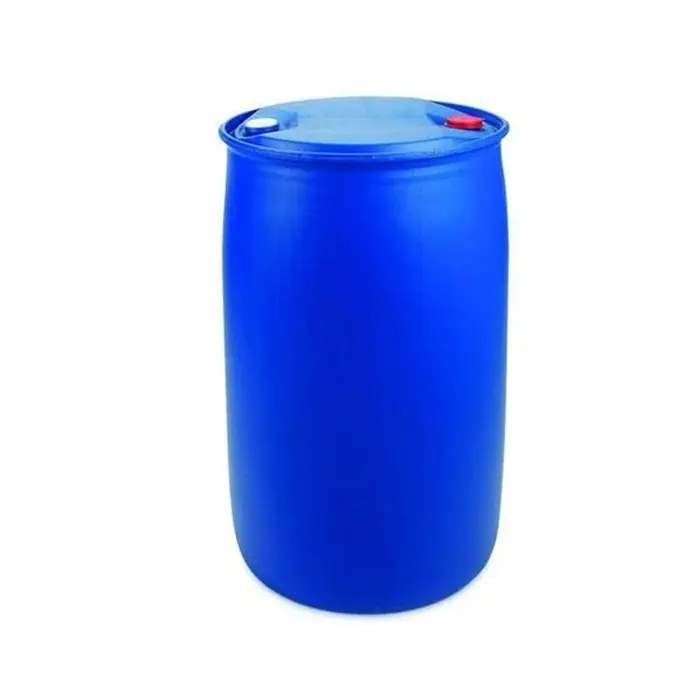
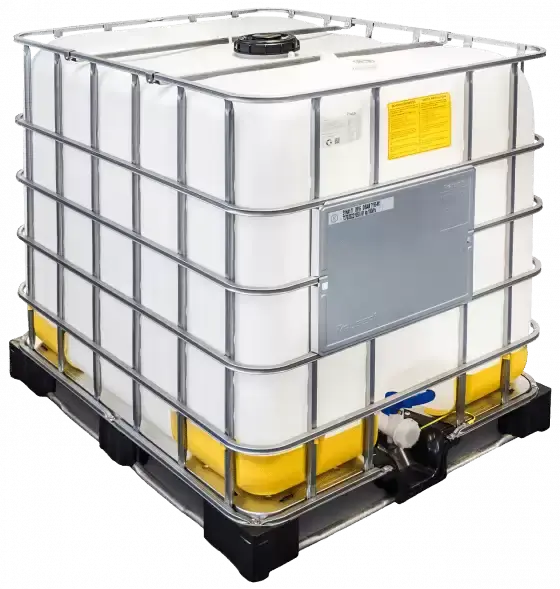
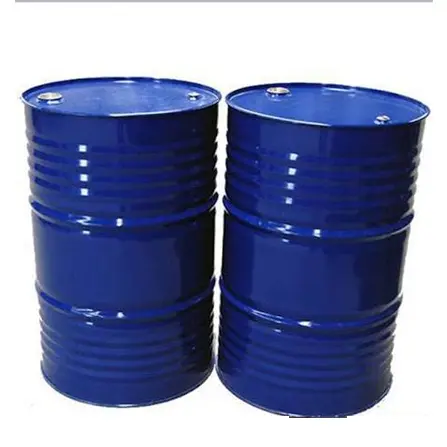
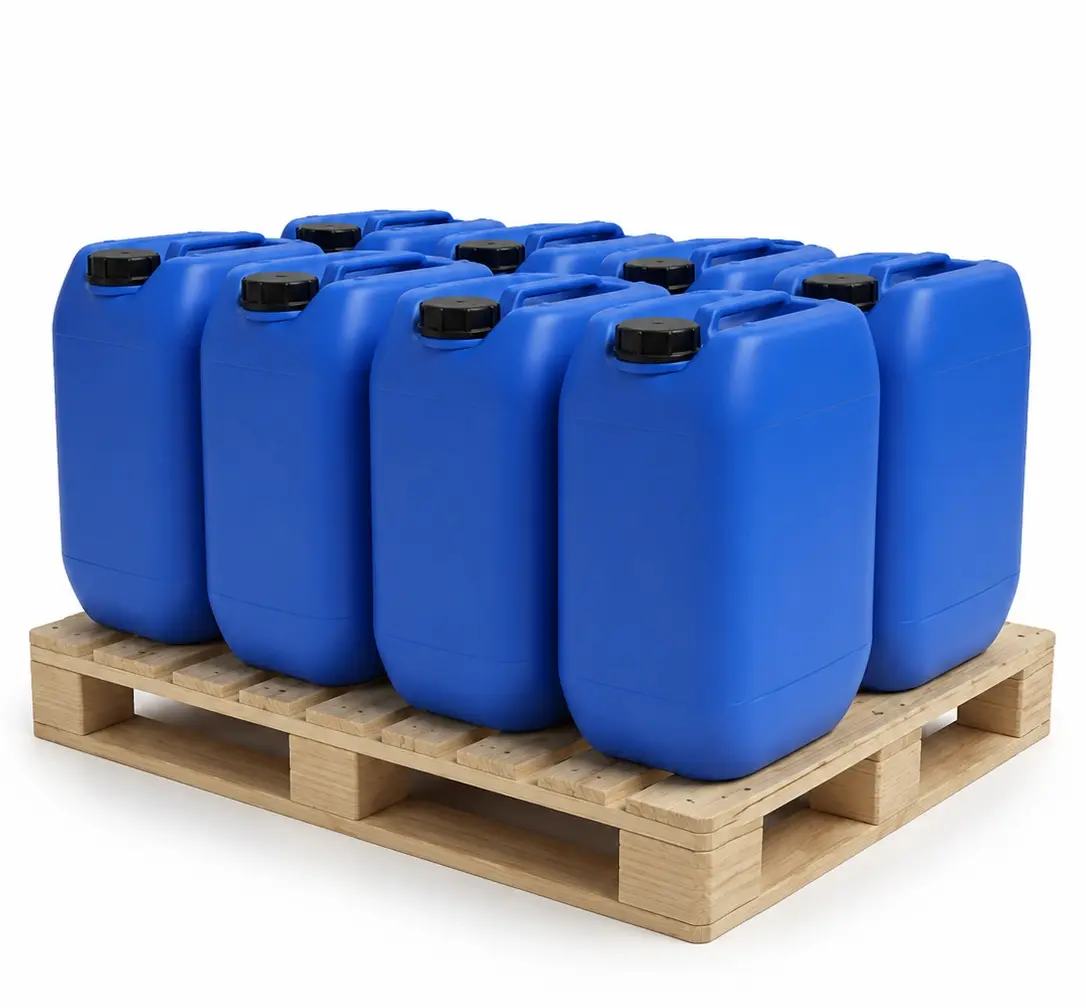
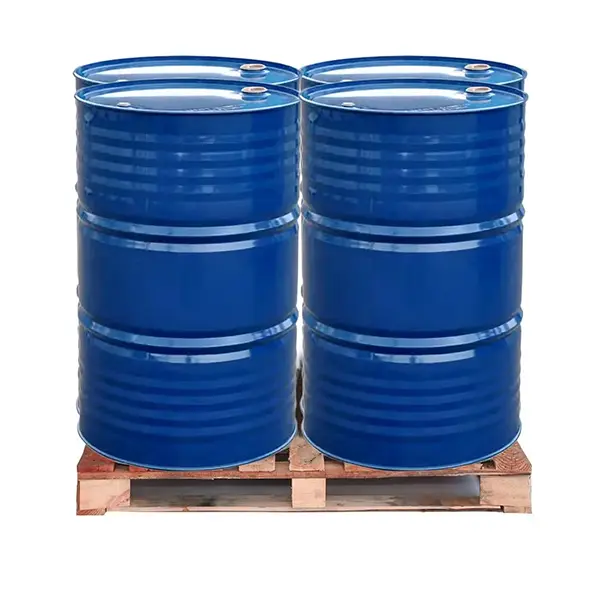
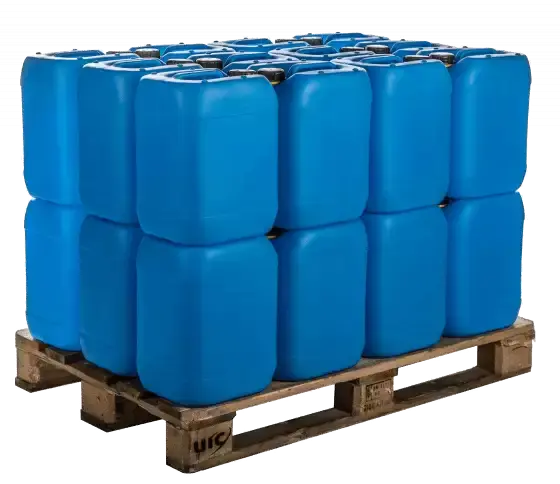
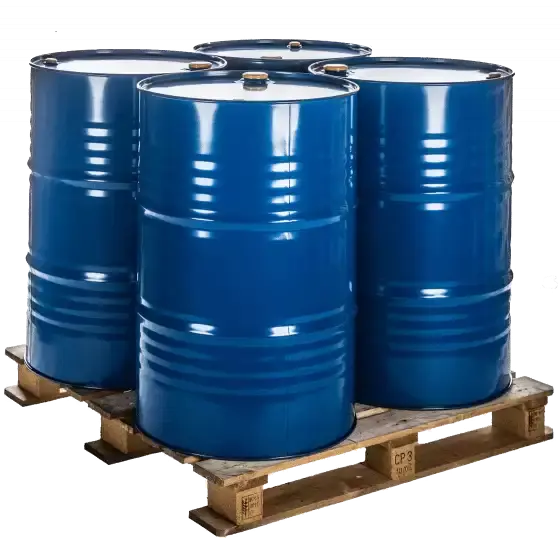
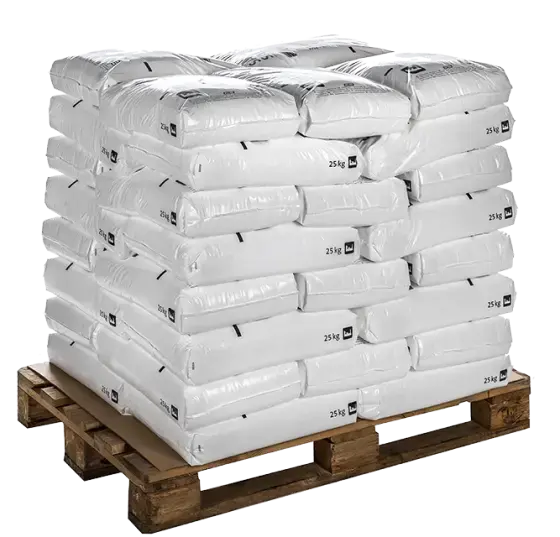
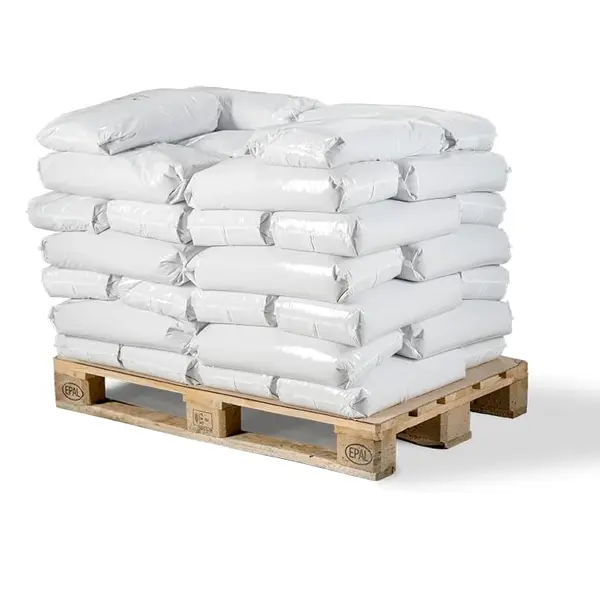
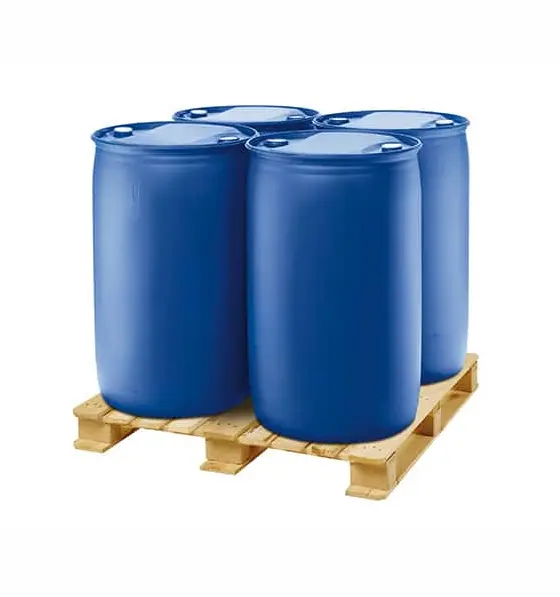
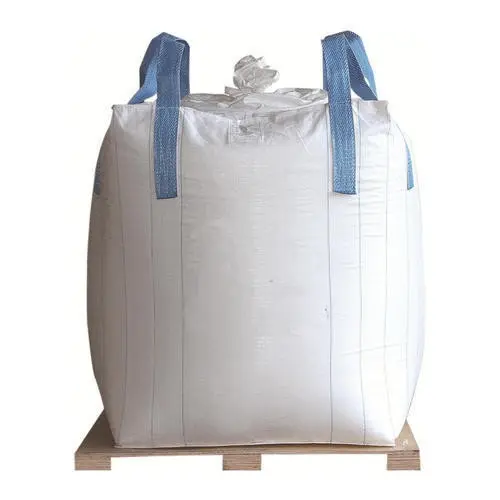
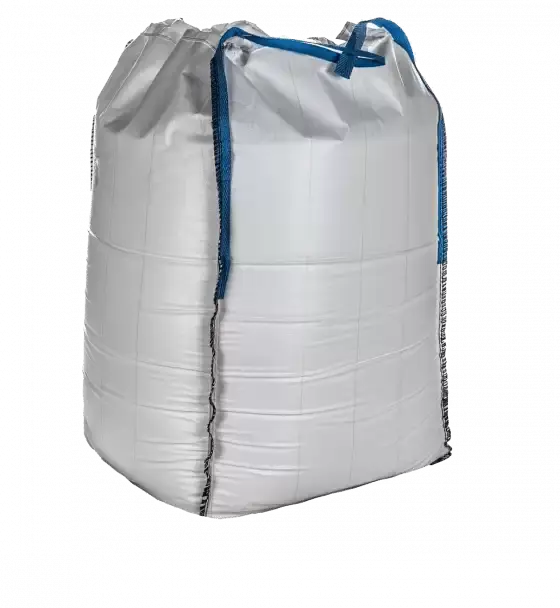
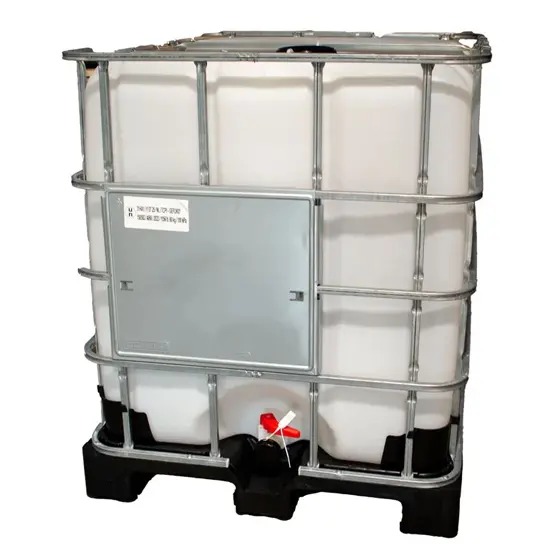
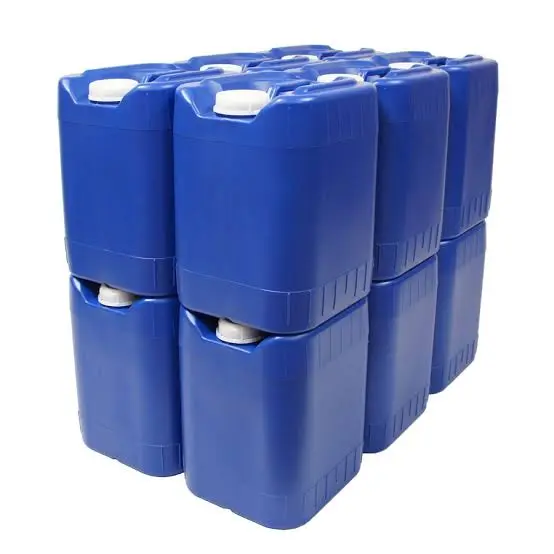
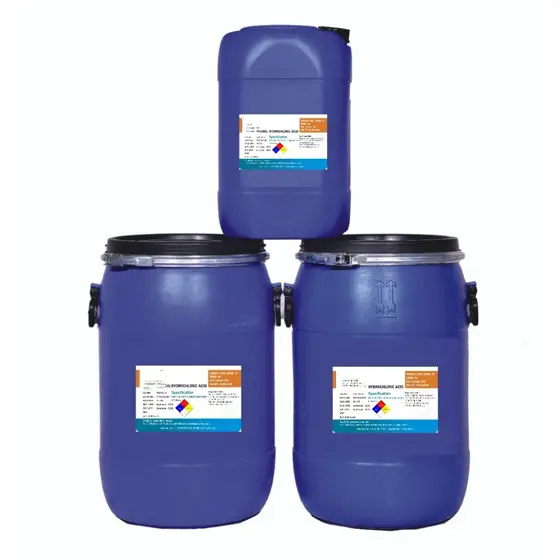
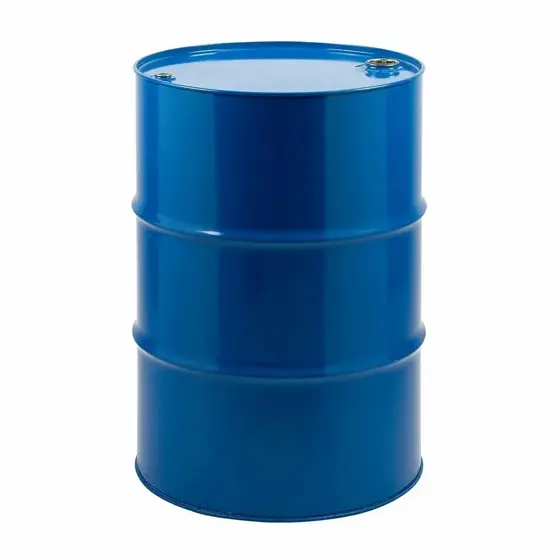
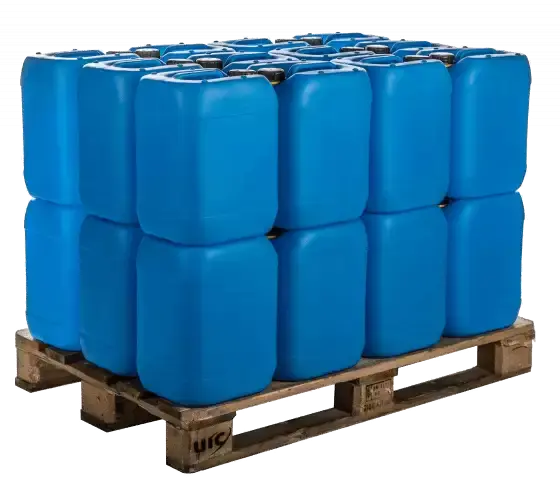
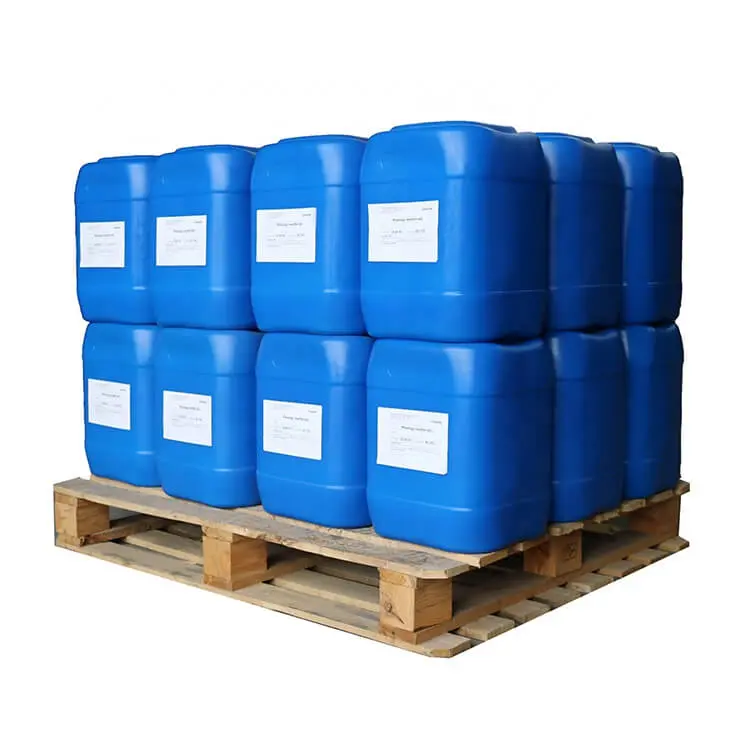
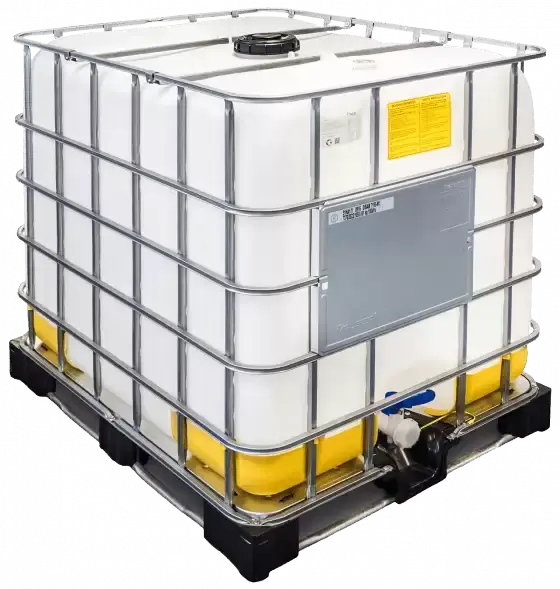
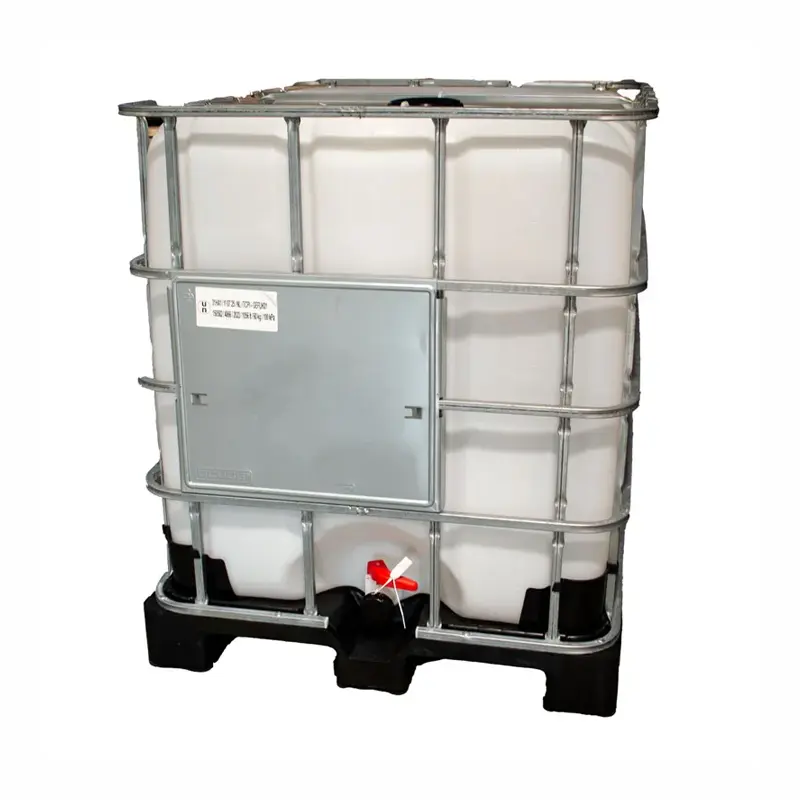
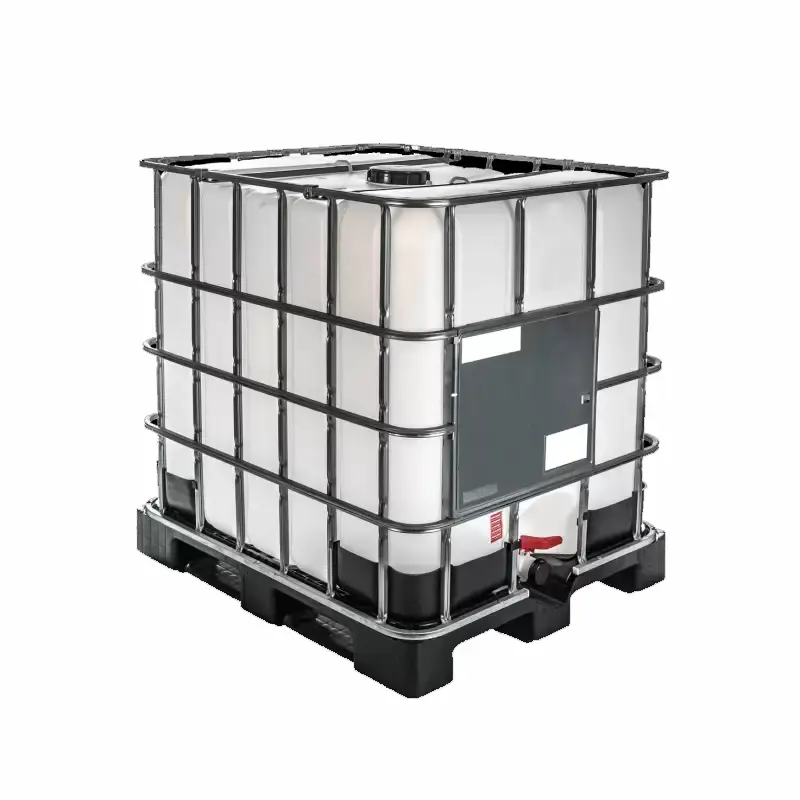
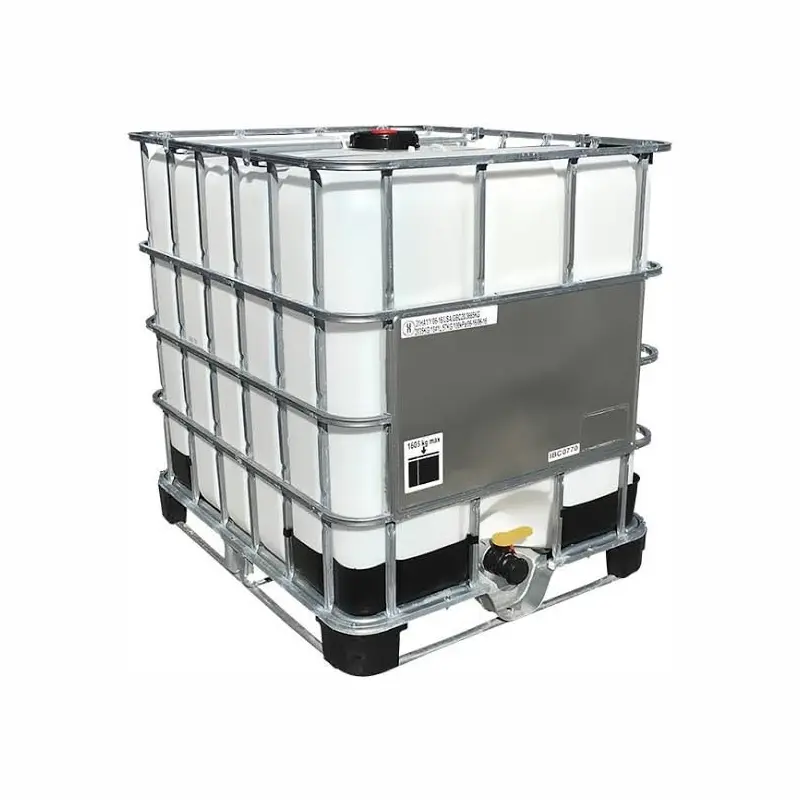
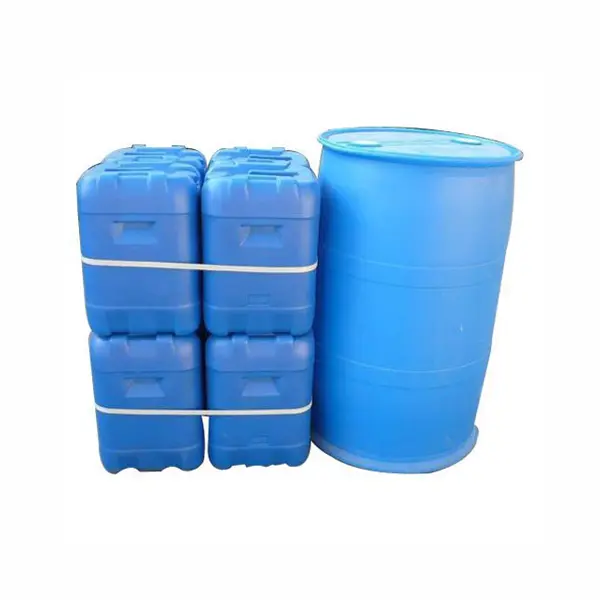
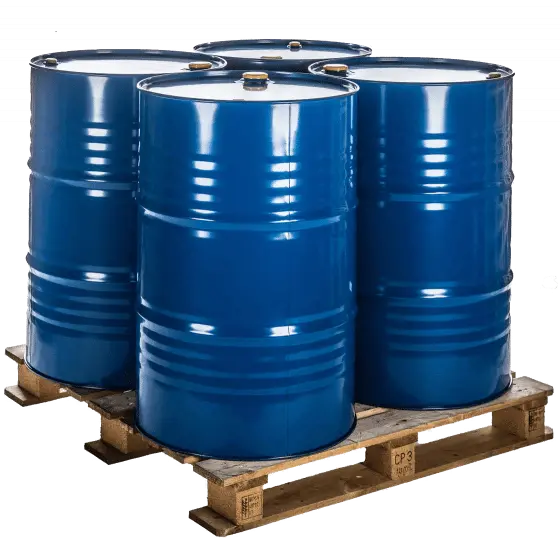
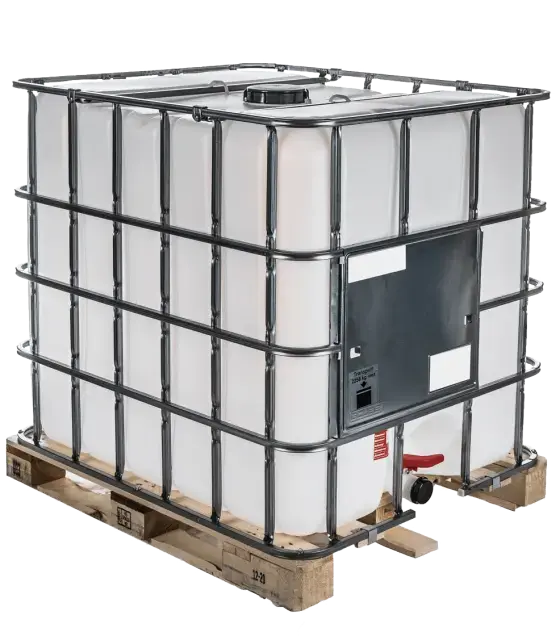
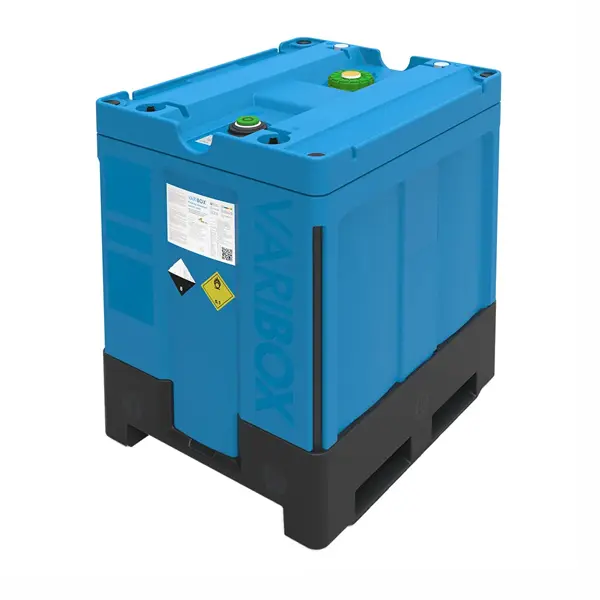
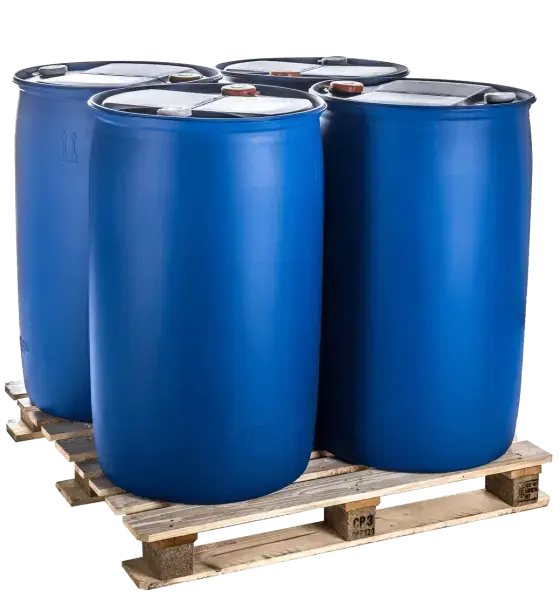
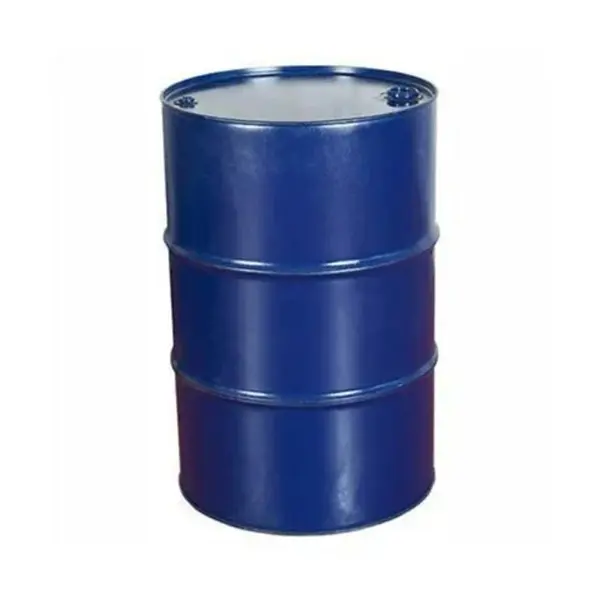
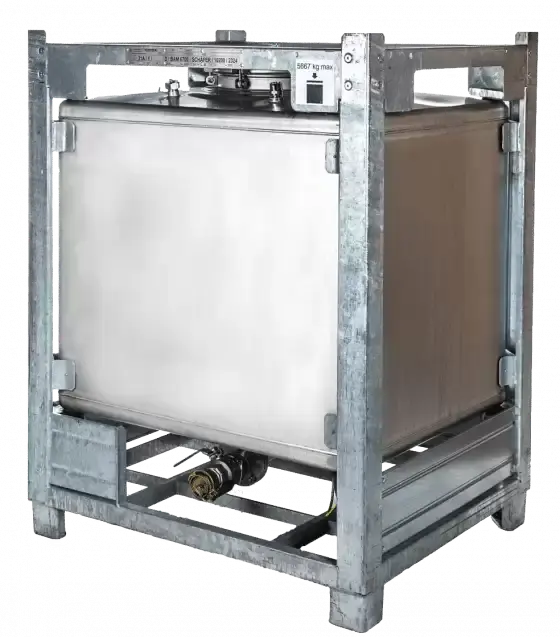
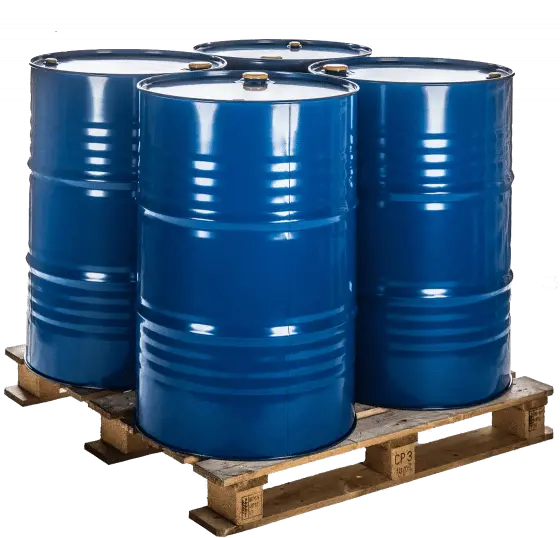
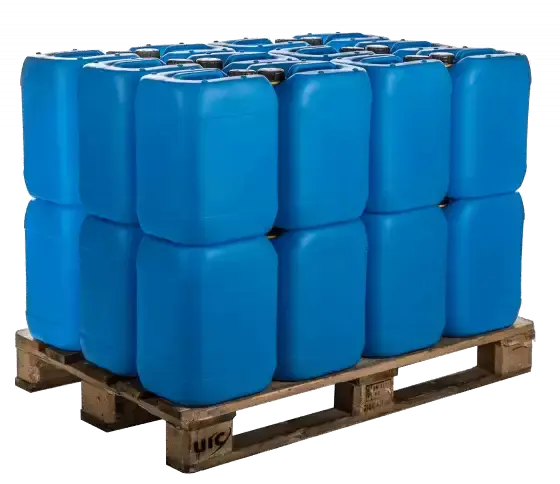
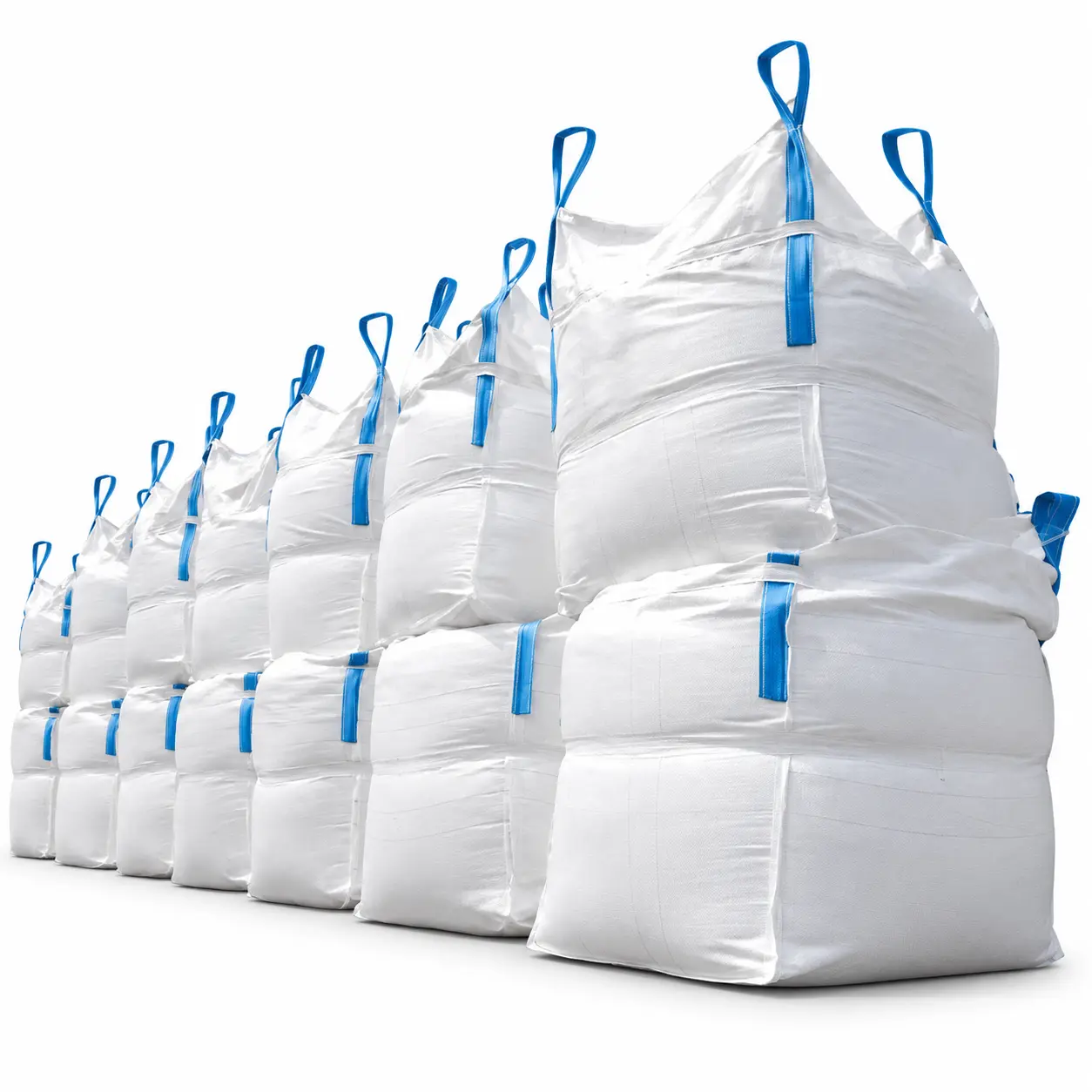
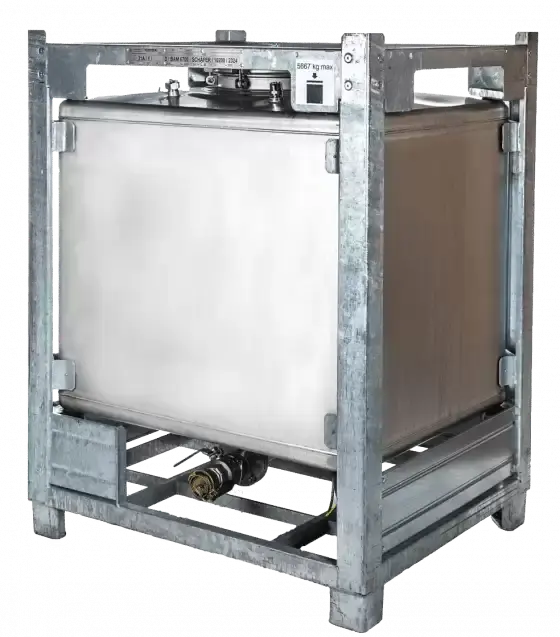
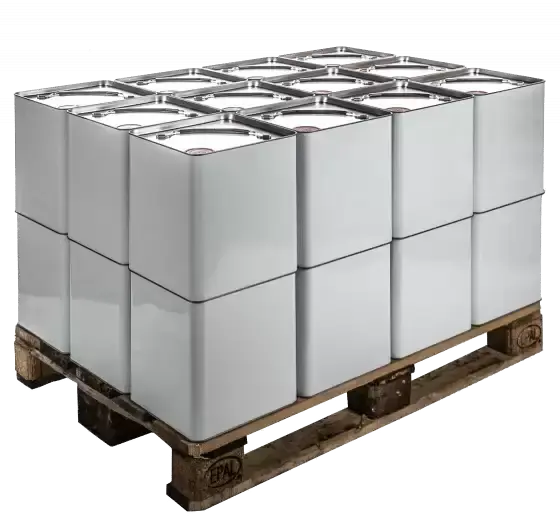
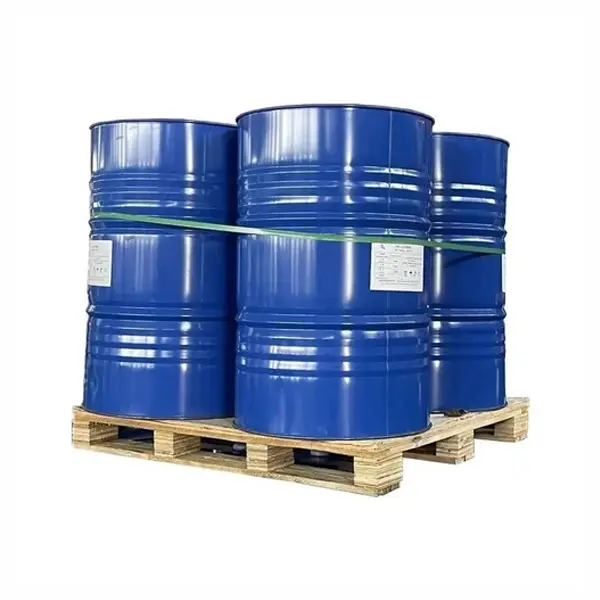
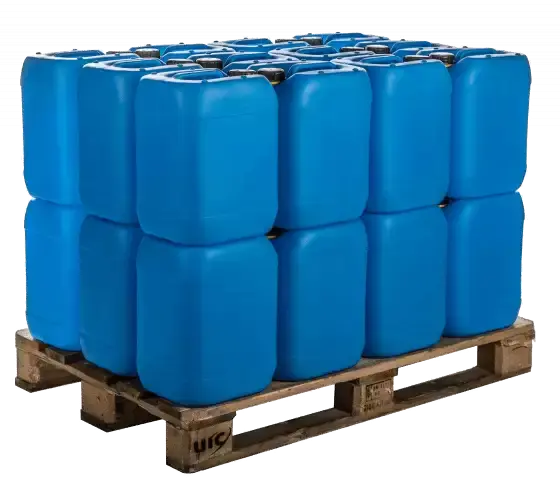
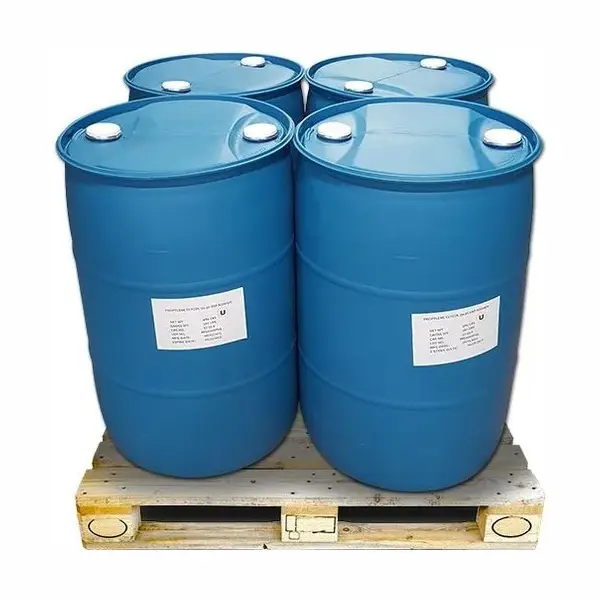
| Packaging | As specified by the supplier |
Specifications vary by molecular weight, hydroxyl functionality, and manufacturer. Confirm the exact grade, hydroxyl value, viscosity, water content, acid value, and current technical data sheet (TDS) before purchase or use.
Storage and Handling
Store Polypropylene Glycol in clean, tightly closed containers in a cool, dry, well-ventilated area. Protect it from contamination and moisture, particularly when the selected grade is sensitive to water content. Follow the supplier's recommendations for storage temperature, container compatibility, and shelf life.
Use appropriate gloves and eye protection during handling, and avoid unnecessary contact with the skin and eyes. Spills may create slippery surfaces and should be cleaned up using suitable workplace procedures. Consult the product-specific safety data sheet (SDS) for handling precautions, spill response, and first-aid instructions.
Quality and Supply
Consistent Polypropylene Glycol quality is important for polyurethane manufacturing and other applications where viscosity, molecular weight, and chemical functionality affect the finished product. Buyers should confirm the exact grade and verify relevant parameters, including hydroxyl value, viscosity, moisture content, and purity.
A reliable supplier should provide technical documentation and batch-specific quality records. Confirm the packaging, storage requirements, and intended application before ordering to ensure compatibility with the manufacturing process.
Conclusion
Polypropylene Glycol is a versatile polyether used in polyurethane production, industrial lubricants, coatings, adhesives, foams, and specialty chemical formulations. Its adjustable molecular weight, viscosity, and functional properties make it suitable for a broad range of manufacturing requirements. Selecting the correct grade and checking its technical specifications help ensure consistent performance and compatibility with the intended application.