Monoethanolamine (MEA) – Industrial Chemical for Gas Treatment, Detergents, and Chemical Manufacturing
Introduction
Monoethanolamine (MEA), also known as 2-Aminoethanol or Ethanolamine, is an organic chemical compound containing both an amine group and a hydroxyl group. Its chemical formula is C₂H₇NO. It is typically supplied as a clear, colorless to pale yellow liquid with an ammonia-like odor and is miscible with water.
Monoethanolamine is widely used as a chemical intermediate, pH-adjusting agent, and gas-treatment chemical. Its alkaline properties and ability to react with acidic compounds make it valuable in gas purification, detergent formulations, corrosion-control systems, and various industrial manufacturing processes.
Industrial Applications
- Gas Treatment: Used in selected gas-sweetening systems to remove acidic gases such as carbon dioxide and hydrogen sulfide from process gas streams.
- Detergents and Cleaning Products: Incorporated into certain industrial cleaning formulations to help adjust alkalinity and support formulation performance.
- Chemical Manufacturing: Serves as a raw material for producing ethanolamine derivatives, specialty chemicals, and other industrial intermediates.
- Metalworking Fluids: Used in selected formulations to regulate pH and support corrosion-control performance, depending on the overall formulation.
- Textile Processing: Applied in certain textile-treatment and chemical-processing formulations.
- Water-Based Formulations: Used as a pH-adjusting agent in compatible industrial products and aqueous systems.
Key Benefits
- Provides alkaline properties for industrial formulation and pH adjustment.
- Functions as a useful intermediate in the production of ethanolamine derivatives.
- Supports established gas-treatment processes for acidic gas removal.
- Miscible with water, facilitating incorporation into compatible aqueous formulations.
- Suitable for selected detergent, cleaning, and metalworking applications.
- Available in commercial grades tailored to different industrial requirements.
Product Specifications
| Specification | Details |
|---|---|
| Product Name | Monoethanolamine |
| Abbreviation | MEA |
| Alternative Names | 2-Aminoethanol, Ethanolamine |
| Chemical Formula | C₂H₇NO |
| CAS Number | 141-43-5 |
| Molecular Weight | 61.08 g/mol |
| Appearance | Clear, colorless to pale yellow liquid |
| Odor | Ammonia-like odor |
| Boiling Point | Approximately 170°C |
| Density | Approximately 1.01 g/cm³ at 20°C |
| Solubility | Miscible with water |
| Chemical Classification | Organic amine and alcohol |
| Primary Function | Chemical intermediate, alkaline agent, pH adjuster |
| Main Applications | Gas treatment, detergents, chemical manufacturing, metalworking fluids |
| Purity | Grade-dependent |
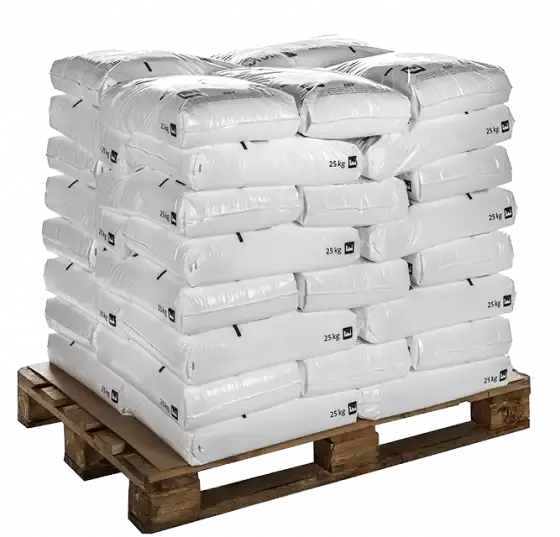
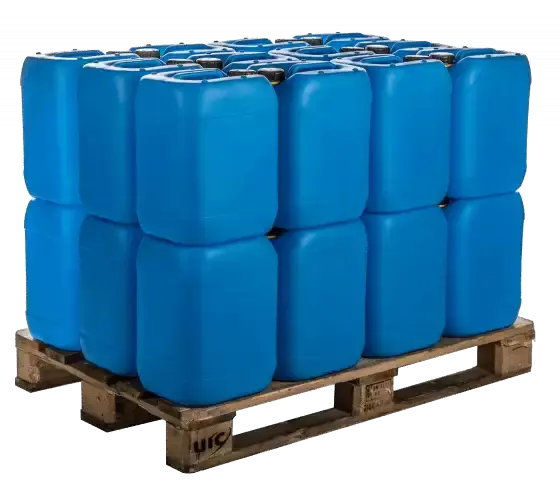
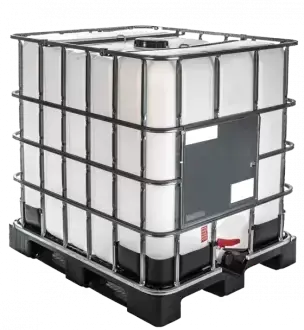
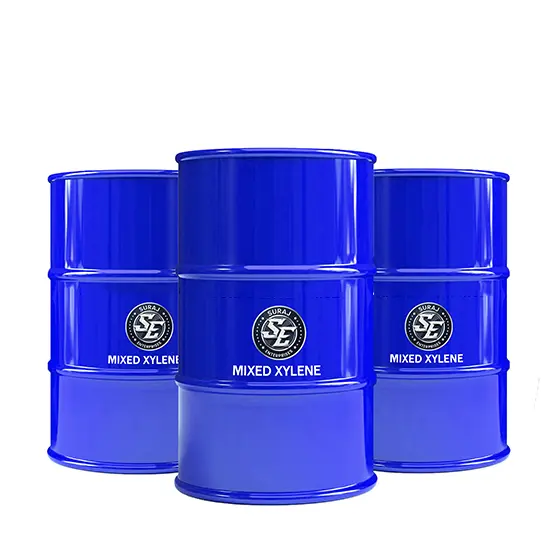
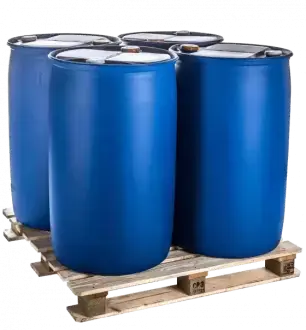
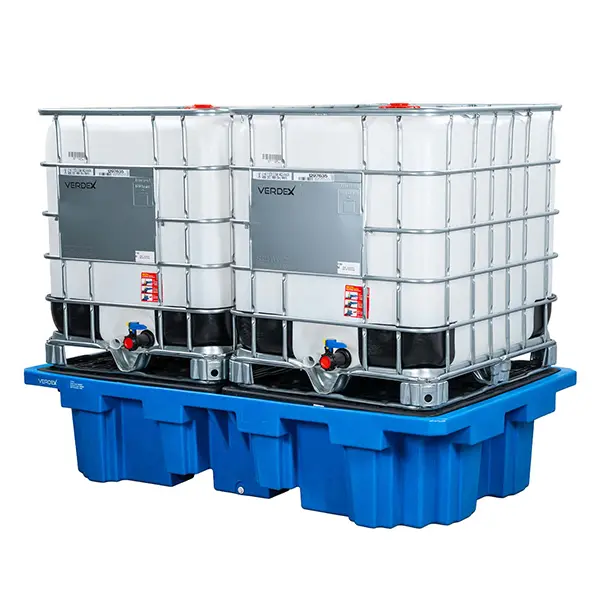
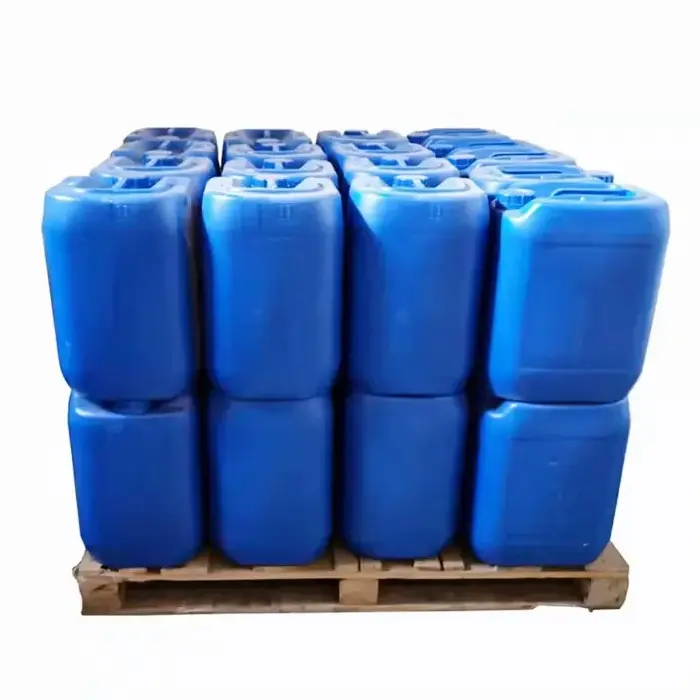
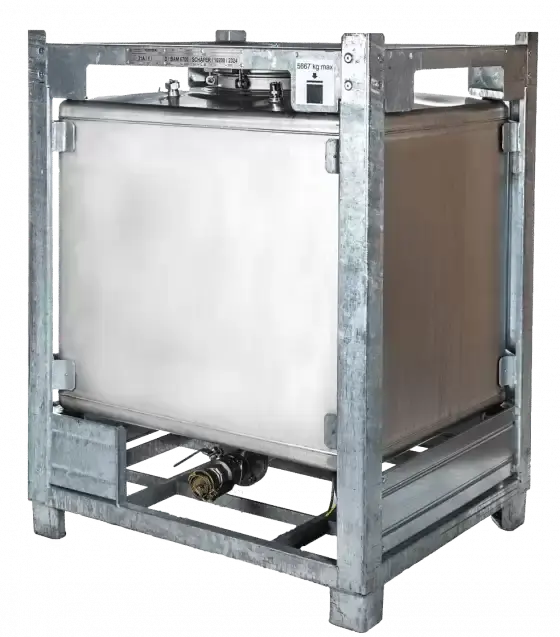
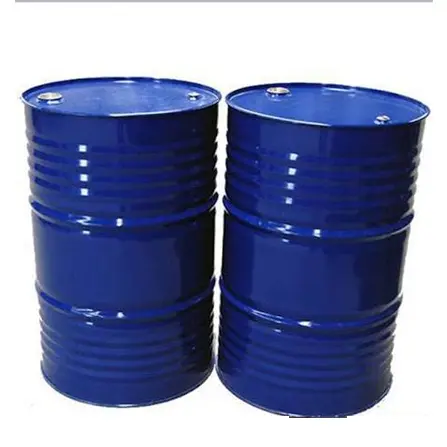
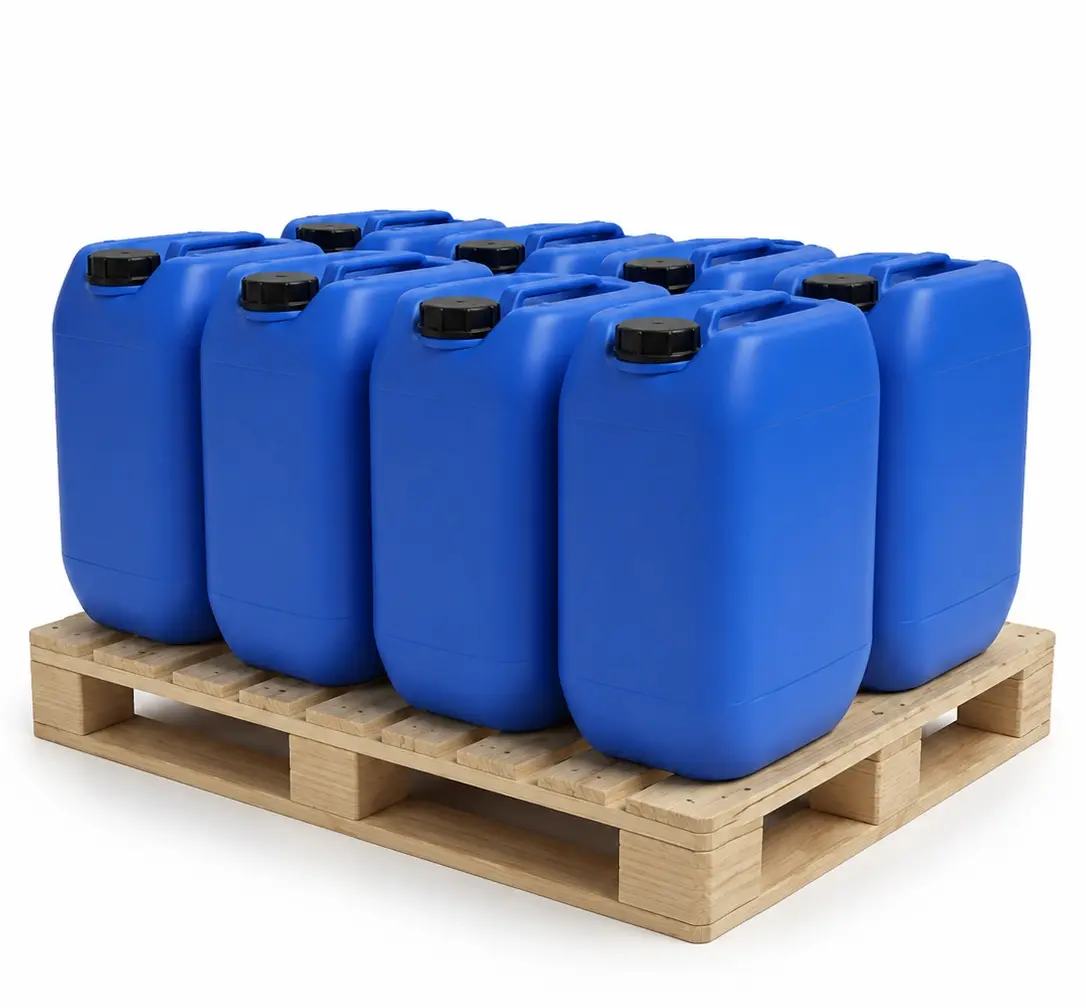
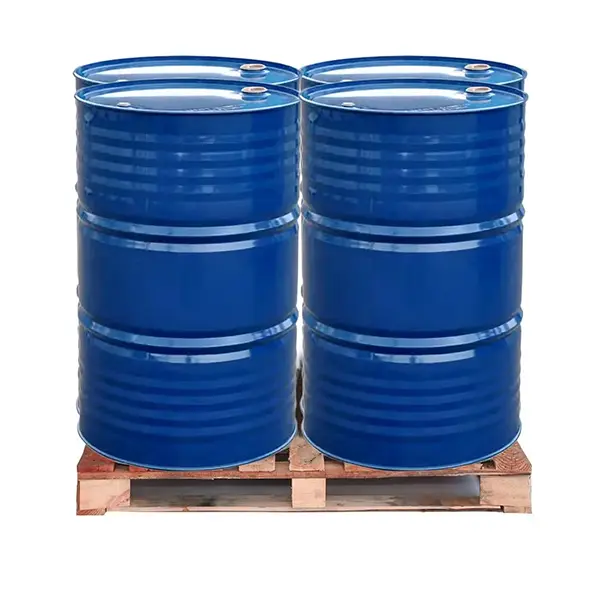
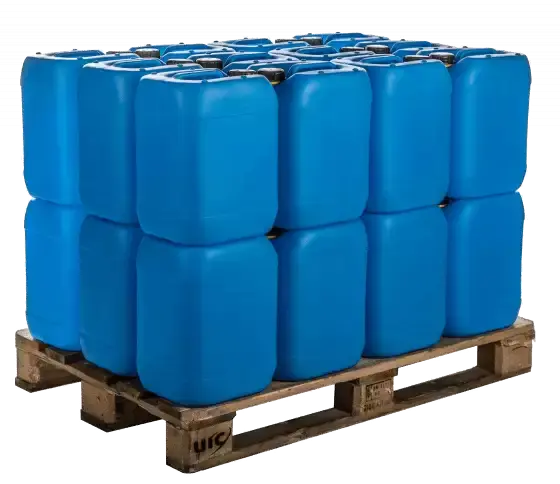
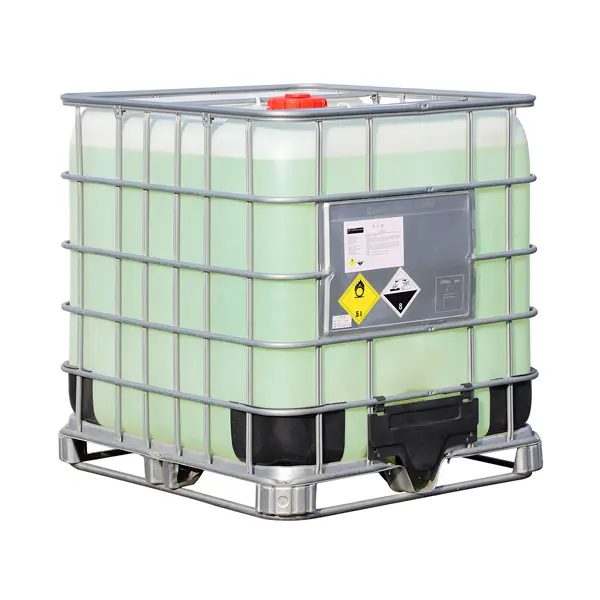
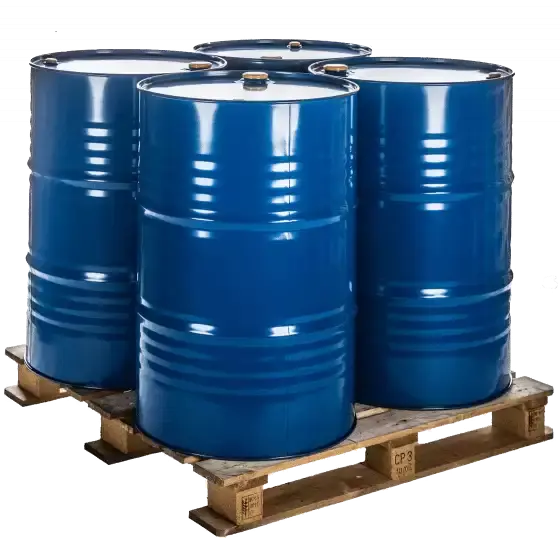
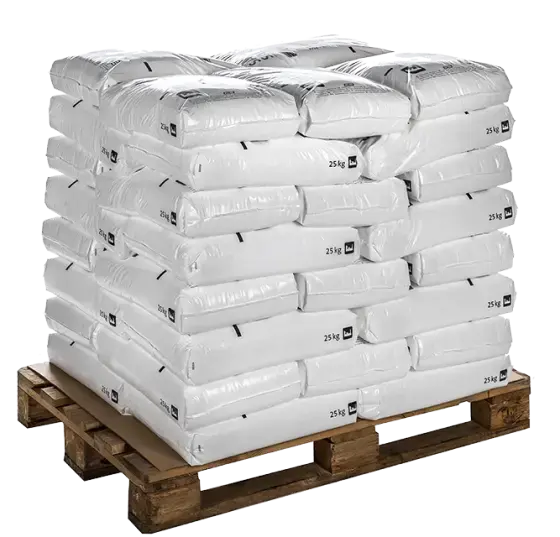
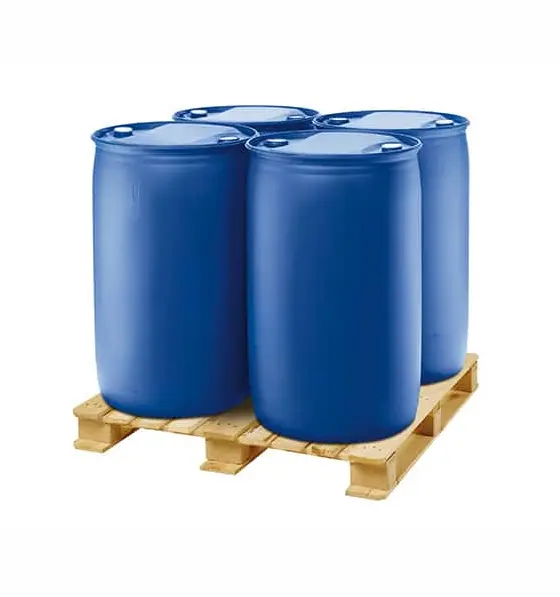
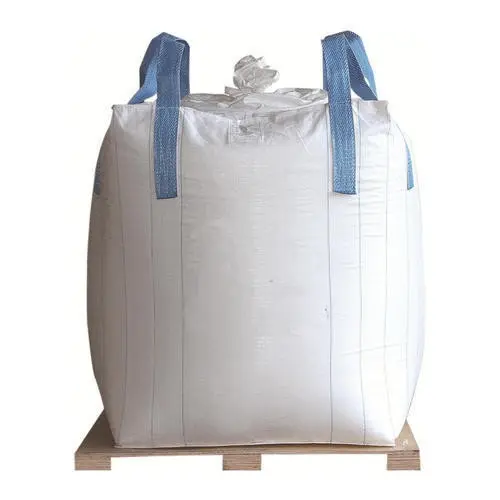
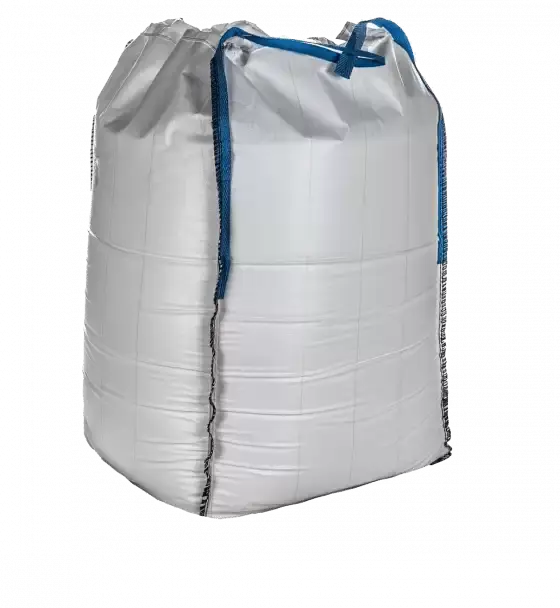
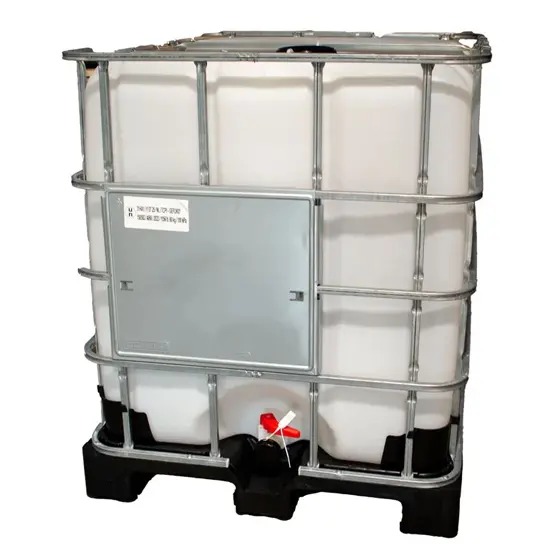
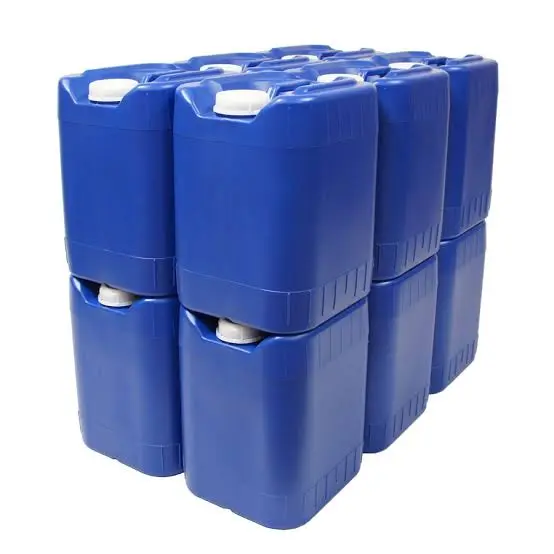
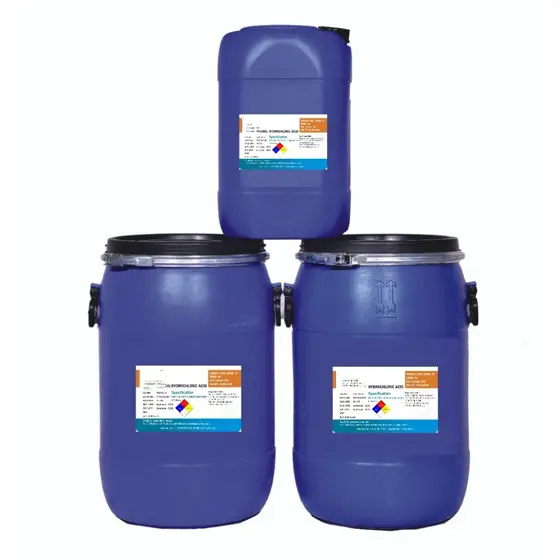
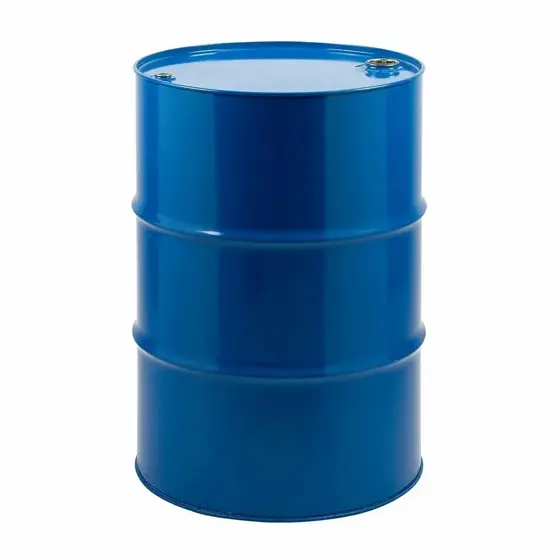
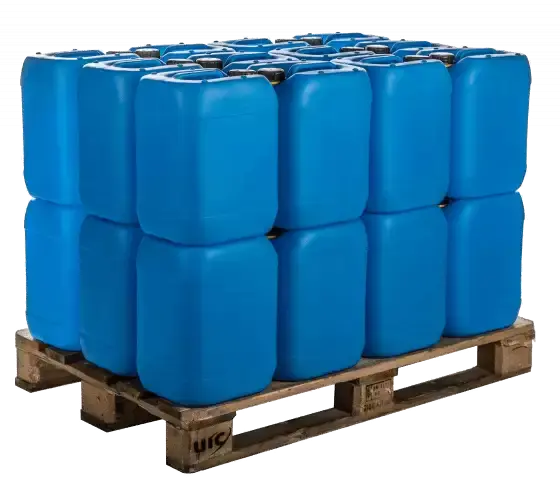
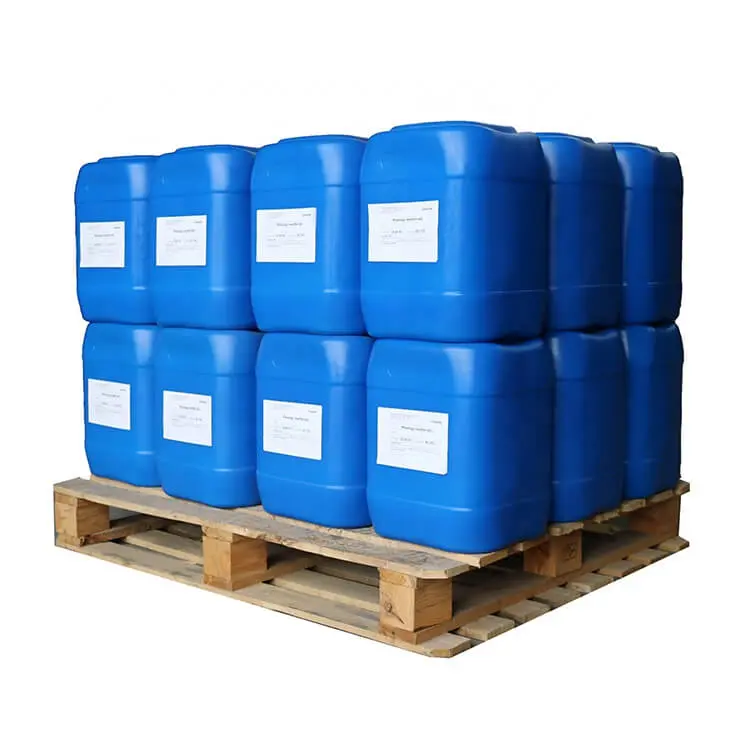
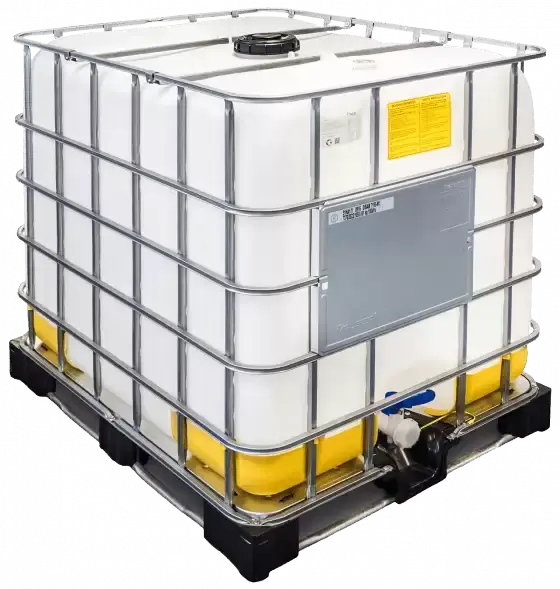
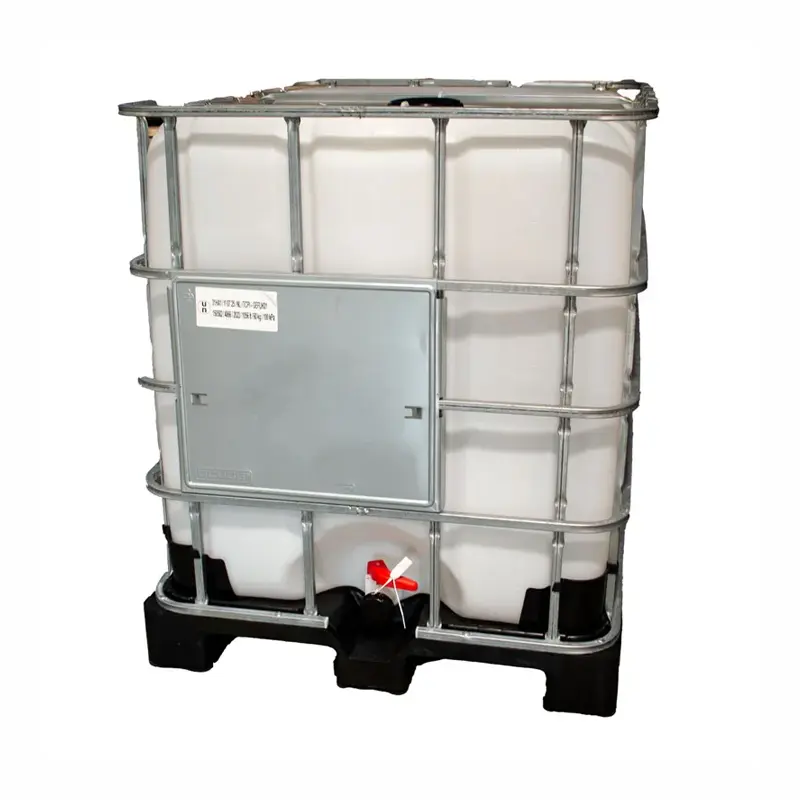
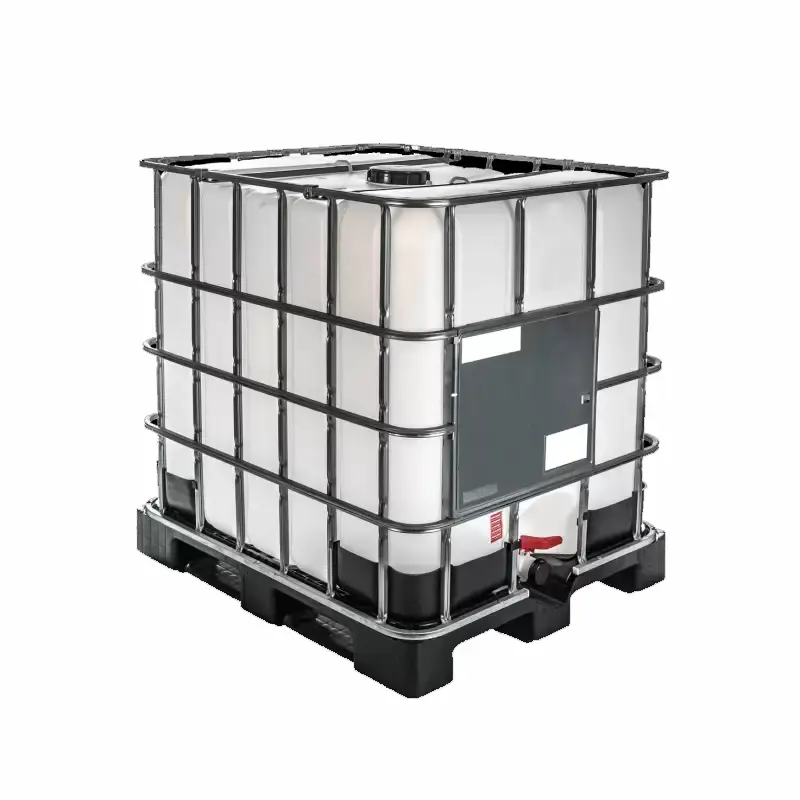
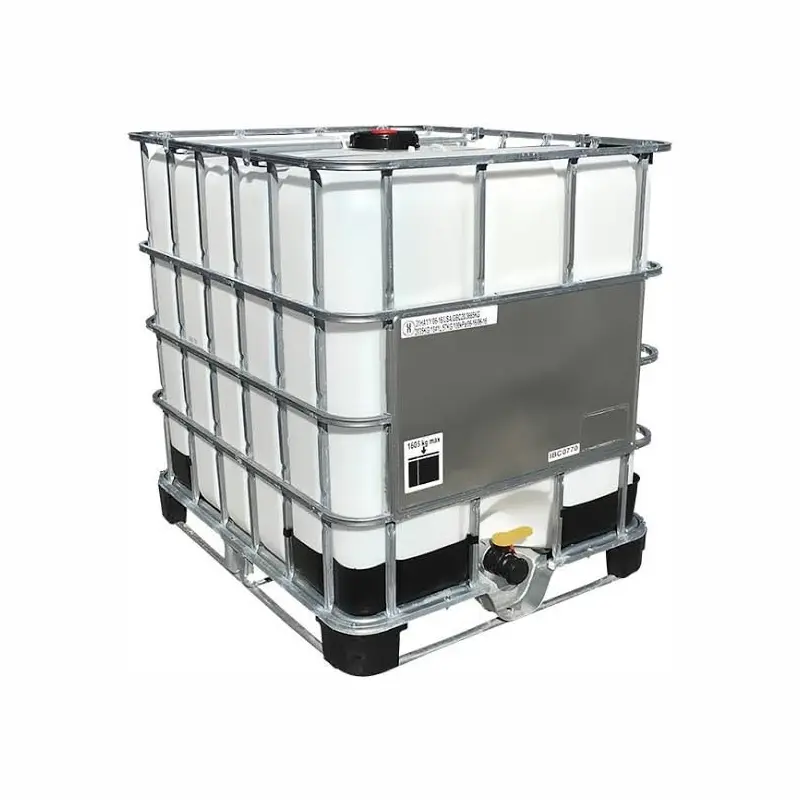
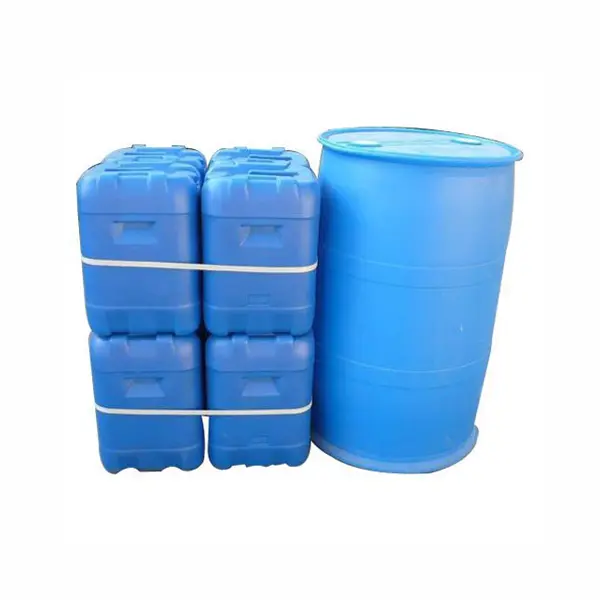
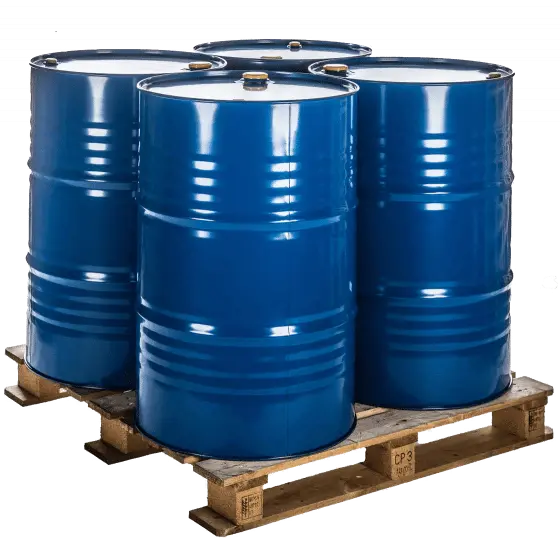
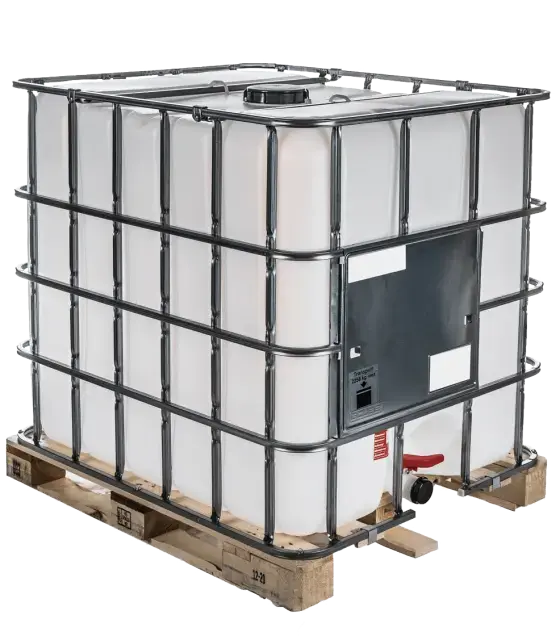
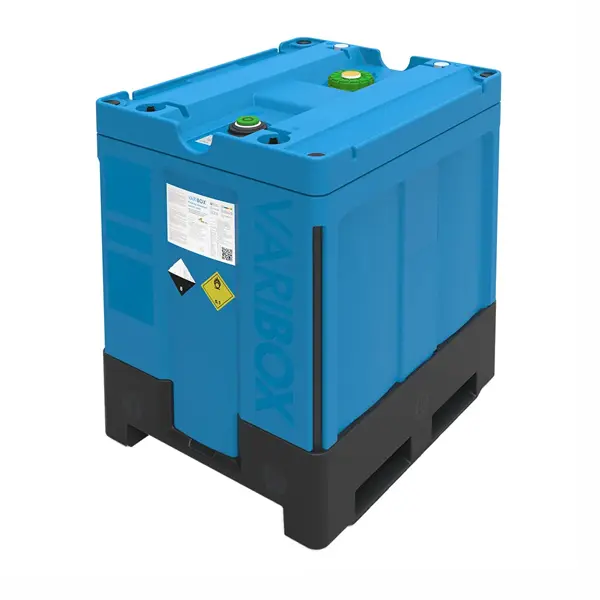
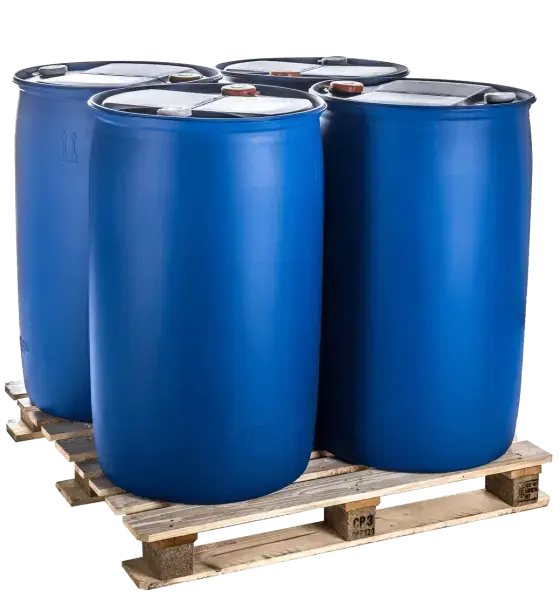
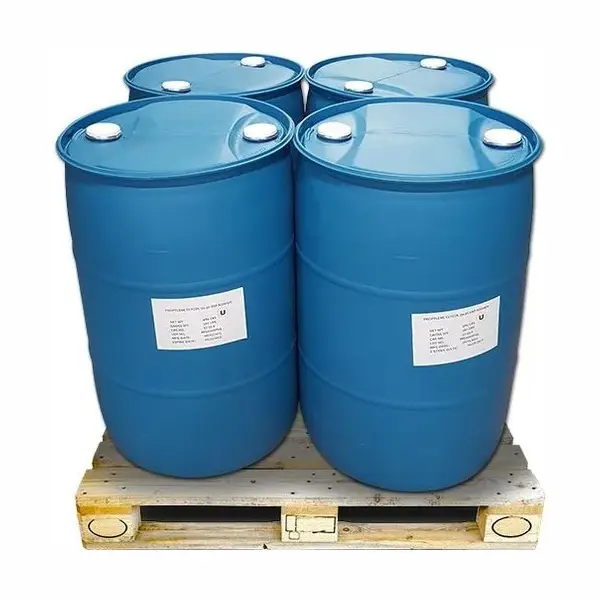
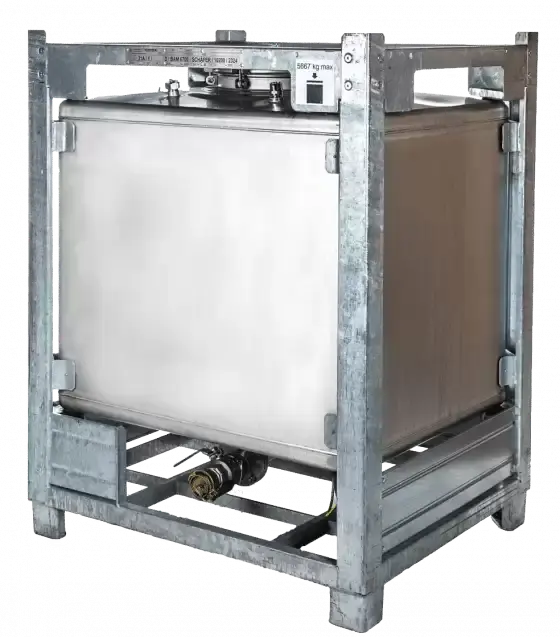
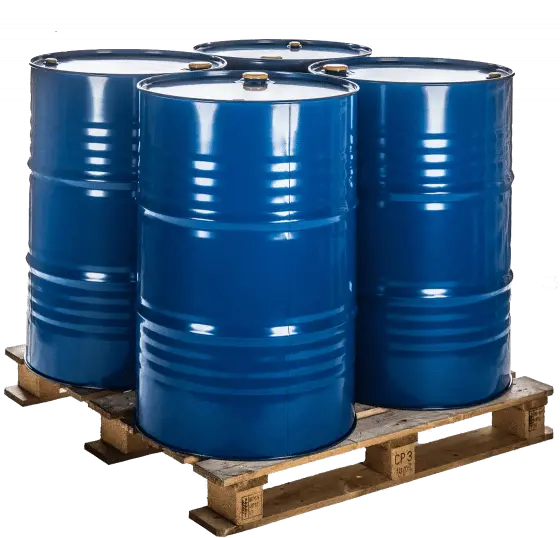
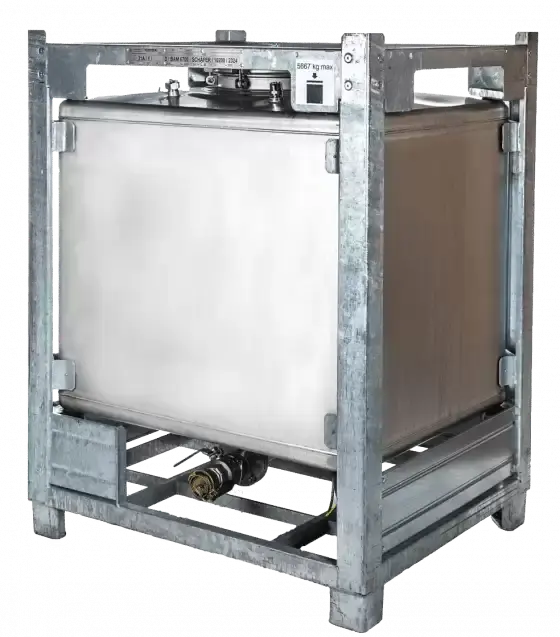
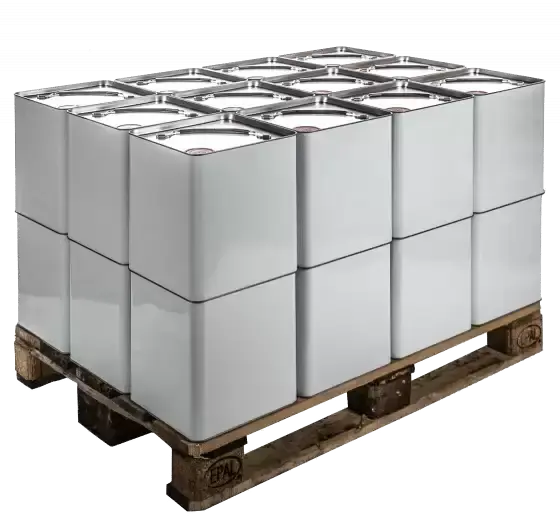
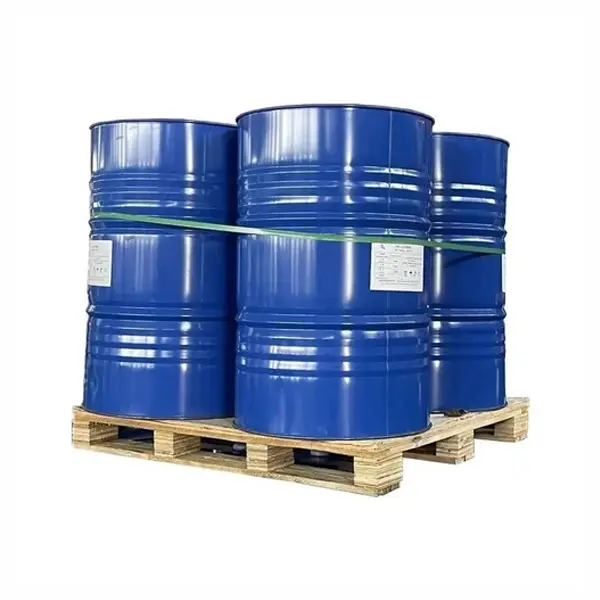
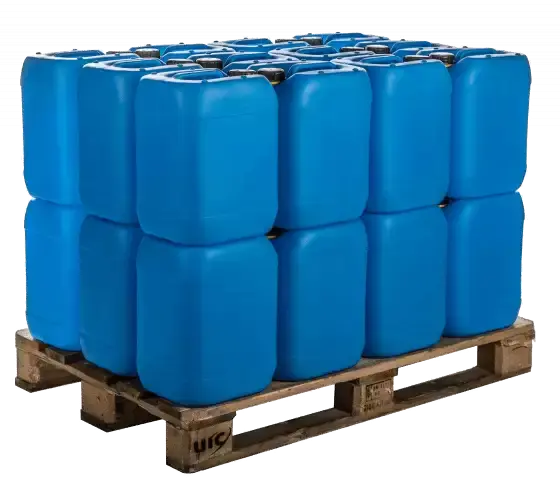
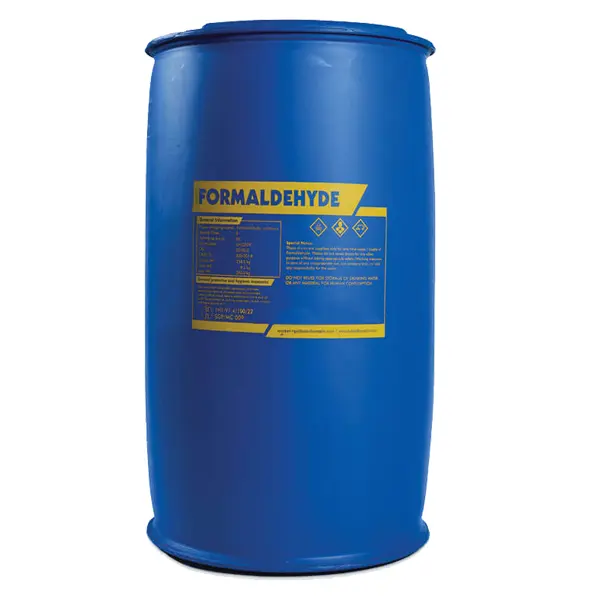
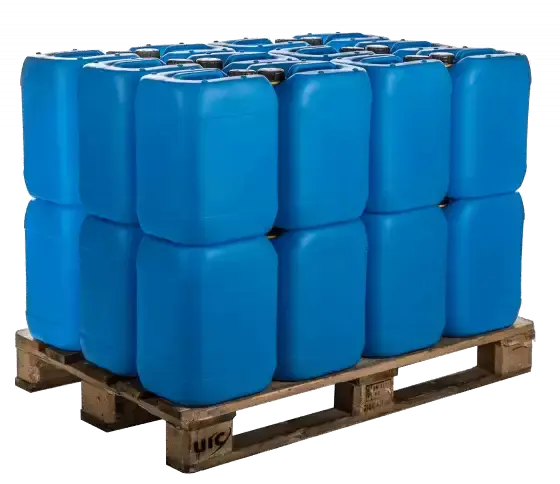
| Packaging | Compatible, tightly sealed containers or approved bulk supply |
Note: Physical properties are approximate typical values. Purity, water content, color, and other specifications depend on the commercial grade. Refer to the supplier's Technical Data Sheet (TDS), Certificate of Analysis (COA), and Safety Data Sheet (SDS) for verified details.
Storage and Handling
Monoethanolamine is corrosive and can cause severe skin burns and eye damage. Exposure may also irritate the respiratory tract. Appropriate precautions are necessary during storage, transfer, and use.
Handle the product in a well-ventilated area using suitable chemical-resistant gloves, protective clothing, and chemical splash goggles or face protection as indicated by the risk assessment and SDS. Avoid inhaling vapors or mist and prevent contact with skin and eyes. Use compatible equipment and containers, and ensure that personnel are trained in spill response and emergency procedures.
Store in tightly closed, clearly labeled containers in a cool, dry, well-ventilated area. Protect the product from contamination and keep it separated from incompatible substances, particularly strong oxidizing agents and materials identified in the SDS. Follow applicable requirements for transport, spill management, and disposal.
Quality and Supply
Monoethanolamine should be purchased from a reliable chemical supplier that can provide appropriate technical documentation. Before ordering, confirm the required purity, water content, intended application, packaging format, and delivery requirements.
For gas treatment and specialty formulations, verify that the selected grade meets process specifications and impurity limits. Review the COA for batch-specific quality parameters and the SDS for hazard information, protective equipment, and storage recommendations.
Conclusion
Monoethanolamine is a versatile industrial chemical used in gas purification, detergent manufacturing, pH adjustment, and the production of specialty chemicals. Its alkaline properties, water miscibility, and chemical reactivity make it valuable across several industrial sectors. Selecting the appropriate grade and following established handling, storage, and workplace safety procedures help support consistent product performance and responsible use. Contact a qualified chemical supplier to discuss availability, technical specifications, packaging options, and documentation for your application.