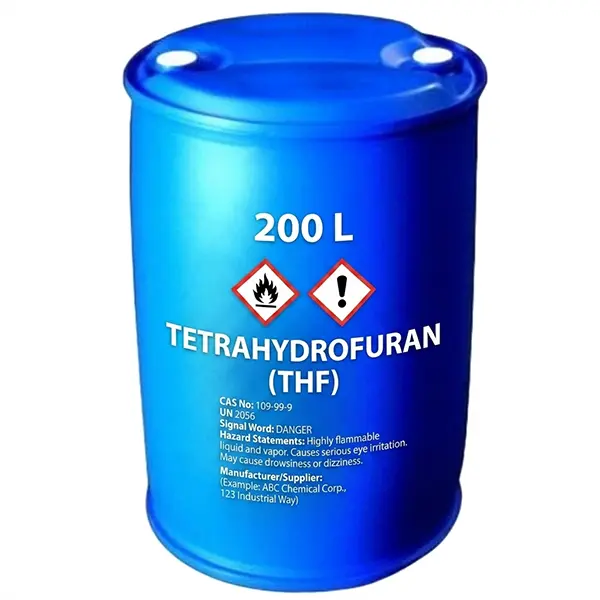
Tetrahydrofuran (THF) – High-Performance Industrial Solvent for Chemical Manufacturing
Tetrahydrofuran (THF) is a versatile organic solvent widely used in chemical manufacturing, pharmaceuticals, polymer production, adhesives, coatings, and various industrial applications. Known for its excellent solvency, low viscosity, and compatibility with a wide range of organic compounds, tetrahydrofuran plays an important role in modern chemical processing. Its ability to dissolve numerous polymers, resins, and chemical substances makes it a valuable raw material for manufacturers seeking efficient and reliable solvent solutions.
Tetrahydrofuran is particularly important in industrial processes requiring controlled chemical reactions, effective material dissolution, and consistent manufacturing performance. Its unique chemical properties make it a preferred solvent in selected pharmaceutical, polymer, and specialty chemical applications.
Key Properties and Characteristics of Tetrahydrofuran
Tetrahydrofuran has the chemical formula C₄H₈O and a molecular weight of approximately 72.11 g/mol. It is a clear, colorless, volatile liquid with an ether-like odor. THF belongs to the cyclic ether family and is classified as a polar aprotic solvent.
One of its most important characteristics is its miscibility with water and many organic solvents. It has a relatively low boiling point of approximately 66°C, allowing it to be removed from certain reaction mixtures through controlled evaporation or distillation.
THF also offers excellent solvency for numerous organic compounds and polymers. However, it is highly flammable and can form hazardous peroxides during storage when exposed to oxygen, making proper handling and storage essential.
Applications of Tetrahydrofuran in the Pharmaceutical Industry
Tetrahydrofuran is widely used as a reaction solvent in pharmaceutical manufacturing and chemical synthesis. Its ability to dissolve a broad range of organic substances makes it suitable for selected reactions involving active pharmaceutical ingredients and chemical intermediates.
THF is particularly useful in processes involving organometallic reagents, including certain Grignard reactions, where its solvent properties support chemical reactivity.
Pharmaceutical manufacturers must control residual solvent levels and follow applicable quality, safety, and regulatory requirements.
Tetrahydrofuran in Polymer and Plastic Manufacturing
Tetrahydrofuran plays an important role in the polymer industry as both a solvent and a chemical intermediate. It is used in the production of polytetramethylene ether glycol (PTMEG), which serves as a raw material for manufacturing spandex fibers, polyurethane elastomers, and other specialized polymer products.
THF is also used to dissolve certain polymer materials, including compatible resins and plastics, making it useful in selected polymer-processing and formulation applications.
Its solvent properties support efficient material processing and consistent product characteristics when used under appropriate manufacturing conditions.
Applications in Adhesives, Paints and Coatings
In the adhesives and coatings industry, tetrahydrofuran is used as a solvent for compatible polymers, resins, and specialty formulations. Its strong solvency and relatively rapid evaporation can support coating application, adhesive formulation, and processing efficiency.
THF is also used in certain solvent-based bonding applications involving compatible plastic materials. The suitability of tetrahydrofuran depends on the specific polymer, substrate, formulation, and application requirements.
Manufacturers should consider its flammability, evaporation rate, and occupational exposure risks when selecting THF for industrial formulations.
Benefits of Tetrahydrofuran in Industrial Applications
Tetrahydrofuran offers several functional advantages that make it valuable in chemical manufacturing and industrial processing.
-
Excellent Solvent Properties: Effectively dissolves many organic compounds, polymers, and resins.
-
High Chemical Versatility: Suitable for numerous chemical synthesis and manufacturing processes.
-
Water Miscibility: Mixes readily with water and many organic solvents.
-
Efficient Processing: Its relatively low boiling point supports solvent removal in appropriate processes.
-
Polymer Compatibility: Useful in selected polymer processing, adhesives, and coating formulations.
-
Chemical Intermediate: An important raw material in PTMEG production and related polymer manufacturing.
These characteristics make tetrahydrofuran an important solvent for manufacturers requiring reliable chemical performance.
Quality Standards and Product Specifications
Selecting high-quality tetrahydrofuran is essential for maintaining consistent industrial performance. Important quality parameters include purity, water content, appearance, acidity, peroxide content, and other application-specific impurities.
Different industries may require specific grades, including industrial-grade, laboratory-grade, and grades suitable for pharmaceutical manufacturing processes.
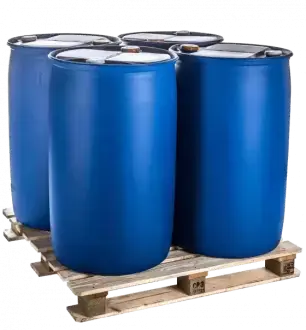
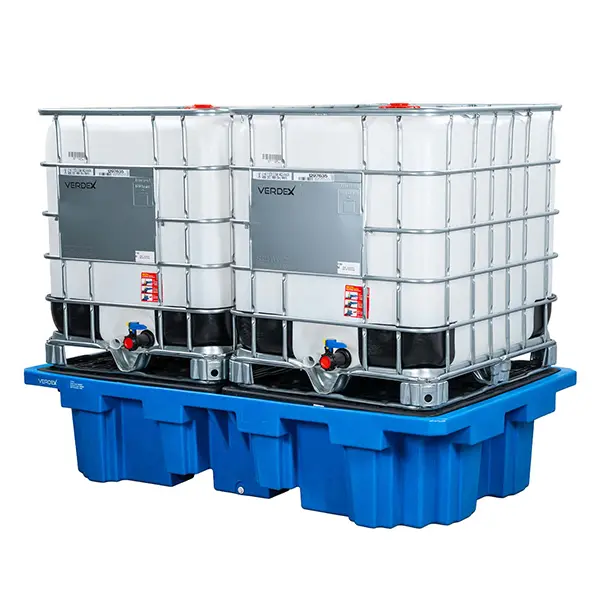
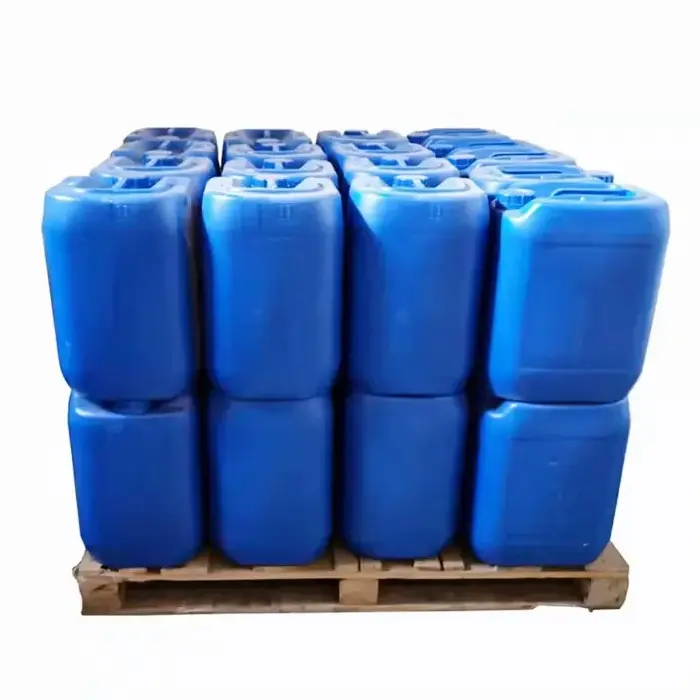
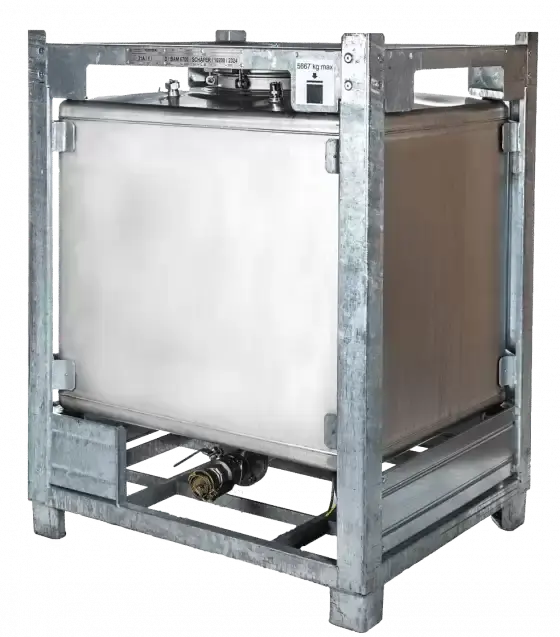
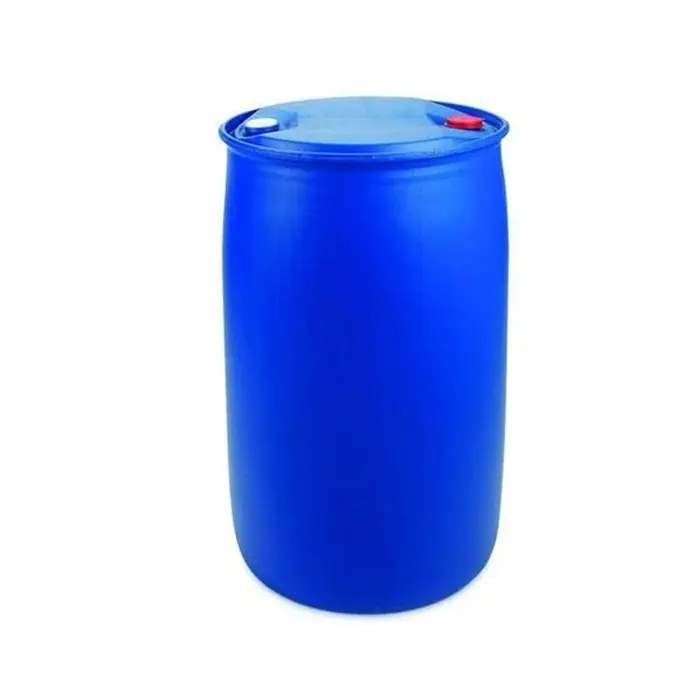
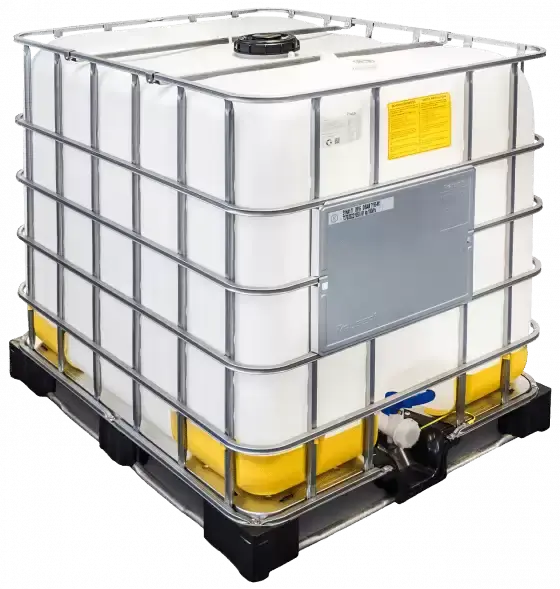
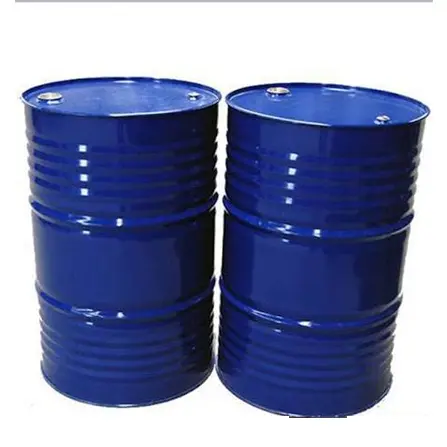
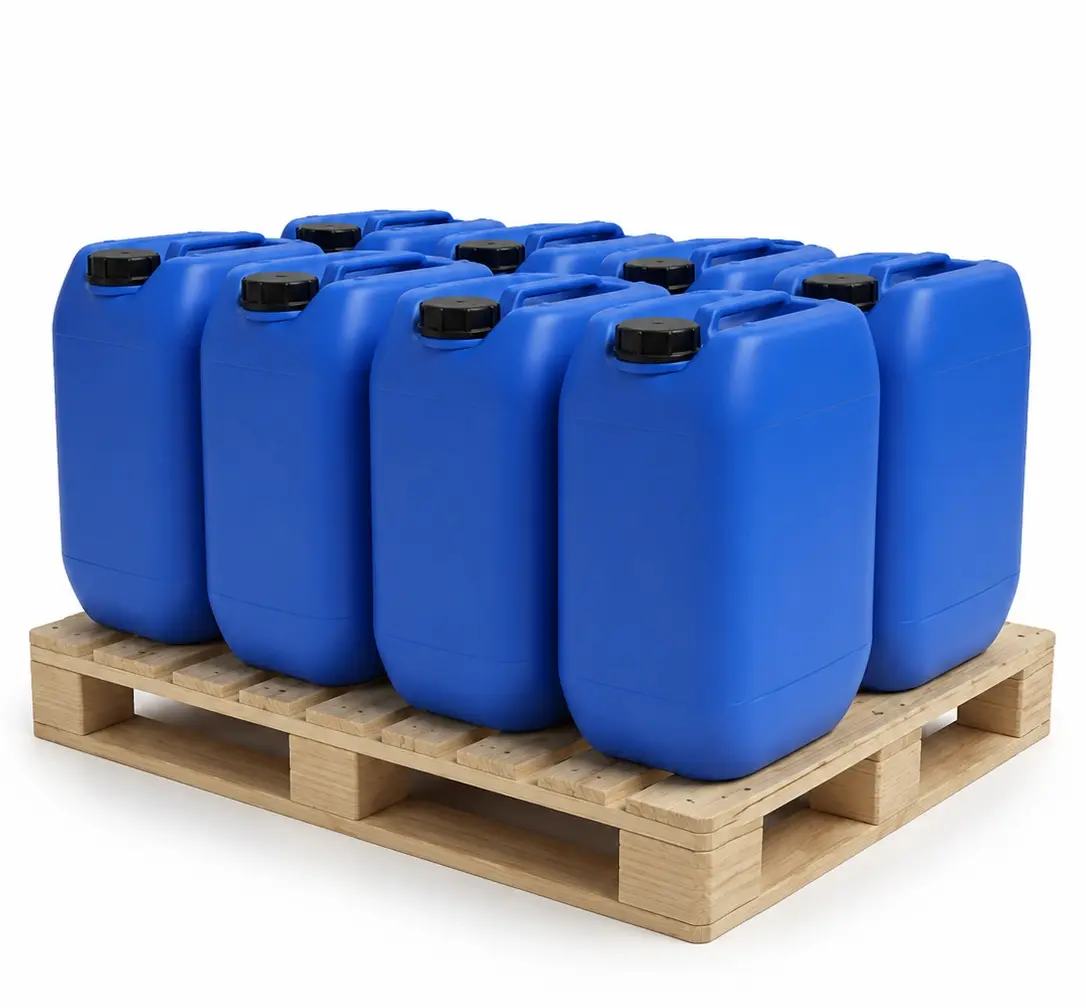
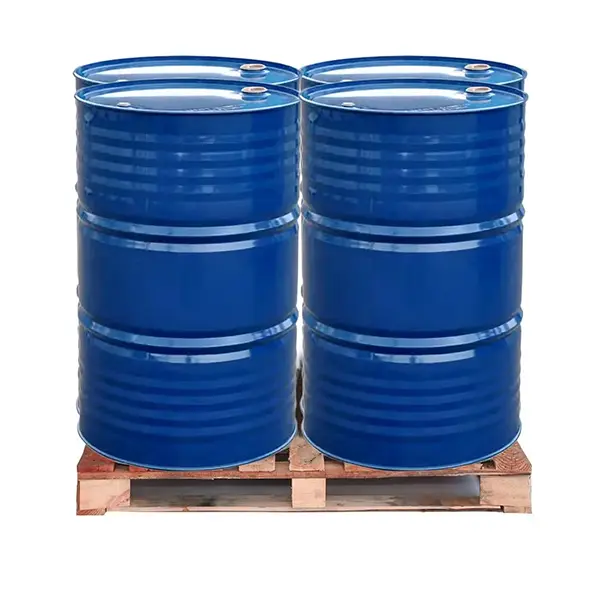
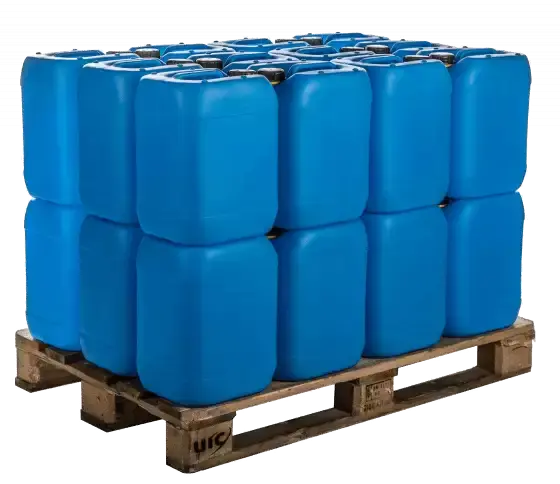
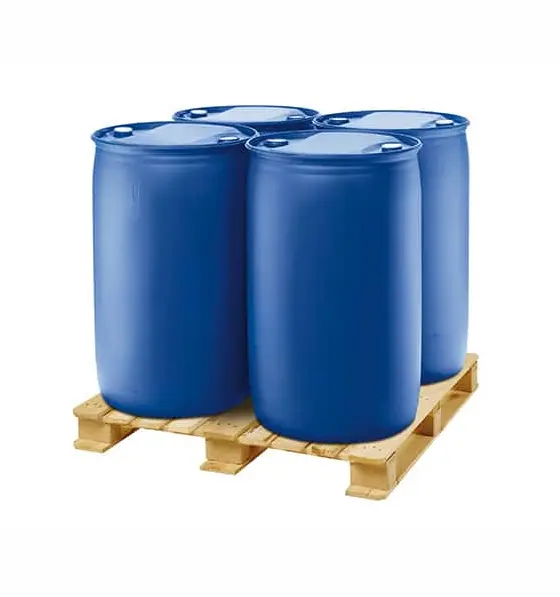
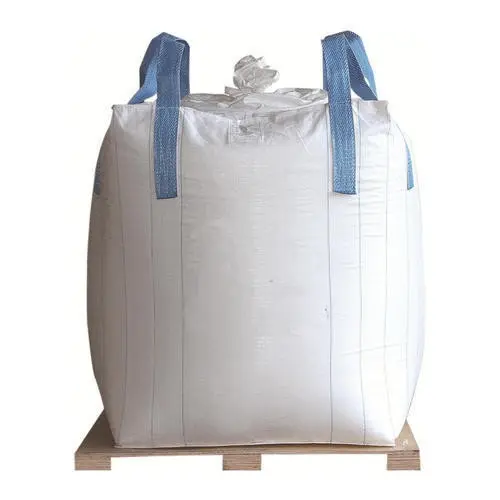
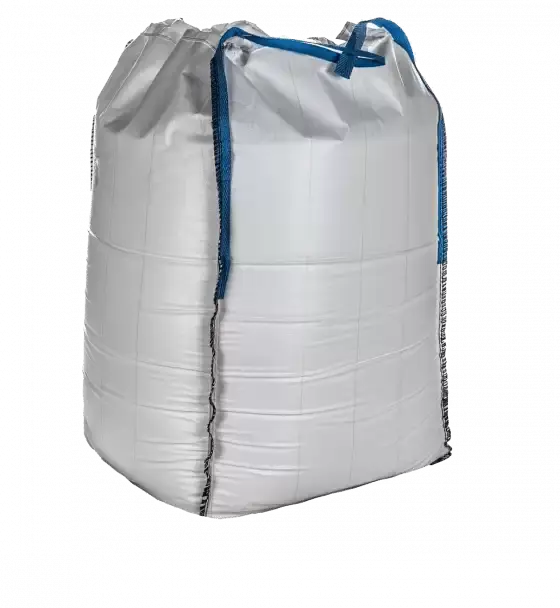
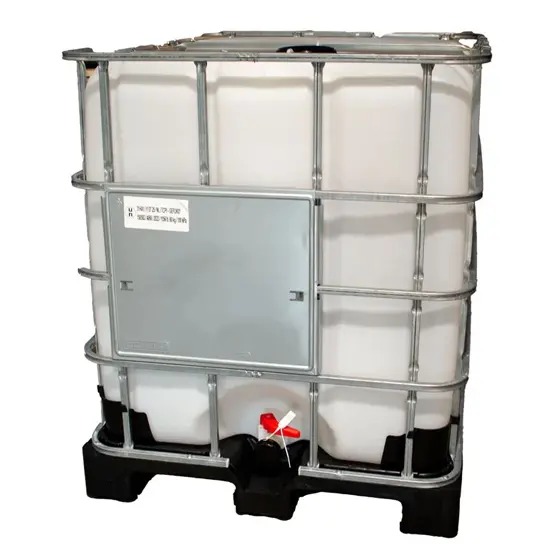
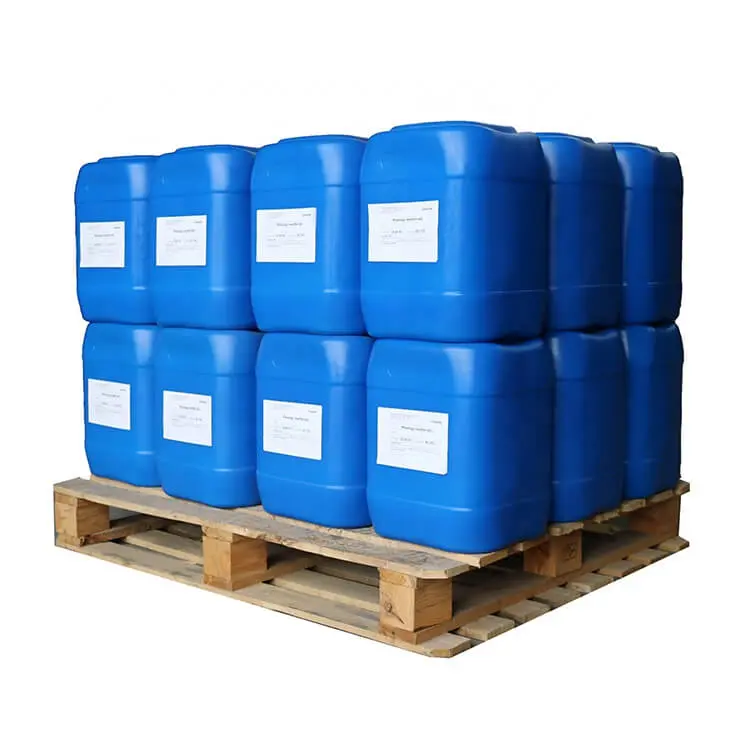
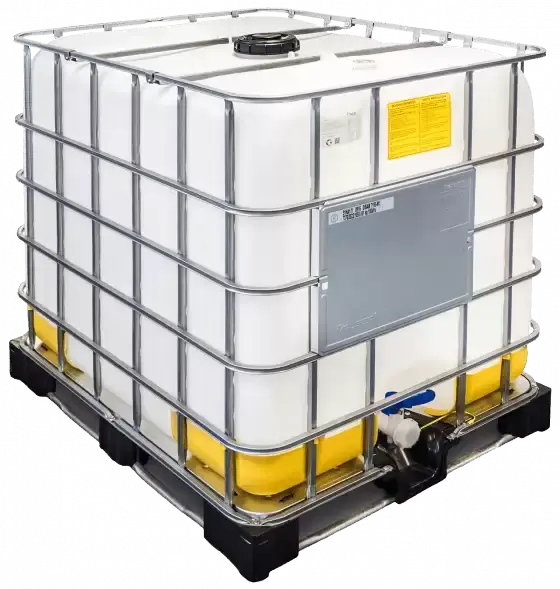
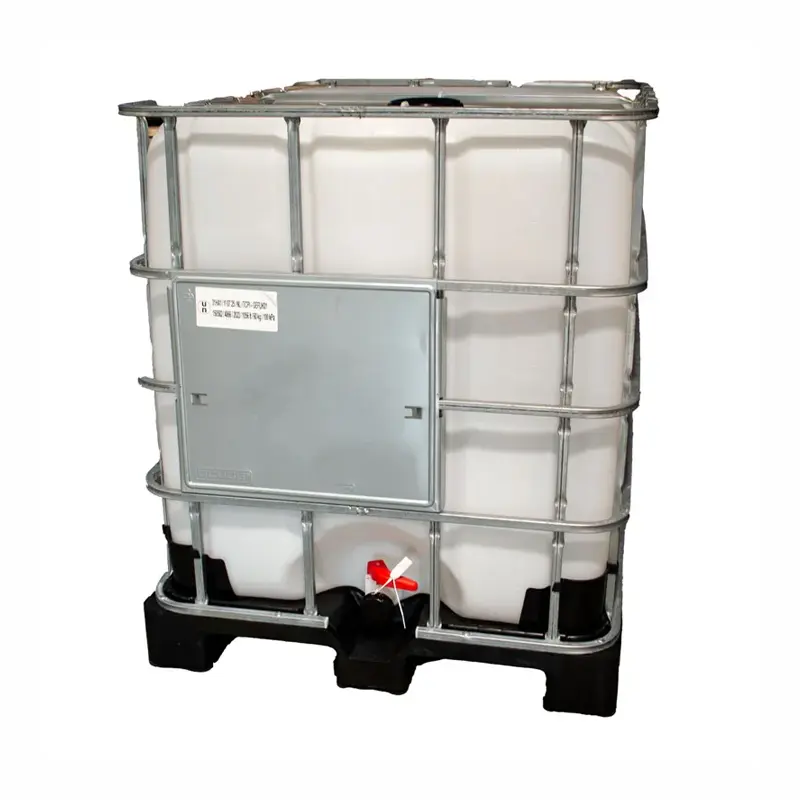
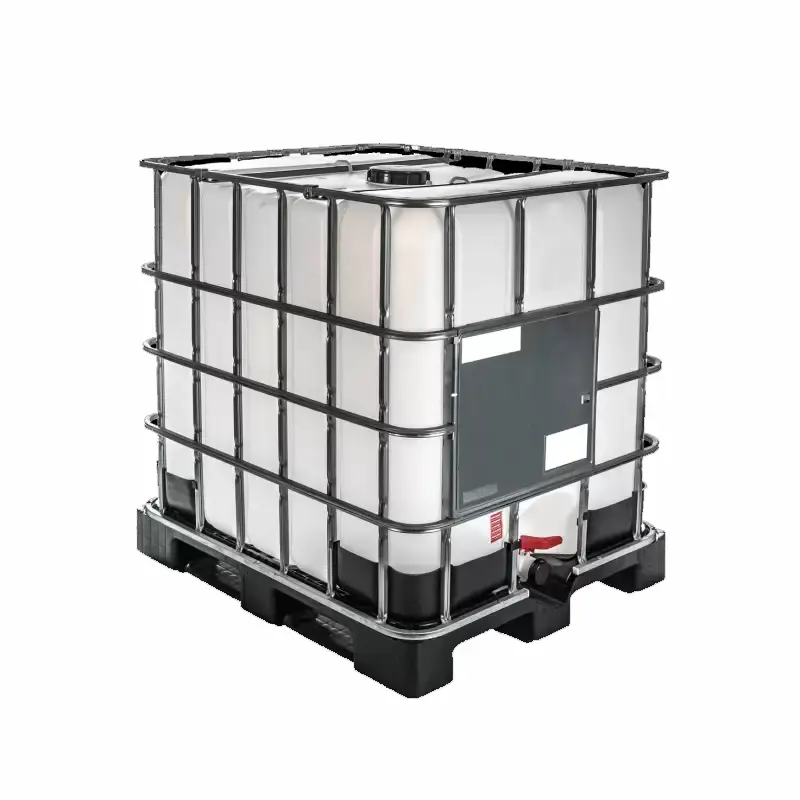
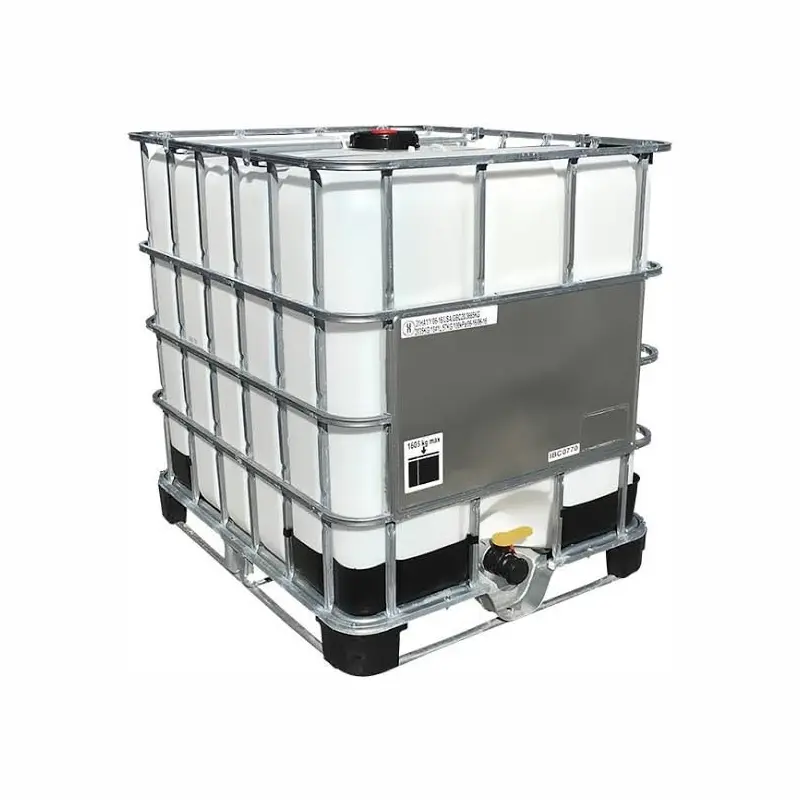
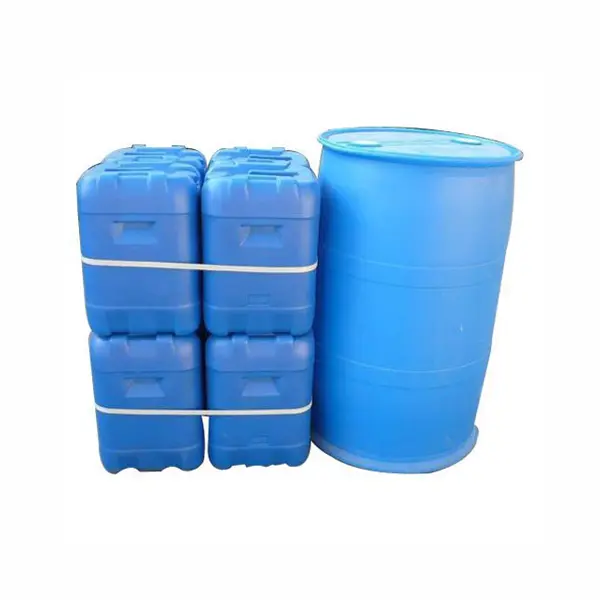
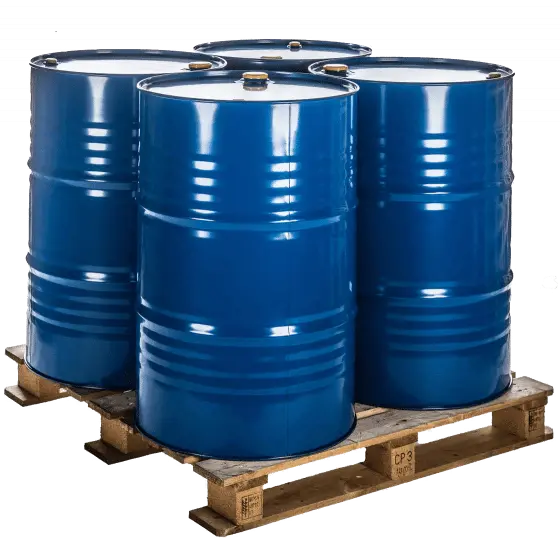
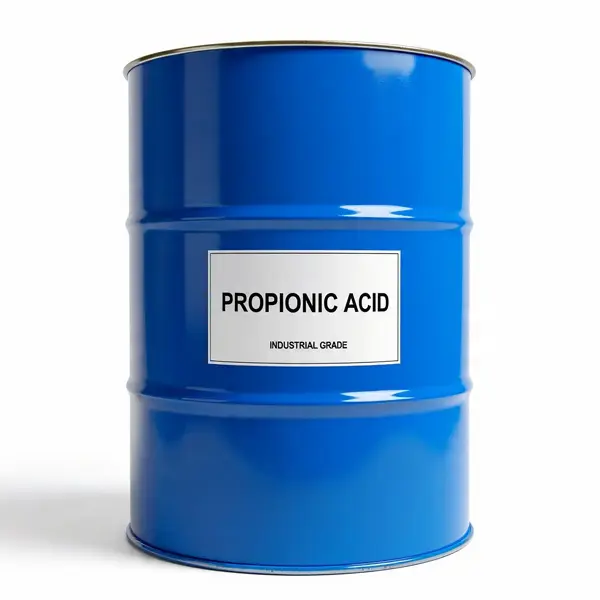
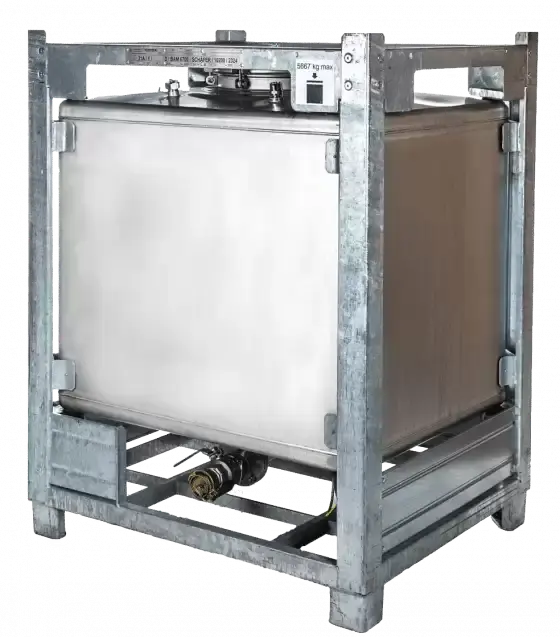
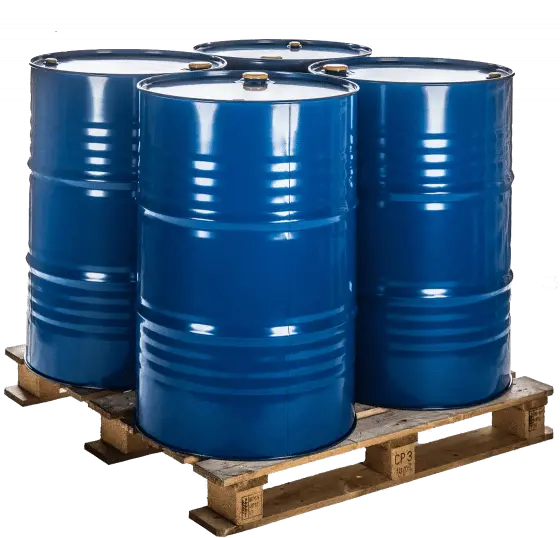
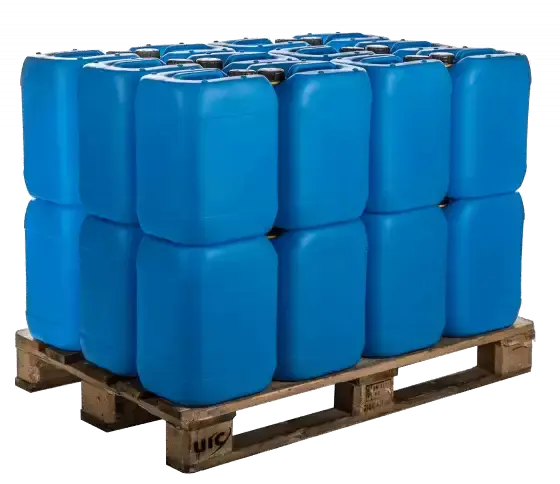
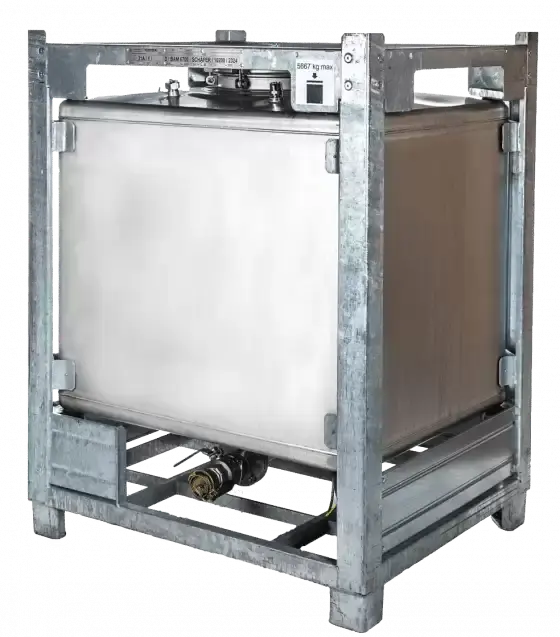
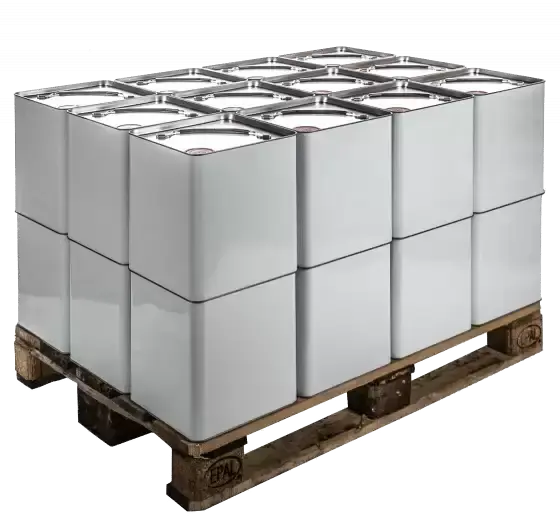
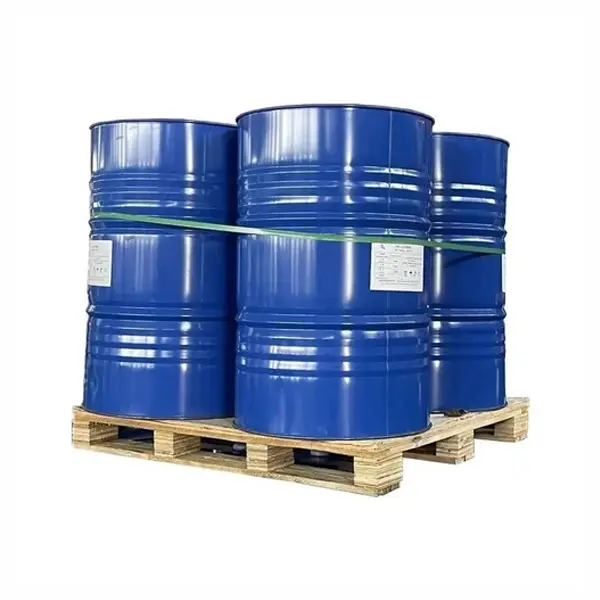
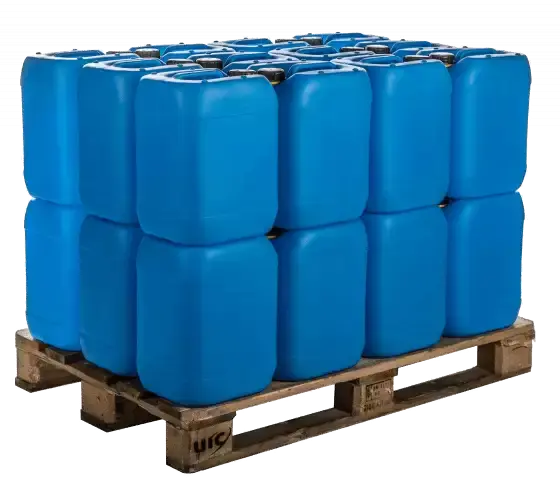
Proper storage is particularly important because tetrahydrofuran is highly flammable and may form explosive peroxides over time. It should be stored in suitable containers, away from heat and ignition sources, with appropriate peroxide monitoring and stabilizer controls where required.
Manufacturers and industrial users should follow the product's safety data sheet and applicable occupational, environmental, and transportation regulations.
Reliable Tetrahydrofuran Solutions for Industrial Needs
Tetrahydrofuran continues to be an essential chemical in modern manufacturing due to its excellent solvent performance, chemical versatility, and broad industrial applications. From pharmaceutical synthesis and polymer production to adhesives, coatings, and specialty chemical manufacturing, THF supports a wide range of industrial processes.
Choosing the appropriate tetrahydrofuran grade and maintaining consistent quality standards helps manufacturers achieve reliable processing results and meet technical requirements.
With its valuable chemical properties and diverse industrial uses, tetrahydrofuran remains an important raw material for chemical manufacturers, industrial suppliers, and businesses seeking high-performance solvent solutions.