Nickel Chloride – Industrial Nickel Salt for Electroplating and Chemical Processing
Introduction
Nickel Chloride is an inorganic nickel compound widely used in electroplating, metal surface treatment, chemical manufacturing, and laboratory applications. Its anhydrous chemical formula is NiCl₂, while commercially available hydrated forms, particularly Nickel Chloride Hexahydrate, have the formula NiCl₂·6H₂O. The appearance and physical properties depend on the specific form supplied.
Nickel Chloride serves as a source of nickel ions in industrial solutions and chemical processes. Selecting the correct hydration form, purity, and grade is essential for meeting application-specific requirements.
Industrial Applications
- Electroplating: Used in nickel-plating baths to support nickel deposition and help maintain suitable bath chemistry.
- Metal Surface Treatment: Applied in selected metal-finishing processes and surface-treatment formulations.
- Chemical Manufacturing: Used as a raw material for preparing other nickel compounds and specialty chemicals.
- Catalyst Preparation: Serves as a nickel source in the preparation of certain catalysts and catalyst precursors.
- Laboratory Research: Used in analytical chemistry and controlled research involving nickel compounds.
- Industrial Formulations: Used in selected processes that require a soluble nickel salt, subject to grade and compatibility requirements.
Key Benefits
- Provides a source of nickel ions for industrial chemical processes.
- Suitable for preparing aqueous solutions when the supplied grade is water-soluble.
- Supports nickel electroplating and selected metal-finishing applications.
- Available in different hydration forms and commercial grades.
- Useful as a raw material for producing other nickel-containing compounds.
- Can be selected according to process requirements and supplier quality specifications.
Product Specifications
| Specification | Details |
|---|---|
| Product Name | Nickel Chloride |
| Chemical Formula | NiCl₂ (anhydrous) |
| Hydrated Form | NiCl₂·6H₂O (hexahydrate) |
| CAS Number | 7718-54-9 (anhydrous); 7791-20-0 (hexahydrate) |
| Molecular Weight | 129.60 g/mol (anhydrous); 237.69 g/mol (hexahydrate) |
| Appearance | Typically yellow-brown to yellow for anhydrous material; green crystalline solid for hexahydrate |
| Solubility | Soluble in water; properties depend on the form supplied |
| Chemical Classification | Inorganic nickel salt |
| Primary Function | Source of nickel ions |
| Main Applications | Electroplating, chemical manufacturing, catalyst preparation, laboratory use |
| Purity | Grade-dependent |
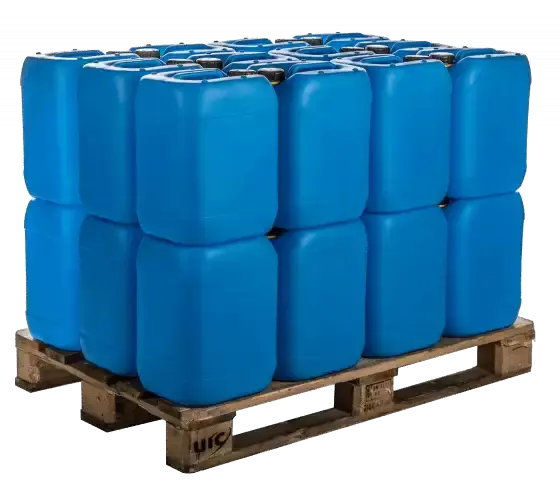
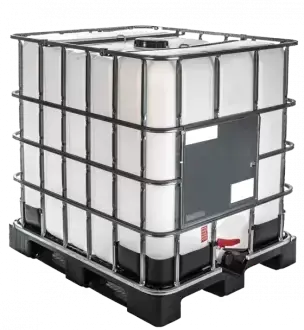
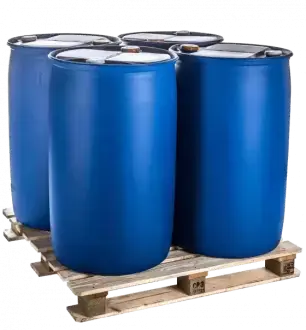
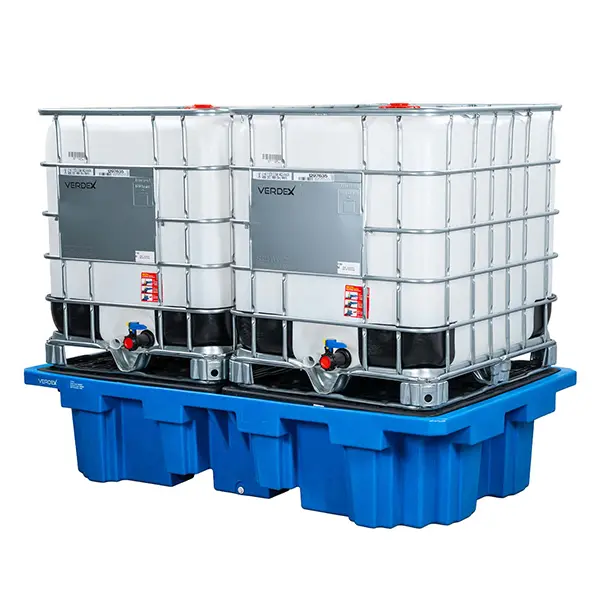
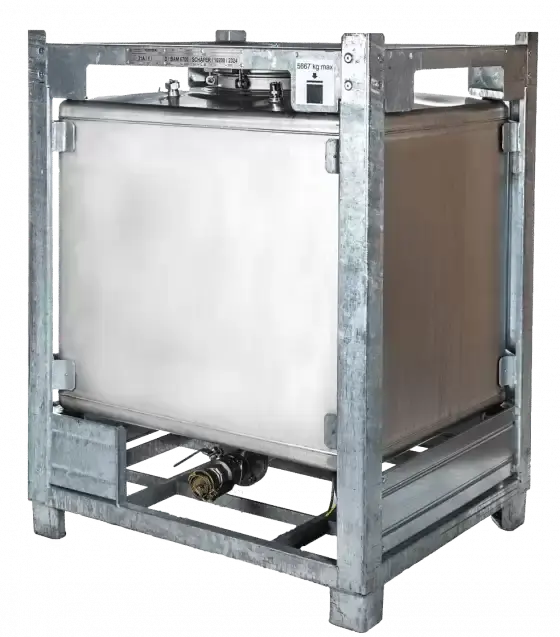
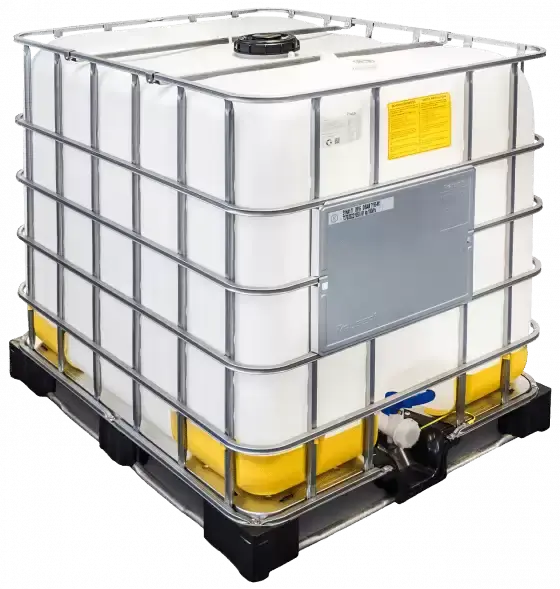
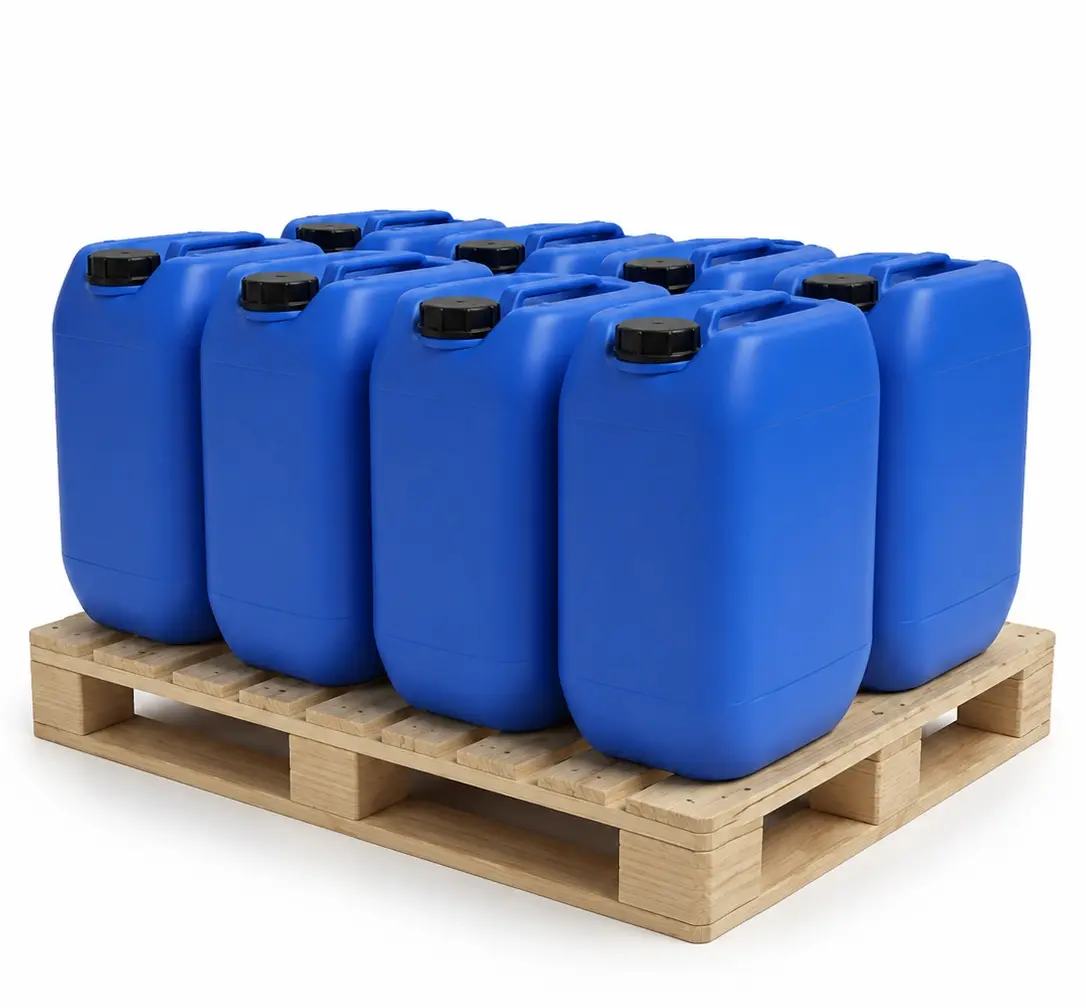
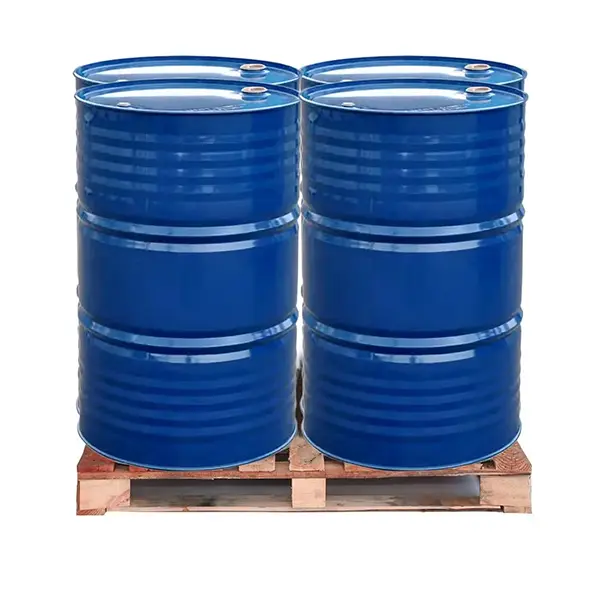
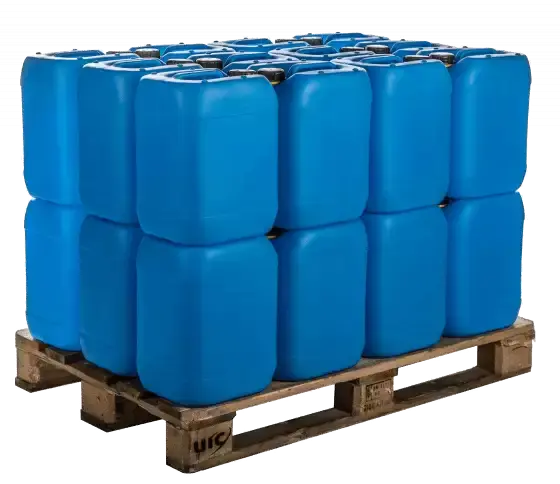
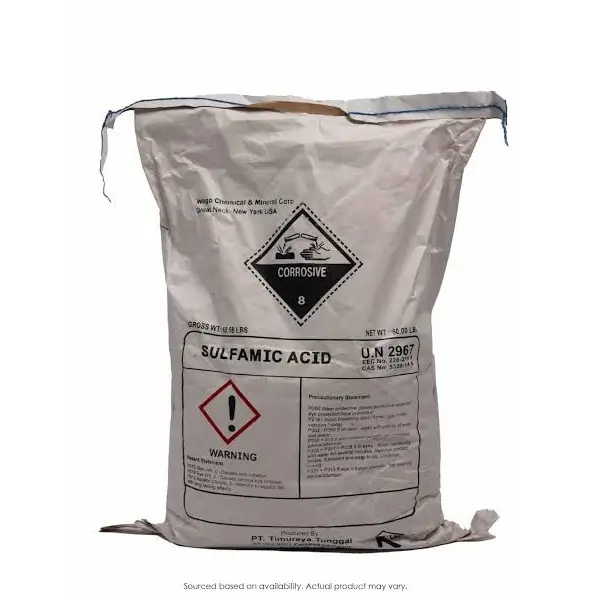
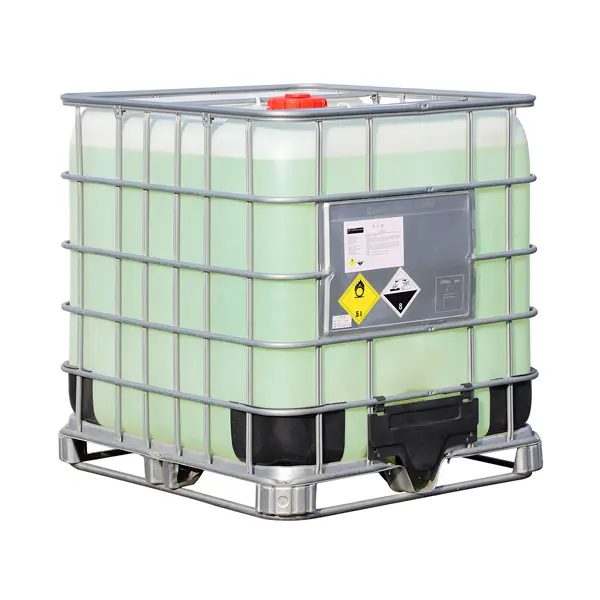
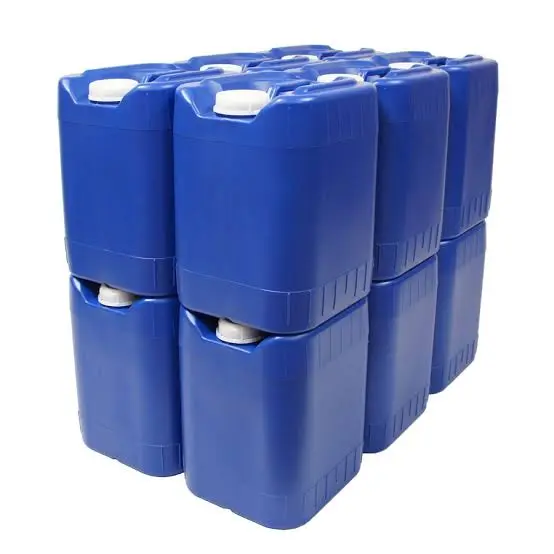
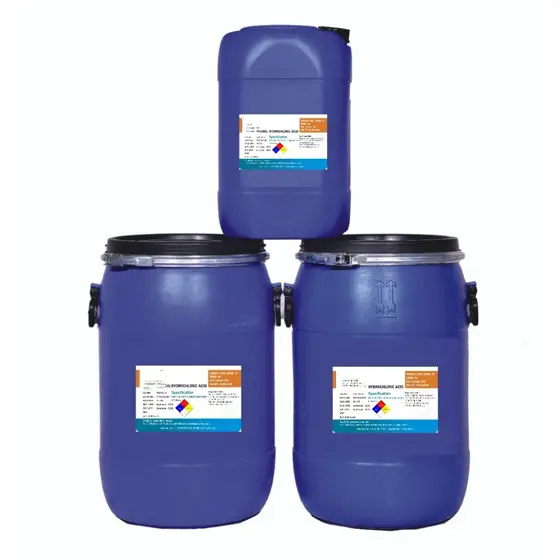
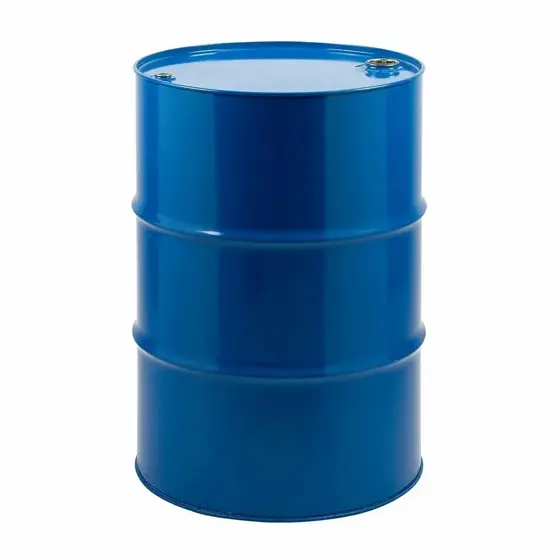
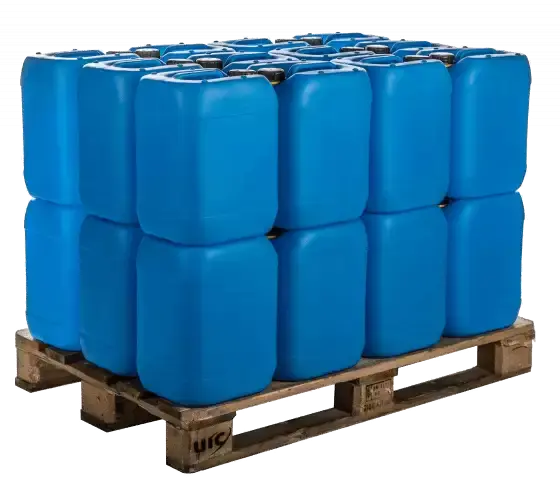
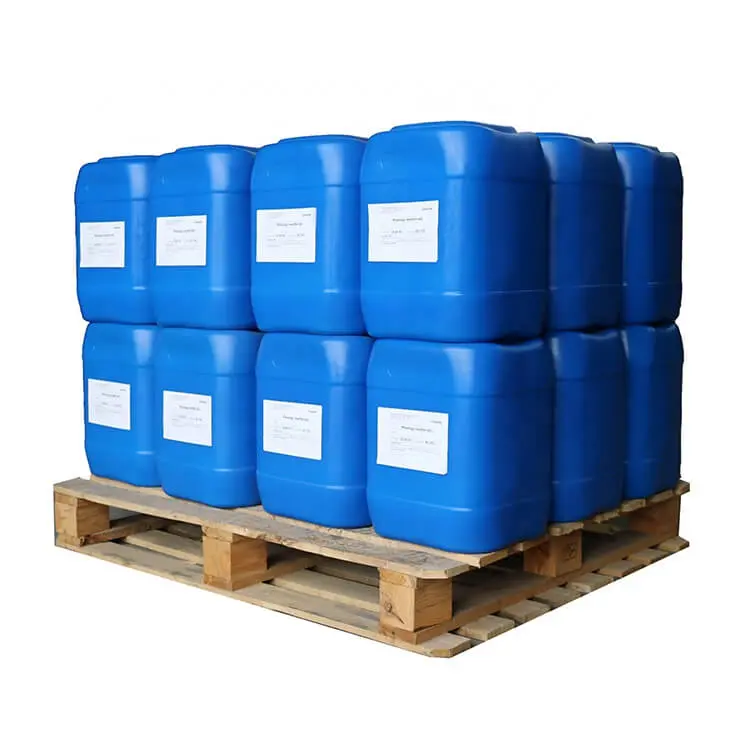
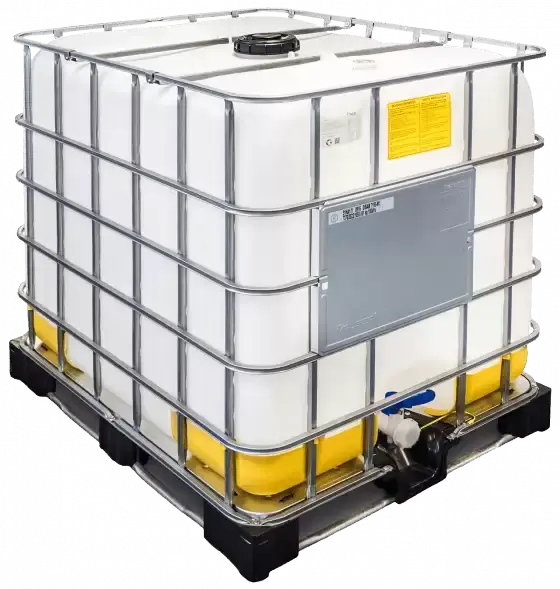
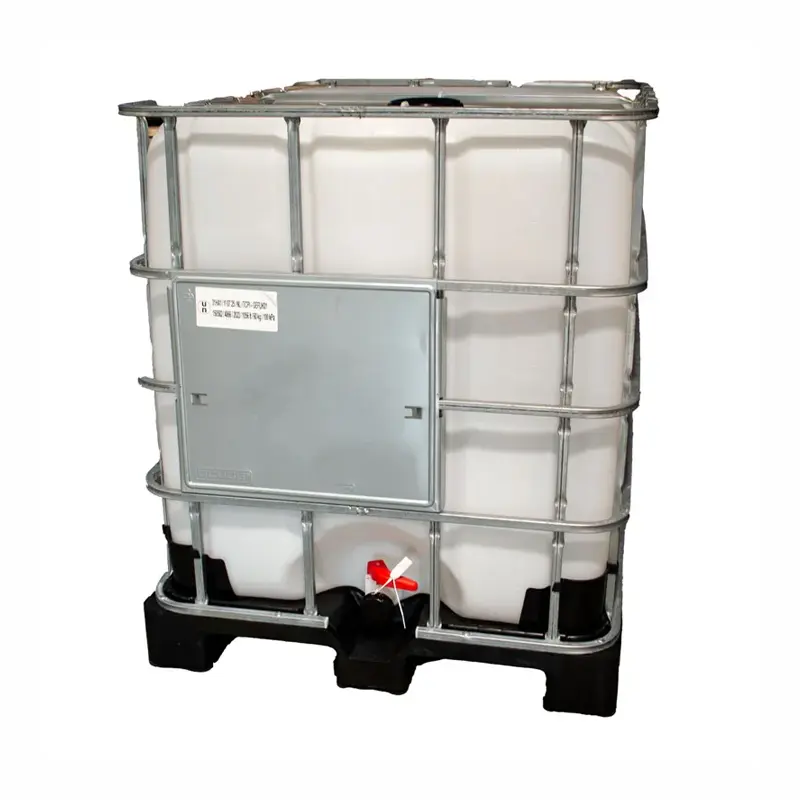
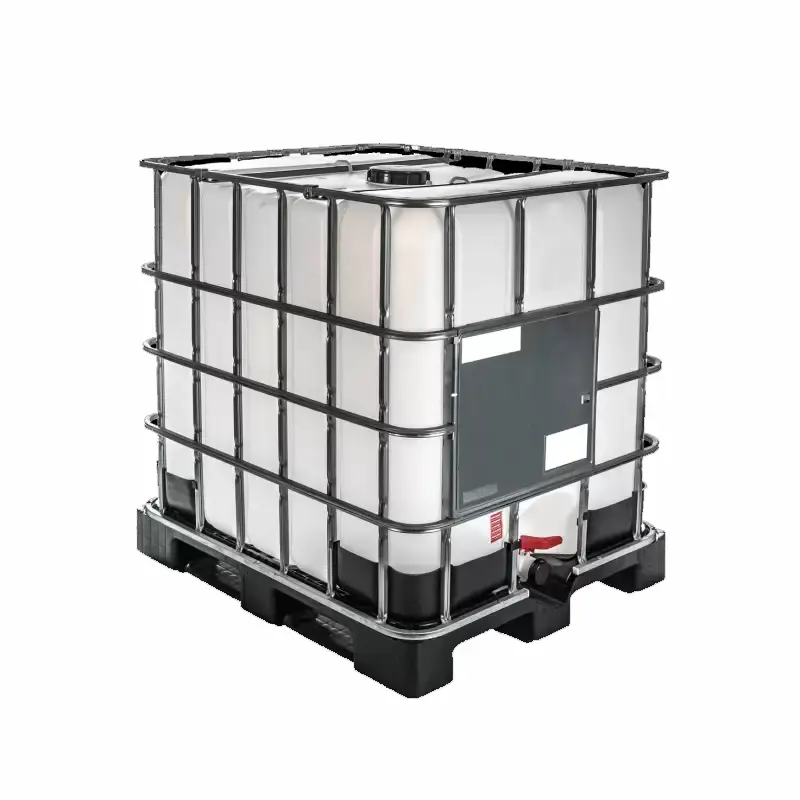
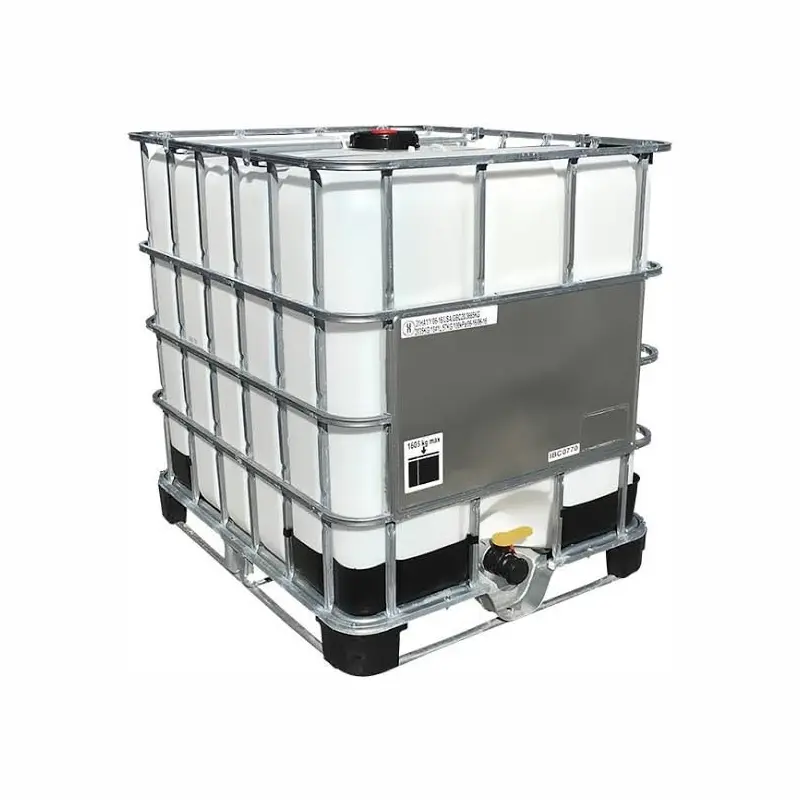
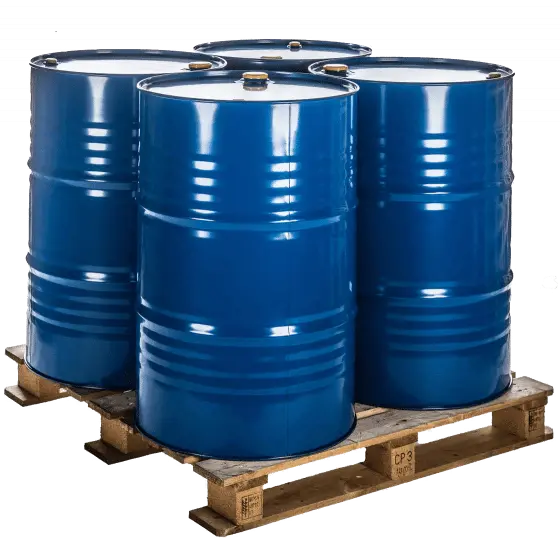
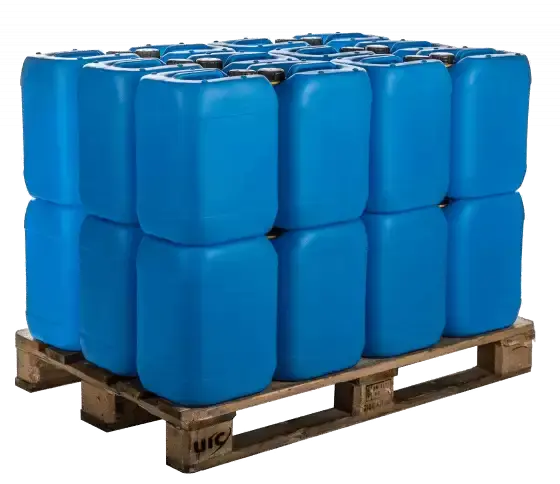
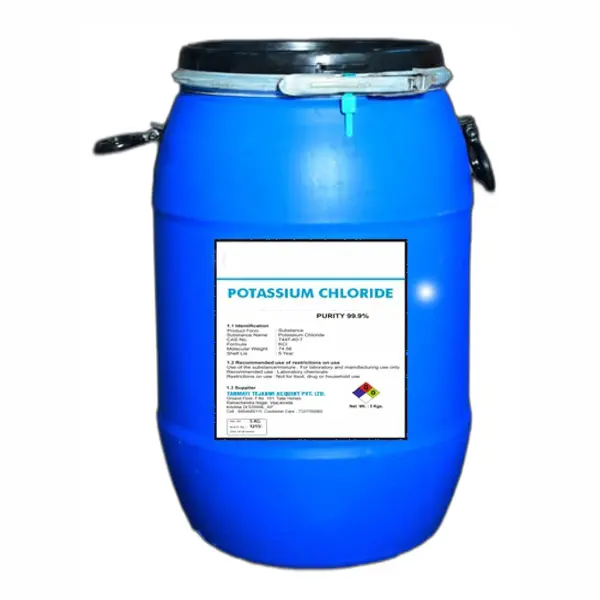
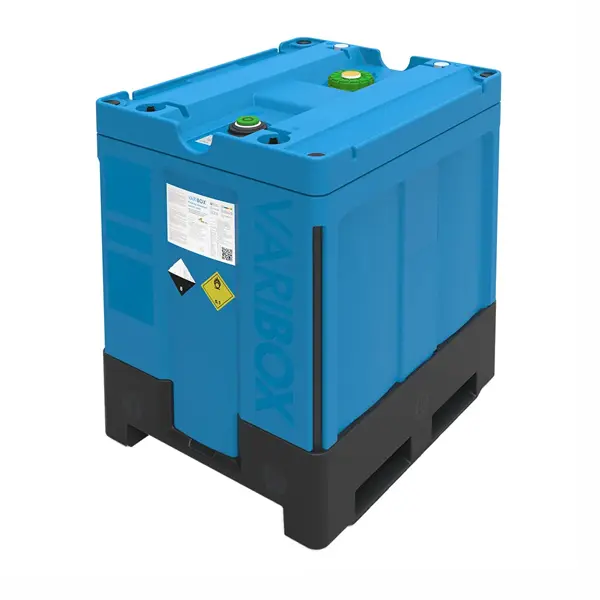
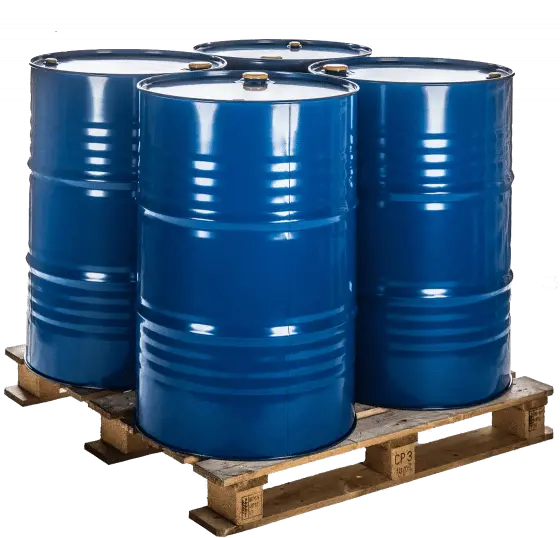
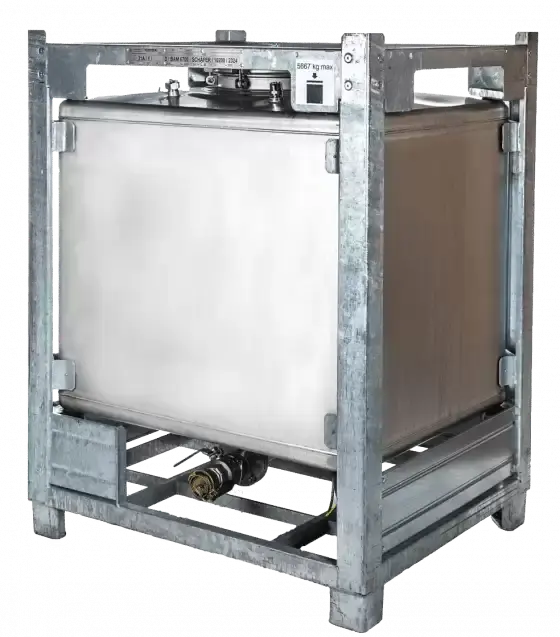
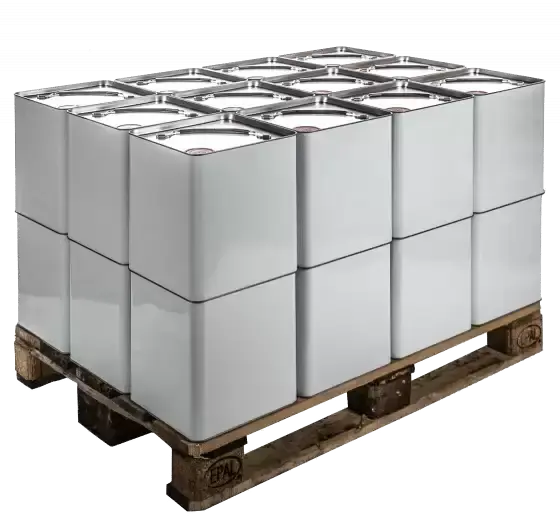
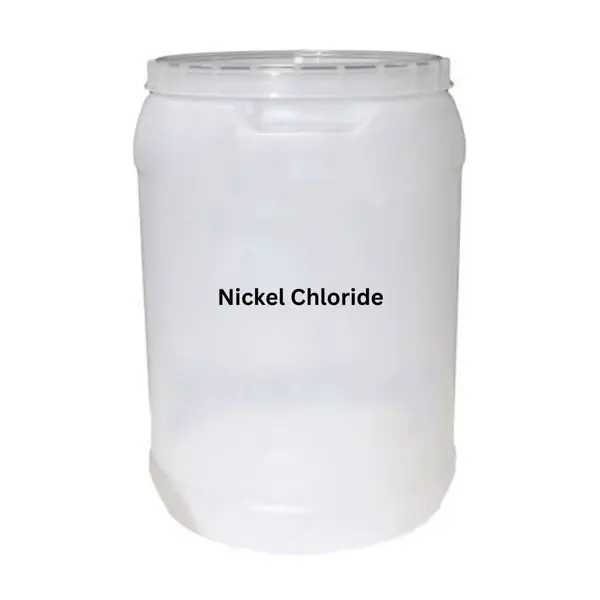
| Packaging | Sealed, compatible packaging according to product grade and transport requirements |
Note: Nickel Chloride is available in different hydration forms. Confirm the exact product identity, CAS number, purity, and physical specifications against the supplier's Technical Data Sheet (TDS) and Certificate of Analysis (COA).
Storage and Handling
Nickel Chloride compounds can pose significant health and environmental hazards. Depending on the specific form and classification, exposure may cause skin and eye irritation, allergic skin reactions, respiratory sensitization, and other serious health effects. Certain nickel compounds are classified as carcinogenic. Always consult the SDS for the supplied product.
Handle the material using suitable protective gloves, protective clothing, and eye protection. Avoid generating or inhaling dust, and use effective ventilation and dust-control measures. Additional respiratory protection should be selected according to the workplace risk assessment.
Store in tightly closed, clearly labeled containers in a cool, dry, well-ventilated area. Protect the product from contamination and follow the supplier's instructions for moisture control. Prevent releases into drains, soil, and waterways. Collect spills and dispose of nickel-containing waste through authorized hazardous-waste procedures.
Quality and Supply
Nickel Chloride should be sourced from a qualified supplier that provides appropriate product documentation. Before placing an order, confirm the hydration form, purity, impurity limits, intended application, packaging size, and delivery requirements.
For electroplating and specialty chemical applications, select a grade that meets the process specifications. Review the SDS for handling requirements and the COA for batch-specific quality information.
Conclusion
Nickel Chloride is an important industrial nickel salt used in electroplating, chemical manufacturing, catalyst preparation, and selected laboratory processes. Its suitability depends on the hydration form, purity, and application requirements. Proper product verification, safe handling, and responsible storage are essential for reliable use.
Contact a qualified chemical supplier to discuss availability, technical specifications, packaging options, and documentation for your application.