Perchlorethylene – Industrial Chlorinated Solvent for Dry Cleaning and Metal Degreasing
Introduction
Perchlorethylene, also known as Tetrachloroethylene (PCE or PERC), is a chlorinated organic solvent with the chemical formula C₂Cl₄. It is typically a clear, colorless liquid with a characteristic sweet, ether-like odor. Known for its ability to dissolve oils, greases, waxes, and various organic contaminants, Perchlorethylene has historically been used in dry cleaning, metal degreasing, chemical processing, and selected industrial cleaning applications.
Perchlorethylene is a nonflammable liquid under ordinary conditions, but it presents significant health and environmental hazards. Its use is restricted or being phased out in certain applications and jurisdictions. Appropriate engineering controls, regulatory compliance, and safe handling procedures are essential.
Industrial Applications
Perchlorethylene has traditionally been used in commercial dry-cleaning operations to remove oil-based stains and other contaminants from compatible fabrics. Its use in this sector is increasingly regulated, and alternative cleaning technologies are being adopted in many markets.
In metal processing, Perchlorethylene has been used as a solvent for removing grease, oils, and manufacturing residues from metal components. Industrial degreasing applications require properly designed equipment, exposure controls, and compliance with applicable restrictions.
Perchlorethylene is also used as a chemical intermediate or processing solvent in selected industrial manufacturing operations. Its suitability depends on the intended process, solvent compatibility, workplace safety requirements, and applicable environmental regulations.
Key Benefits
- Strong solvent properties: Dissolves many oils, greases, waxes, and organic residues.
- Nonflammable under ordinary conditions: Does not present the same ignition characteristics as many flammable hydrocarbon solvents.
- Cleaning performance: Historically used for cleaning compatible fabrics and metal components.
- Chemical processing utility: Suitable for certain regulated industrial solvent and intermediate applications.
- Liquid handling: Can be used in appropriately designed closed industrial solvent systems.
- Industrial versatility: Has applications in selected cleaning and chemical manufacturing processes where its use remains permitted.
Product Specifications
| Parameter | Details |
|---|---|
| Product Name | Perchlorethylene |
| Alternative Names | Tetrachloroethylene, PERC, PCE |
| Chemical Formula | C₂Cl₄ |
| CAS Number | 127-18-4 |
| Molecular Weight | 165.83 g/mol |
| Appearance | Clear, colorless liquid |
| Odor | Sweet, ether-like odor |
| Boiling Point | Approximately 121°C |
| Melting Point | Approximately −22°C |
| Density | Approximately 1.62 g/cm³ at 20°C |
| Water Solubility | Slightly soluble in water |
| Flammability | Nonflammable under ordinary conditions |
| Primary Function | Chlorinated industrial solvent |
| Common Applications | Dry cleaning, metal degreasing, chemical processing |
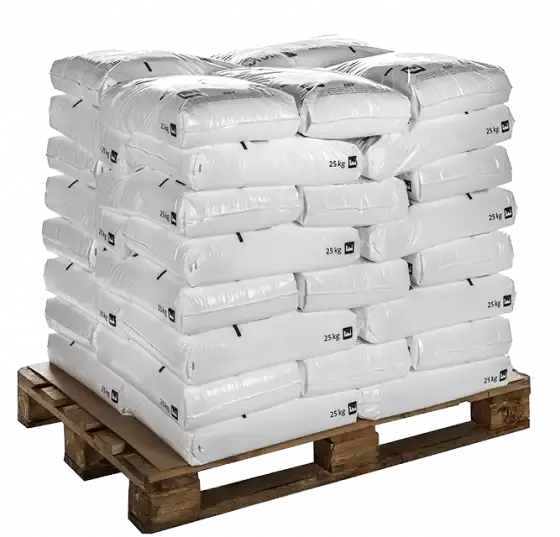
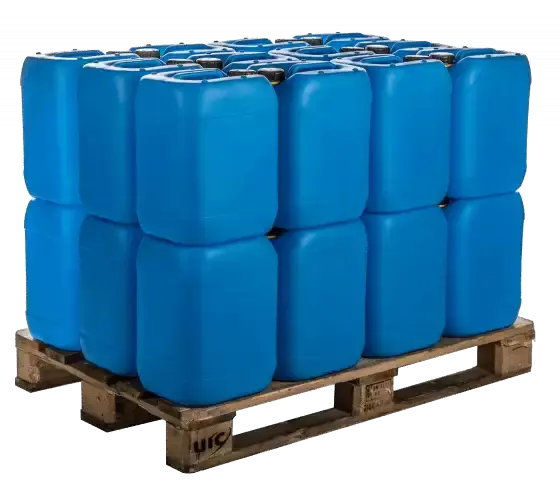
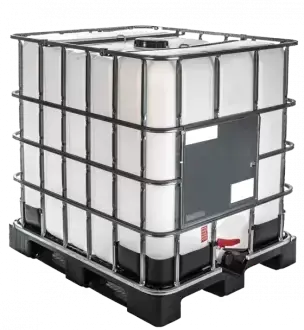
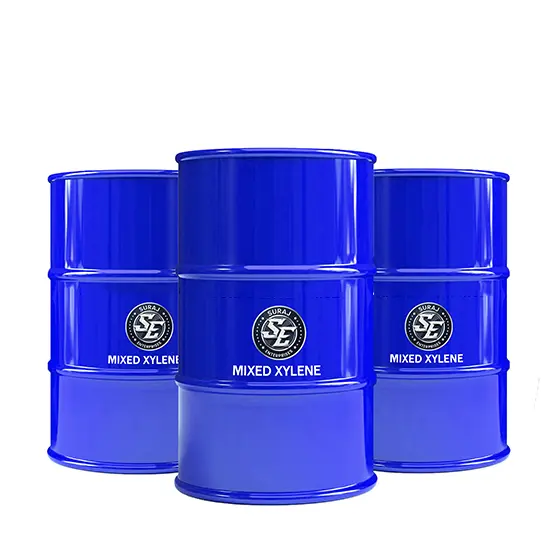
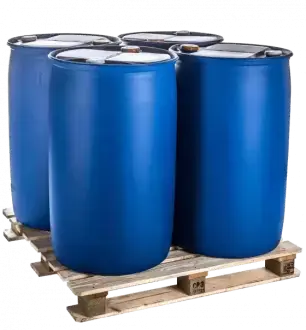
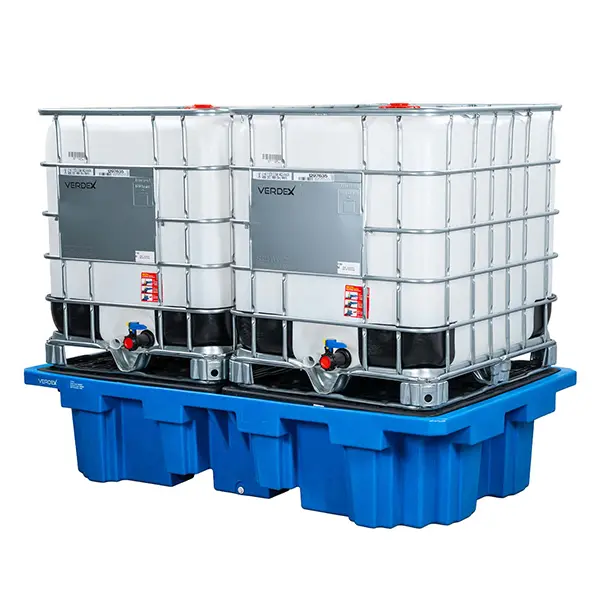
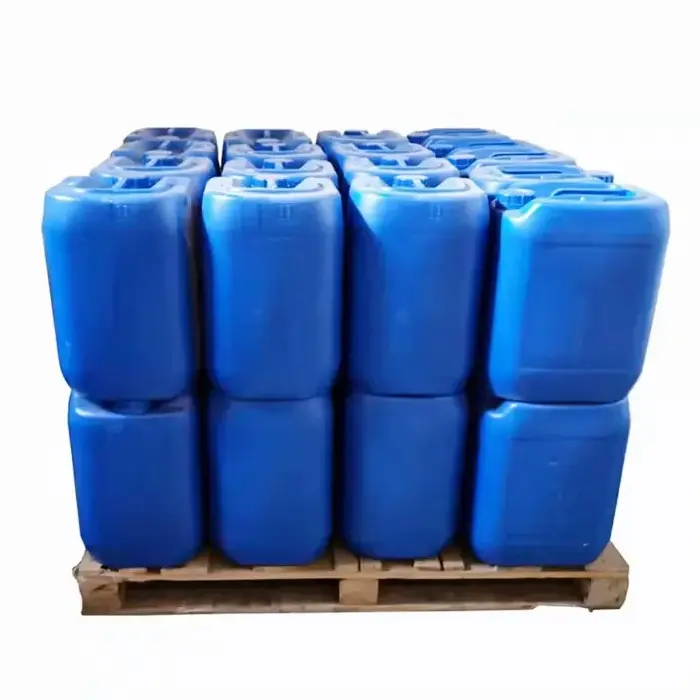
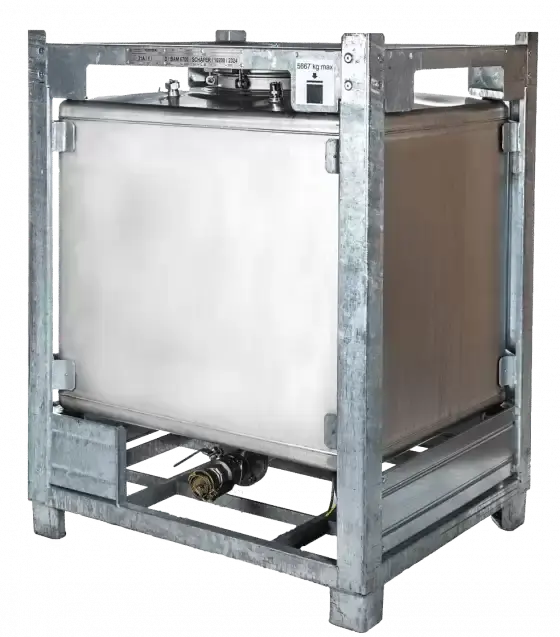
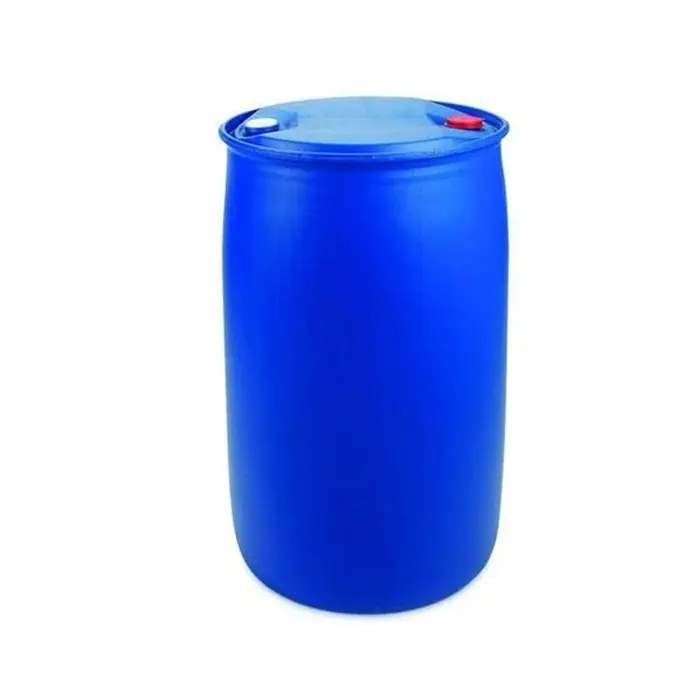
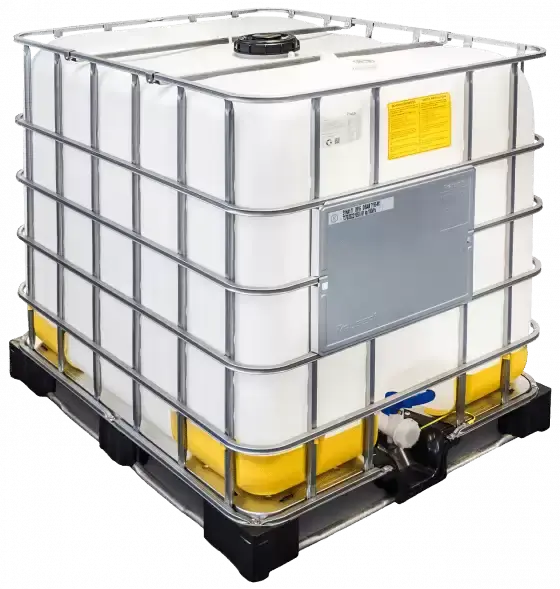
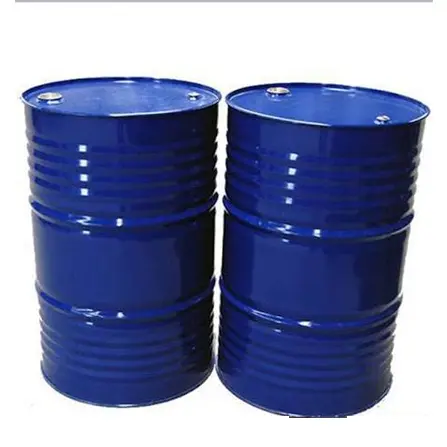
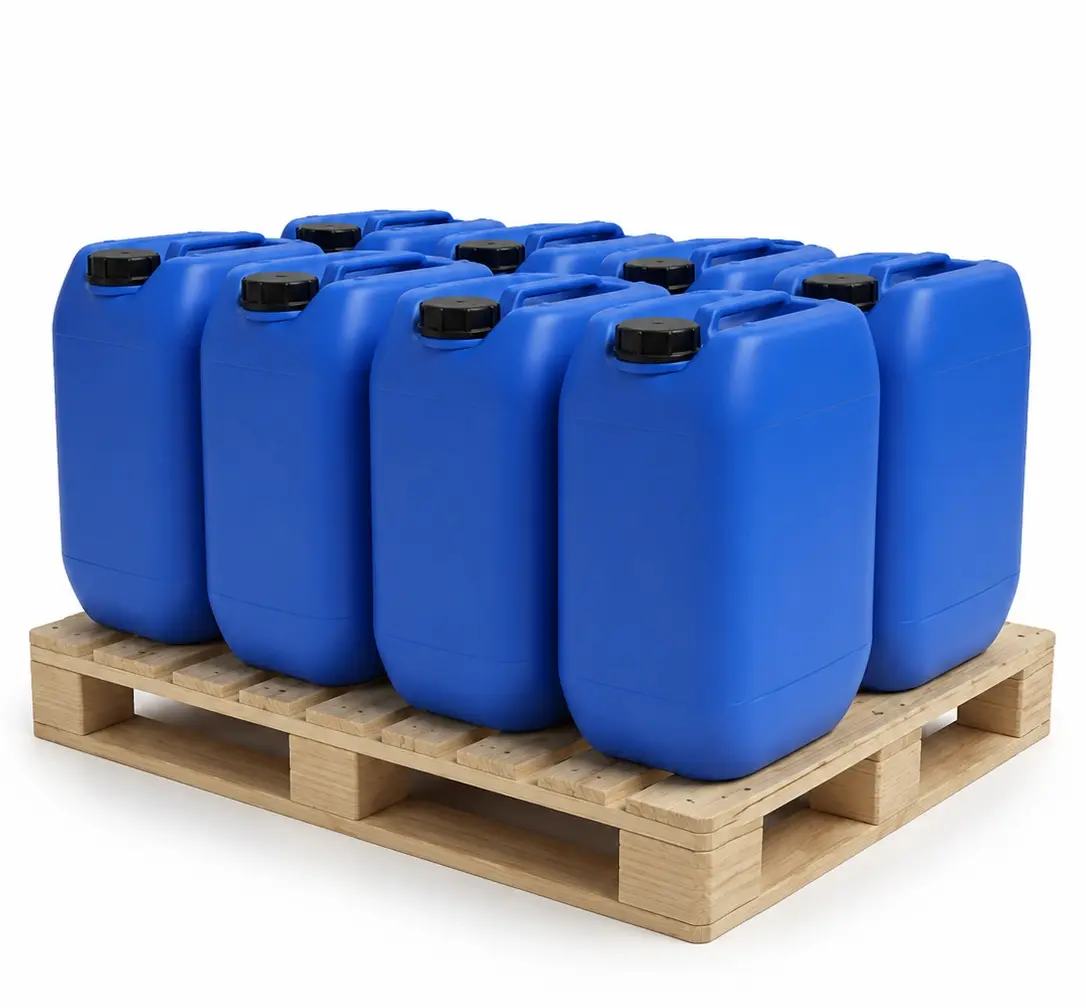
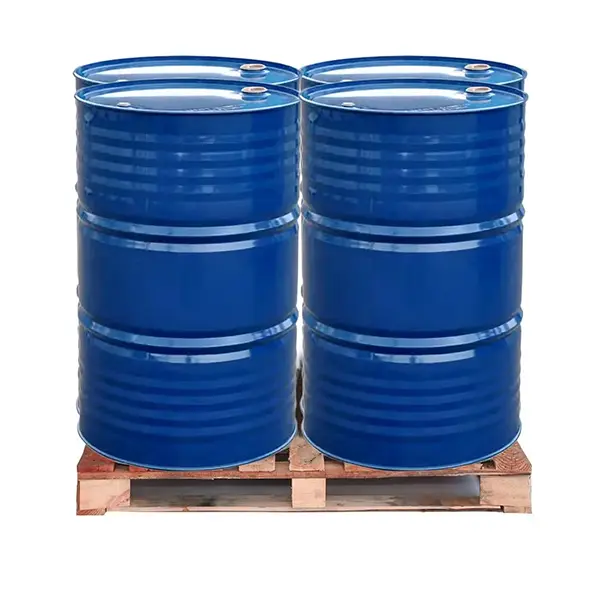
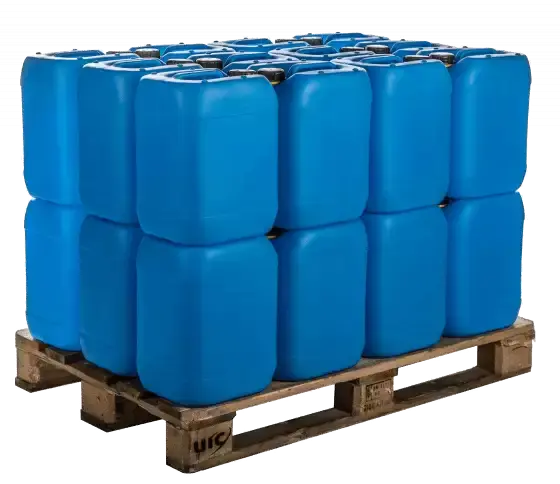
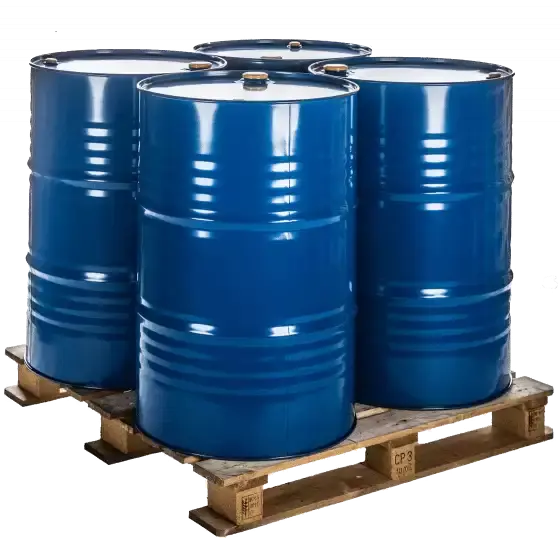
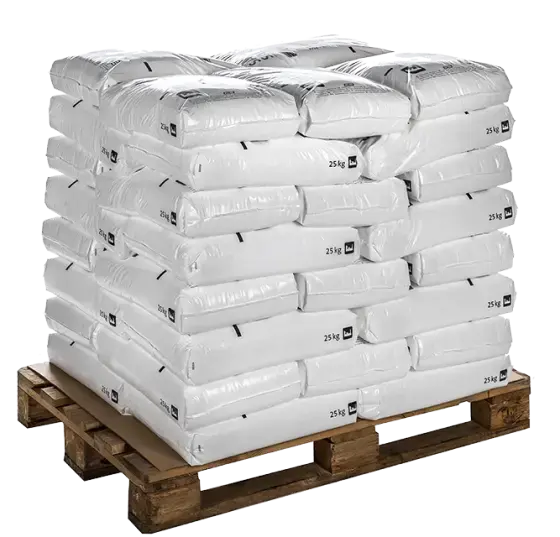
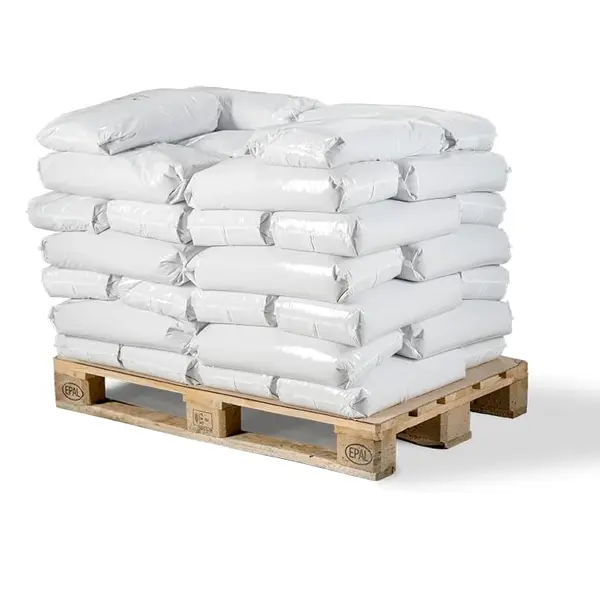
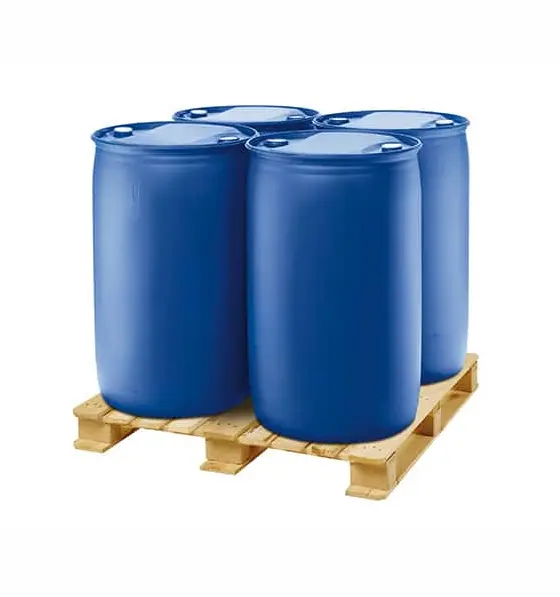
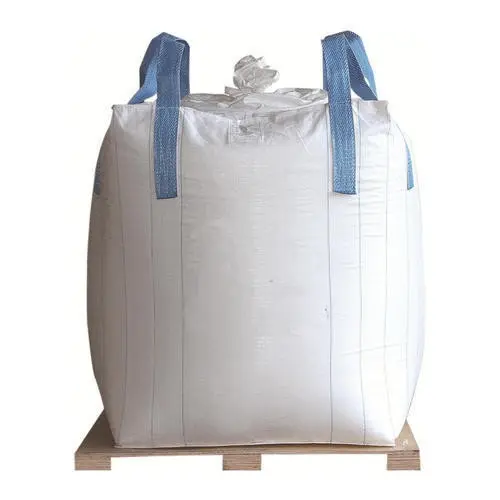
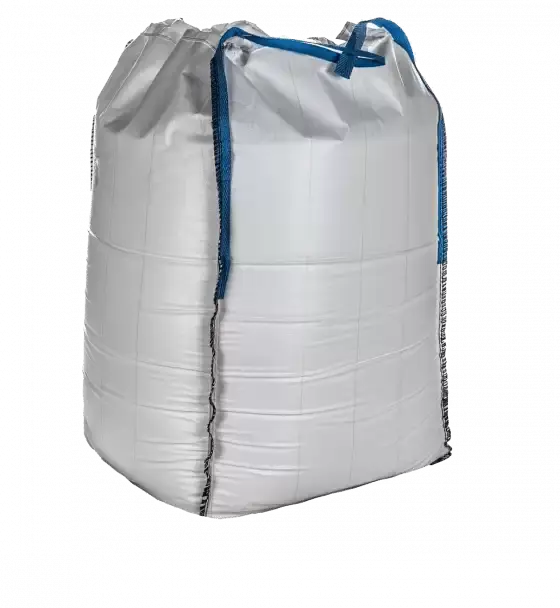
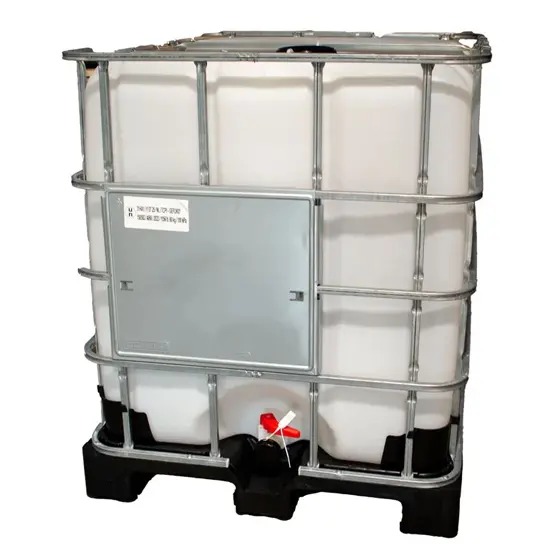
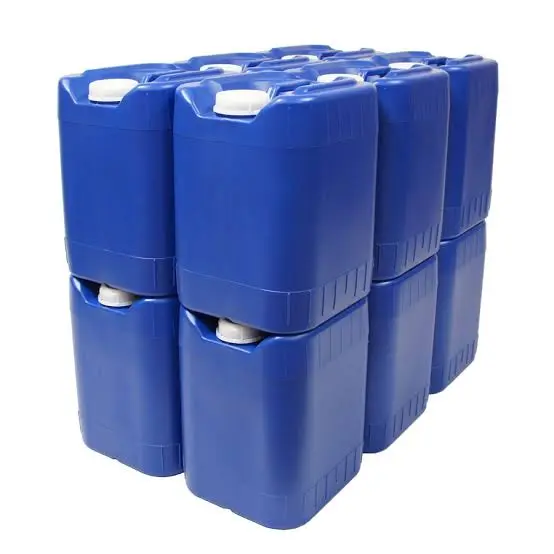
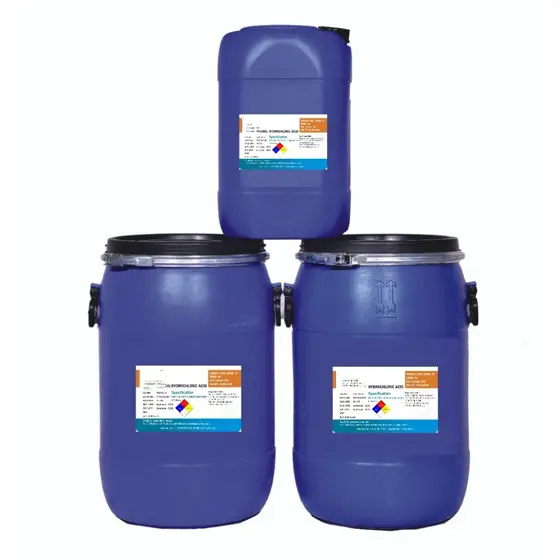
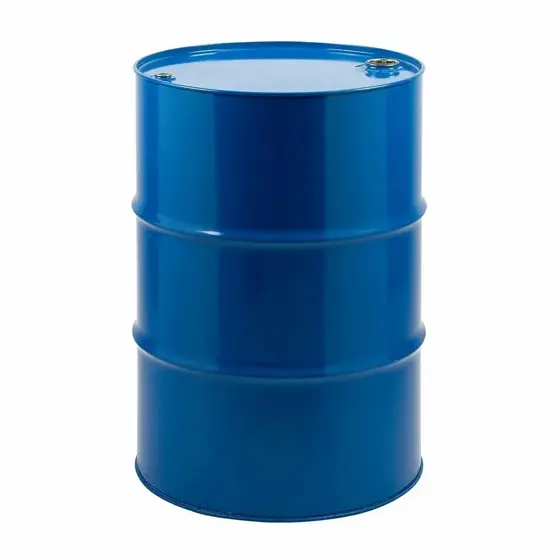
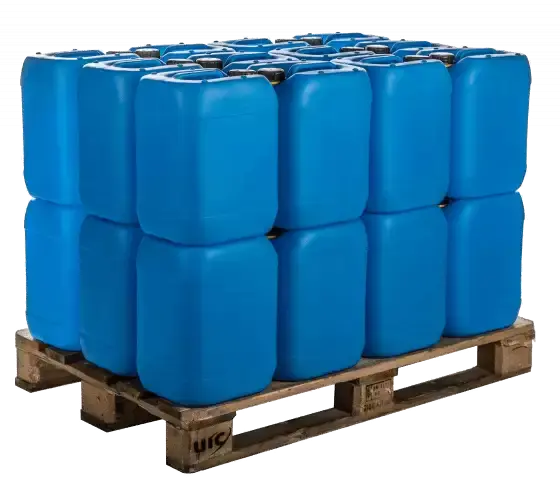
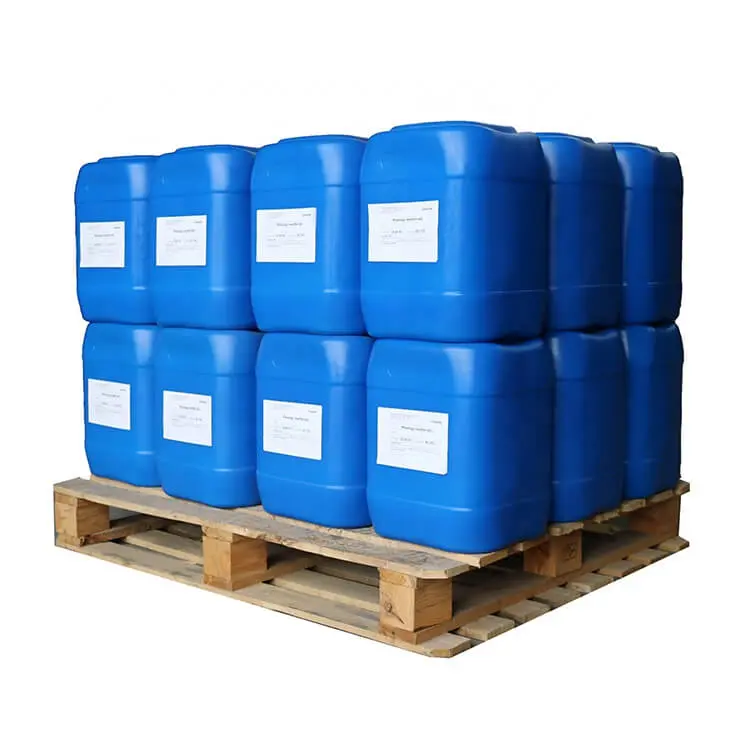
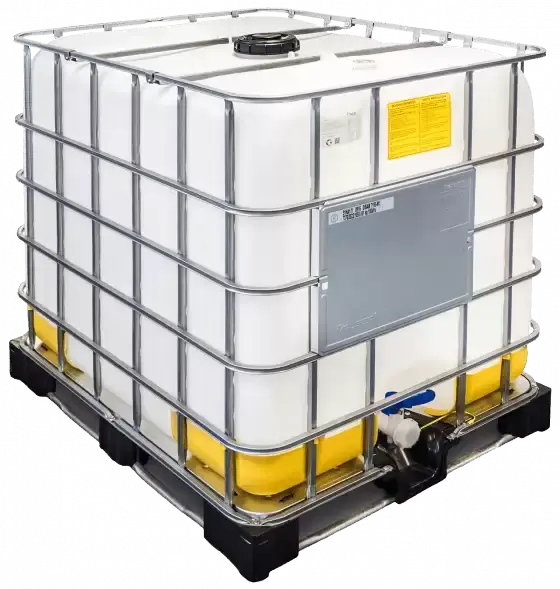
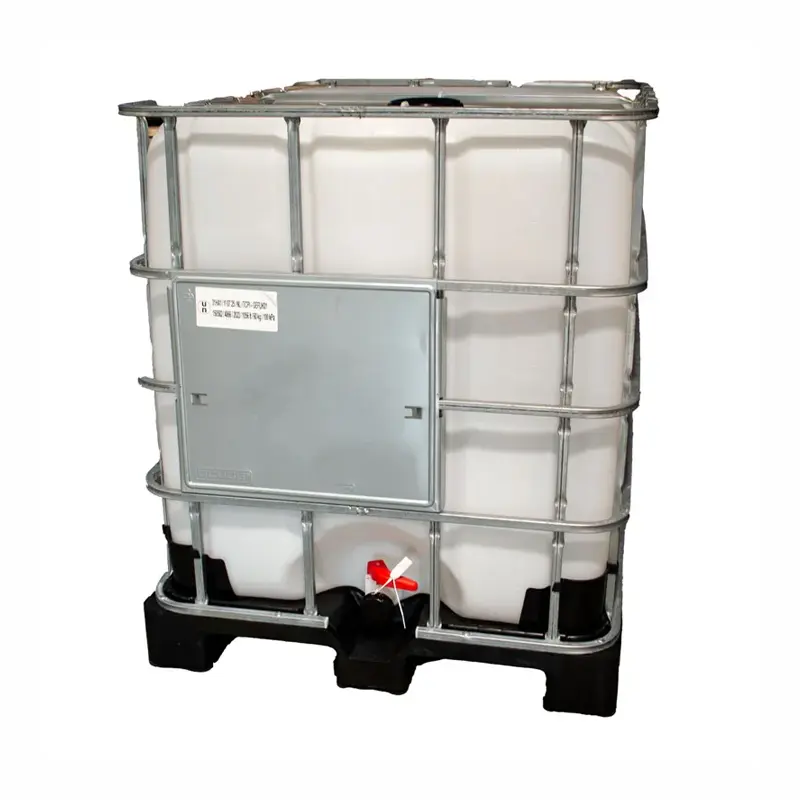
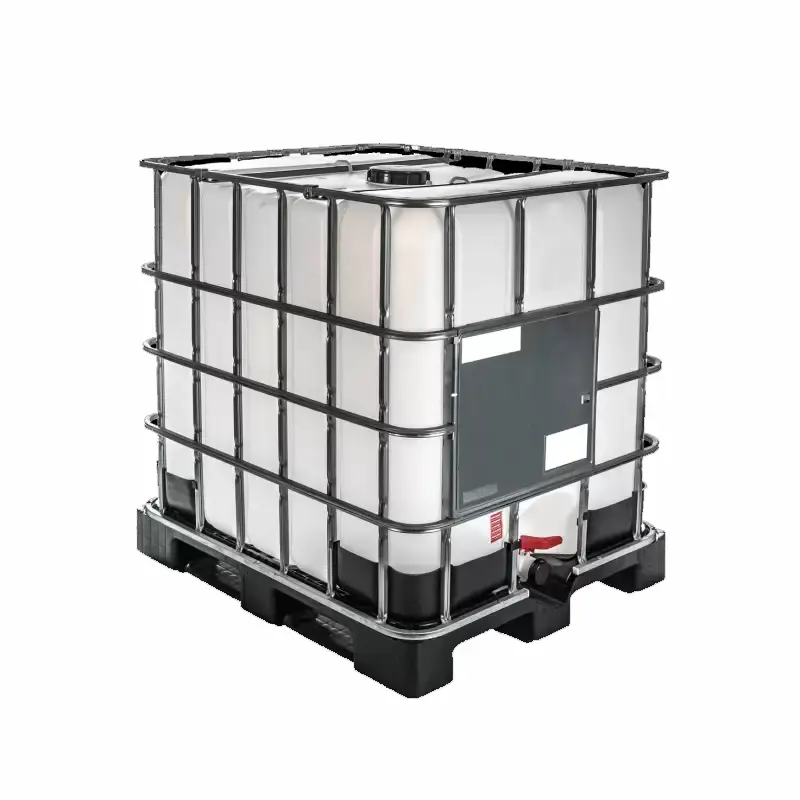
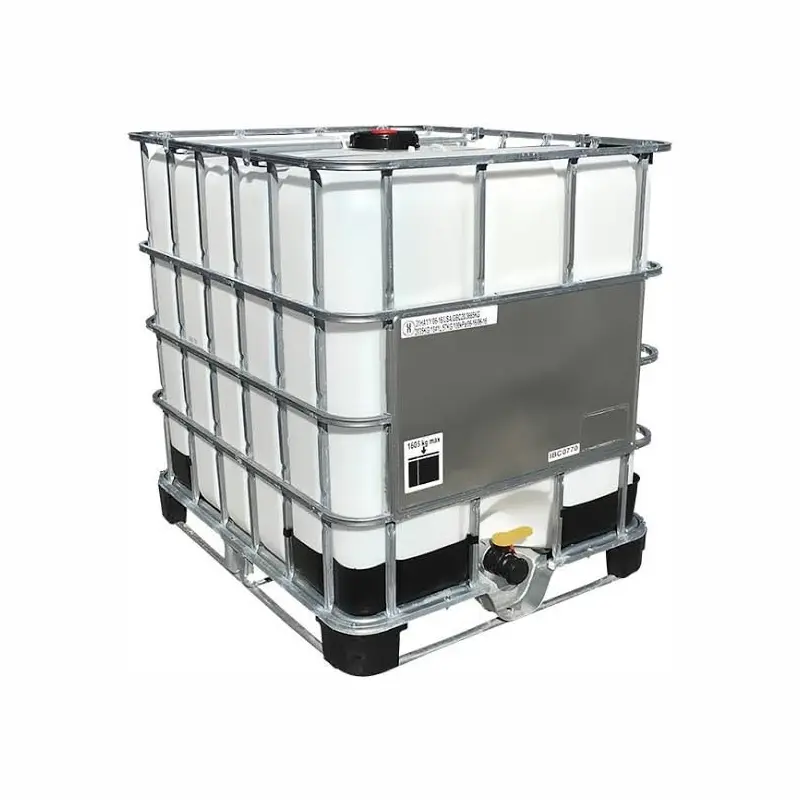
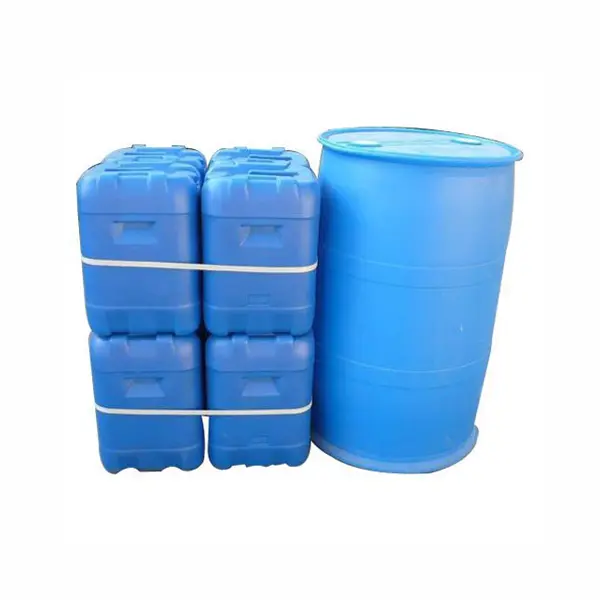
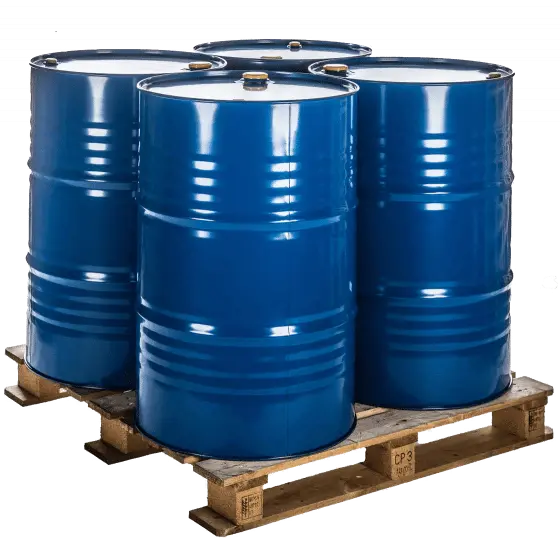
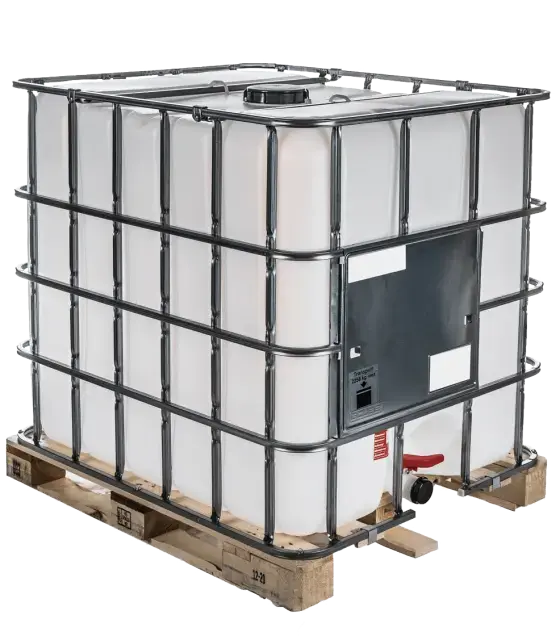
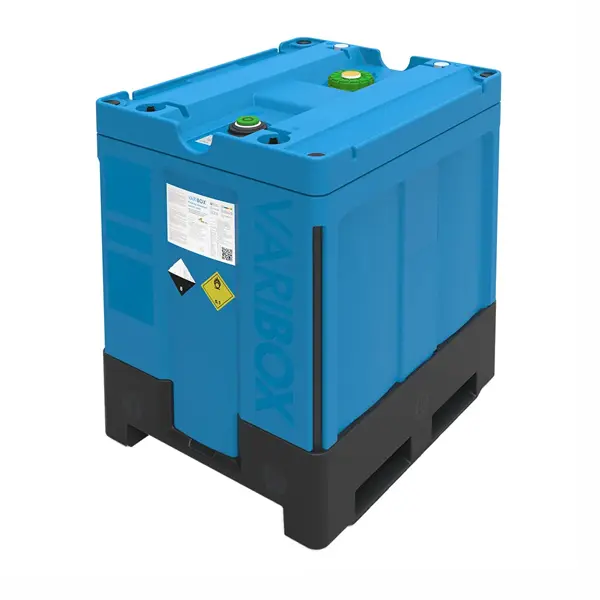
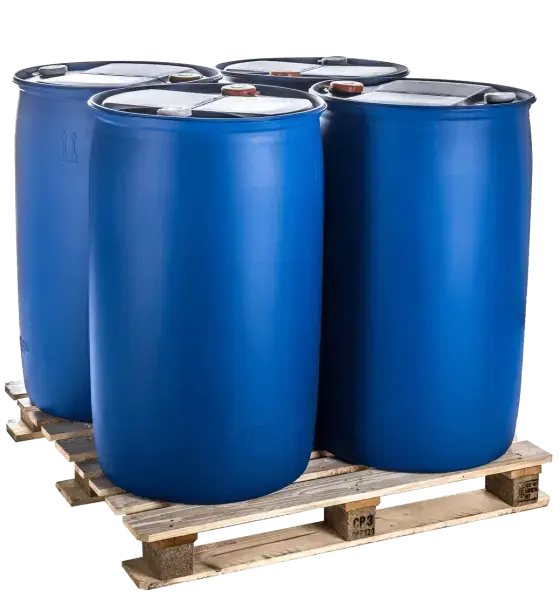
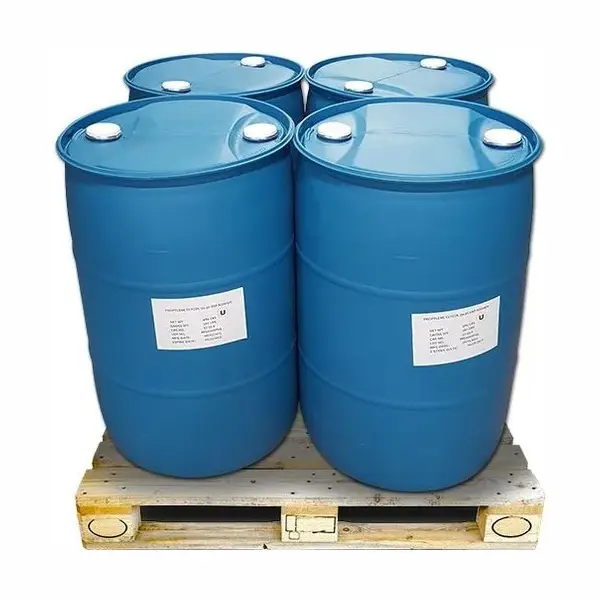
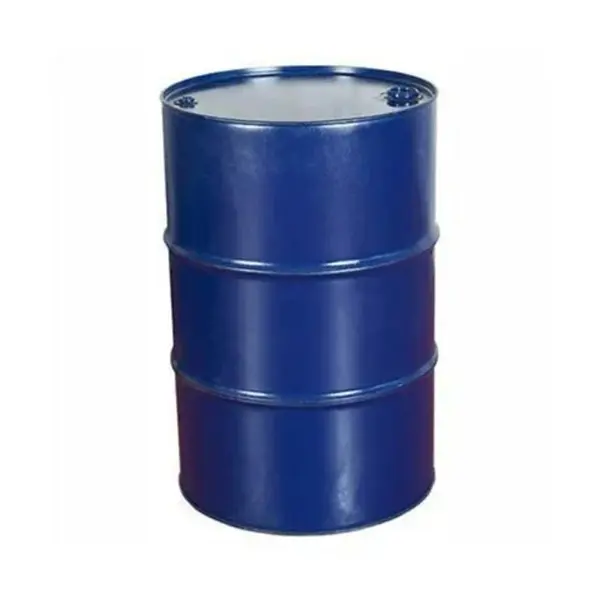
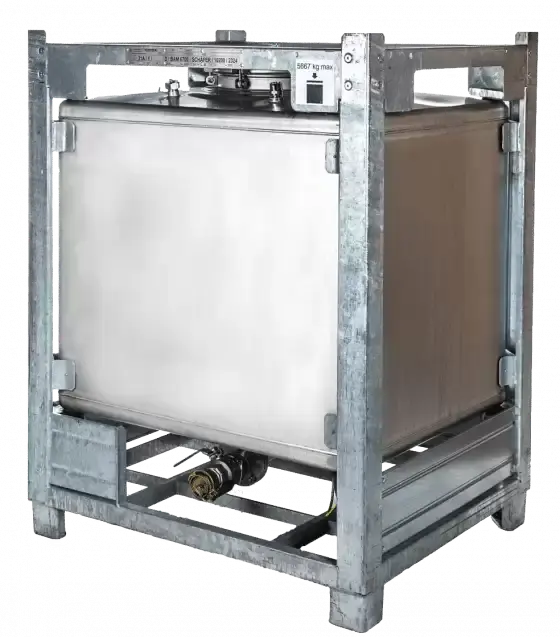
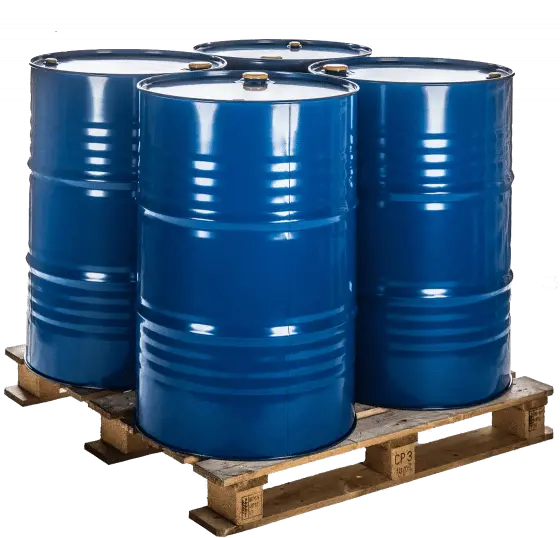
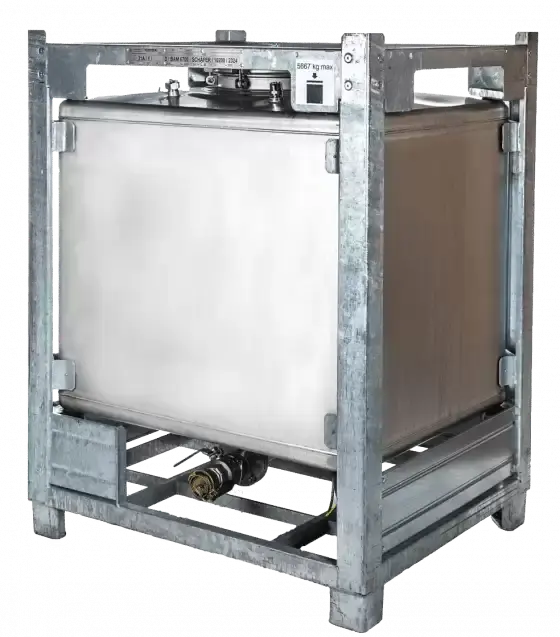
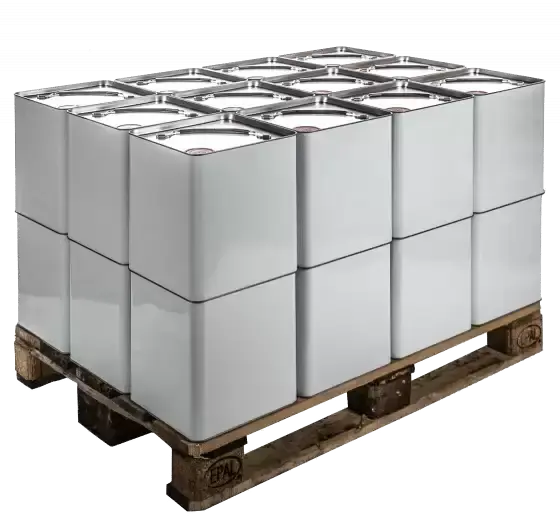
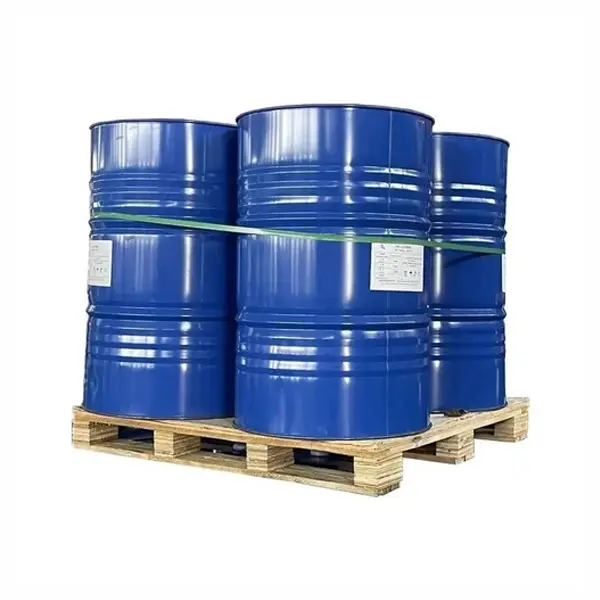
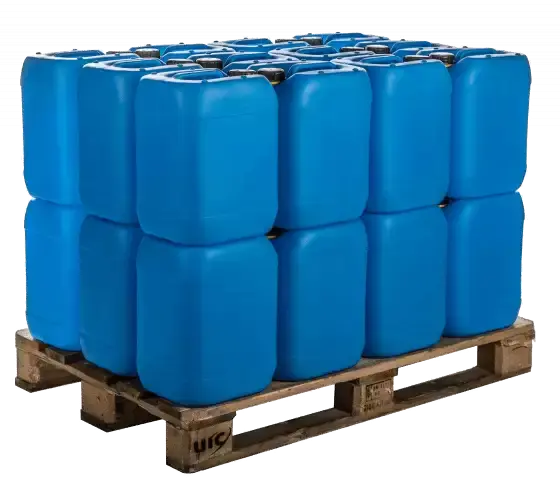
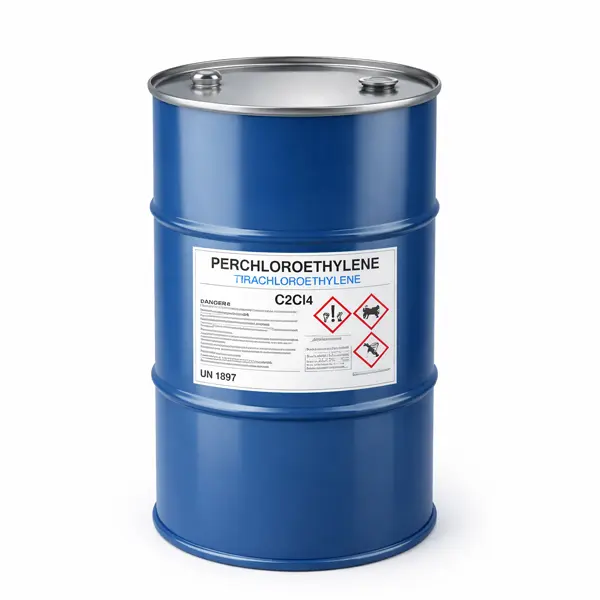
| Packaging | As specified by the supplier |
Specifications may vary by manufacturer and grade. Confirm the current technical data sheet (TDS), certificate of analysis (COA), stabilizer content, purity, and packaging details before purchase or use.
Storage and Handling
Perchlorethylene is hazardous and requires strict occupational and environmental controls. Exposure through inhalation or skin contact can cause harmful health effects, including effects on the nervous system, liver, and kidneys. It is also classified as a probable human carcinogen by the International Agency for Research on Cancer (IARC).
Store Perchlorethylene in tightly sealed, clearly labelled, chemically compatible containers in a cool, well-ventilated area. Protect it from excessive heat, incompatible substances, and conditions that may cause decomposition. Heating or exposure to fire can generate highly toxic decomposition products.
Use appropriate chemical-resistant gloves, protective clothing, and eye protection. Industrial operations should use suitable local exhaust ventilation or closed systems to minimize exposure. Prevent releases to soil, drains, and waterways, and arrange disposal through authorized hazardous-waste services.
Consult the product-specific safety data sheet (SDS) and comply with applicable occupational exposure limits, environmental regulations, and restrictions on solvent use.
Quality and Supply
Consistent Perchlorethylene quality is important for permitted industrial applications that require controlled solvent purity and performance. Buyers should verify assay, moisture content, acidity, stabilizer composition, and other relevant technical parameters before ordering.
A reliable supplier should provide current technical documentation, including the TDS, COA, and SDS. Buyers must also verify whether the intended application is legally permitted in the destination market, as restrictions on Perchlorethylene differ between countries and industries.
Appropriate packaging, transport classification, and environmental safeguards are essential for safe supply and distribution.
Conclusion
Perchlorethylene is a chlorinated industrial solvent historically used in dry cleaning, metal degreasing, and chemical manufacturing. Its ability to dissolve oils and organic contaminants has made it useful in specialized industrial processes. However, significant health risks, environmental concerns, and increasing regulatory restrictions require careful evaluation before use. Selecting the appropriate grade, confirming legal suitability, and implementing effective exposure controls are essential for responsible industrial applications.