
Sodium Thiosulfate – Industrial Chemical for Water Treatment and Manufacturing
Sodium Thiosulfate for Industrial Applications
Sodium Thiosulfate is an inorganic chemical compound widely used in water treatment, textile processing, photography, laboratory applications, and various industrial processes. It is available in different grades and forms, including anhydrous material and hydrated crystals. Known for its reducing properties and ability to react with certain chlorine-containing compounds, Sodium Thiosulfate is commonly used in applications that require dechlorination, chemical neutralisation, or specialised processing. Its performance depends on the supplied grade, concentration, and intended use.
Applications of Sodium Thiosulfate
Sodium Thiosulfate is used in water treatment to neutralise residual chlorine in suitable water systems, including selected industrial processes and laboratory testing. In textile manufacturing, it may be used in certain processing and finishing operations where reducing properties are required. The chemical also has applications in photographic processing, particularly in traditional fixing solutions that help remove unreacted light-sensitive silver compounds from photographic materials. In laboratories, Sodium Thiosulfate is used in analytical chemistry, including iodometric titrations. Pharmaceutical and medical applications require an appropriate pharmaceutical-grade product and professional oversight.
Benefits of Sodium Thiosulfate
Sodium Thiosulfate provides useful chemical properties for applications involving chlorine removal, reduction reactions, and analytical procedures. Its ability to react with certain oxidising agents makes it suitable for selected dechlorination and chemical-processing tasks. It is also valuable in laboratory analysis because its reactions are used in established quantitative testing methods. Choosing the correct grade and concentration helps ensure suitability for the intended process.
Storage and Handling
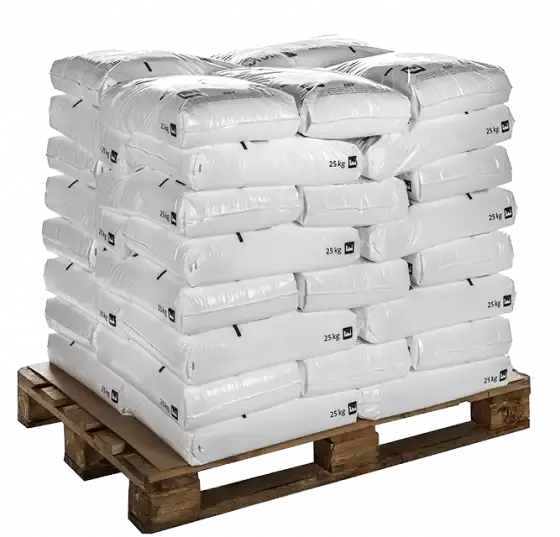
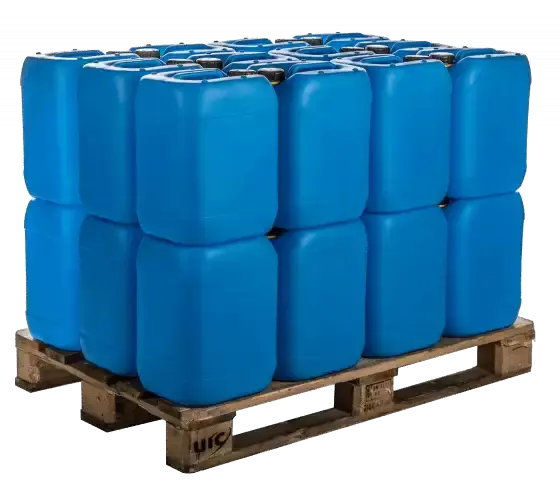
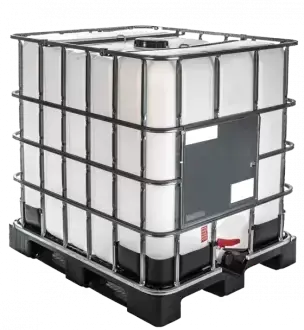
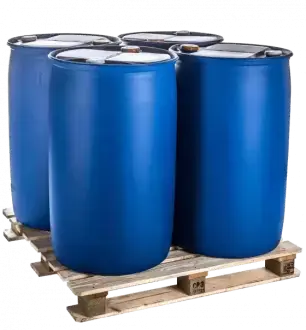
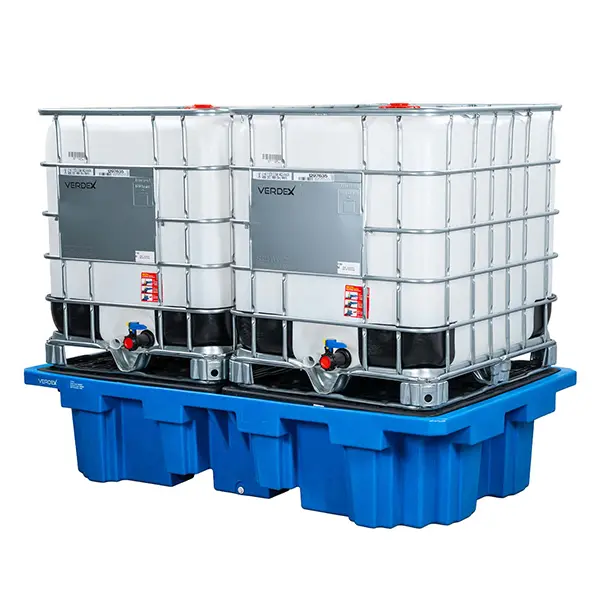
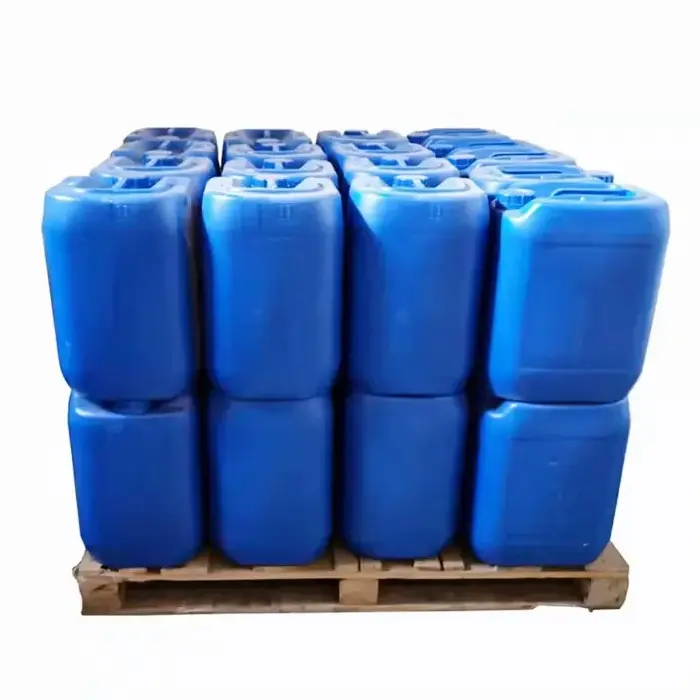
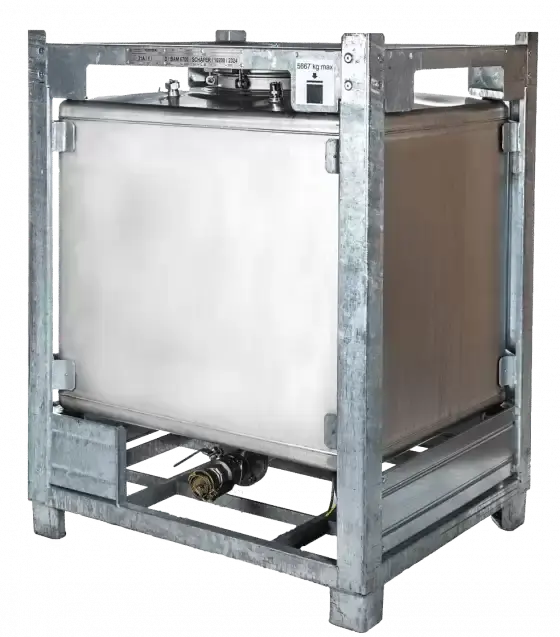
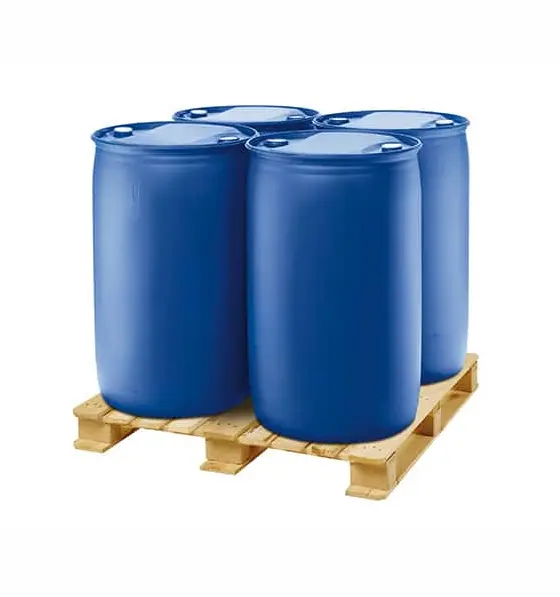
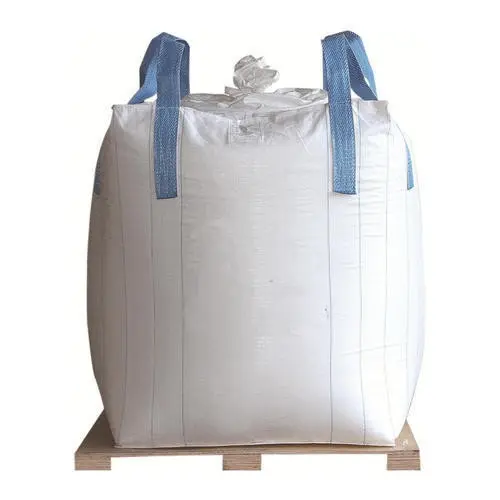
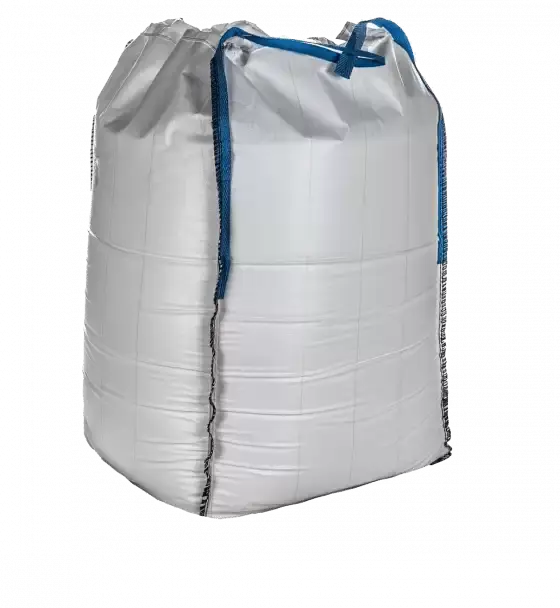
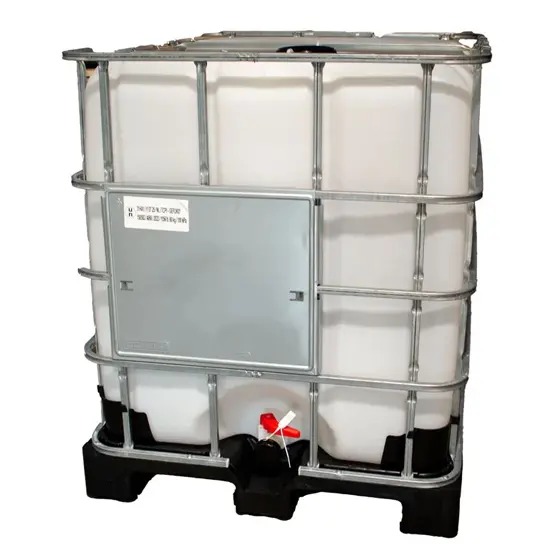
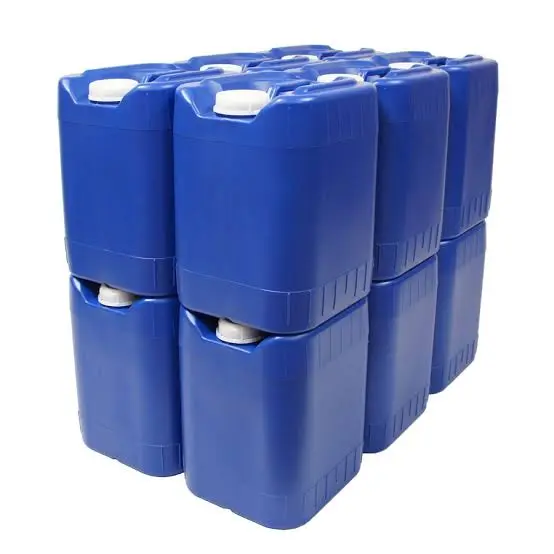
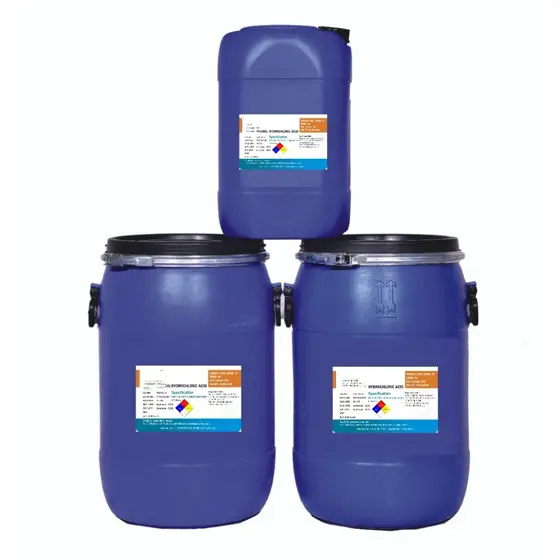
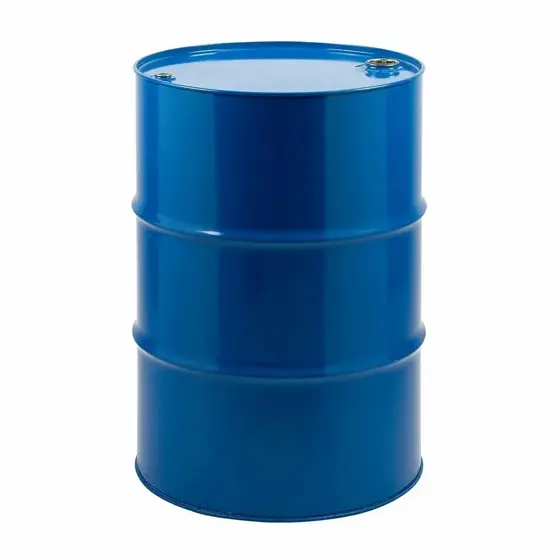
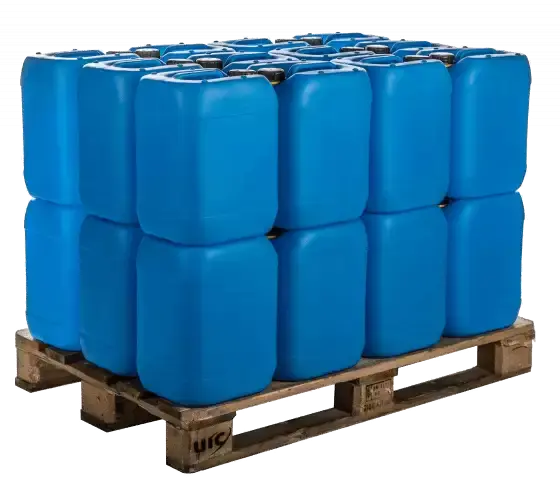
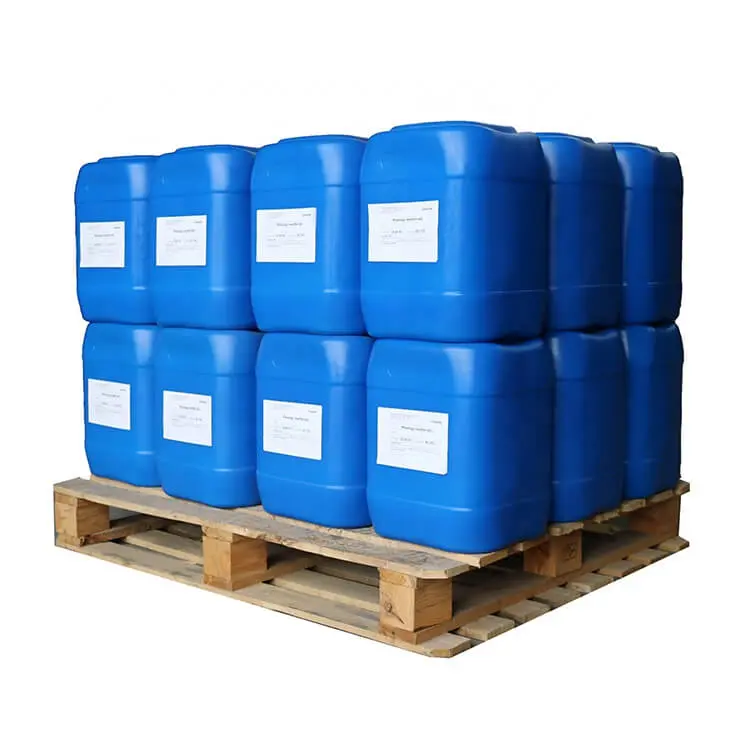
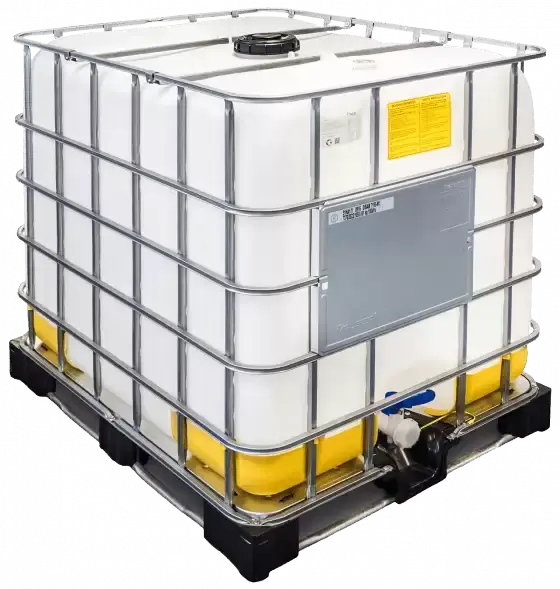
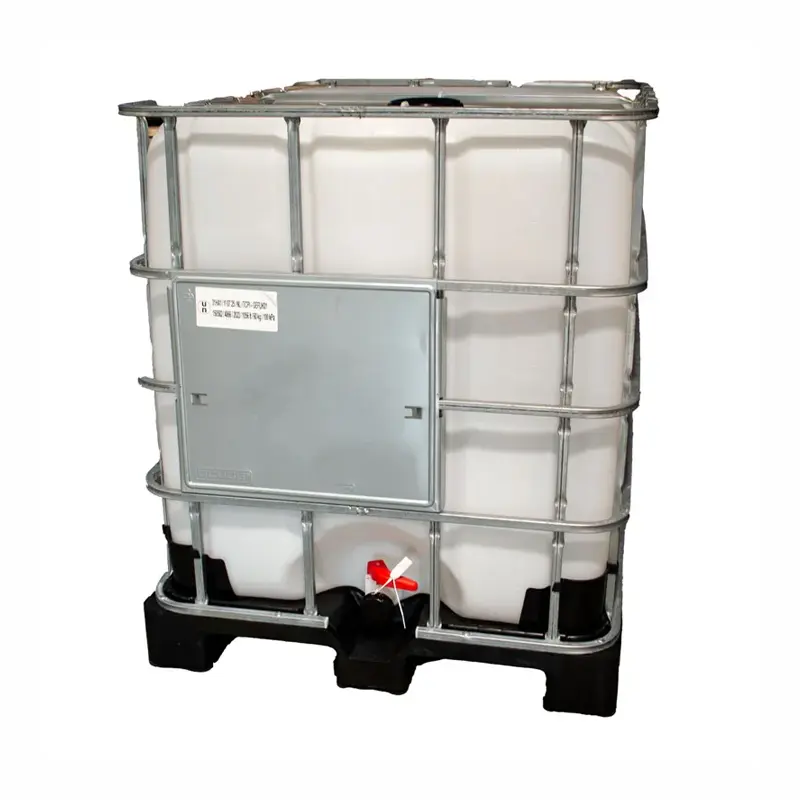
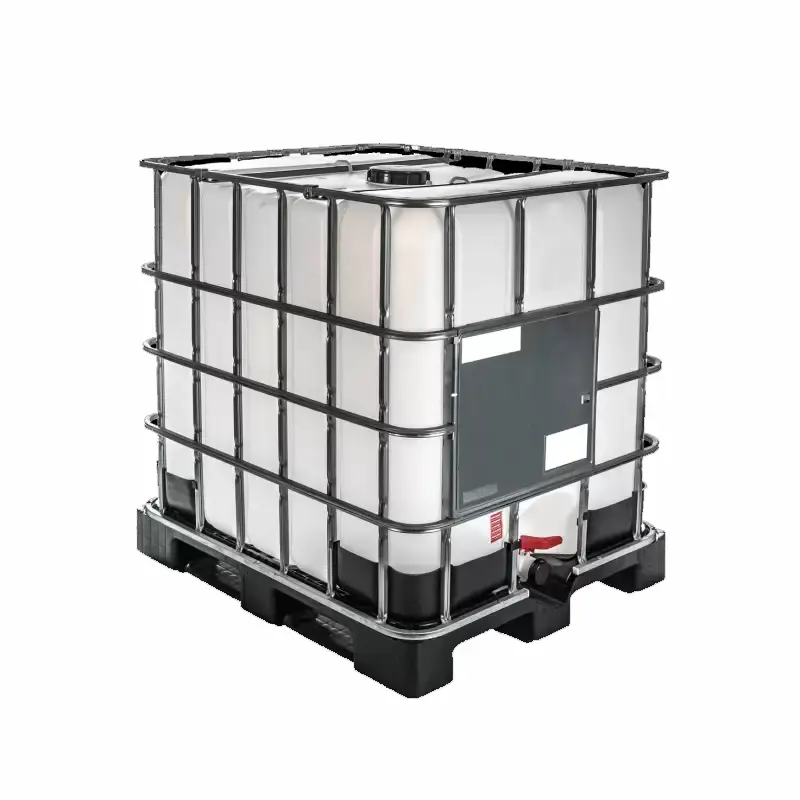
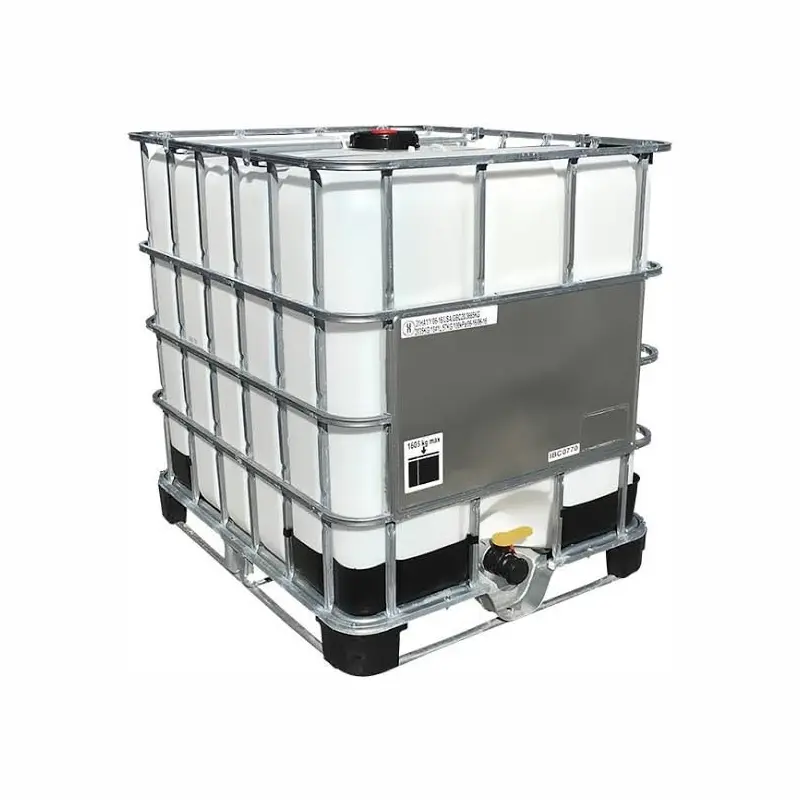
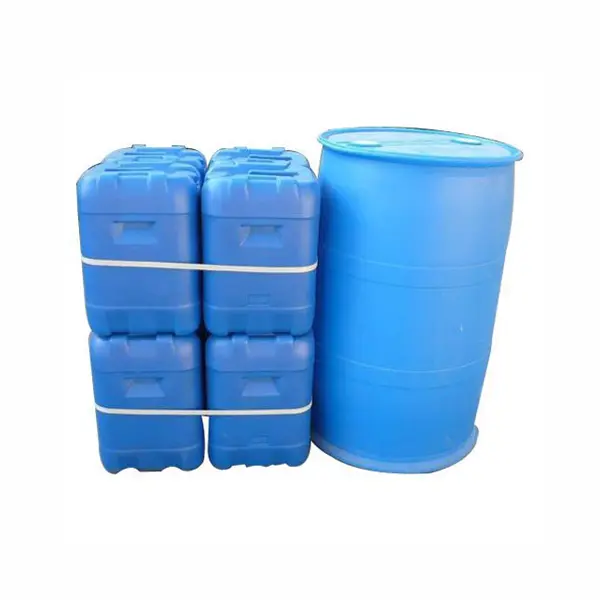
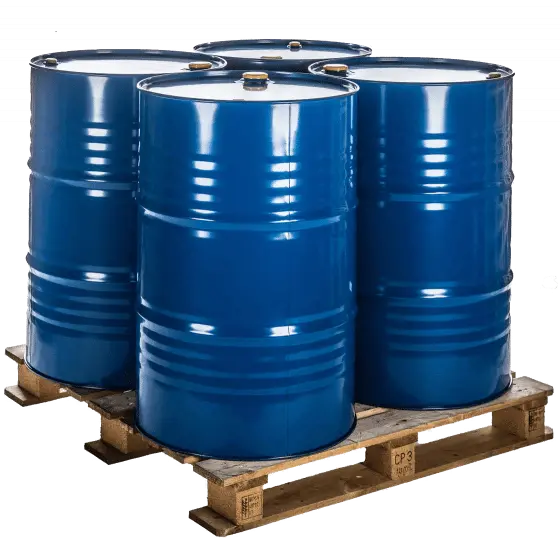
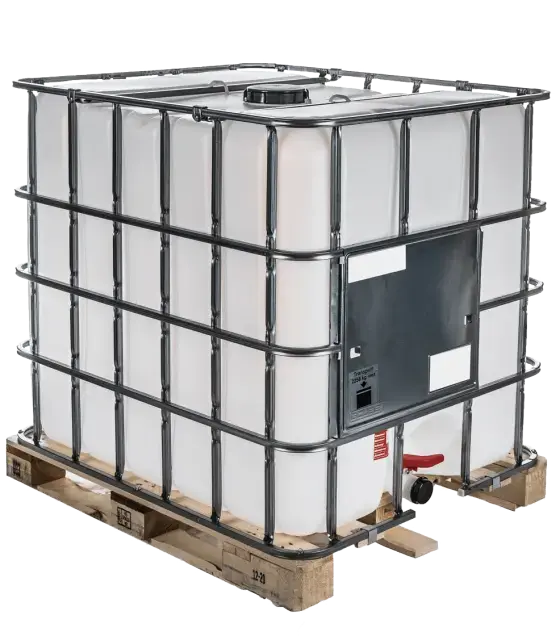
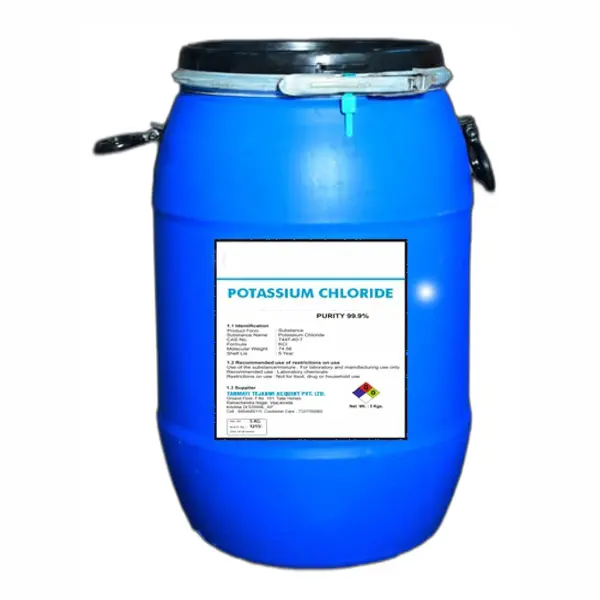
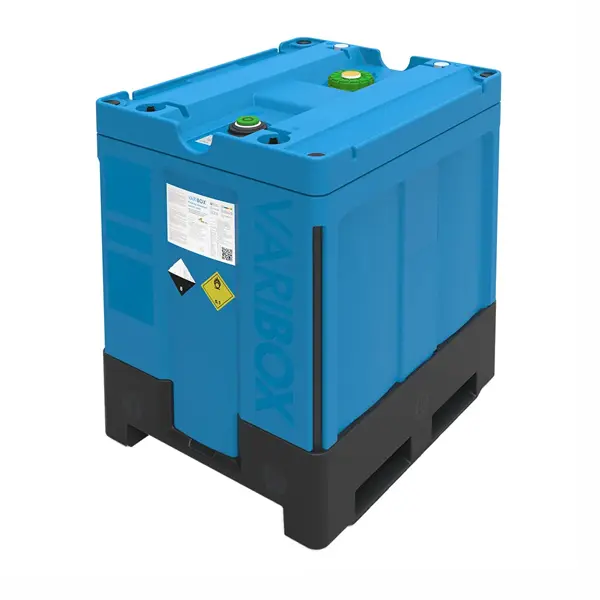
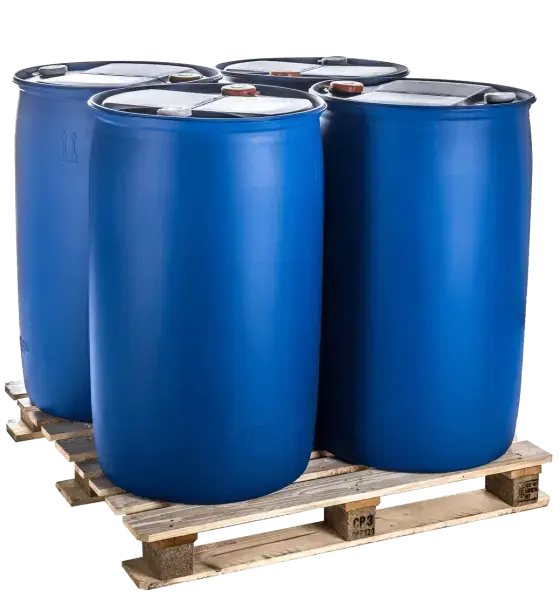
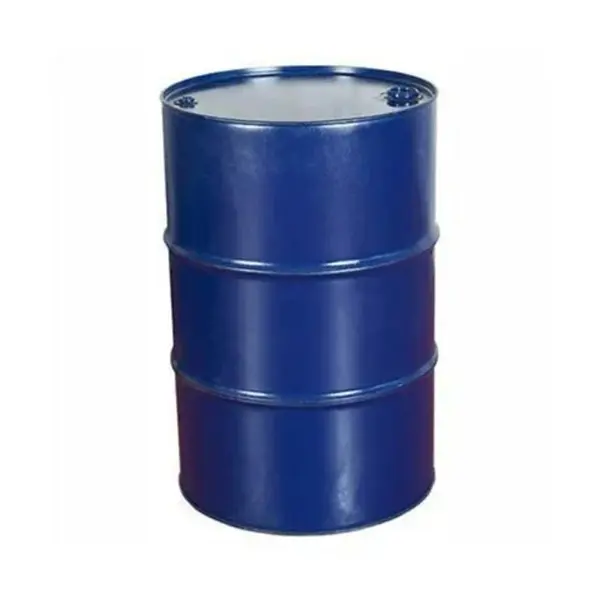
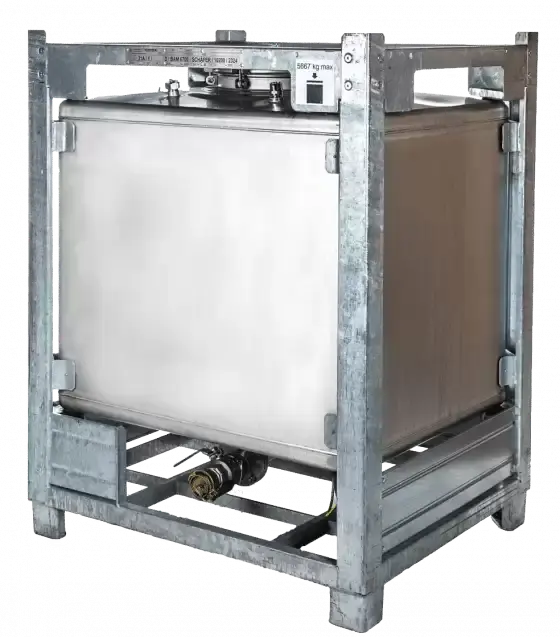
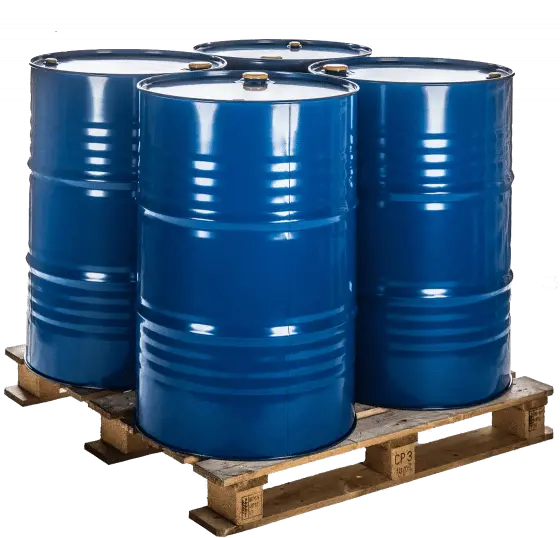
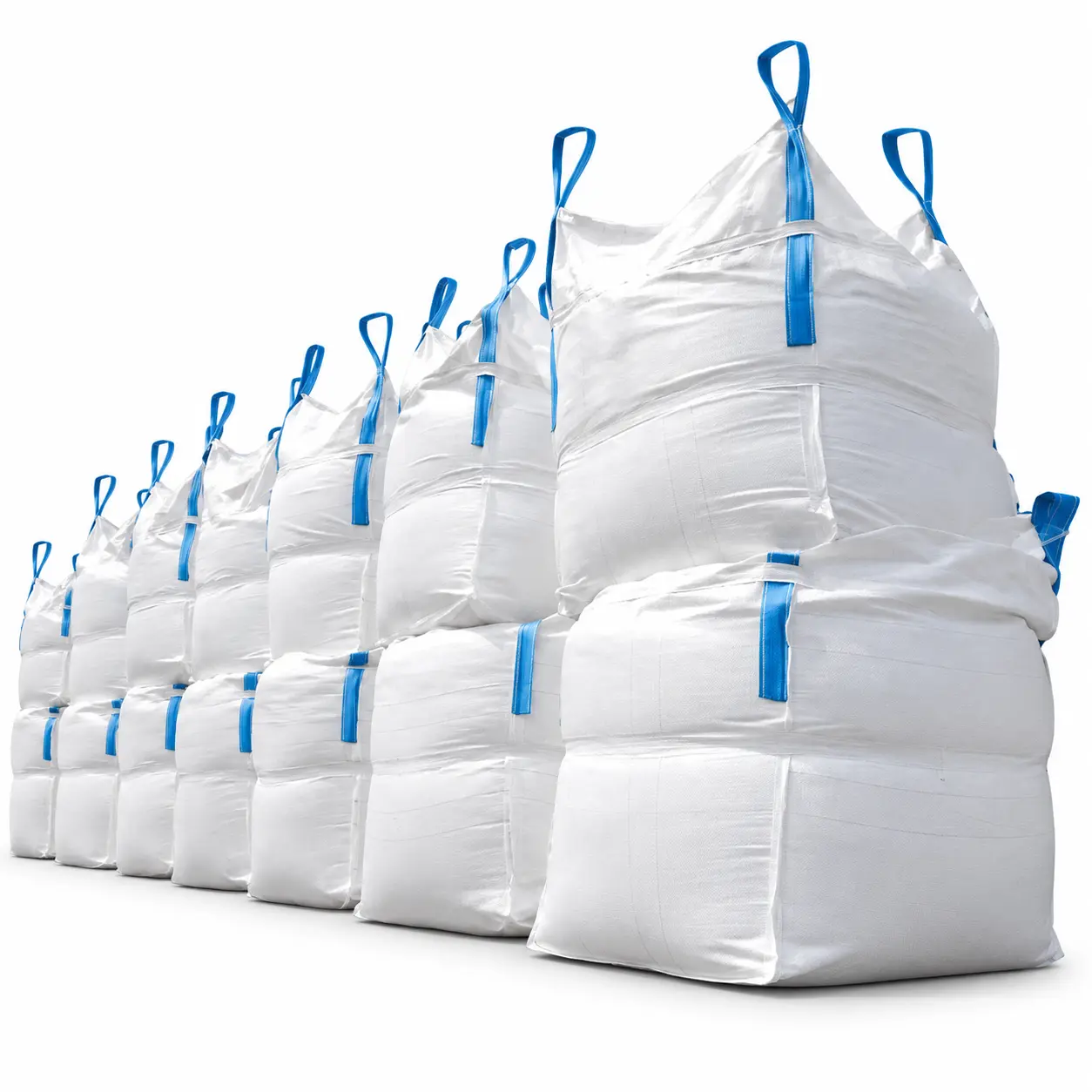
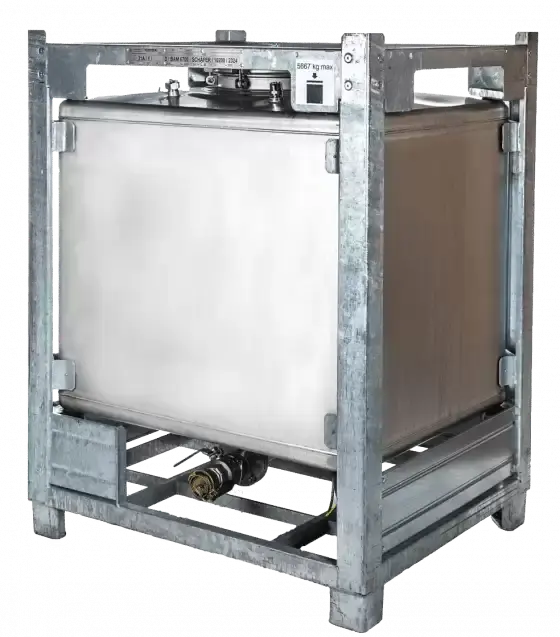
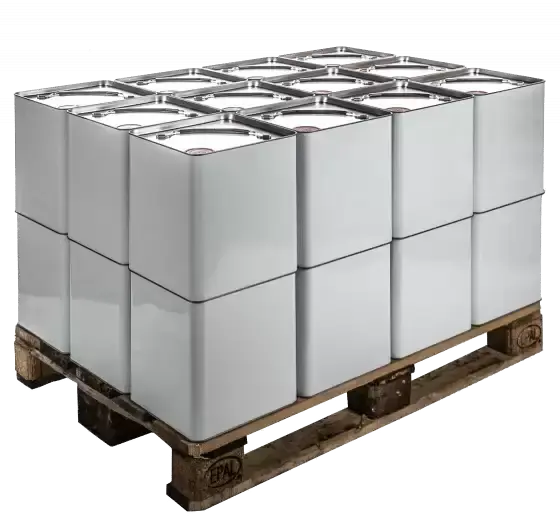
Store Sodium Thiosulfate in a tightly closed, clearly labelled container in a cool, dry area, following the supplier’s recommendations. Protect the material from incompatible substances and contamination. Consult the product-specific Safety Data Sheet (SDS) for handling precautions, personal protective equipment, storage conditions, spill management, and disposal requirements. Avoid unnecessary contact with the eyes and skin, and follow applicable workplace safety procedures.
Conclusion
Sodium Thiosulfate is a versatile inorganic chemical used in water treatment, industrial processing, photographic applications, and laboratory analysis. Its reducing properties and ability to neutralise certain chlorine-containing compounds make it useful across a range of technical applications. Businesses should select the appropriate grade based on purity requirements, intended use, and supplier specifications.