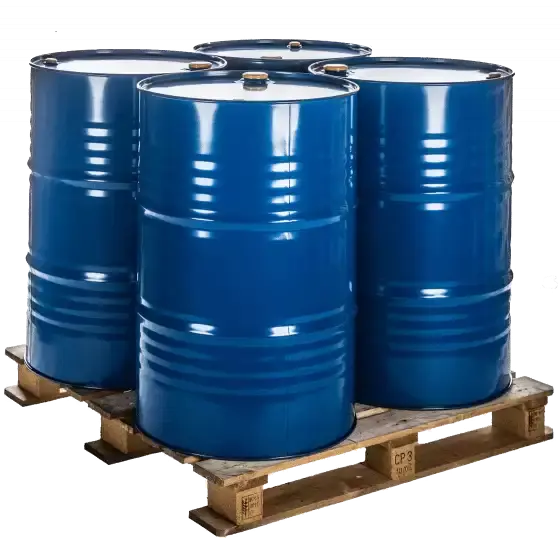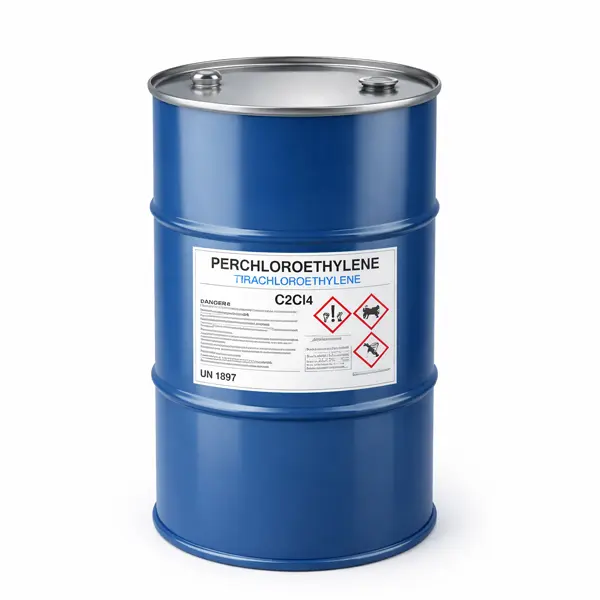

Trichloroethylene (TCE) – Industrial Solvent for Specialized Cleaning and Manufacturing
Trichloroethylene (TCE) is a chlorinated organic chemical historically used as an industrial solvent for metal degreasing, precision cleaning, and selected chemical manufacturing processes. Known for its strong solvent properties and ability to dissolve oils, greases, and certain organic substances, trichloroethylene has been used in applications where effective removal of industrial contaminants is required. However, because of its significant health risks and environmental concerns, its use is heavily restricted or regulated in many jurisdictions.
Key Properties and Characteristics of Trichloroethylene
Trichloroethylene has the chemical formula C₂HCl₃ and is typically a clear, colorless liquid with a sweet, chloroform-like odor. It is a volatile chlorinated solvent with limited water solubility and good solvency for many oils, fats, and organic materials.
Its chemical properties historically made it useful for industrial cleaning and degreasing. Nevertheless, its volatility and hazardous nature require careful consideration of applicable regulations, exposure controls, and safer alternatives.
Industrial Applications of Trichloroethylene
Trichloroethylene has traditionally been used for vapor degreasing and cleaning metal components in manufacturing environments. It has also been used in selected industrial processes as a solvent and chemical intermediate.
Due to its classification as a human carcinogen and its potential to contaminate soil and groundwater, many former applications have been phased out or restricted. Businesses must verify the current legal status of trichloroethylene for their specific application and location before considering its use.
Benefits and Technical Considerations
Historically, trichloroethylene offered effective removal of oils and greases, rapid solvent action, and suitability for certain industrial cleaning systems. These properties contributed to its use in precision manufacturing and metalworking.
Today, technical performance must be weighed against its substantial health, environmental, compliance, and disposal risks. Depending on the application, less hazardous alternatives may include aqueous cleaning systems, modified alcohol-based solvents, or other approved industrial degreasers.
Safety, Regulations and Environmental Responsibility
Trichloroethylene presents serious health hazards, including cancer risk, and exposure can affect the nervous system and other organs. Inhalation and skin contact should be prevented through appropriate industrial controls. Any handling must follow the applicable safety data sheet, occupational exposure requirements, and environmental regulations.
Storage, transport, emissions, waste handling, and disposal may be subject to strict legal requirements. Businesses should consult qualified environmental, health, and safety professionals before working with this substance.
Responsible Industrial Solvent Selection
Although trichloroethylene has a long history in industrial cleaning and chemical processing, its hazardous properties have led to increasing restrictions and replacement by safer technologies. Selecting an appropriate cleaning solvent requires evaluating performance, worker safety, environmental impact, and local regulatory requirements.
For manufacturers and industrial operators, prioritizing compliant products and safer alternatives supports responsible operations and long-term sustainability.