Hydrofluoric Acid – Industrial Chemical for Glass Etching, Metal Treatment, and Chemical Manufacturing
Introduction
Hydrofluoric Acid is a highly corrosive and toxic inorganic acid widely used in specialized industrial applications, including glass etching, metal surface treatment, semiconductor manufacturing, and the production of fluorine-containing chemicals.
With the chemical formula HF and CAS number 7664-39-3, Hydrofluoric Acid is an aqueous solution of hydrogen fluoride. It is typically a clear, colorless liquid, although concentrated solutions may release visible fumes.
Despite being classified chemically as a weak acid, Hydrofluoric Acid is exceptionally hazardous because fluoride ions can penetrate body tissues and cause severe local injuries and potentially life-threatening systemic toxicity. Its industrial use requires specialized equipment, trained personnel, and strict safety procedures.
Industrial Applications
- Glass Etching and Frosting: Used in controlled industrial processes to etch, frost, and modify glass surfaces.
- Metal Surface Treatment: Applied in selected metal pickling, cleaning, and surface preparation processes.
- Semiconductor Manufacturing: Used in specialized semiconductor fabrication processes for removing silicon dioxide and preparing compatible surfaces.
- Chemical Manufacturing: Serves as a raw material for producing various inorganic and organic fluorine-containing compounds.
- Petroleum Refining: Anhydrous hydrogen fluoride is used as a catalyst in certain industrial alkylation processes.
- Mineral Processing: Used in selected mineral treatment and purification processes.
- Specialty Industrial Processing: Applied in controlled manufacturing operations requiring fluoride-based chemistry.
Key Benefits
- Specialized Etching Performance: Reacts with silica-containing materials, supporting controlled glass and semiconductor processing.
- Metal Treatment Applications: Useful in selected industrial surface-treatment formulations.
- Fluorine Chemical Production: An important raw material for manufacturing fluorides and other fluorine-containing compounds.
- Industrial Processing Versatility: Supports specialized applications across chemical manufacturing and material processing.
- Multiple Concentration Options: Available in different aqueous concentrations according to supplier specifications.
- Defined Chemical Properties: Supports specification-based selection for controlled industrial operations.
Product Specifications
| Property | Details |
|---|---|
| Product Name | Hydrofluoric Acid |
| Chemical Name | Hydrogen Fluoride, Aqueous Solution |
| Synonyms | Fluorhydric Acid, Aqueous Hydrogen Fluoride, HF Acid |
| CAS Number | 7664-39-3 |
| Chemical Formula | HF |
| Molecular Weight | 20.01 g/mol (hydrogen fluoride) |
| Appearance | Clear, colorless liquid; concentrated solutions may fume |
| Odor | Pungent, irritating odor; not a reliable exposure warning |
| Water Solubility | Miscible with water |
| Chemical Nature | Weak acid with severe corrosive and systemic toxicity hazards |
| Common Commercial Concentrations | 40%, 49%, 70%, and other concentrations, subject to supplier availability |
| Flammability | Not inherently flammable; may react with certain metals to release flammable hydrogen |
| Typical Applications | Glass etching, metal treatment, semiconductor processing, chemical manufacturing |
| Available Grades | Industrial, technical, and specialized high-purity grades |
Note: Physical properties such as density, boiling point, vapor pressure, and freezing point vary significantly with concentration. Confirm the exact concentration and specifications using the supplier's technical data sheet and certificate of analysis.
Storage and Handling
Hydrofluoric Acid is an extremely hazardous chemical that can cause deep tissue burns, severe eye injuries, and potentially fatal systemic poisoning. Exposure may not produce immediate pain or visible symptoms, particularly with dilute solutions.
Store the product only in specifically approved, compatible containers and containment systems. Hydrofluoric Acid attacks glass and many other materials, so ordinary glass containers must never be used. Storage materials must be verified for compatibility with the supplied concentration.
Keep containers securely closed in designated, well-ventilated chemical storage areas. Separate the material from incompatible chemicals, including strong bases and reactive metals.
Handling must be restricted to appropriately trained personnel using suitable engineering controls, HF-rated personal protective equipment, and established emergency procedures.
Facilities should maintain immediate access to emergency washing equipment, suitable exposure-response materials, and trained medical assistance. Calcium gluconate gel is commonly included in HF skin-exposure response protocols, but it is not a substitute for immediate decontamination and emergency medical treatment.
Any suspected exposure to Hydrofluoric Acid requires immediate medical attention, even if symptoms are initially absent. Follow the product-specific Safety Data Sheet (SDS) and approved emergency response procedures.
Quality and Supply
Hydrofluoric Acid should be selected according to the required concentration, purity, impurity profile, and intended industrial application.
Buyers should verify the product's technical data sheet, certificate of analysis, Safety Data Sheet, and applicable regulatory requirements before purchasing.
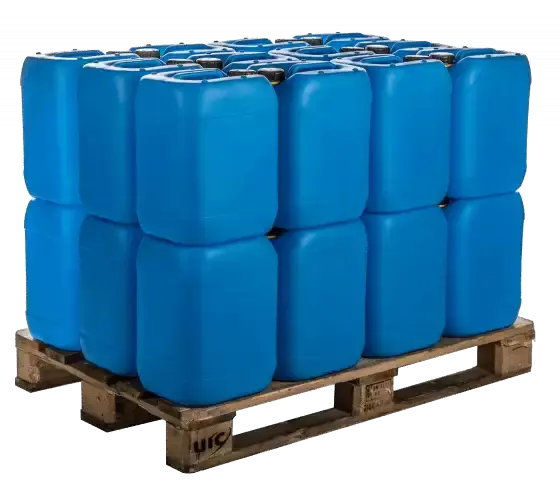
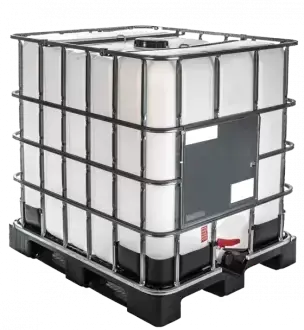
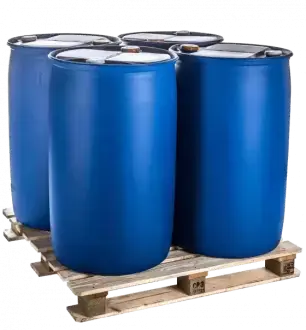
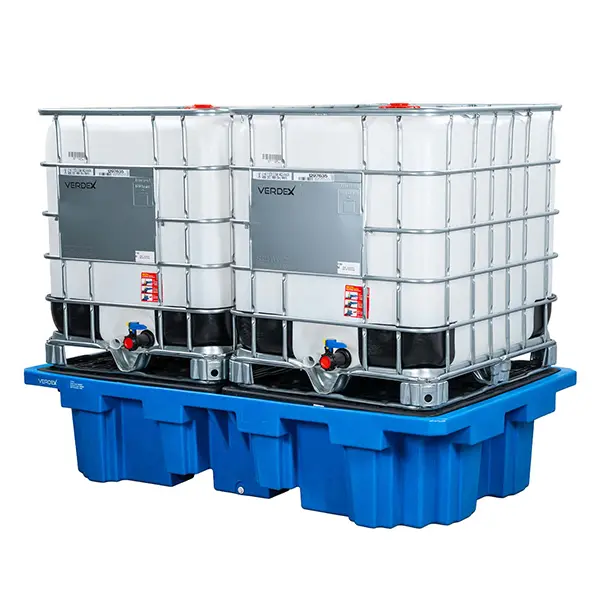
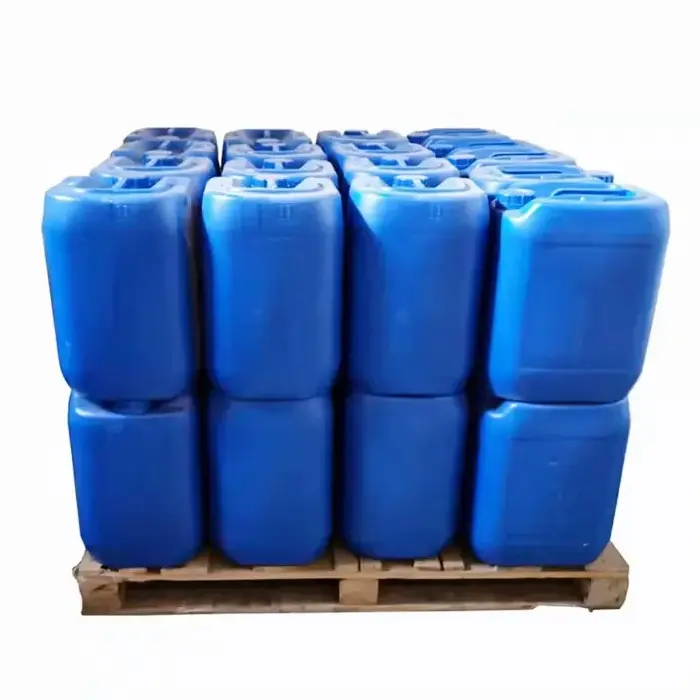
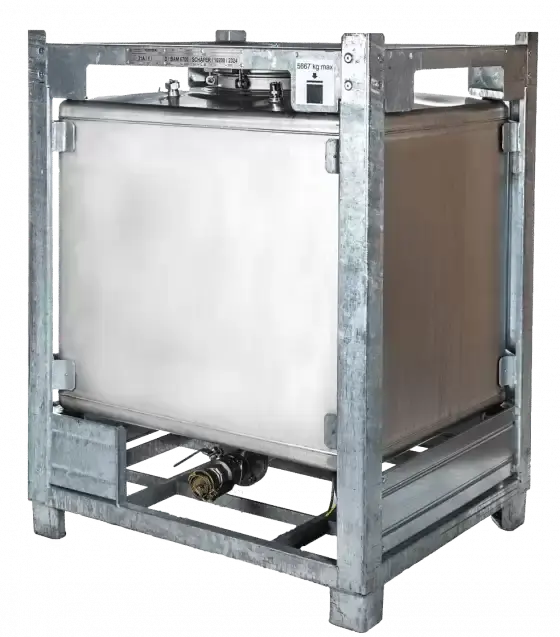
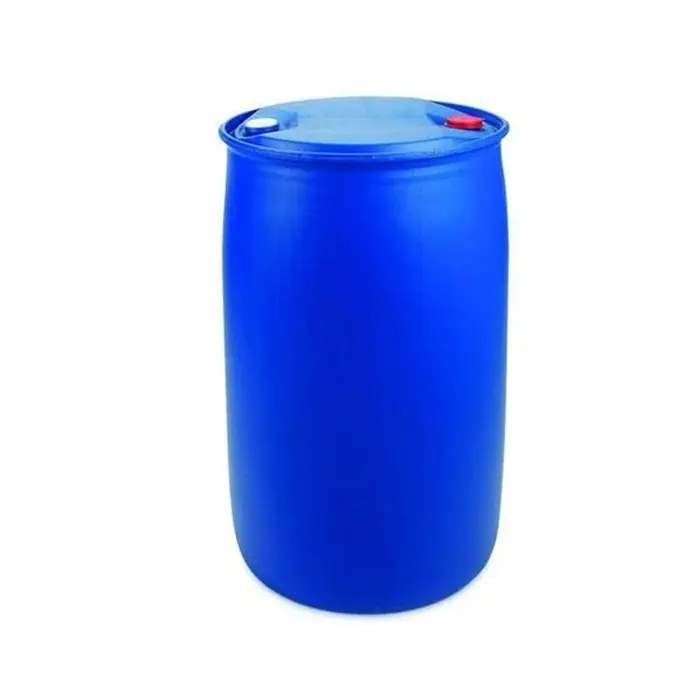
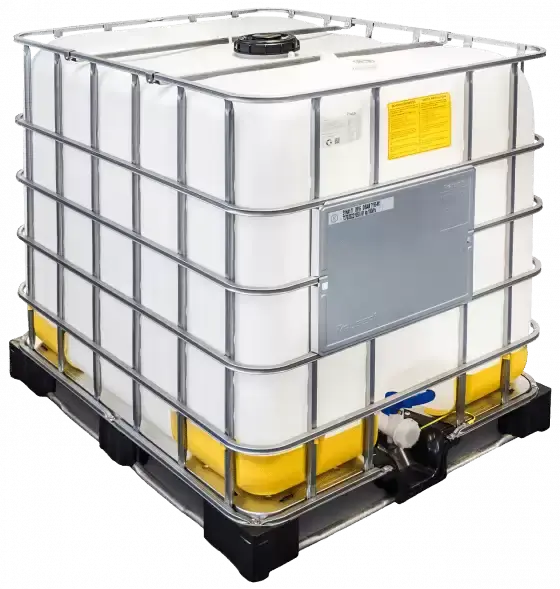
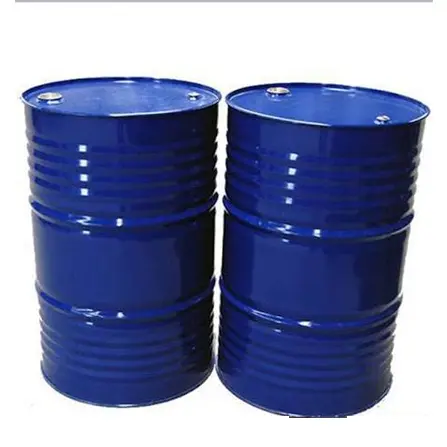
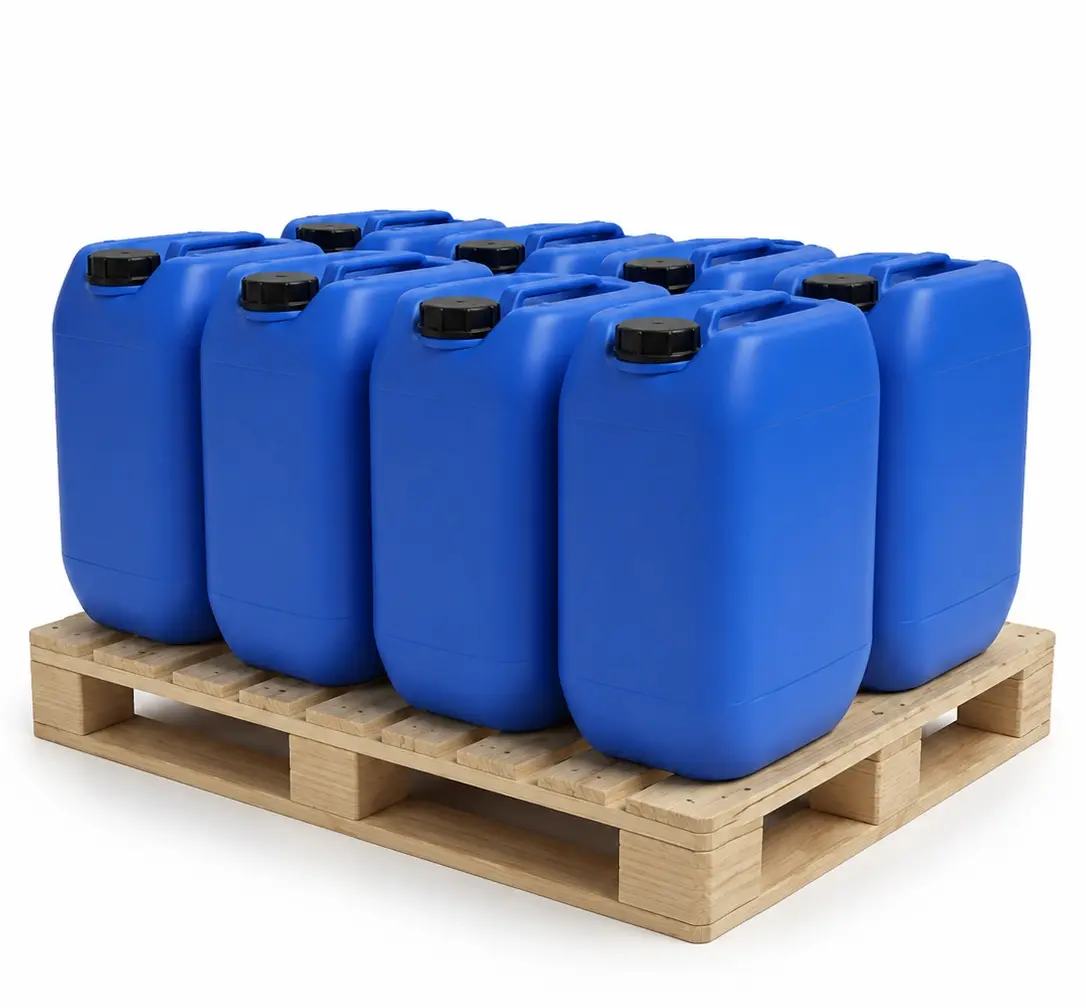
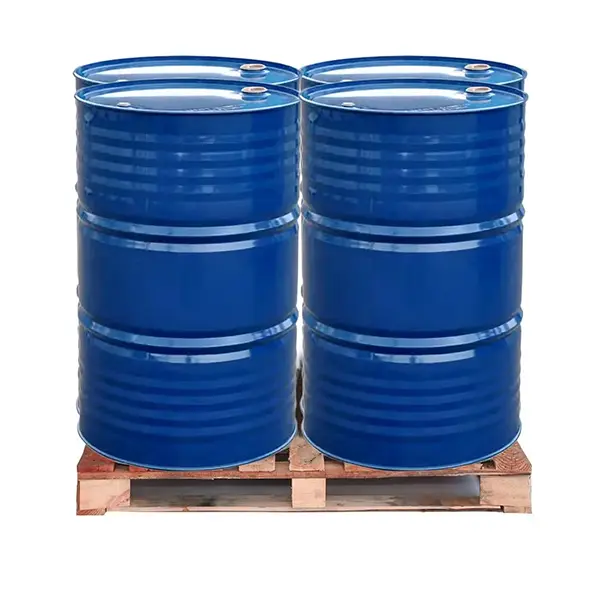
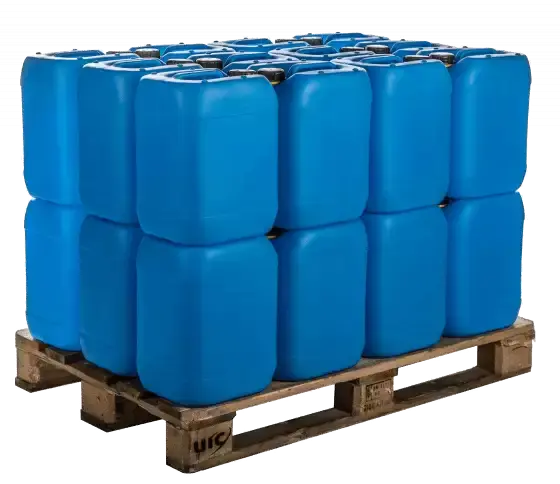
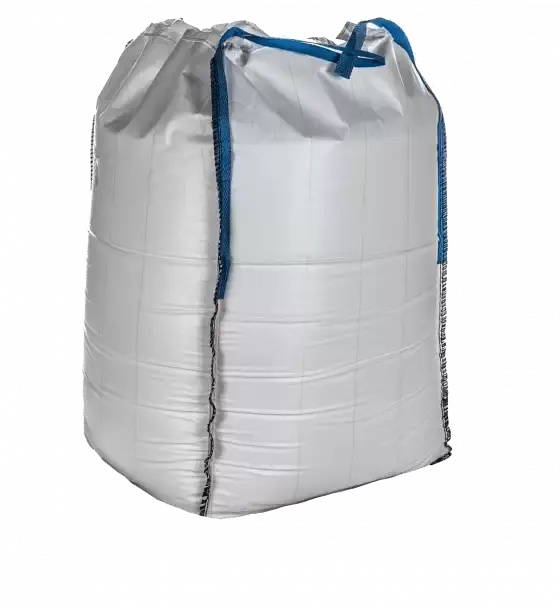
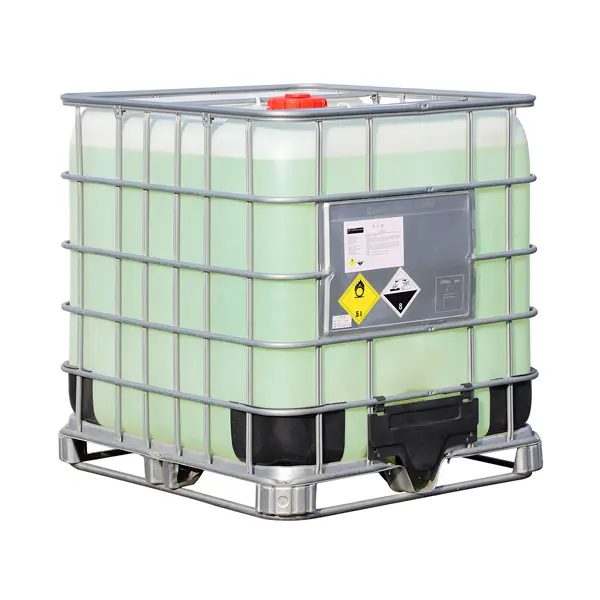
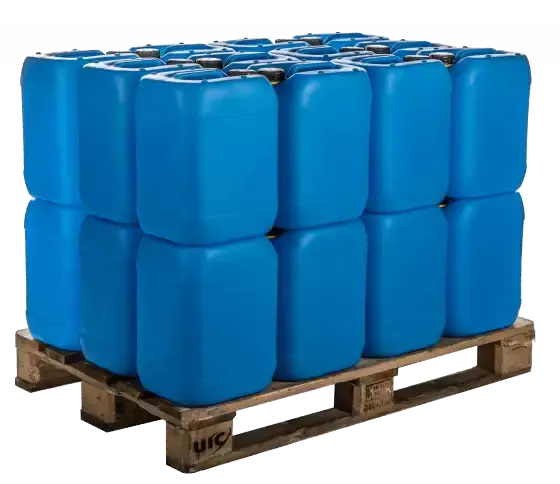
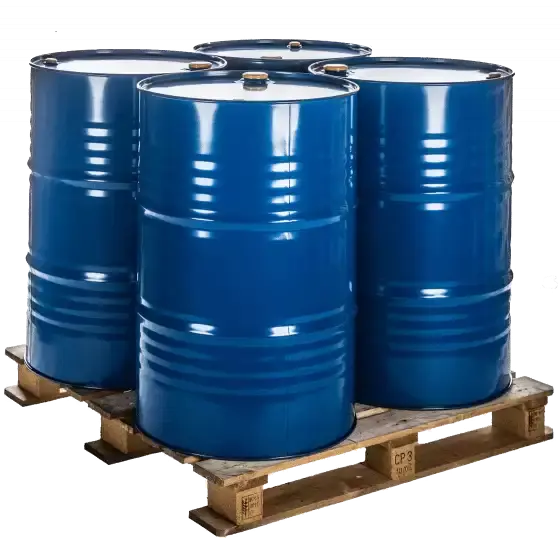
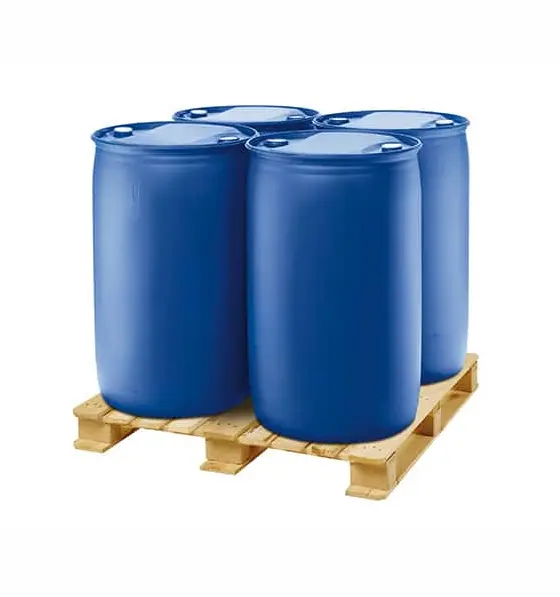
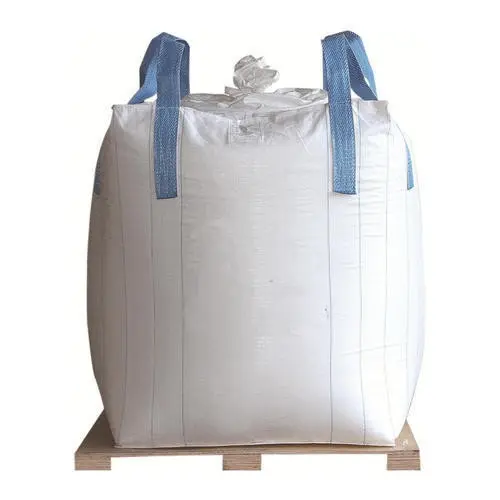
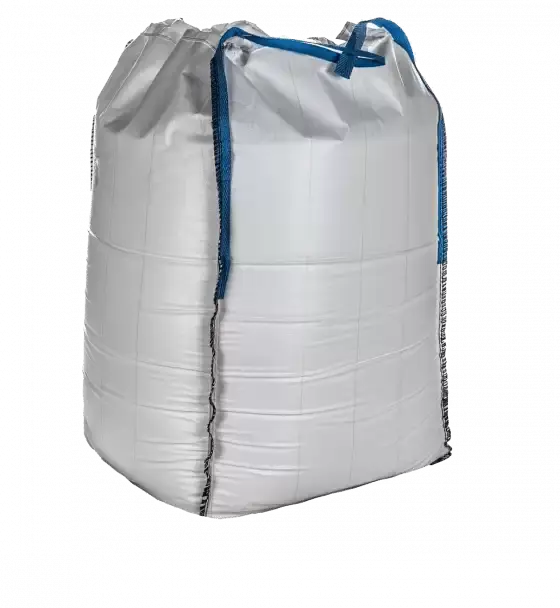
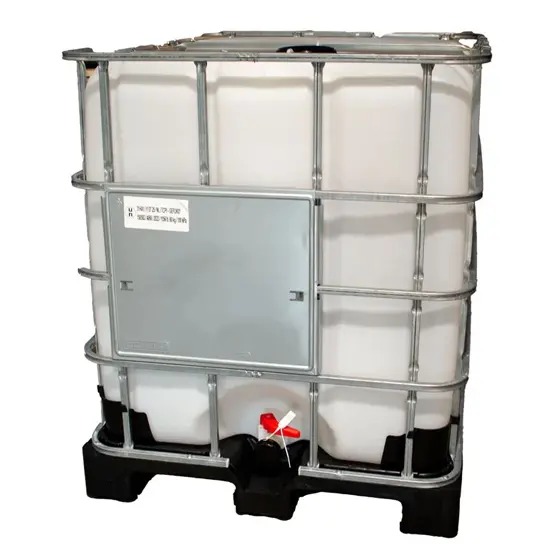
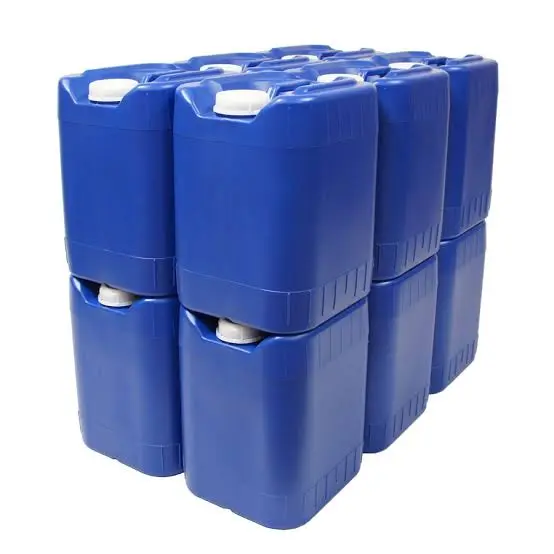
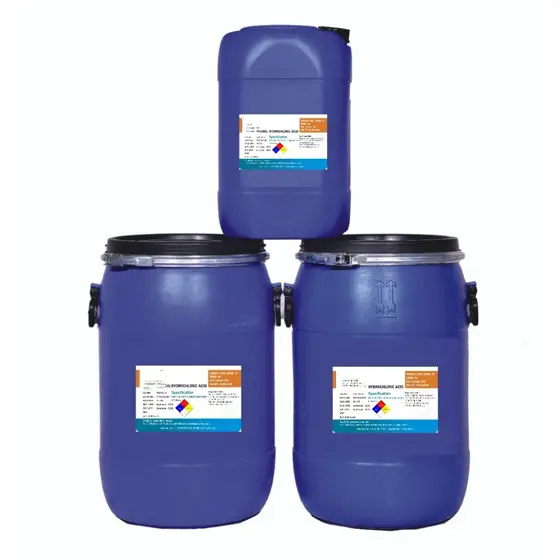
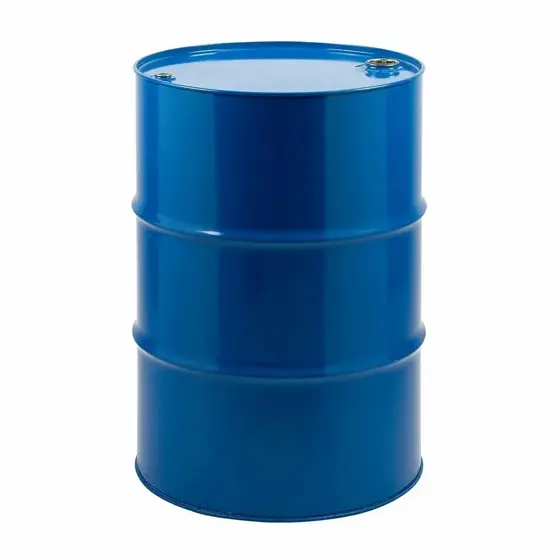
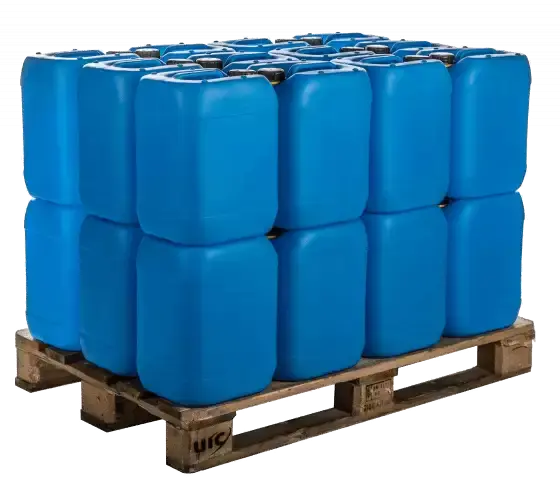
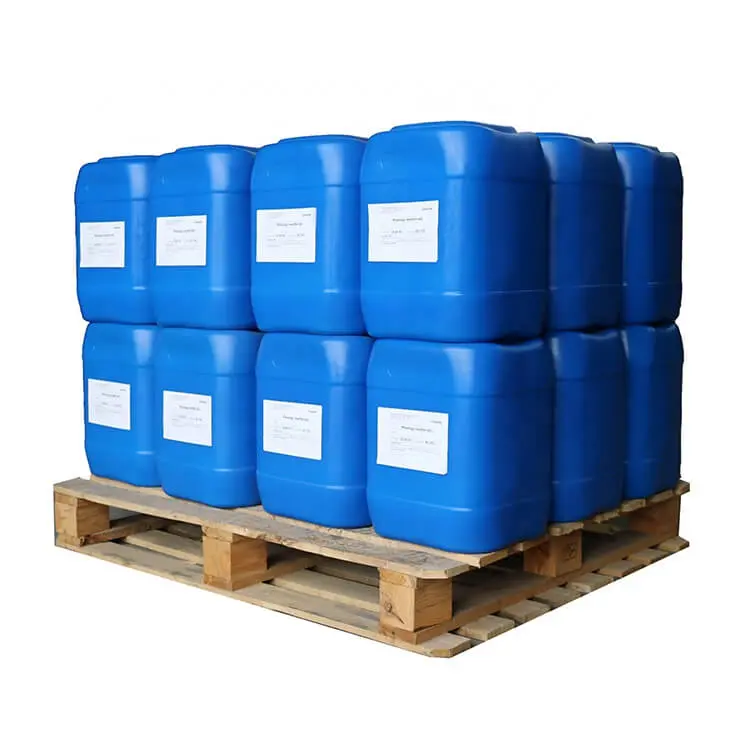
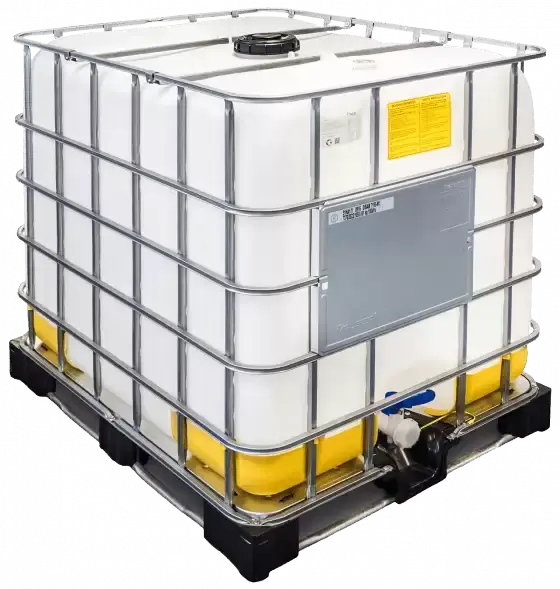
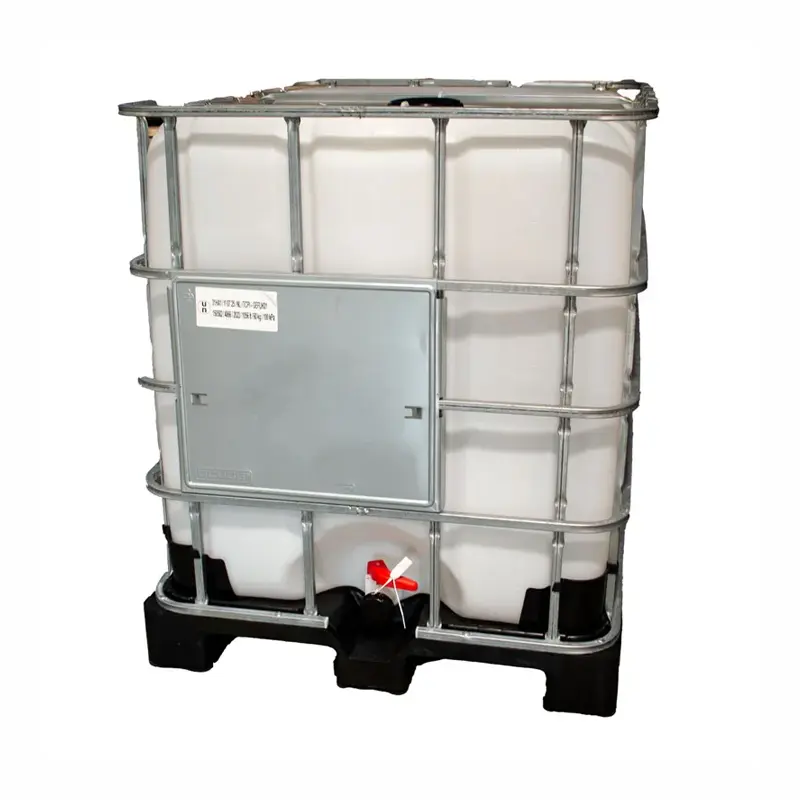
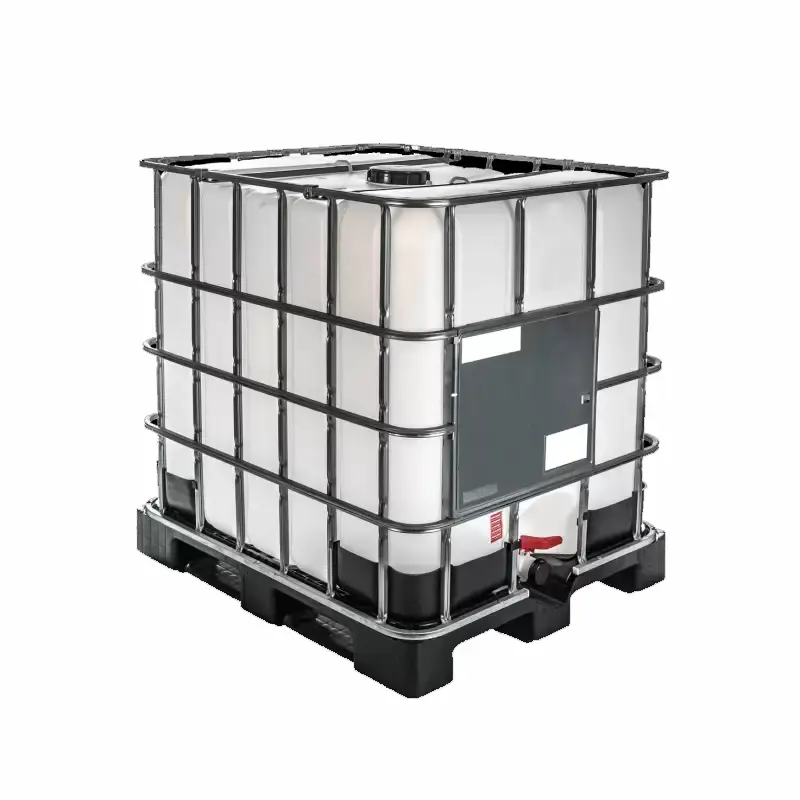
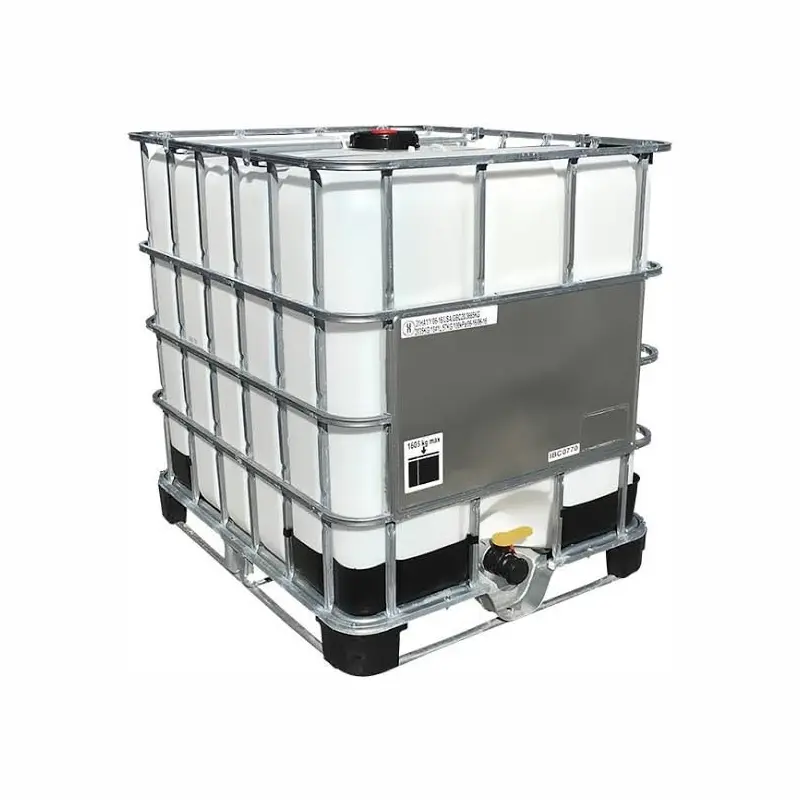
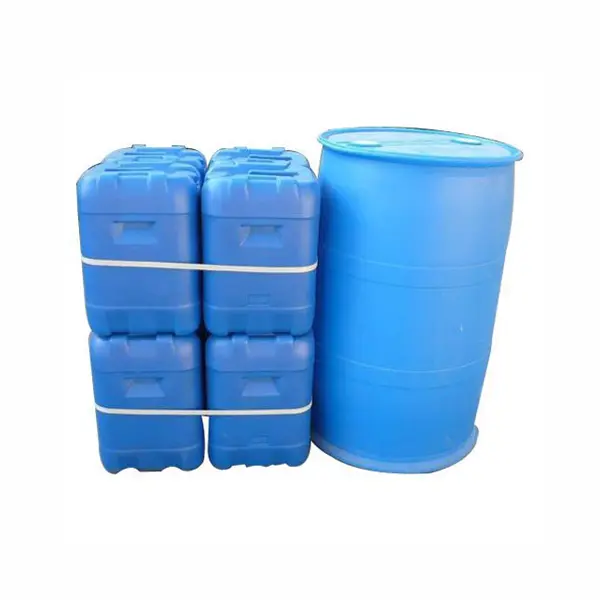
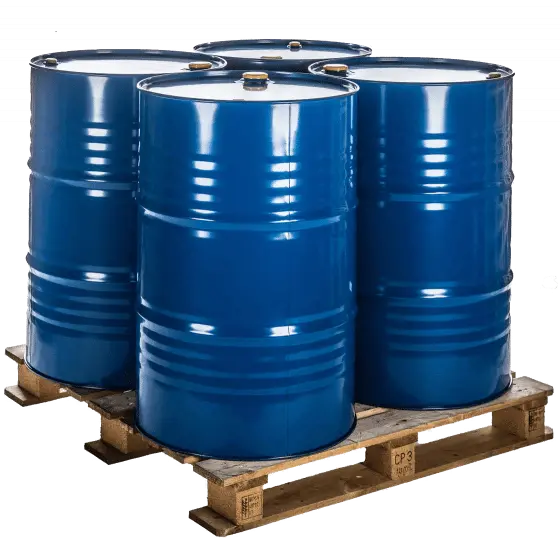
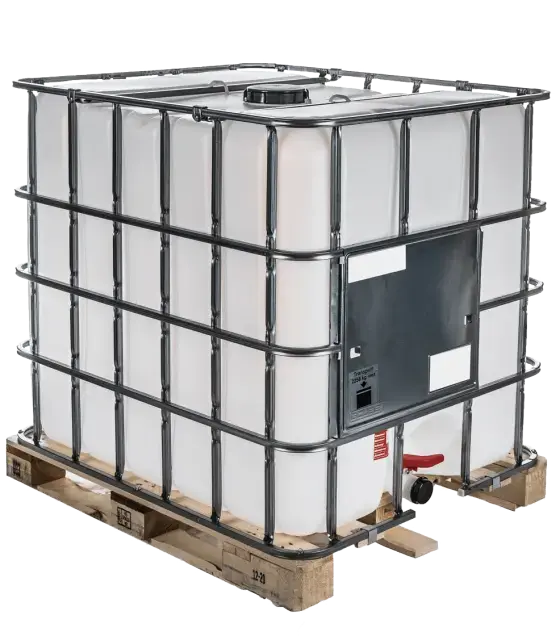
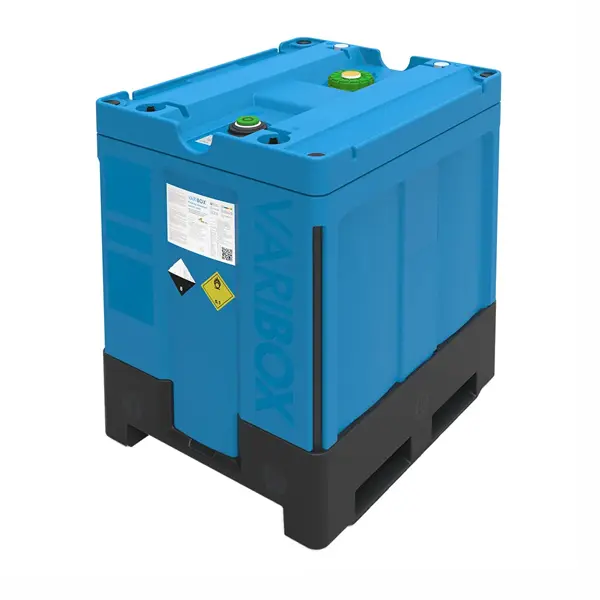
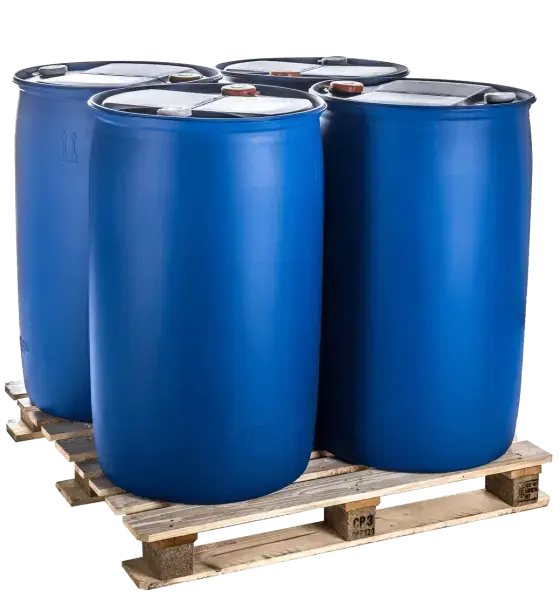
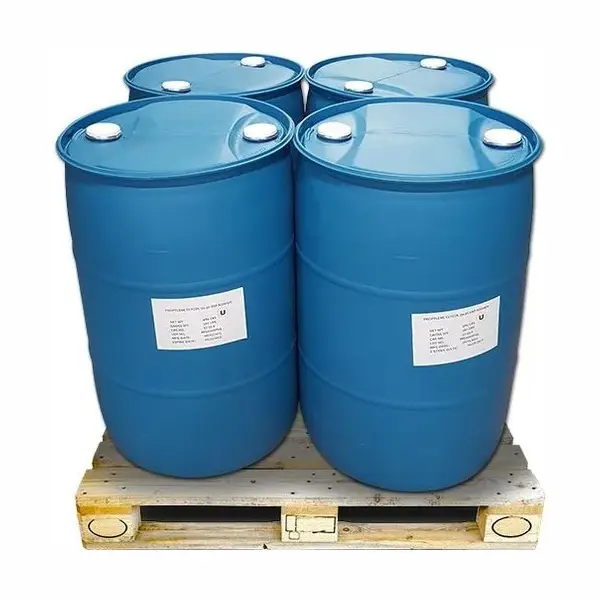
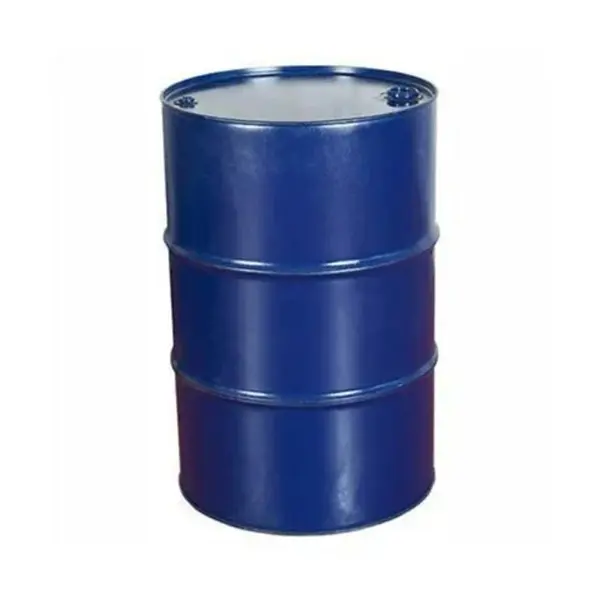
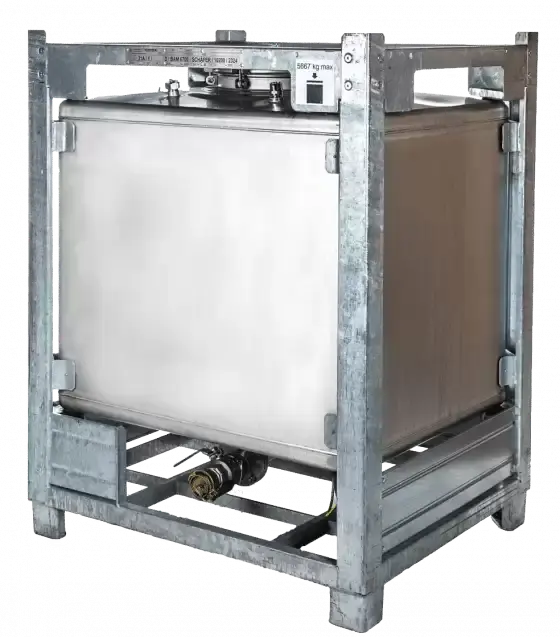
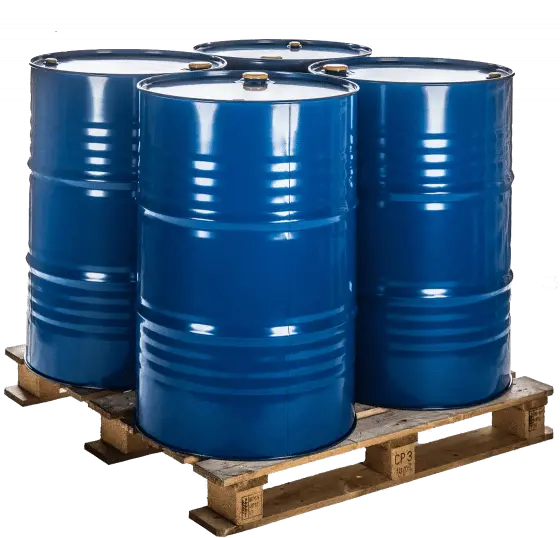
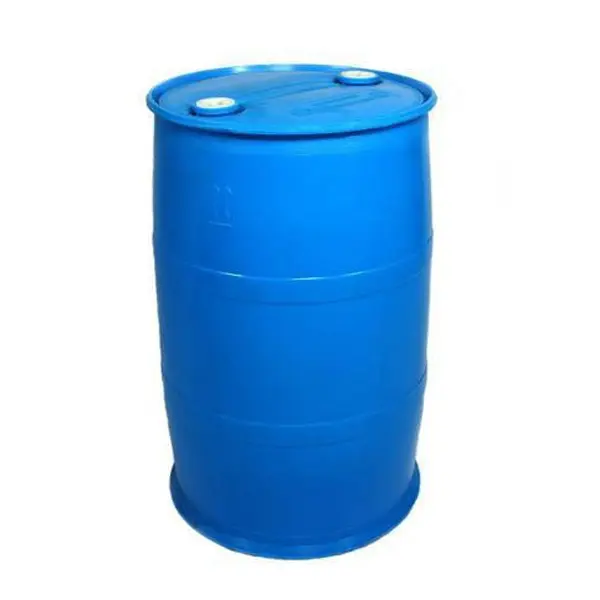
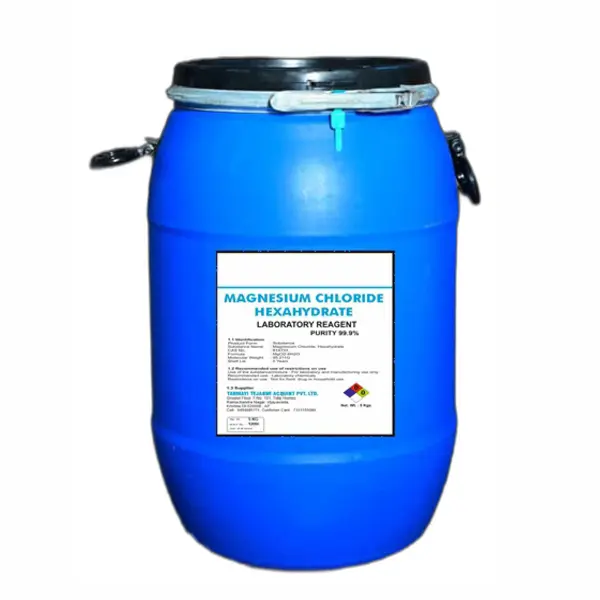
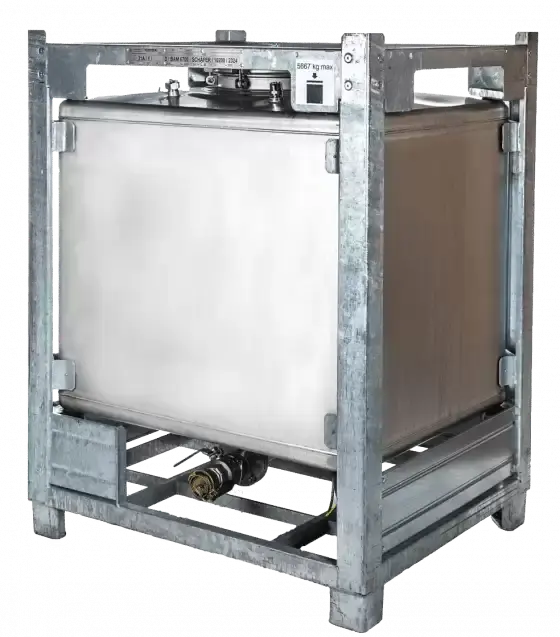
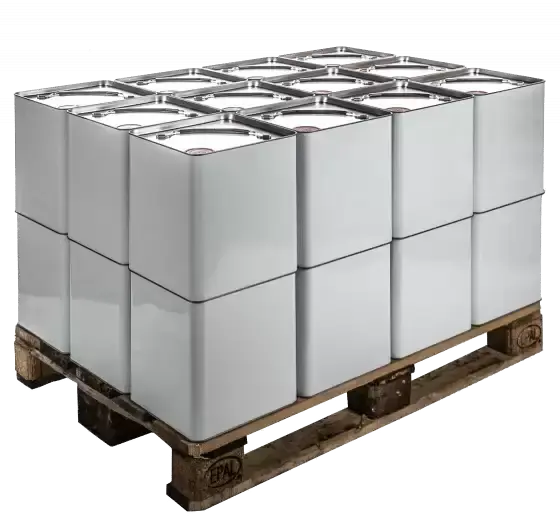
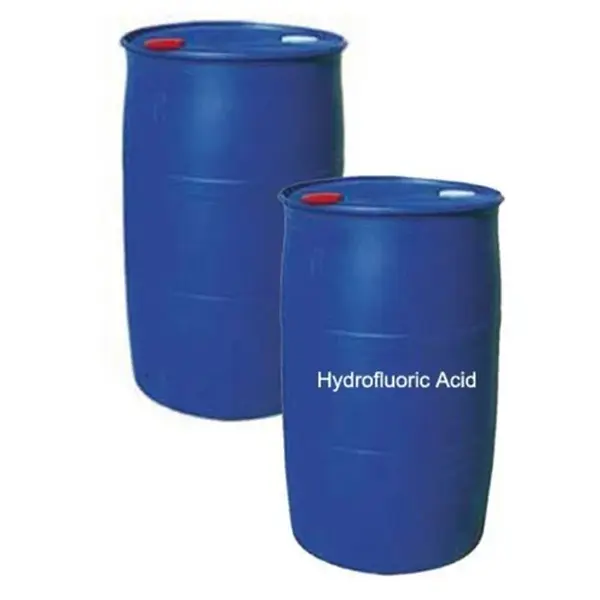
Depending on supplier availability, Hydrofluoric Acid may be supplied in specialized chemical-resistant packaging or approved bulk transport systems. Packaging, storage, transportation, and delivery must comply with applicable hazardous chemical regulations.
Conclusion
Hydrofluoric Acid is an important industrial chemical used in glass etching, semiconductor manufacturing, metal treatment, and fluorine-based chemical production. Its distinctive chemical reactivity makes it valuable for specialized manufacturing applications.
However, its severe corrosive and systemic toxicity hazards demand exceptional care. Appropriate grade selection, compatible equipment, trained personnel, and comprehensive emergency procedures are essential for responsible industrial use.