Polyethylene Glycol – Versatile Polyether for Pharmaceutical, Cosmetic and Industrial Applications
Introduction
Polyethylene Glycol (PEG) is a family of water-soluble polyether compounds produced through the polymerization of ethylene oxide. It is available in a range of molecular weights, from low-viscosity liquids to waxy solids and flakes. Its solubility, lubricating properties, and compatibility with many formulations make Polyethylene Glycol useful in pharmaceutical manufacturing, cosmetics, personal care products, industrial lubricants, coatings, and chemical processing. The physical properties and suitability of each grade depend on its molecular weight, purity, and intended application.
Industrial Applications
In pharmaceutical manufacturing, appropriate grades of Polyethylene Glycol are used as solvents, carriers, binders, lubricants, and formulation ingredients. Depending on the grade and formulation, PEG may be incorporated into tablets, ointments, creams, and other pharmaceutical products.
In cosmetics and personal care products, Polyethylene Glycol is used in selected creams, lotions, shampoos, cleansers, and other formulations. It can function as a solvent, humectant, emulsifying aid, or viscosity-modifying ingredient, depending on its molecular weight and formulation.
Industrial applications include lubricants, metalworking fluids, coatings, adhesives, and textile processing. PEG may also be used in chemical manufacturing and specialty formulations that require water-soluble polyether compounds. Only grades approved for the relevant application should be used in pharmaceutical, cosmetic, food-related, or other regulated products.
Key Benefits
- Water solubility: Many PEG grades dissolve readily in water, supporting aqueous formulations.
- Multiple physical forms: Available as liquids, pastes, waxy solids, or flakes depending on molecular weight.
- Lubricating properties: Suitable for selected industrial and pharmaceutical lubrication applications.
- Formulation flexibility: Can serve as a solvent, carrier, binder, or other functional ingredient.
- Broad industrial use: Applicable to pharmaceutical, cosmetic, chemical, and manufacturing processes.
- Grade selection: Different molecular weights and purity levels support varying technical requirements.
Product Specifications
| Parameter | Details |
|---|---|
| Product Name | Polyethylene Glycol |
| Abbreviation | PEG |
| Alternative Name | Polyethylene Oxide, depending on molecular weight and product type |
| General Chemical Structure | HO–(CH₂CH₂O)ₙ–H for typical diol grades |
| CAS Number | 25322-68-3 (commonly associated with polyethylene glycol) |
| Appearance | Clear liquid, paste, waxy solid, or flakes, depending on grade |
| Odor | Generally mild or nearly odorless |
| Solubility | Most conventional PEG grades are water-soluble |
| Molecular Weight | Available in multiple grades, such as PEG 200, PEG 400, PEG 1500, PEG 4000, and PEG 6000 |
| Primary Functions | Solvent, carrier, lubricant, binder, formulation aid |
| Common Applications | Pharmaceuticals, cosmetics, personal care, lubricants, coatings, chemical processing |
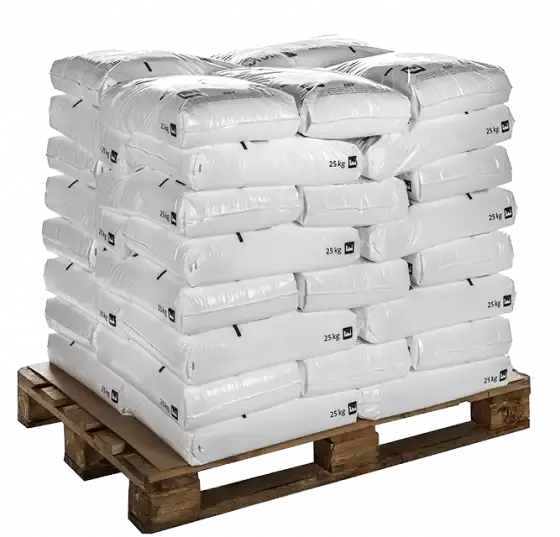
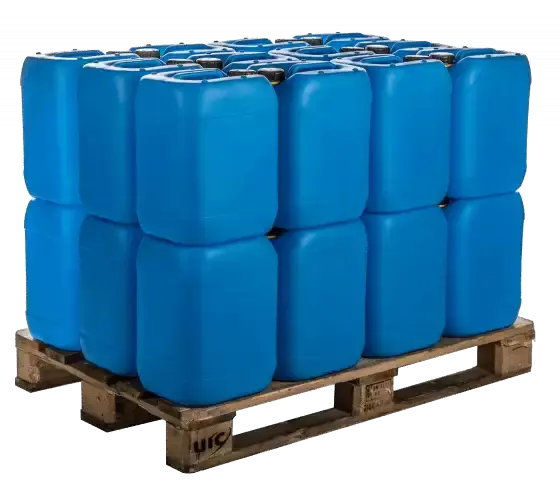
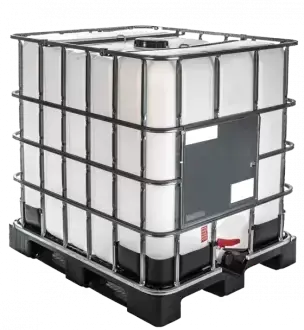
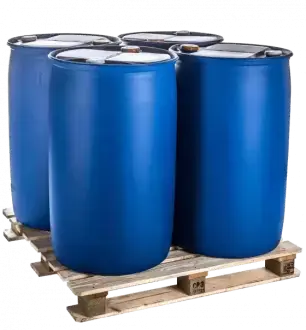
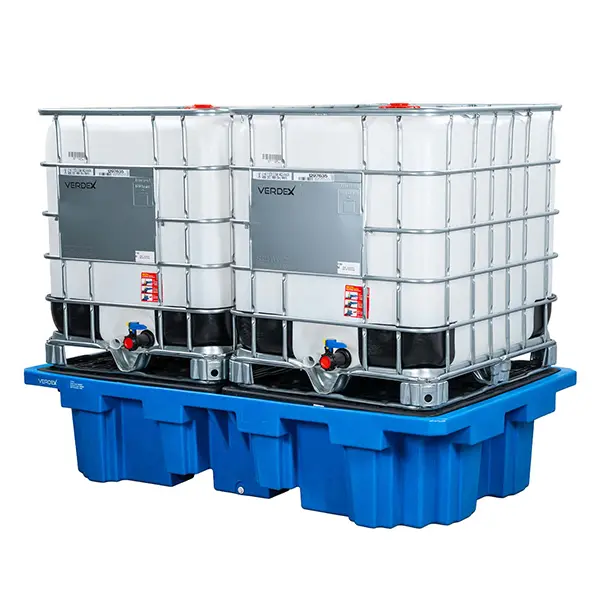
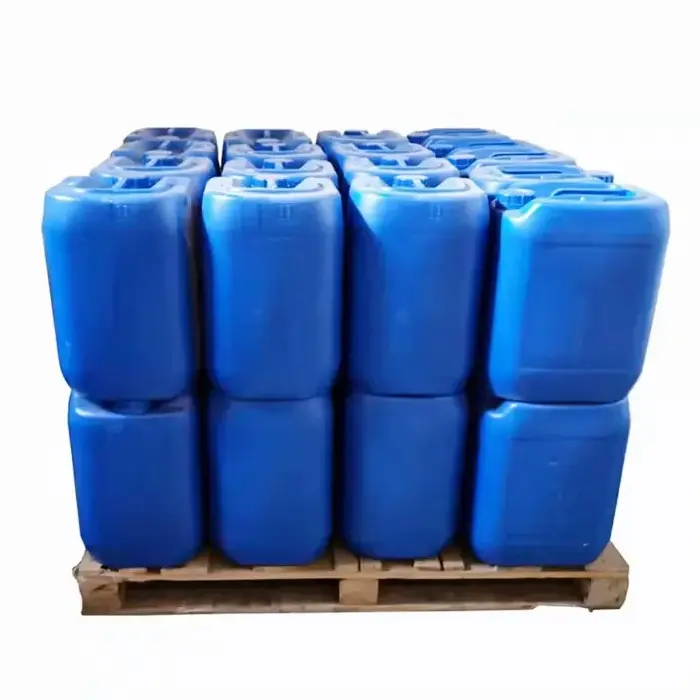
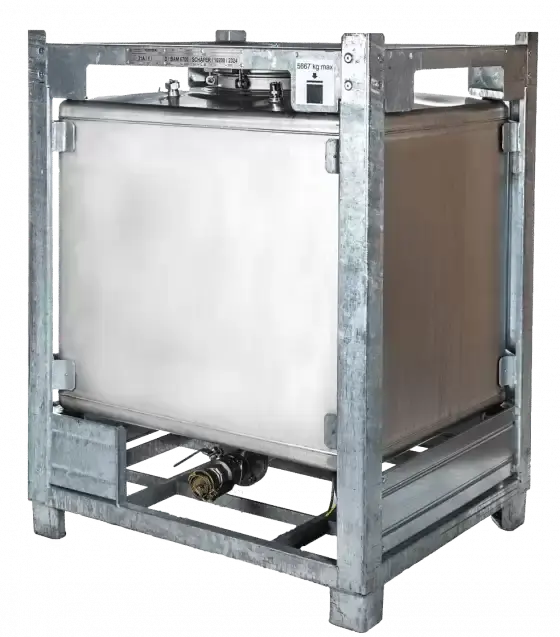
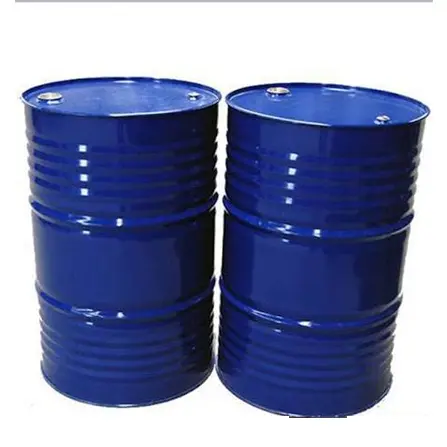
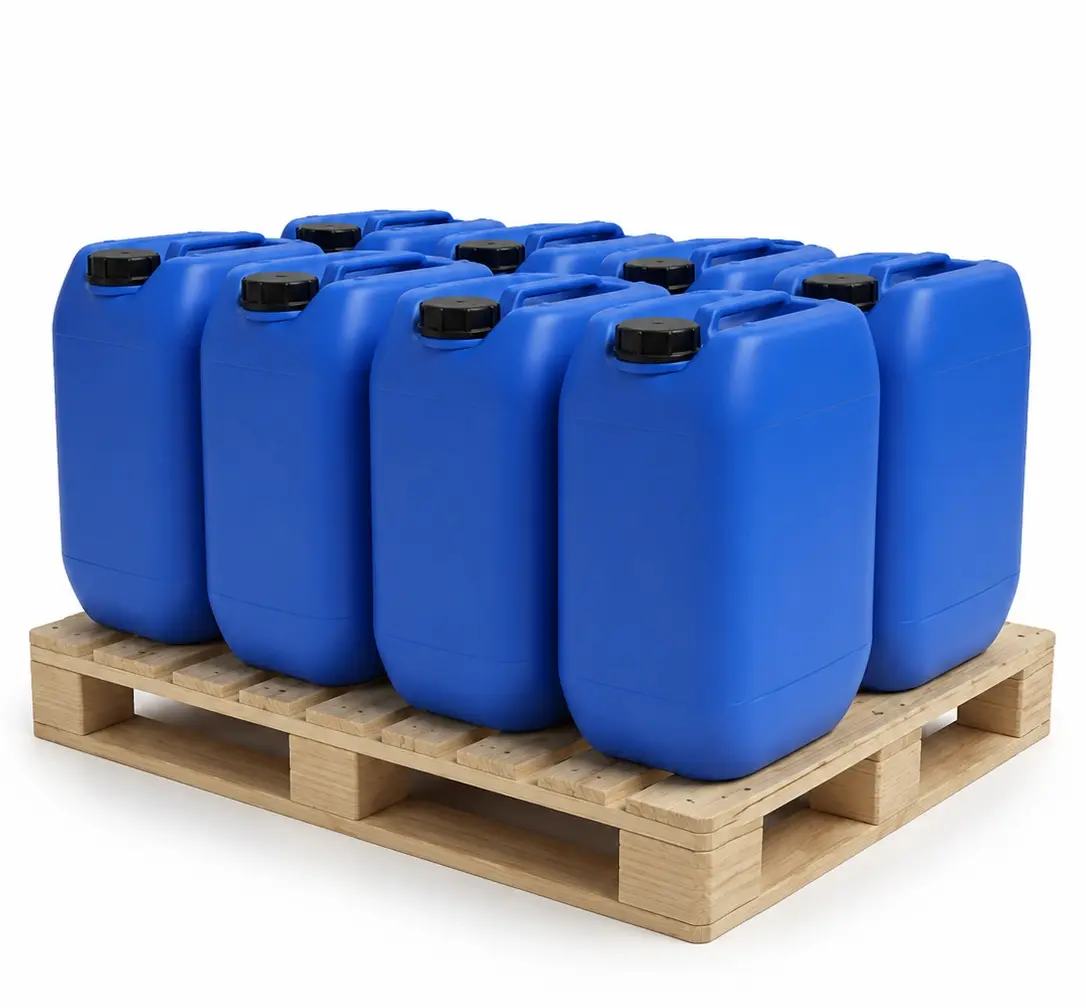
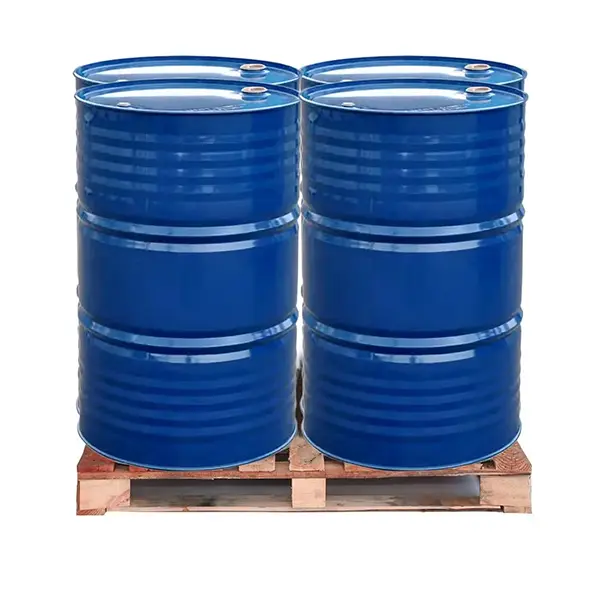
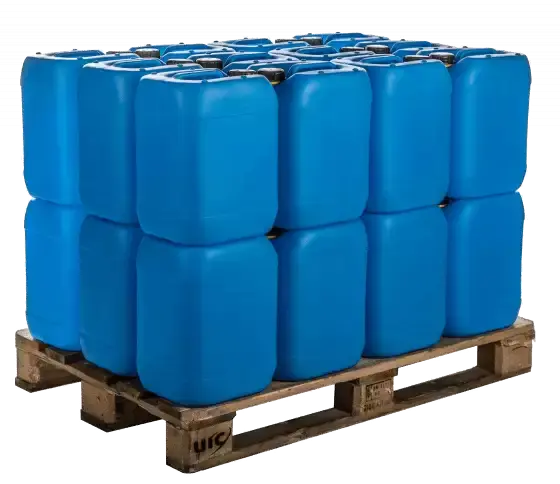
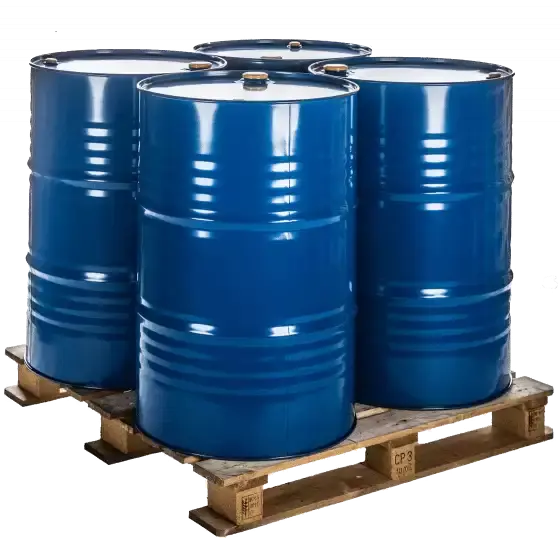
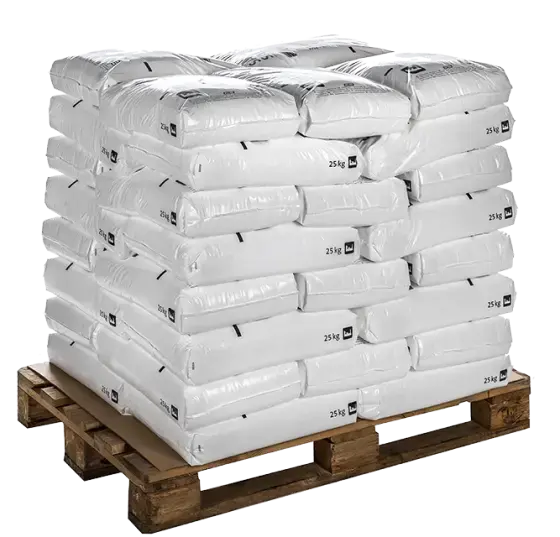
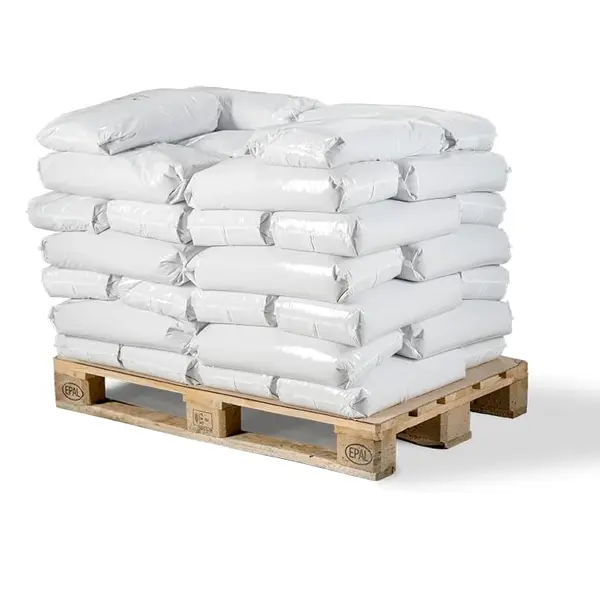
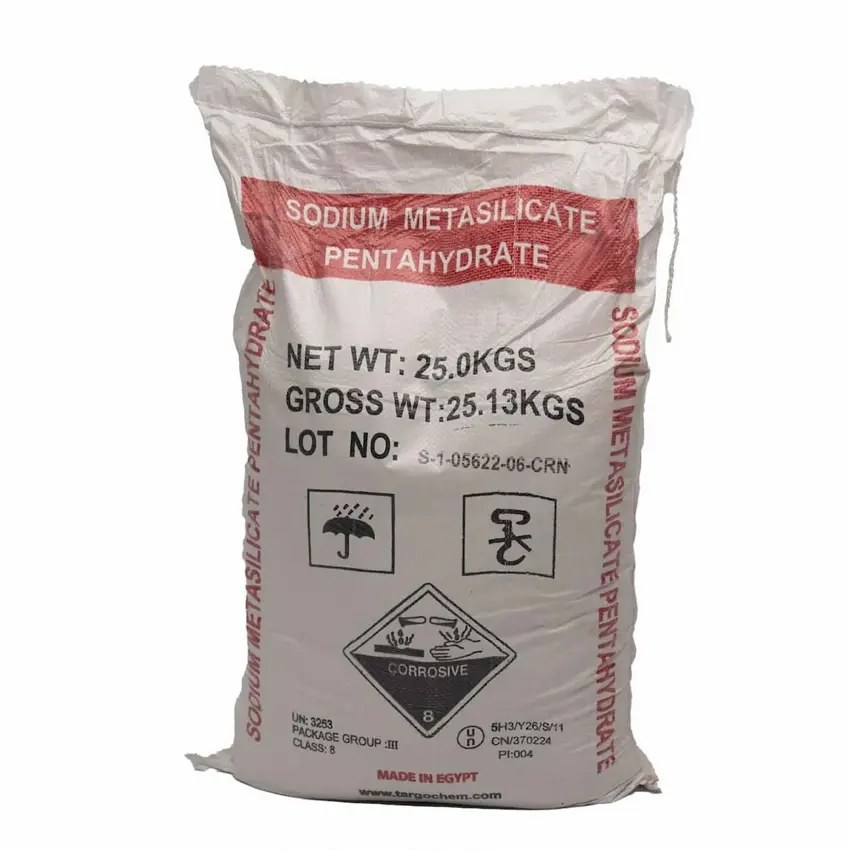
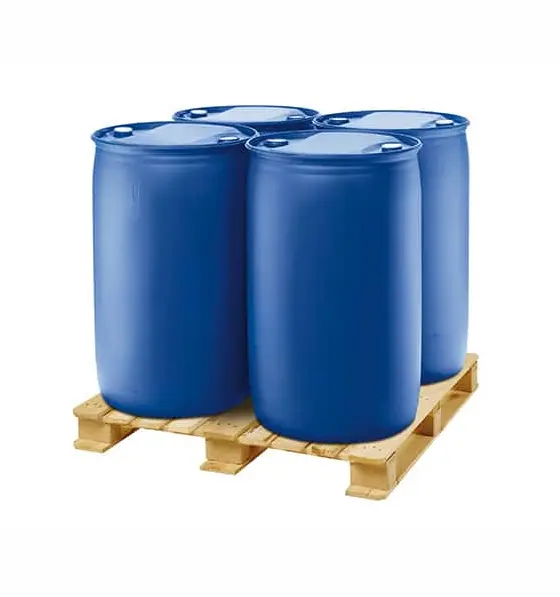
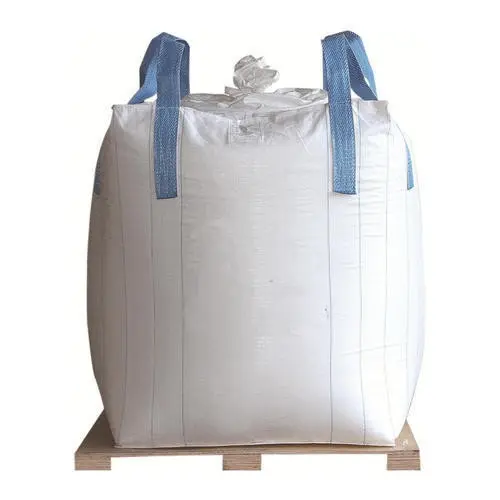
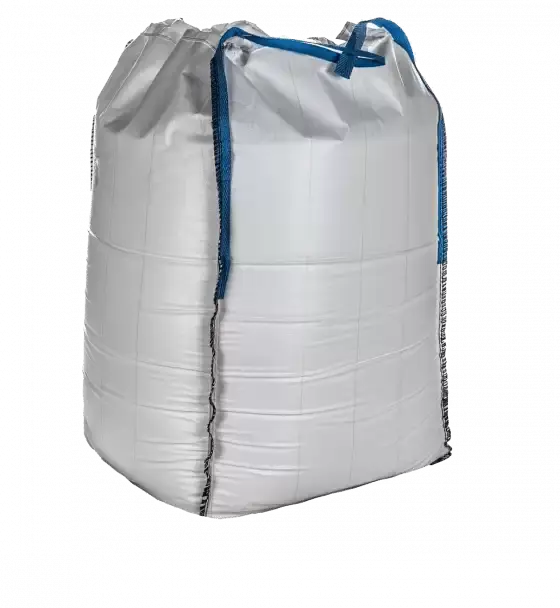
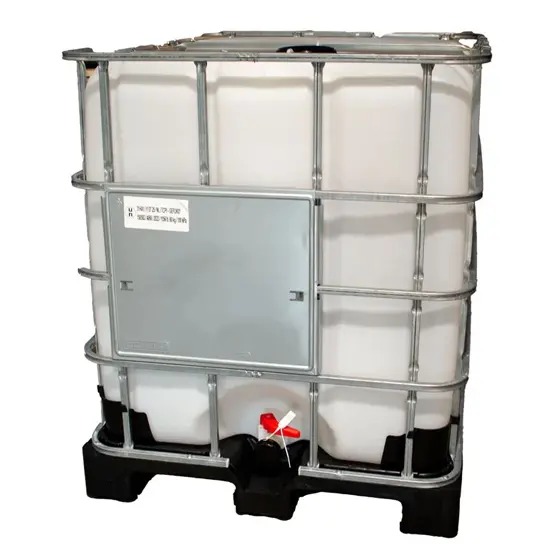
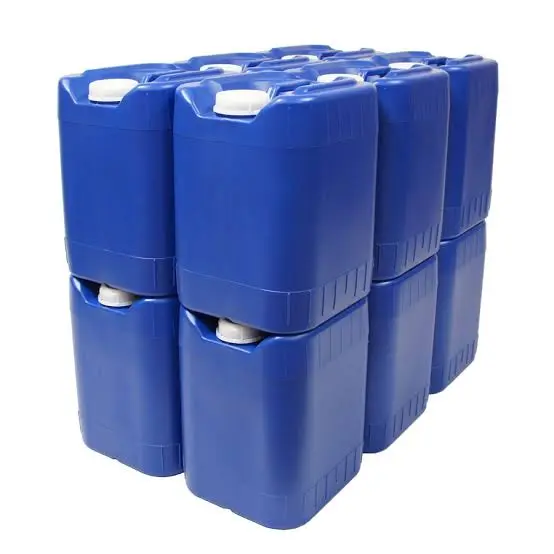
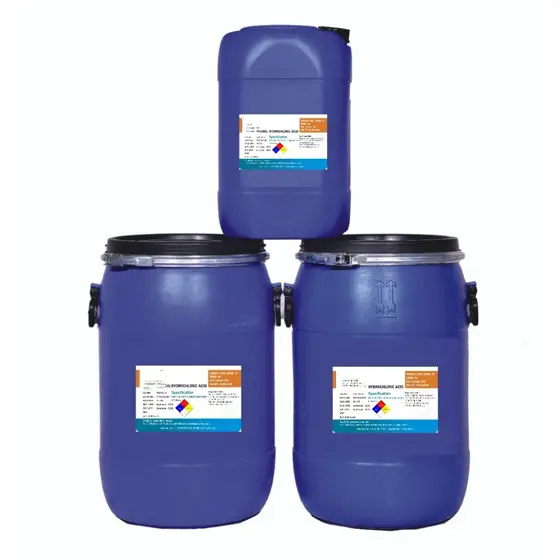
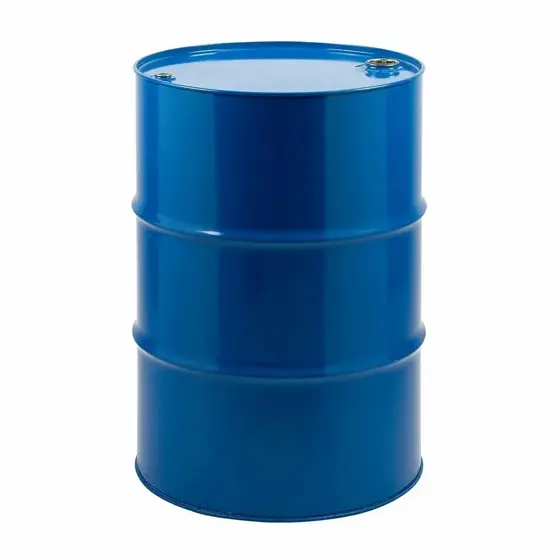
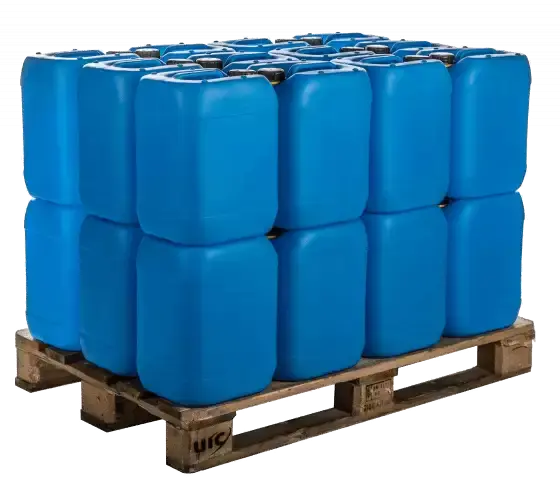
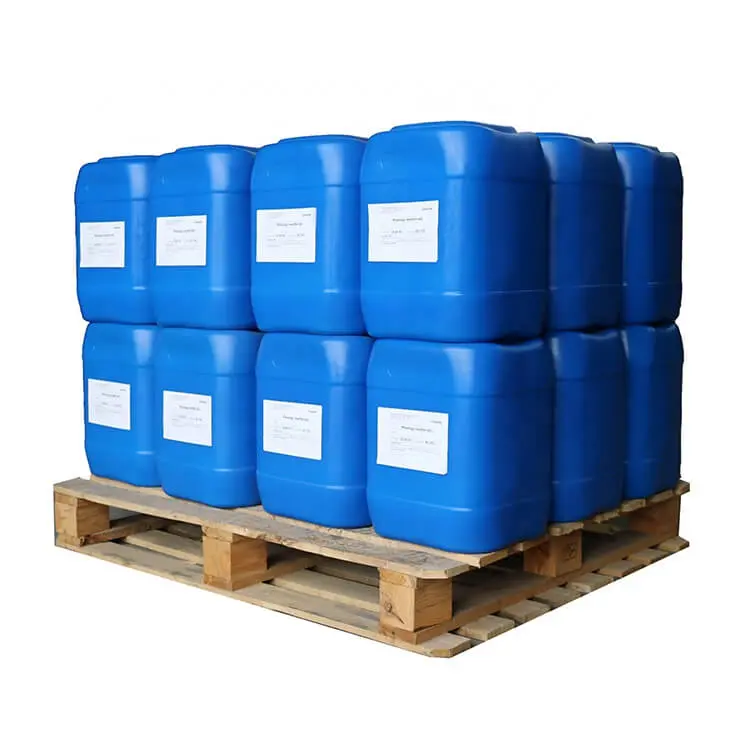
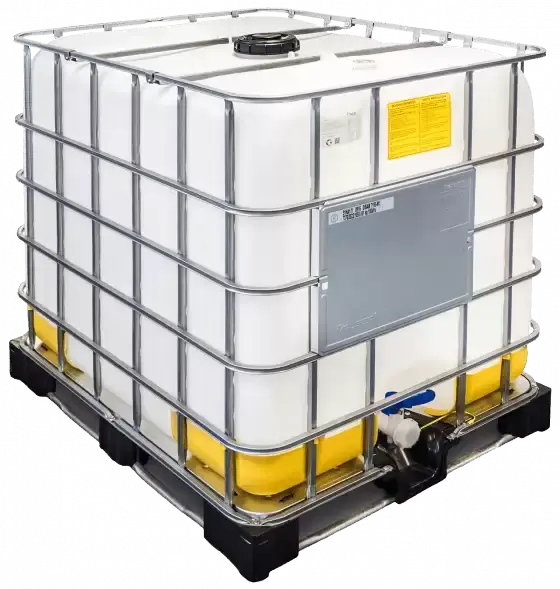
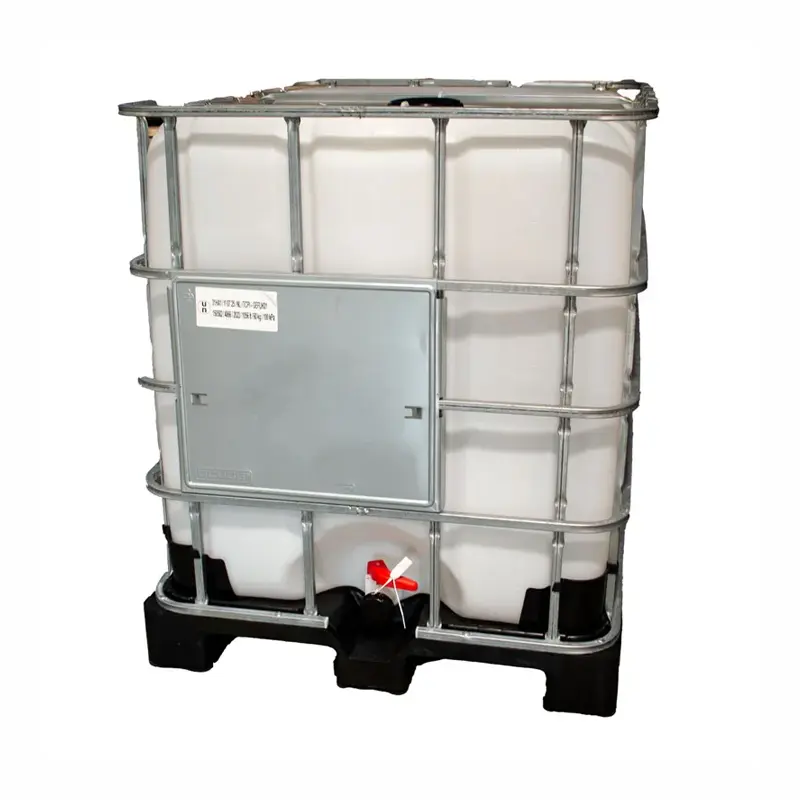
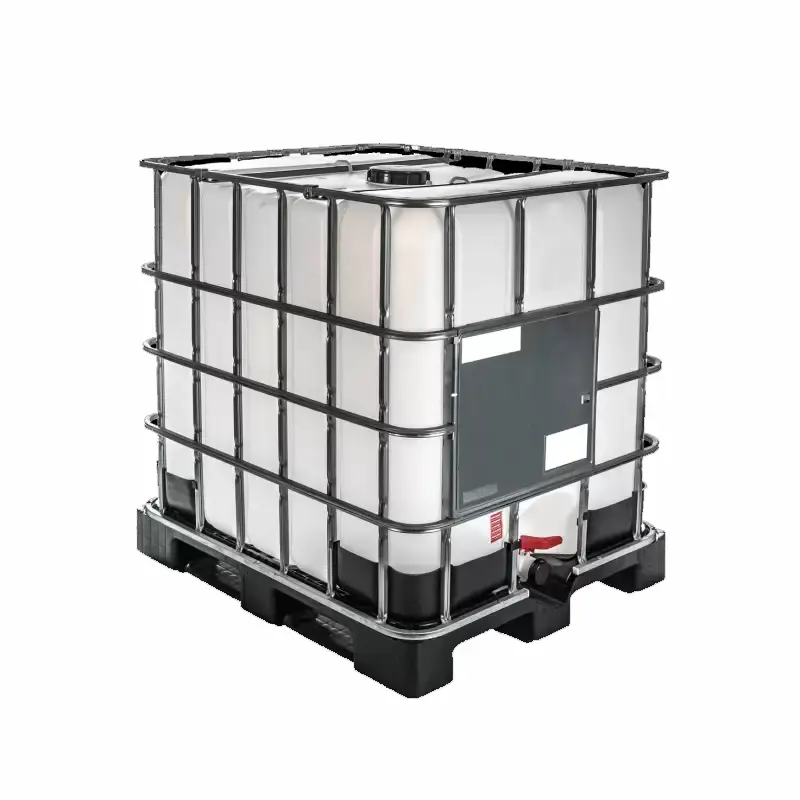
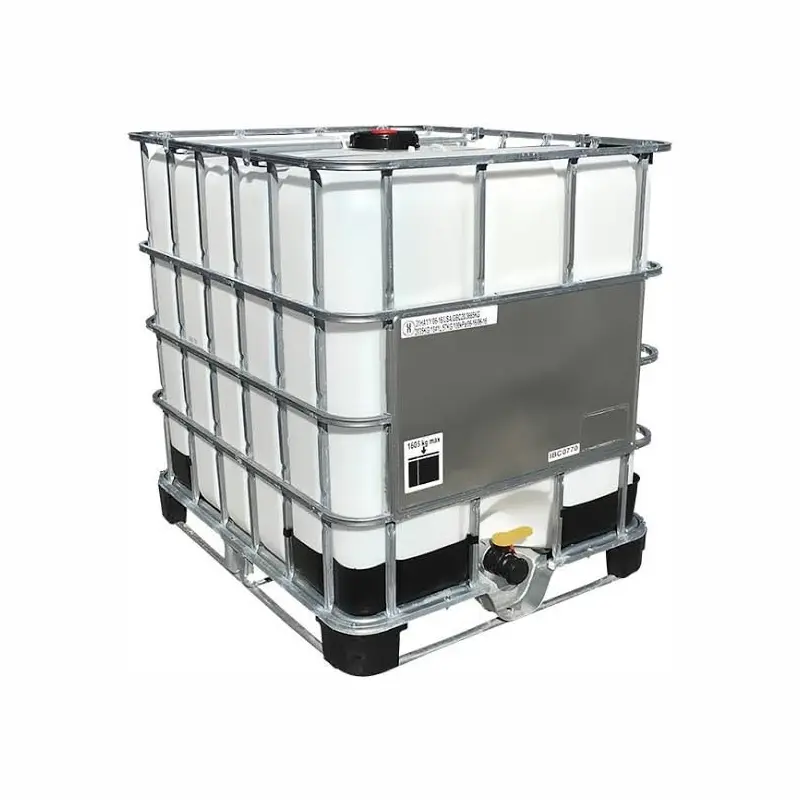
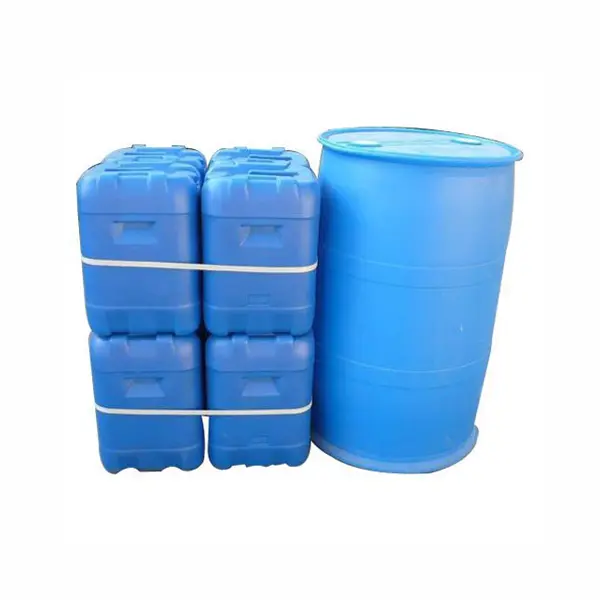
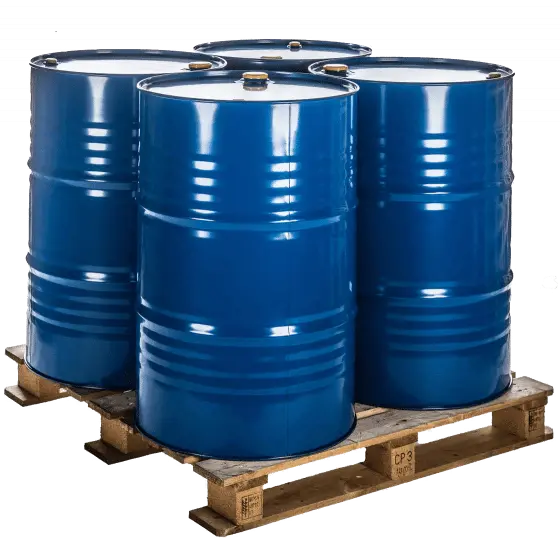
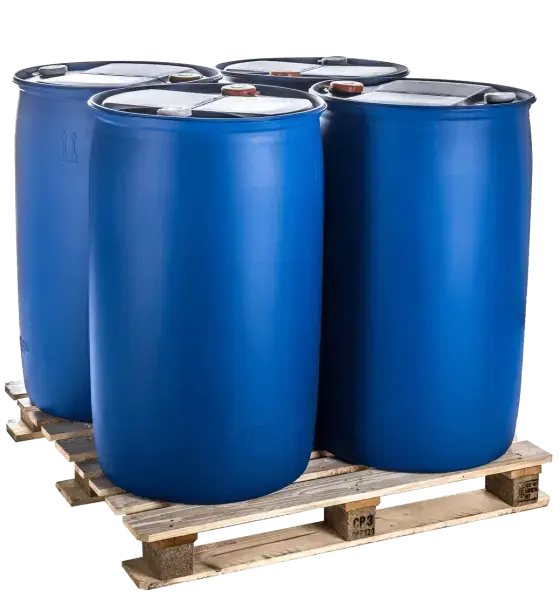
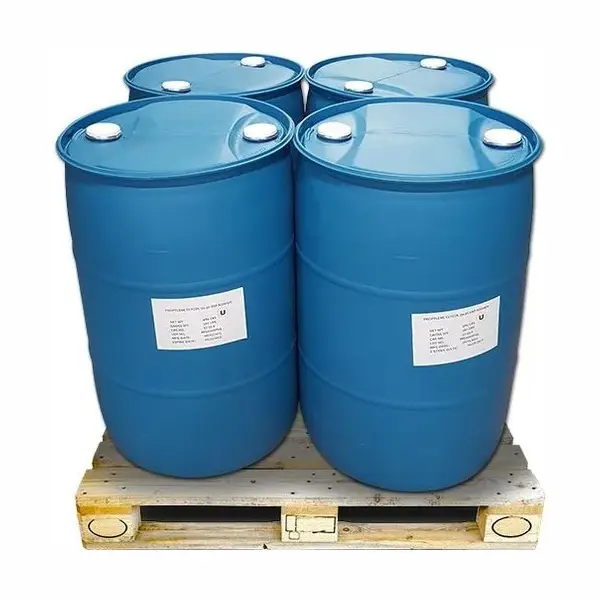
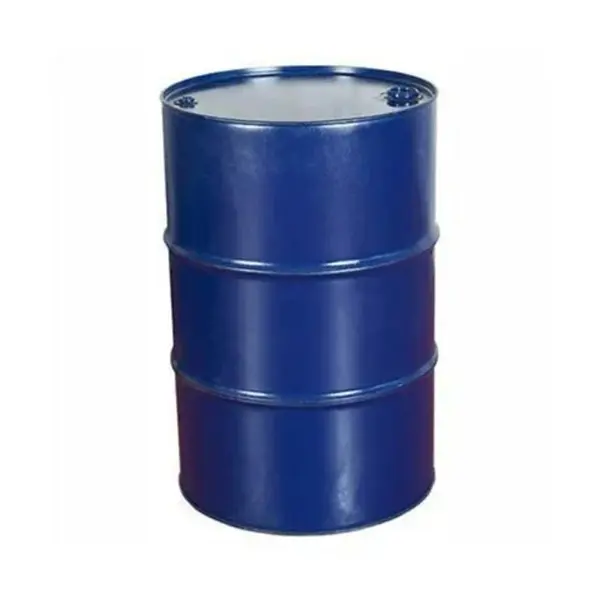
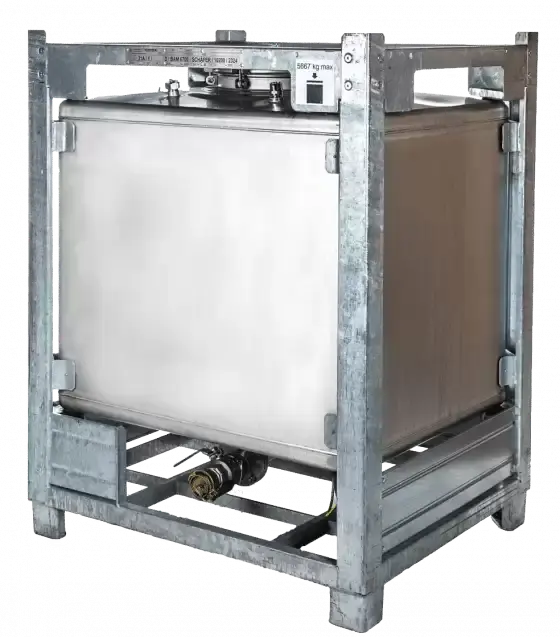
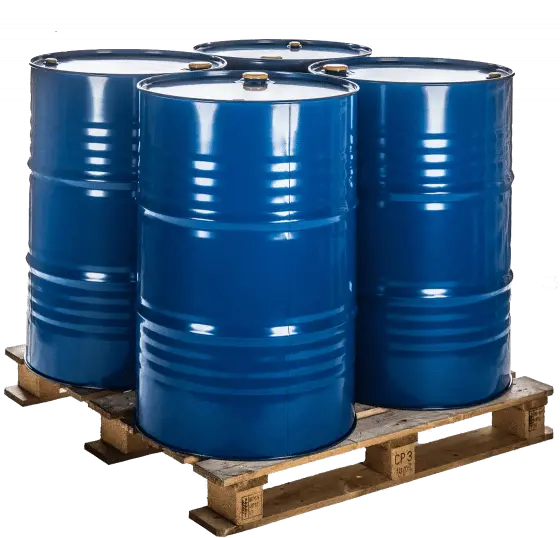
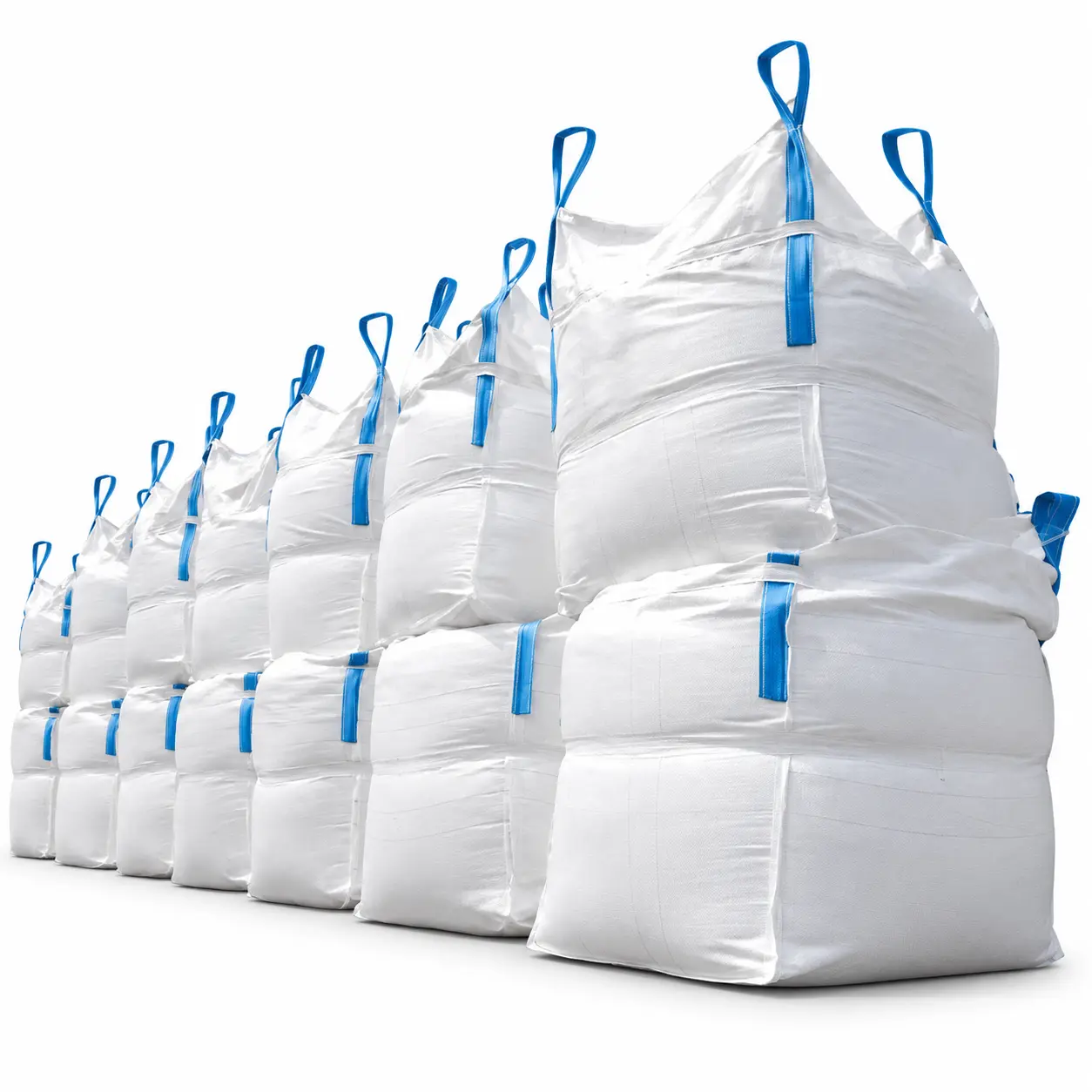
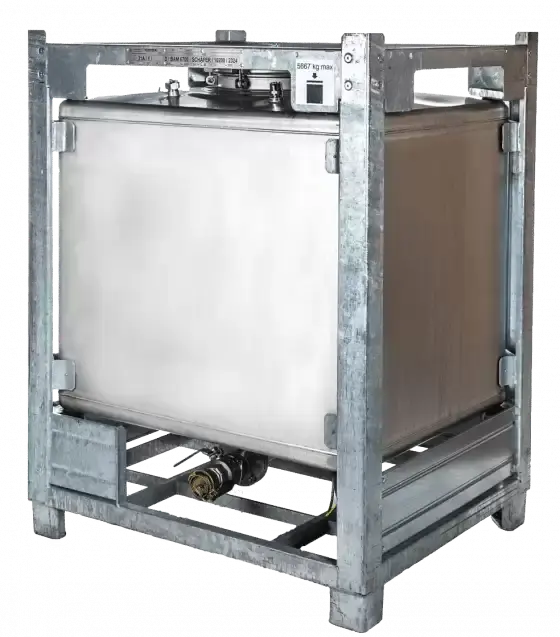
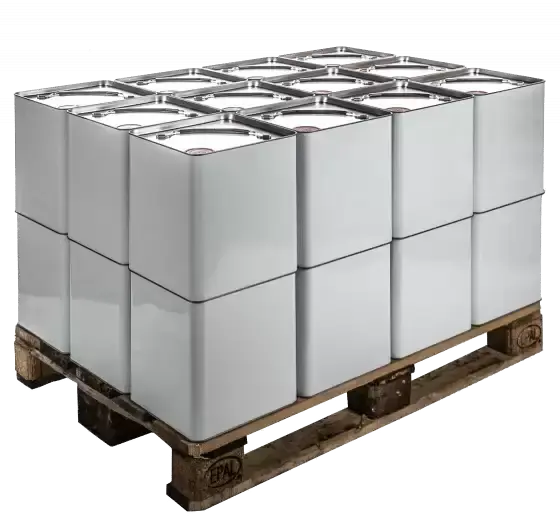
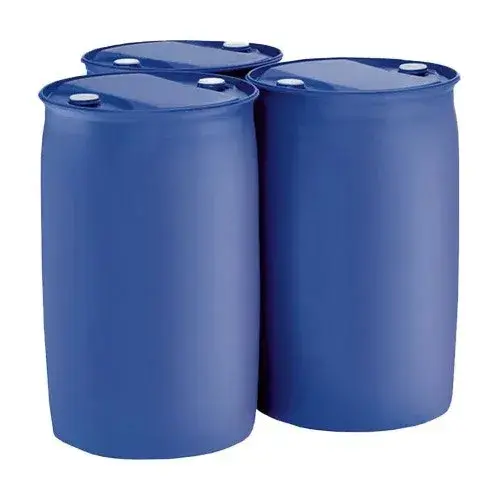
| Packaging | As specified by the supplier |
Specifications vary by molecular weight, purity, and manufacturer. Confirm the exact PEG grade, viscosity, hydroxyl value where applicable, moisture content, and current technical data sheet (TDS) before purchase or use.
Storage and Handling
Store Polyethylene Glycol in tightly closed, compatible containers in a clean, dry, well-ventilated area. Protect the material from contamination and excessive heat, and follow the supplier's recommended storage temperature and shelf life. Some solid grades may absorb moisture under certain conditions, so appropriate packaging is important.
Use suitable gloves and eye protection when handling the product. Clean up spills promptly, as liquid or viscous PEG can create slippery surfaces. Consult the safety data sheet (SDS) for the specific grade to determine appropriate precautions, spill procedures, and first-aid measures.
For pharmaceutical, cosmetic, food-related, or other regulated applications, use only a grade that meets the applicable quality and regulatory requirements.
Quality and Supply
Consistent Polyethylene Glycol quality is important in applications where molecular weight, viscosity, moisture content, and purity influence product performance. Buyers should identify the required PEG grade and verify its technical parameters before placing an order.
A reliable supplier should provide a current technical data sheet, certificate of analysis (COA), and safety data sheet. Confirm the intended application, packaging requirements, and storage conditions to help maintain product quality during transport and storage.
Conclusion
Polyethylene Glycol is a versatile polyether used across pharmaceutical manufacturing, cosmetics, personal care, industrial lubrication, and chemical processing. Its availability in different molecular weights and physical forms makes it suitable for diverse formulation and manufacturing requirements. Selecting the appropriate grade and verifying its specifications help ensure consistent performance and suitability for the intended application.