Potassium Chloride – Essential Potassium Salt for Fertilizer and Industrial Applications
Introduction
Potassium Chloride (KCl) is an inorganic salt composed of potassium and chloride ions. Also known as muriate of potash (MOP) in the fertilizer industry, it is typically supplied as a white crystalline powder, granules, or colorless crystals. Its high water solubility and potassium content make it an important raw material for agricultural fertilizers, chemical manufacturing, food processing, and various industrial applications. Potassium Chloride is available in different grades to meet agricultural, food, laboratory, and technical requirements.
Industrial Applications
In agriculture, Potassium Chloride is one of the most widely used potassium fertilizers. It supplies potassium, an essential plant nutrient that supports plant development, water regulation, and crop quality. Agricultural grades are commonly used in blended fertilizers and other nutrient-management programs according to crop requirements and soil conditions.
In chemical manufacturing, Potassium Chloride serves as a raw material for producing other potassium compounds, including Potassium Hydroxide. It is also used in selected metal-processing, electroplating, and oilfield drilling-fluid applications. In food processing, suitable food-grade Potassium Chloride may be used as a salt substitute, flavoring ingredient, or formulation component where permitted. Laboratory grades are used in buffer solutions, analytical procedures, and scientific research. The appropriate grade depends on the purity and regulatory requirements of the intended application.
Key Benefits
- Potassium supply: Provides an essential nutrient for agricultural fertilizer formulations.
- Water solubility: Dissolves in water, supporting the preparation of suitable nutrient solutions and industrial mixtures.
- Industrial versatility: Serves as a raw material in the manufacture of potassium-based chemicals.
- Broad agricultural use: Suitable for fertilizer blending and crop nutrient-management programs.
- Multiple grade options: Available for agricultural, food, laboratory, and technical applications.
- Consistent formulation: Supports reliable processing when purity and product specifications are controlled.
Product Specifications
| Parameter | Details |
|---|---|
| Product Name | Potassium Chloride |
| Alternative Names | Muriate of Potash (MOP), Sylvite |
| Chemical Formula | KCl |
| CAS Number | 7447-40-7 |
| Molecular Weight | 74.55 g/mol |
| Appearance | White crystalline powder, granules, or colorless crystals |
| Odor | Odorless |
| Solubility | Soluble in water |
| Melting Point | Approximately 770°C |
| Primary Function | Potassium source, fertilizer ingredient, chemical raw material |
| Common Applications | Fertilizers, chemical manufacturing, food processing, laboratory use, electroplating |
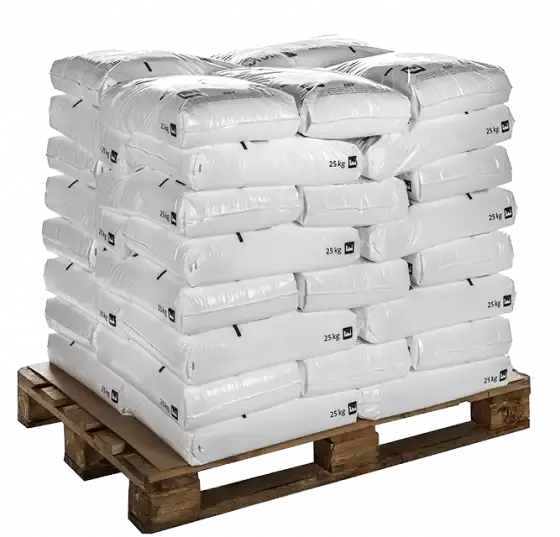
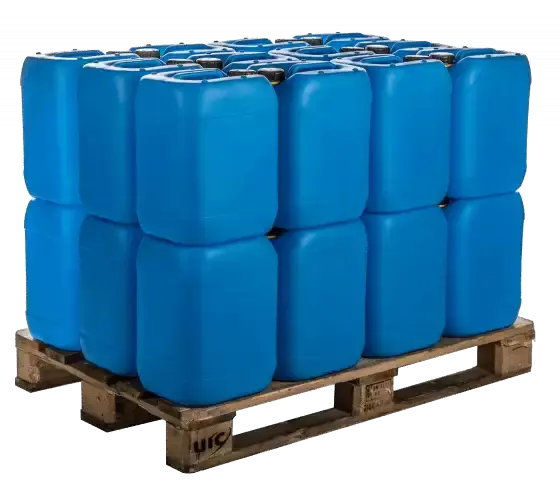
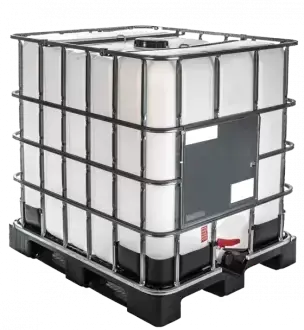
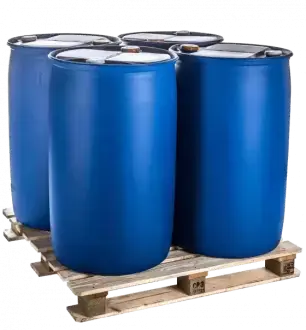
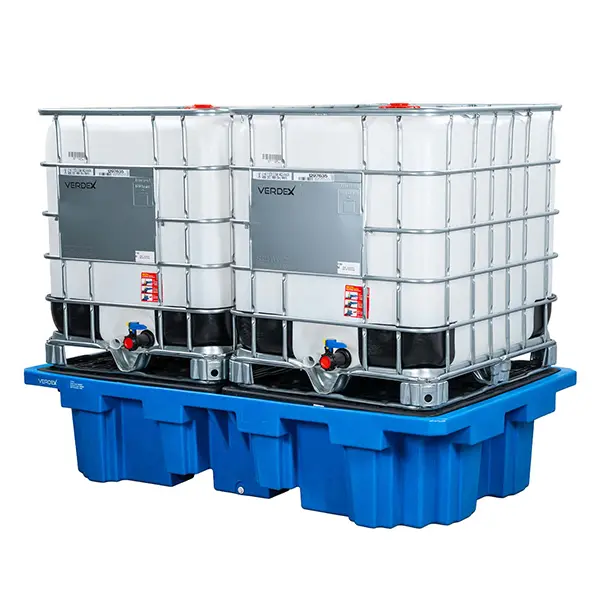
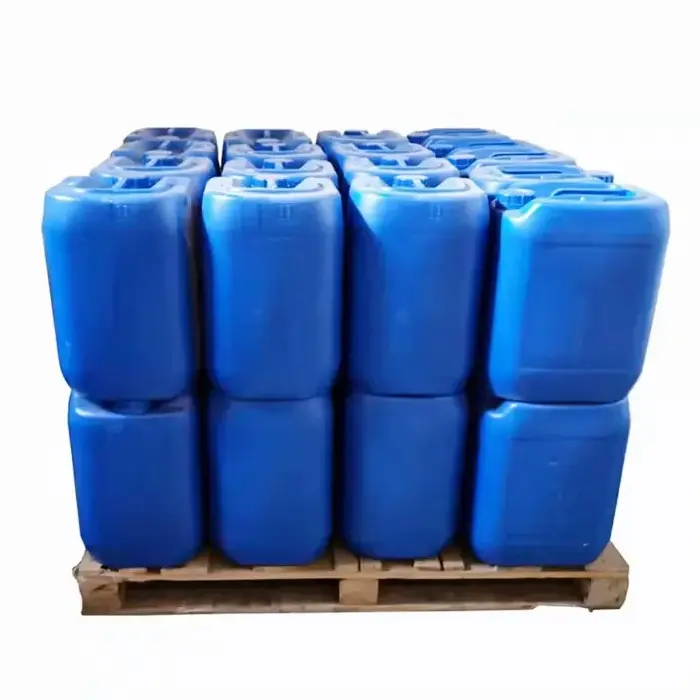
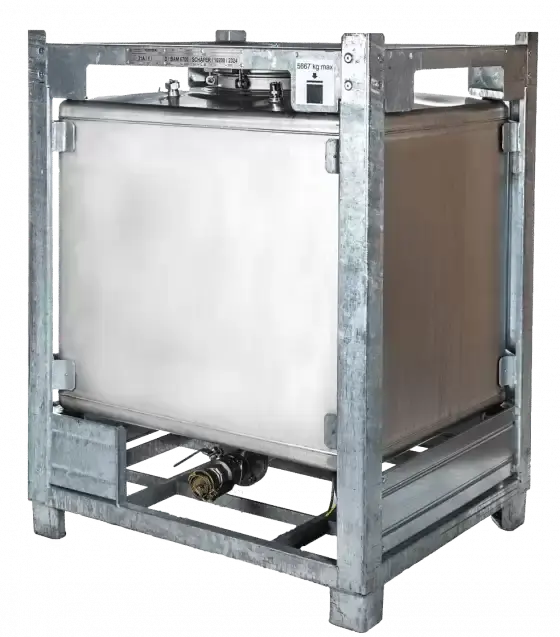
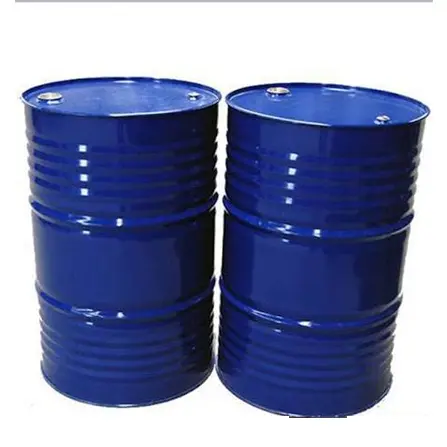
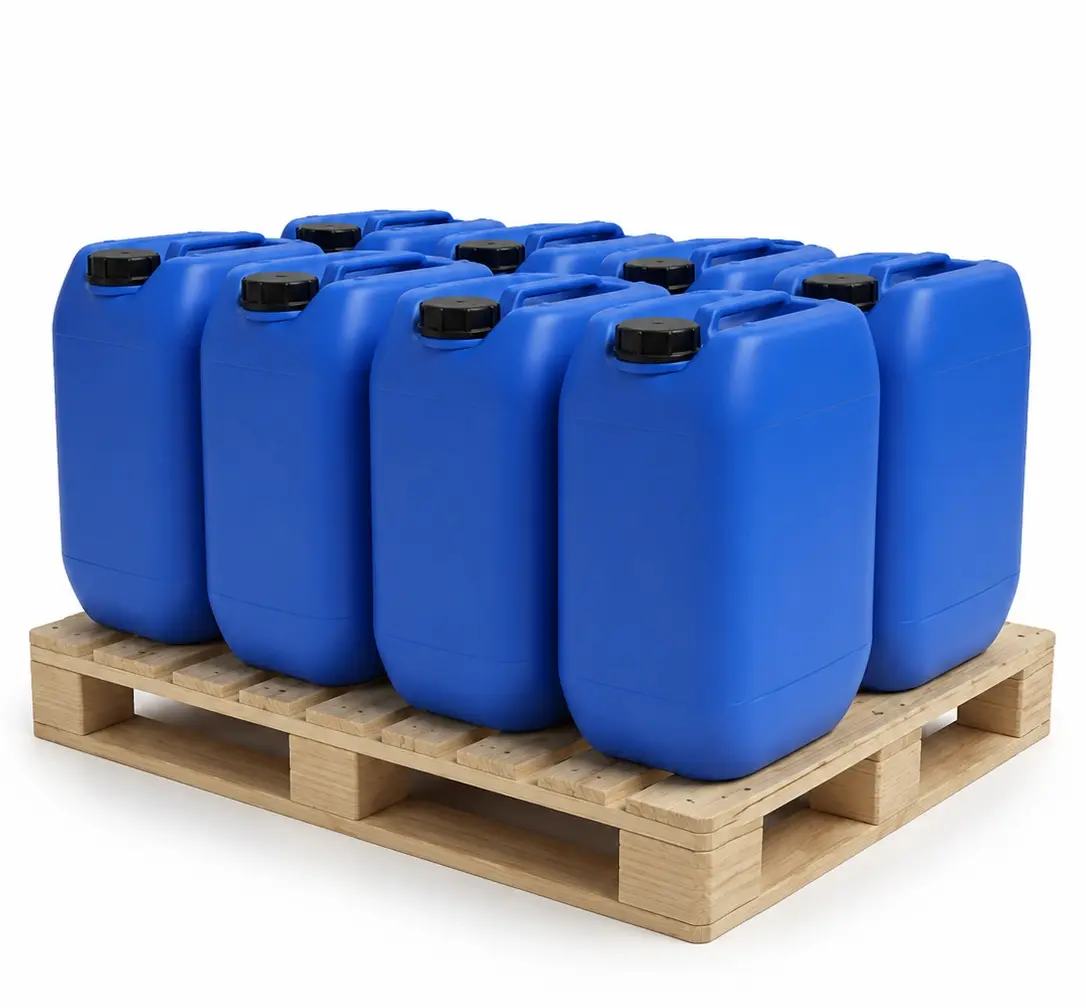
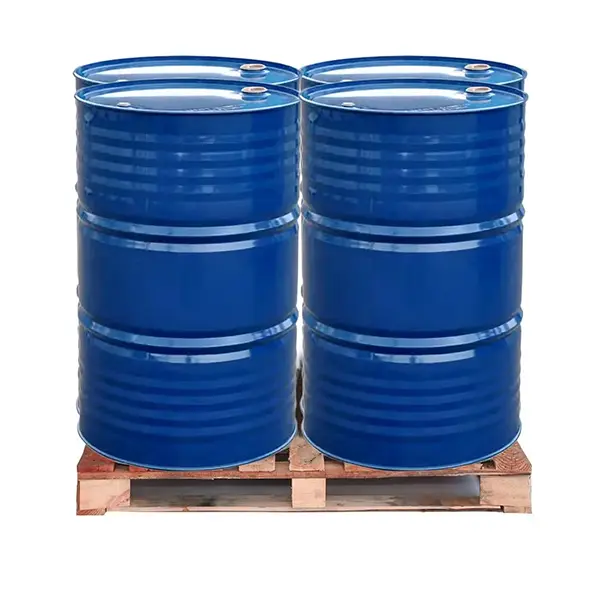
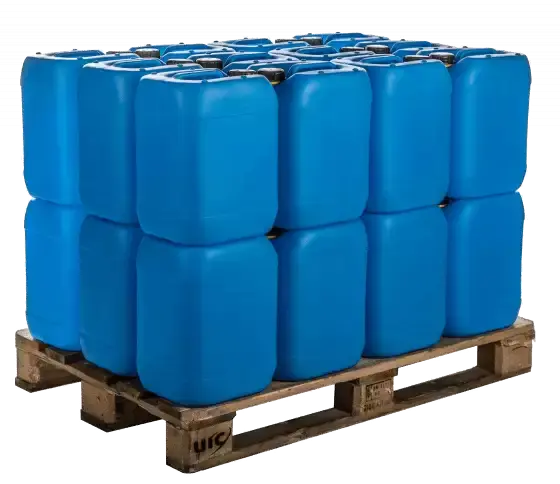
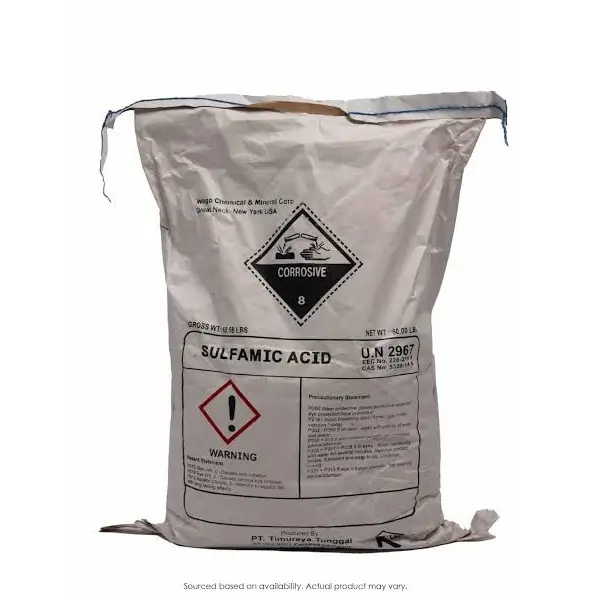
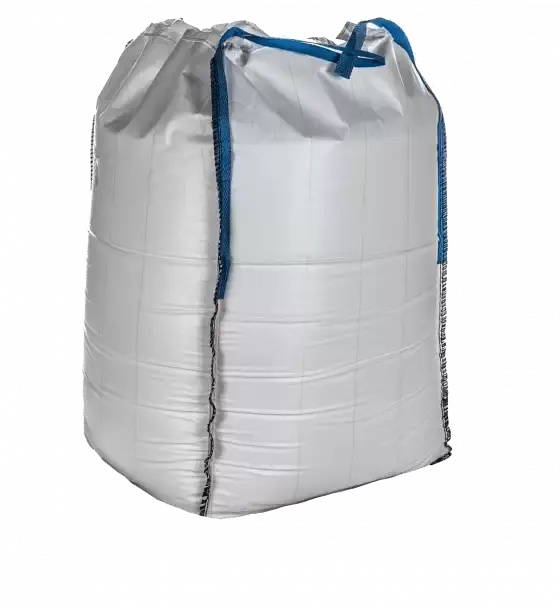
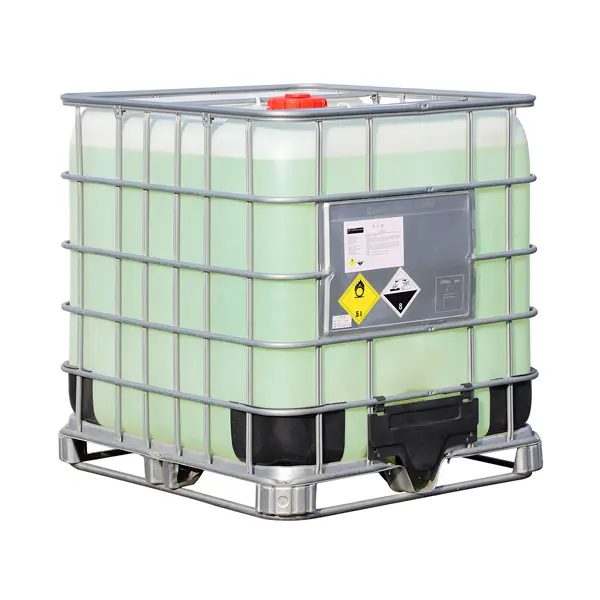
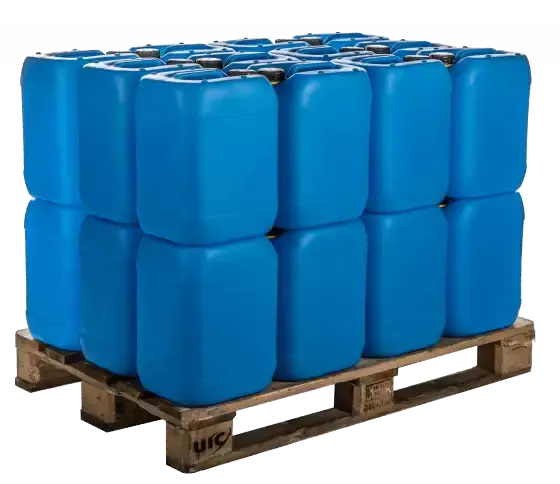
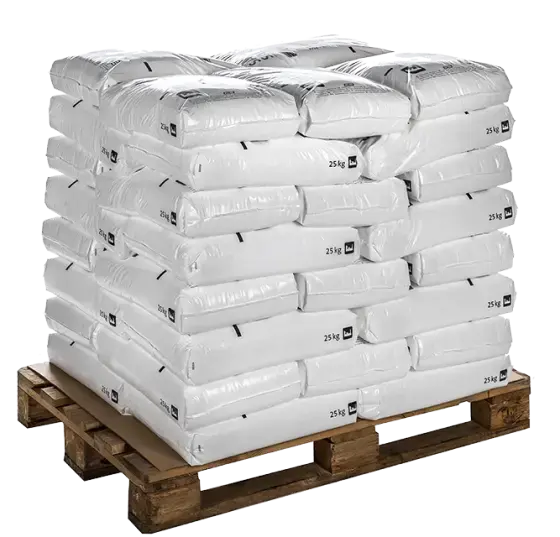
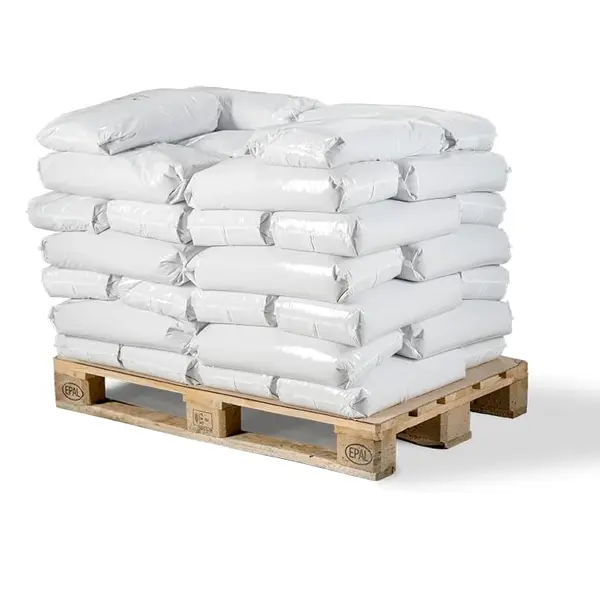
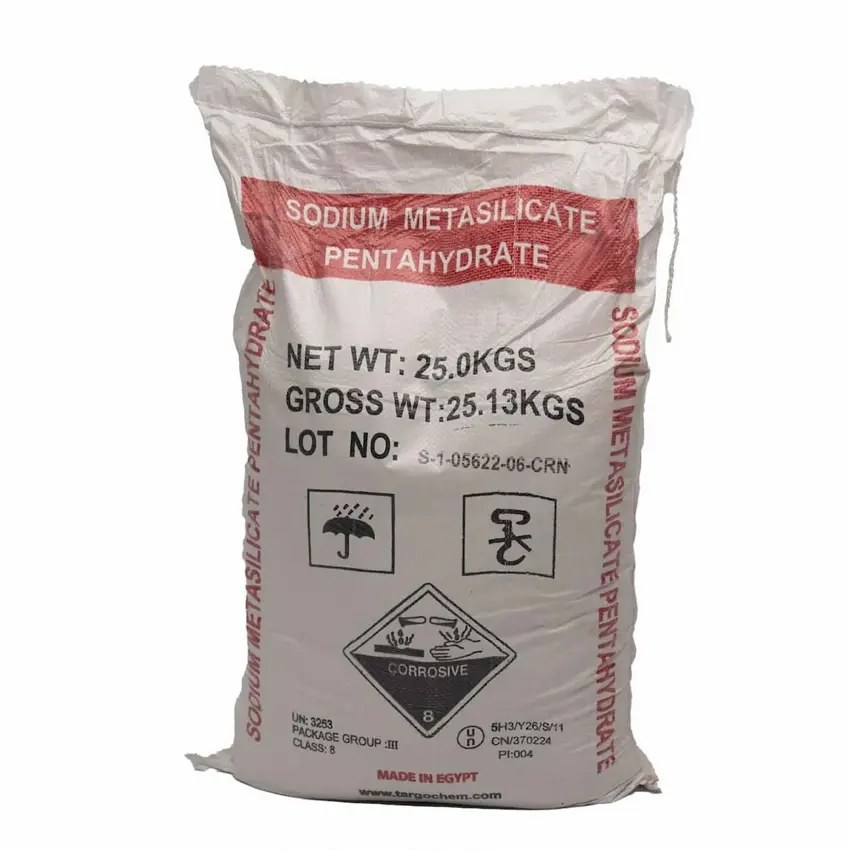
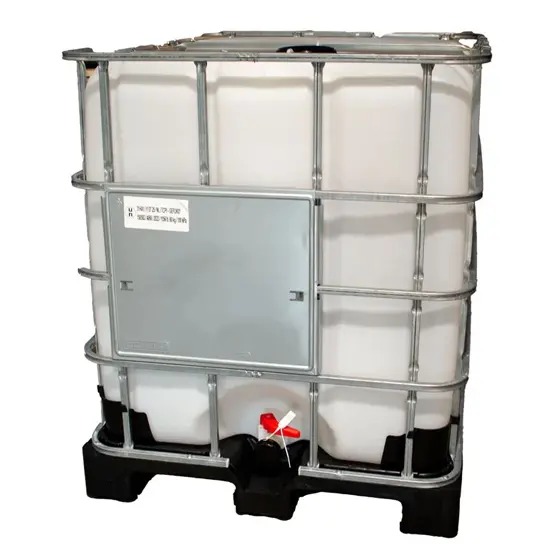
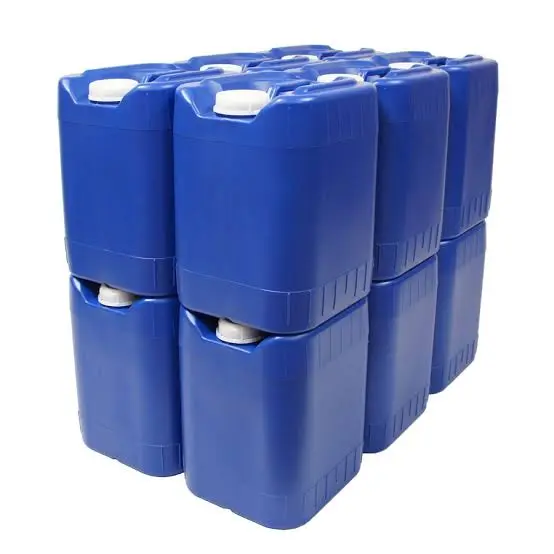
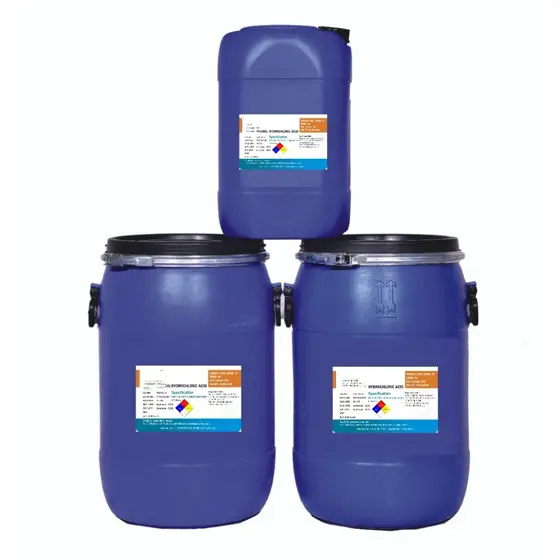
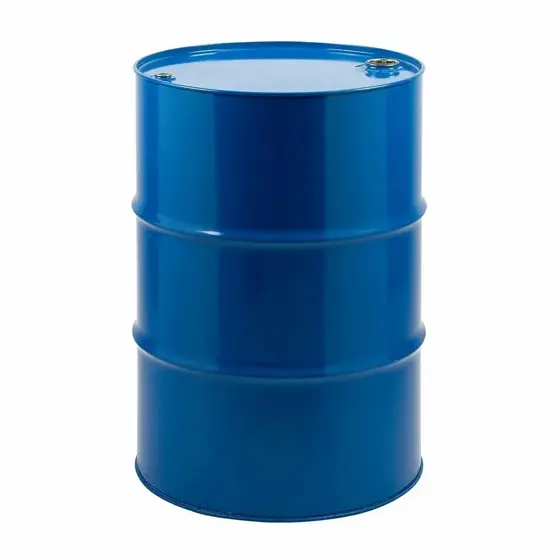
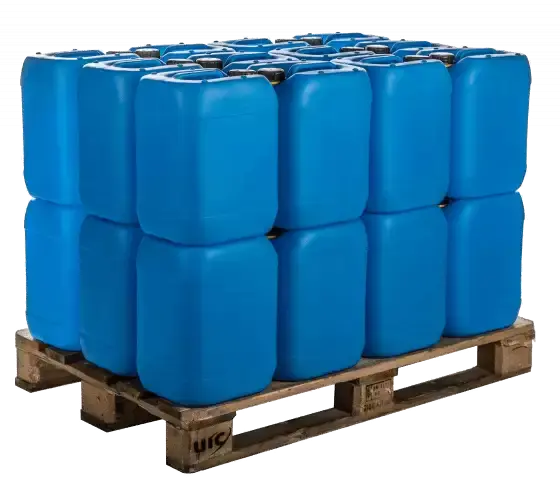
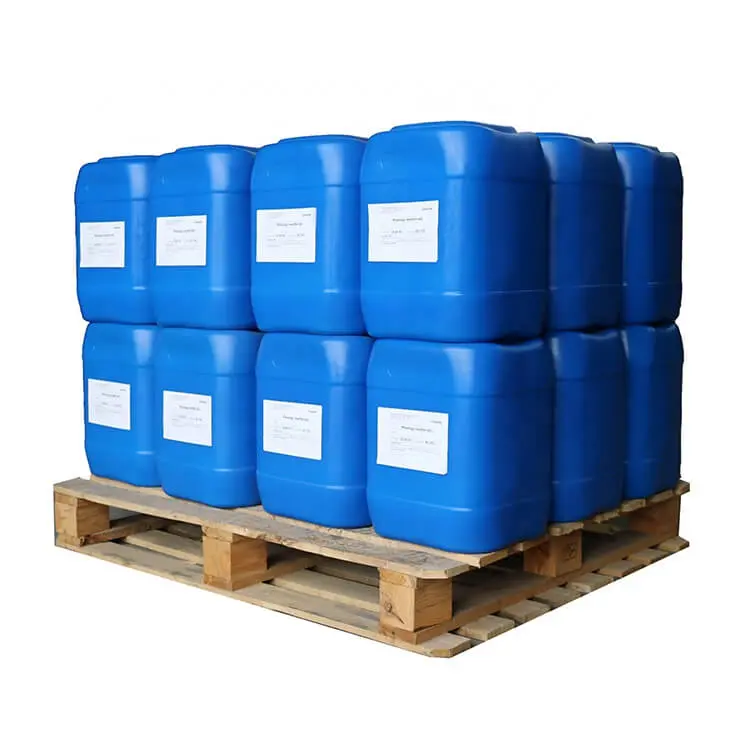
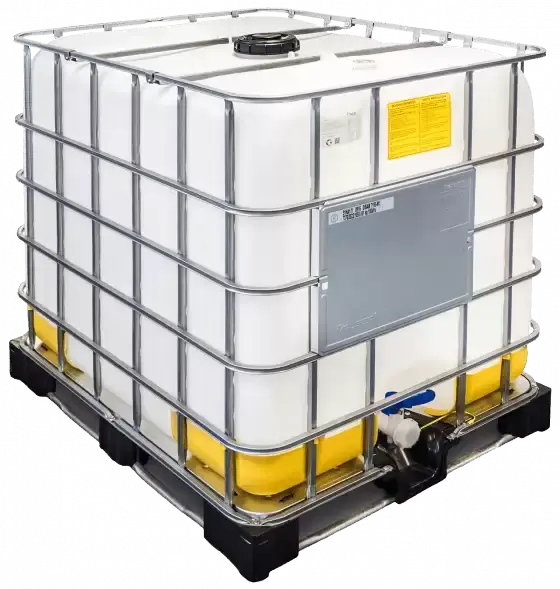
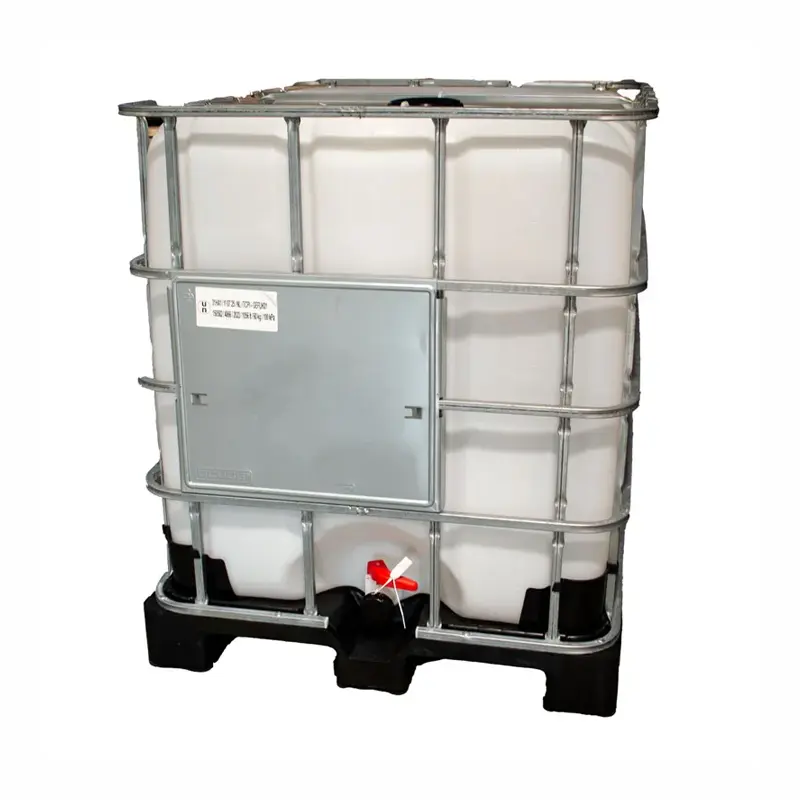
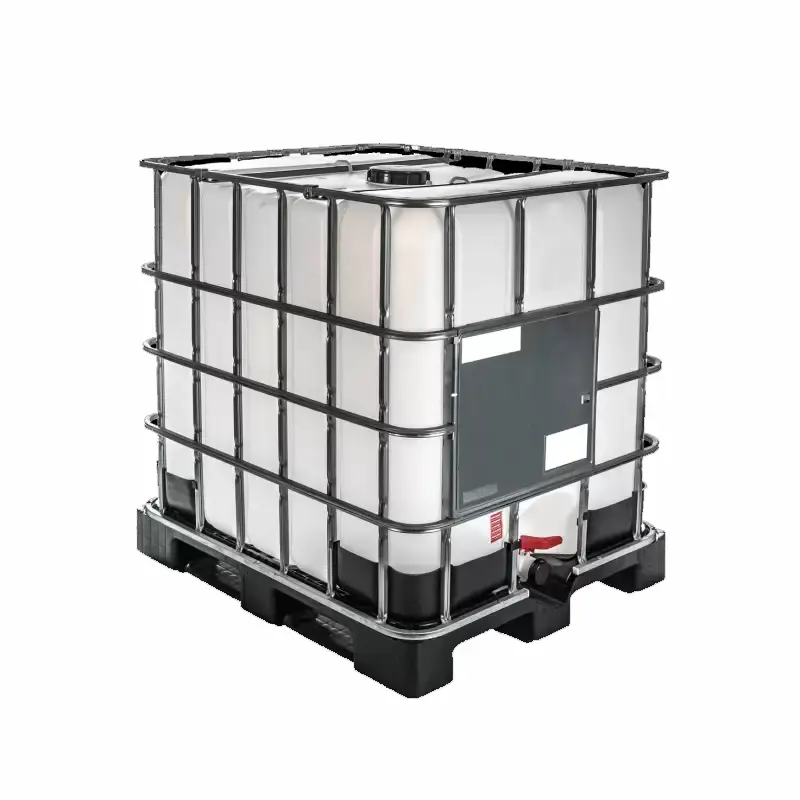
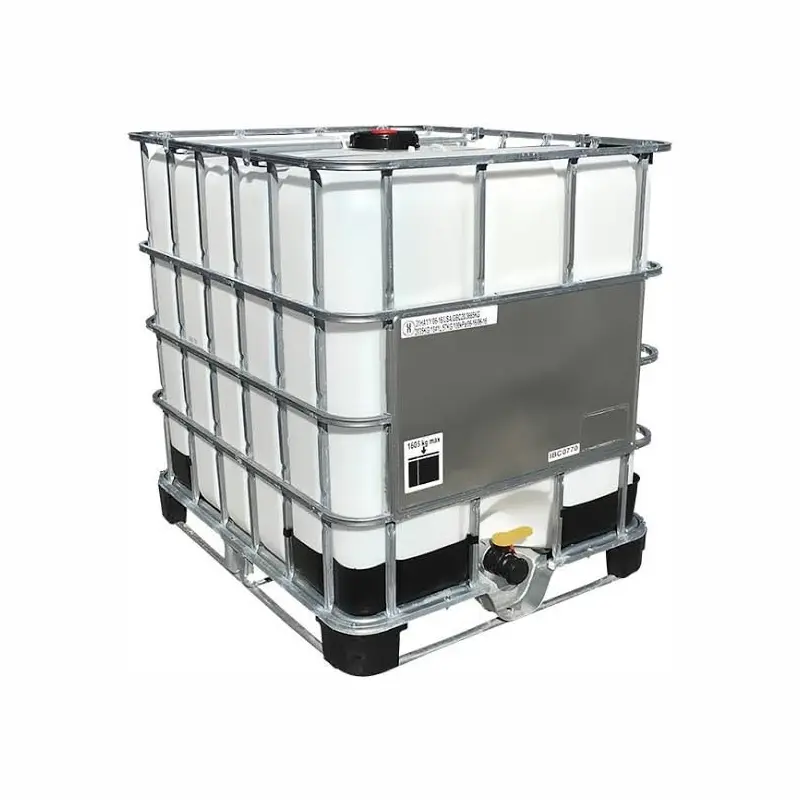
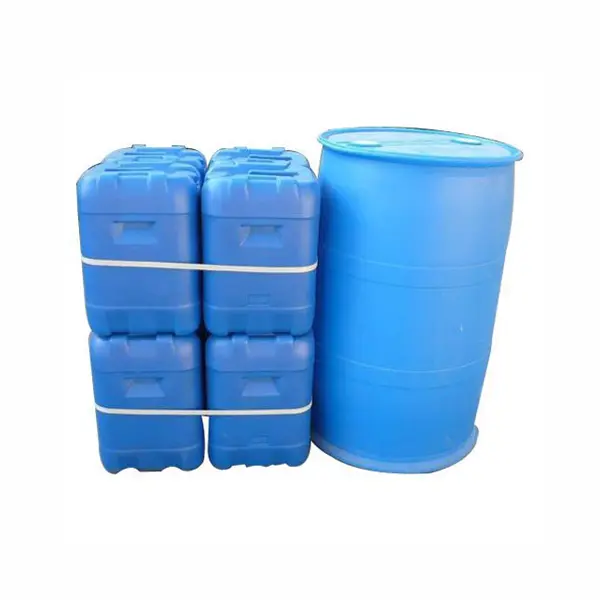
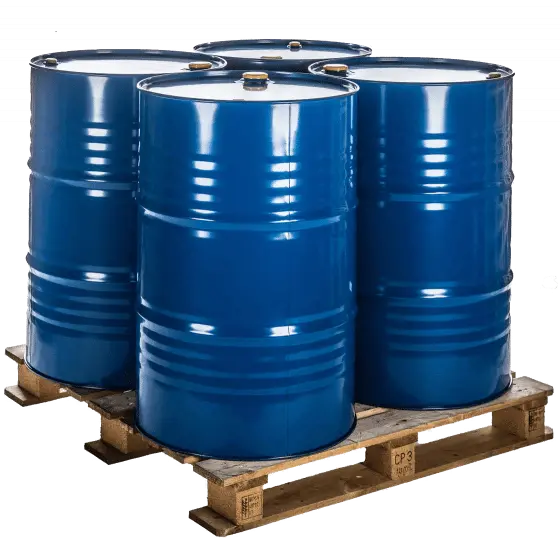
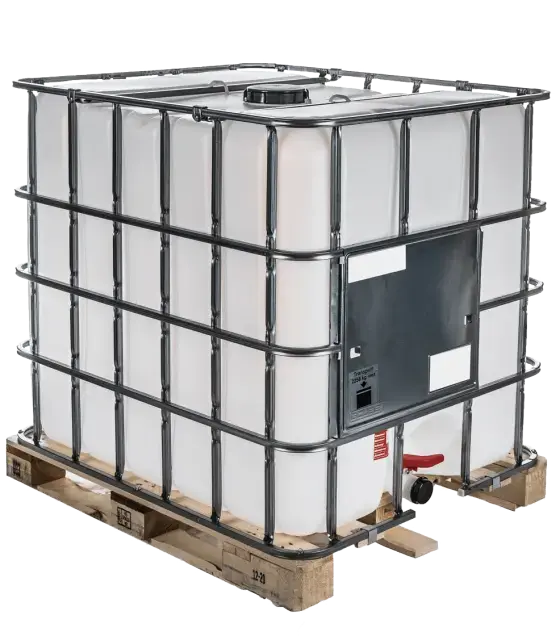
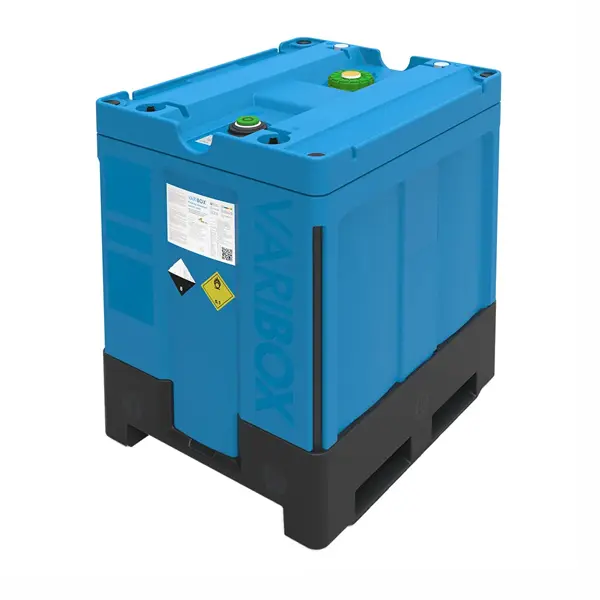
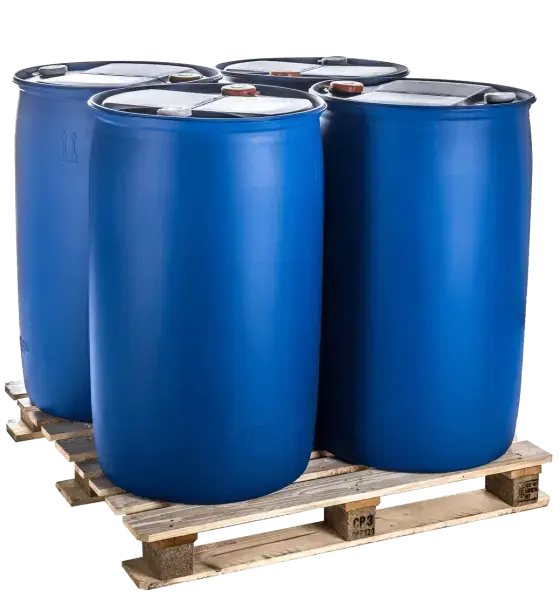
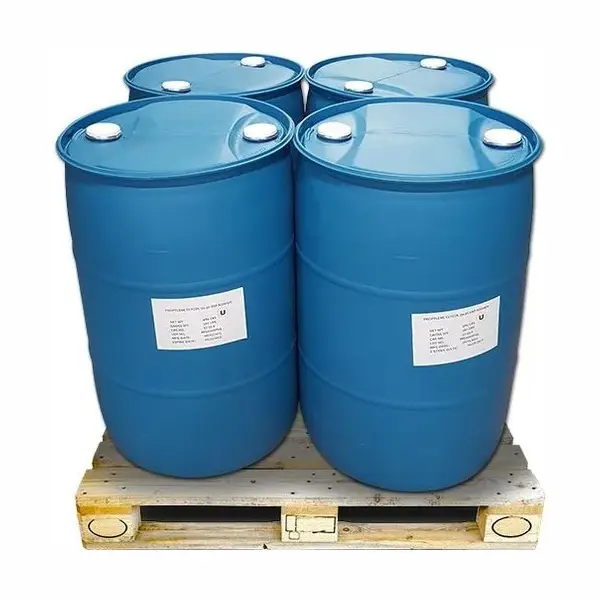
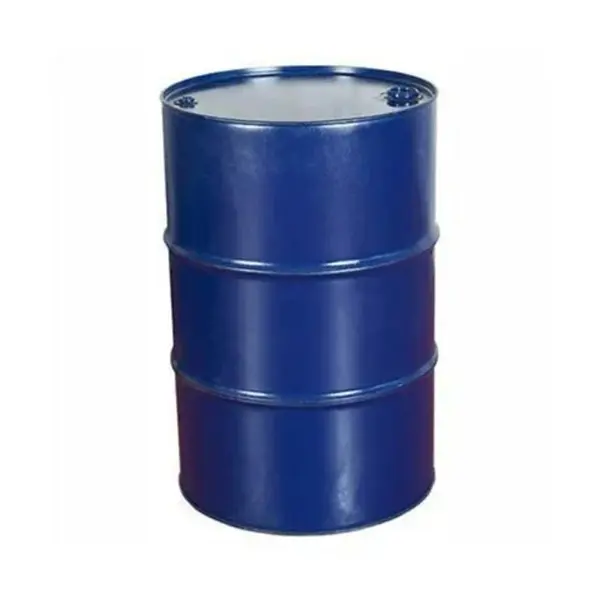
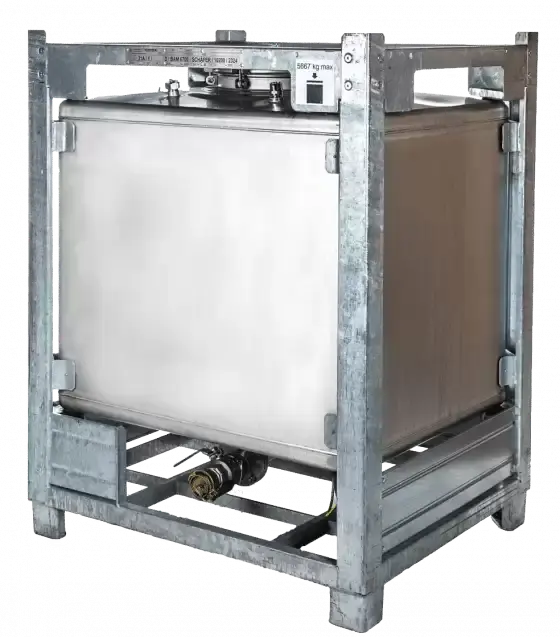
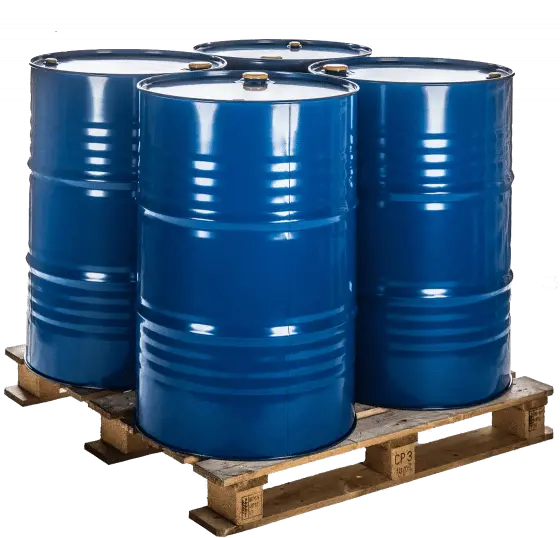
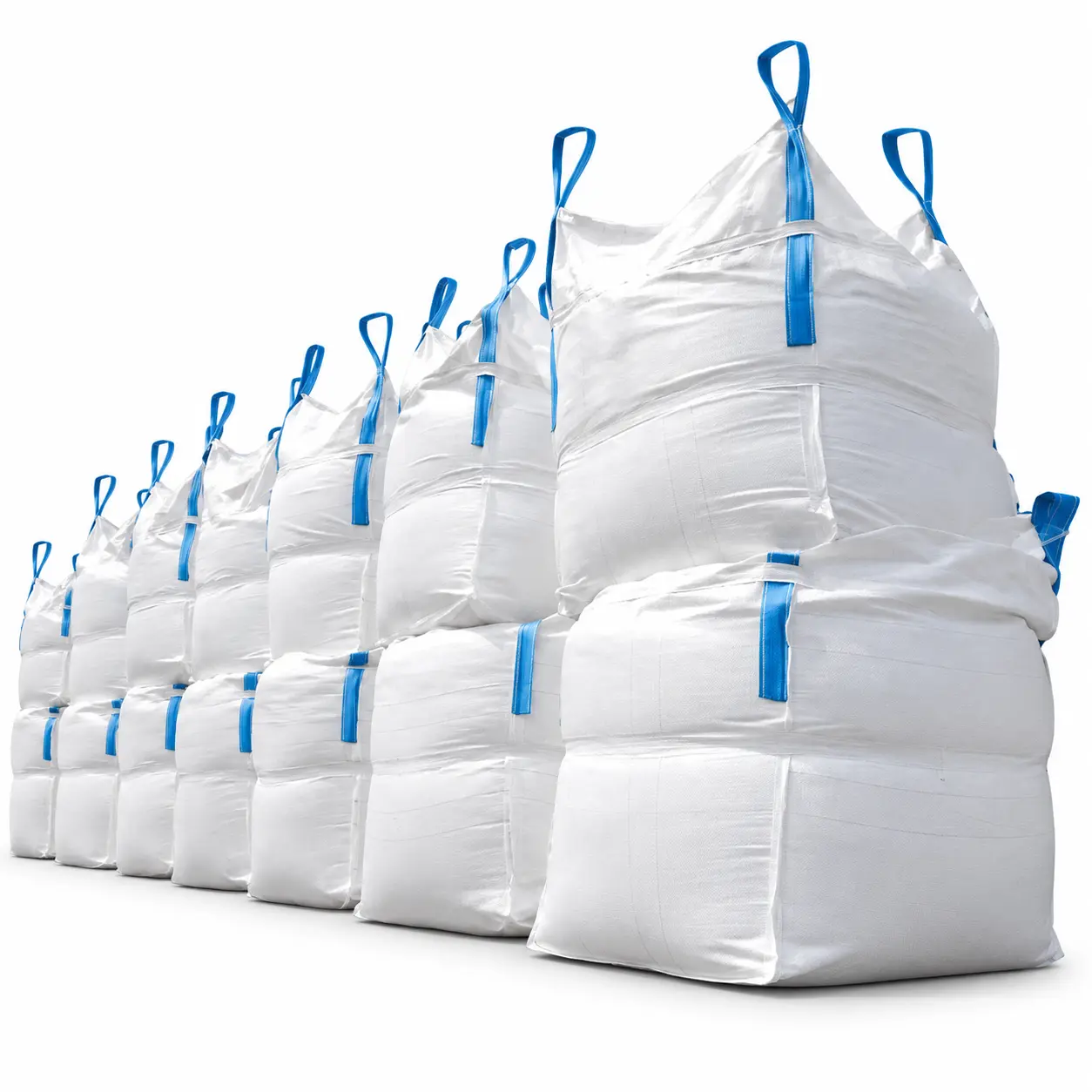
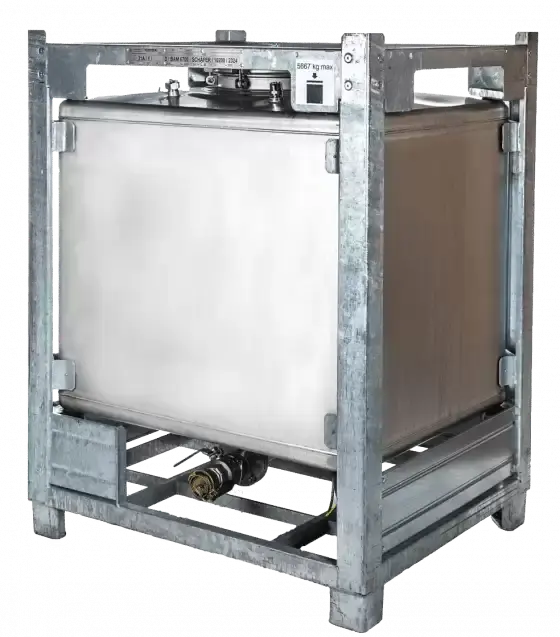
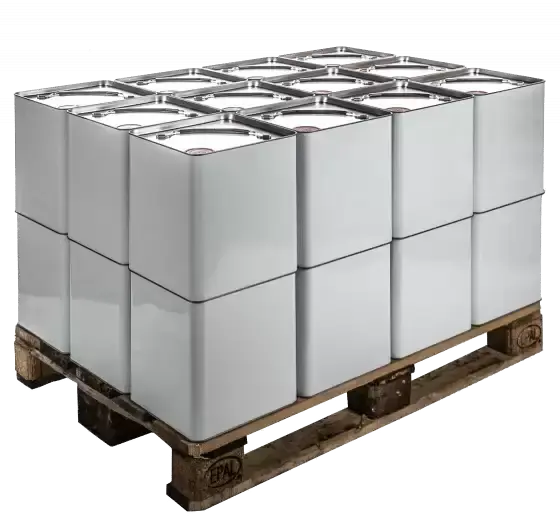
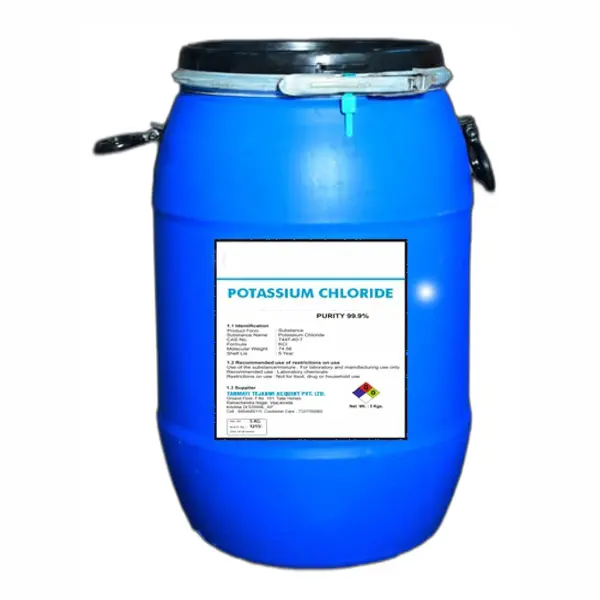
| Packaging | As specified by the supplier |
Specifications may vary by manufacturer, purity, and grade. Confirm the latest technical data sheet (TDS), certificate of analysis (COA), potassium chloride content, moisture level, and packaging details before purchase or use.
Storage and Handling
Store Potassium Chloride in tightly closed packaging in a cool, dry, well-ventilated area. Protect the material from excessive moisture and contamination, and keep it in clearly labelled containers. Follow the supplier's recommended storage conditions to maintain product quality.
Avoid creating or inhaling dust, and use appropriate gloves and eye protection during handling. Although Potassium Chloride is generally considered to have relatively low chemical hazard under normal handling conditions, dust may irritate the eyes and respiratory tract. Consult the safety data sheet (SDS) for product-specific precautions.
For food, pharmaceutical, and animal nutrition applications, use only a grade approved for the intended purpose and comply with applicable regulations.
Quality and Supply
Consistent Potassium Chloride quality is important for fertilizer production, chemical processing, and other industrial uses. Buyers should verify purity, particle size, moisture content, and any application-specific requirements before placing an order.
Agricultural buyers should confirm the potassium nutrient specification and suitability for their fertilizer program. Industrial and laboratory buyers should check the required grade and impurity limits. Reliable supply should include appropriate packaging and relevant technical documentation.
Conclusion
Potassium Chloride is a versatile inorganic salt with significant applications in agriculture, chemical manufacturing, food processing, and laboratory work. Its potassium content, water solubility, and availability in multiple grades make it an important raw material across numerous industries. Selecting the correct grade and verifying technical specifications help ensure consistent quality and suitability for the intended application.