Sodium Lauryl Sulphate – Industrial Surfactant for Cleaning and Personal Care Products
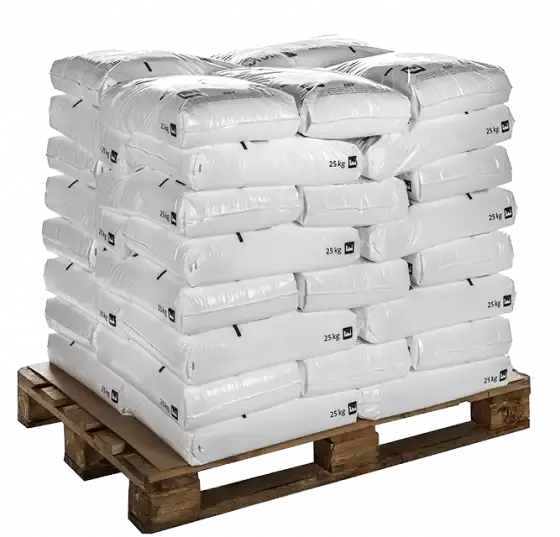
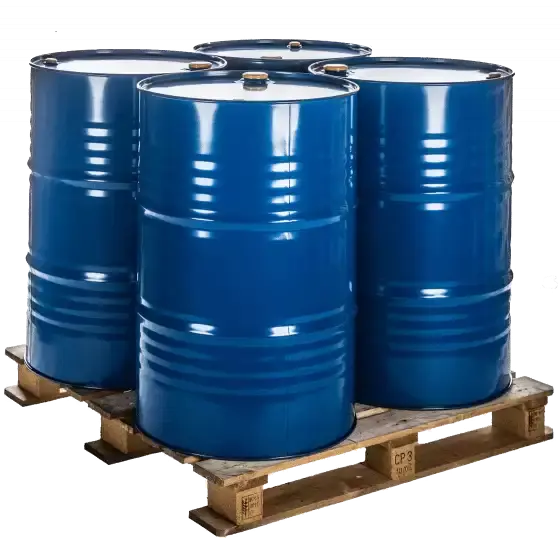
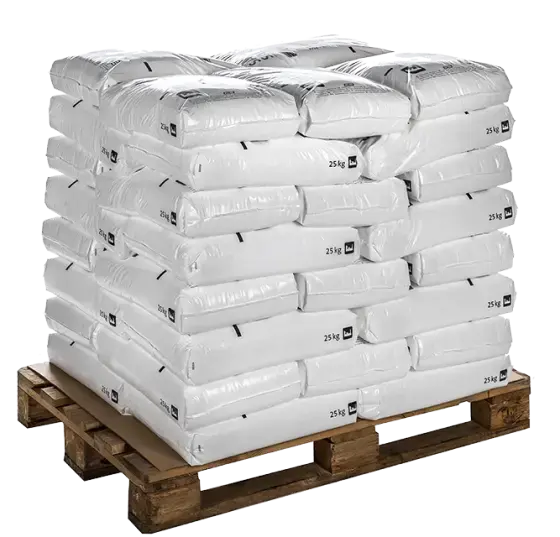
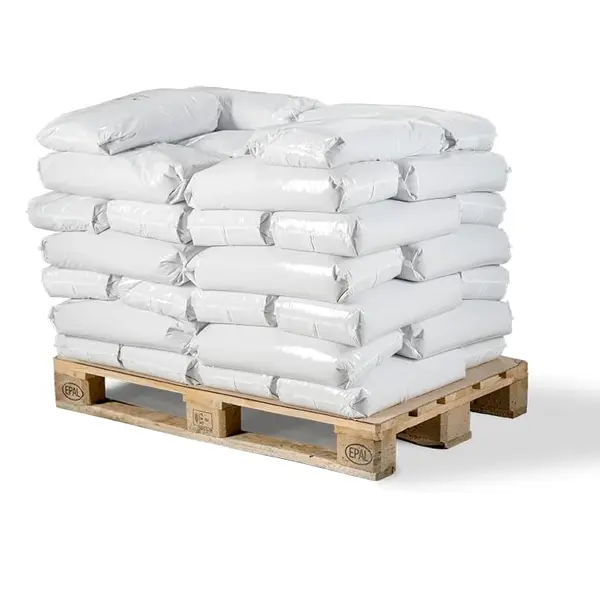
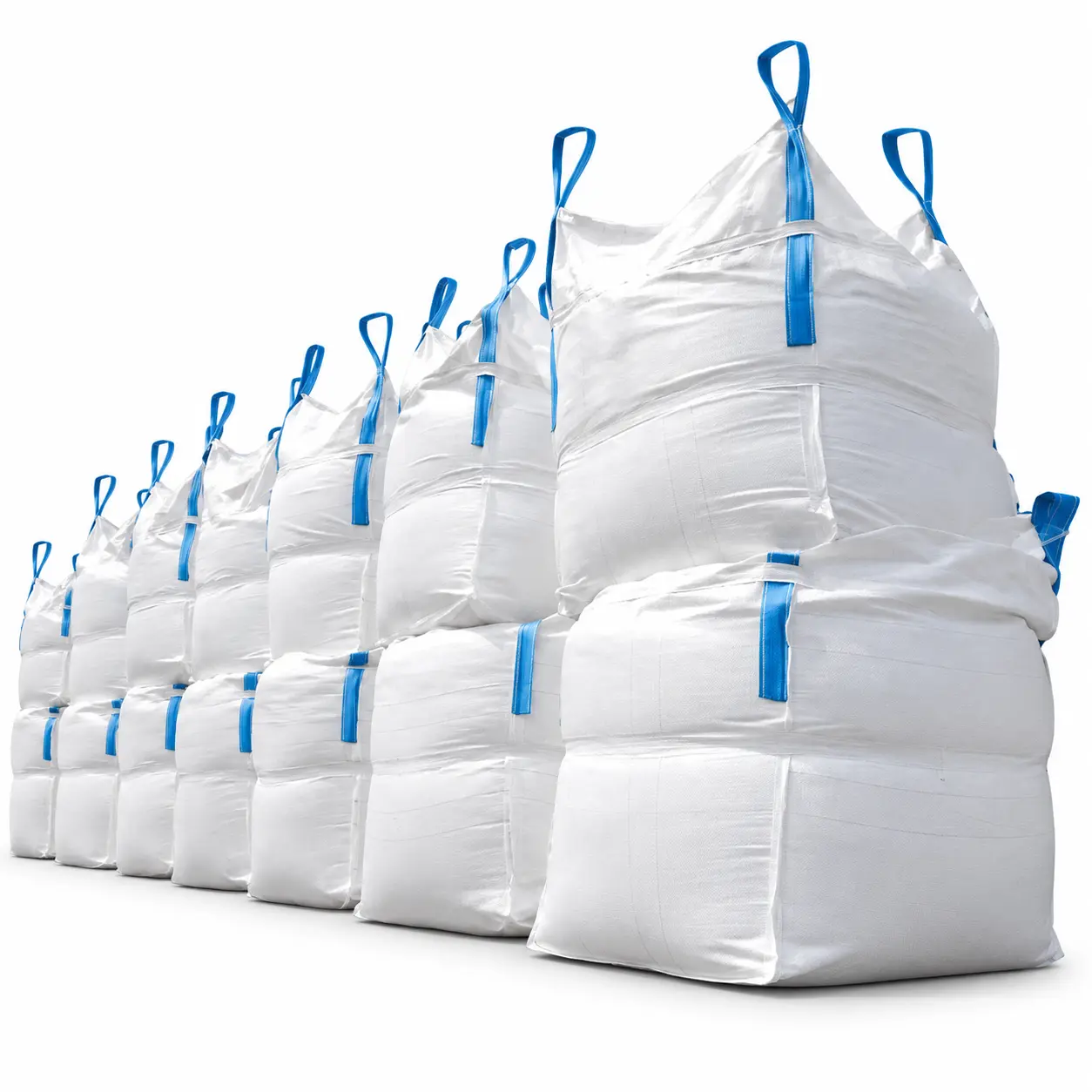
Sodium Lauryl Sulphate (SLS) is an anionic surfactant widely used in cleaning products, personal care formulations, detergents, and industrial manufacturing. It is valued for its foaming, wetting, and cleansing properties, which help remove oils, grease, and dirt from compatible surfaces. Sodium Lauryl Sulphate is available in different forms and grades, including powder, needles, and aqueous solutions, depending on the supplier and intended application.
SLS is an important raw material for manufacturers developing shampoos, soaps, toothpaste, liquid cleansers, and household cleaning products. Its ability to reduce surface tension and produce foam makes it useful in formulations that require effective cleansing and consistent product performance. The appropriate grade depends on the formulation, purity requirements, and end use.
CAS Number: 151-21-3
Chemical Formula: C₁₂H₂₅NaO₄S
Applications of Sodium Lauryl Sulphate
Sodium Lauryl Sulphate is commonly used in shampoos, body washes, facial cleansers, soaps, and toothpaste formulations to provide cleansing and foaming performance. In household products, it may be incorporated into detergents and cleaning solutions that require effective wetting and removal of oily residues.
Industrial applications include selected textile-processing operations, cleaning formulations, and other manufacturing processes where anionic surfactants are required. Manufacturers should select a suitable grade based on the intended application and applicable quality standards.
Benefits of Sodium Lauryl Sulphate
Sodium Lauryl Sulphate offers effective surface-tension reduction, helping water spread across surfaces and interact with dirt and oily residues. Its foaming and cleansing properties make it useful in a wide variety of formulated products. It can also support consistent performance when incorporated at appropriate concentrations.
Because SLS may irritate the skin and eyes, especially at higher concentrations, formulators should carefully assess product concentration, exposure conditions, and intended use. Finished personal care products should be evaluated for safety and compatibility.
Storage and Handling
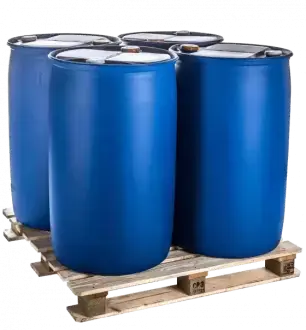
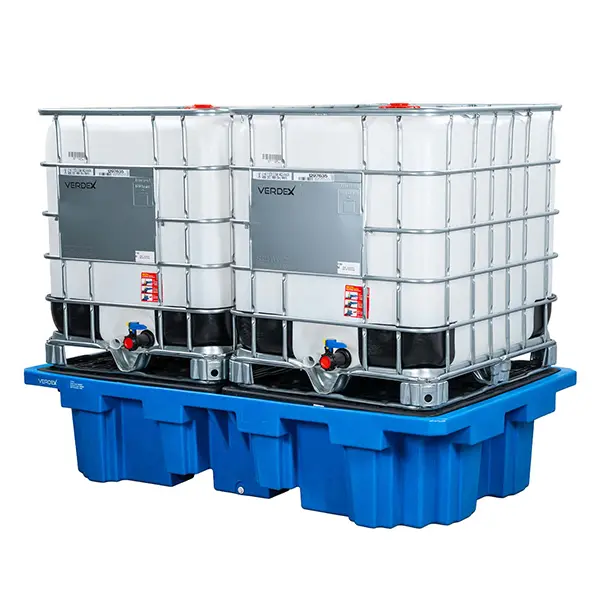
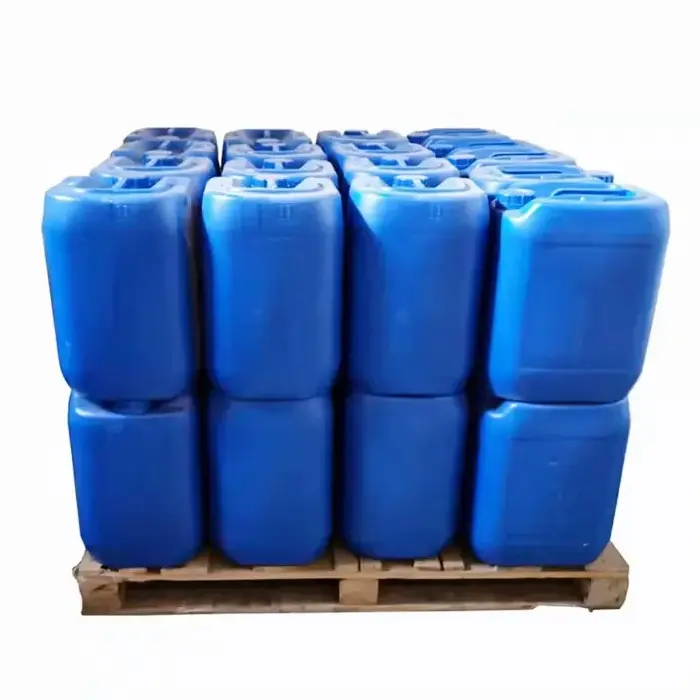
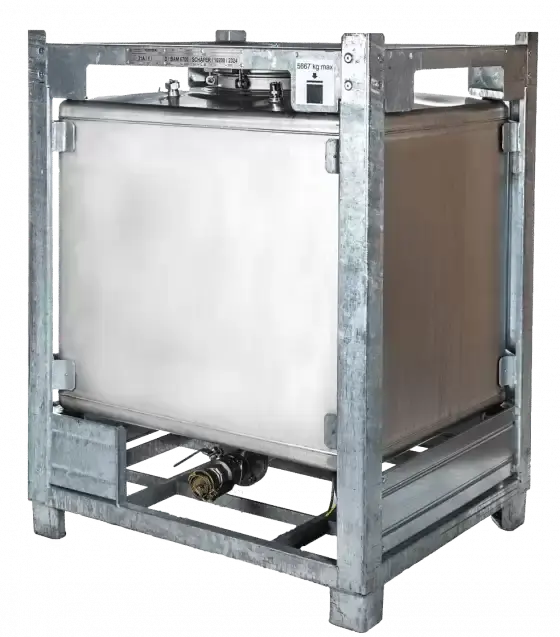
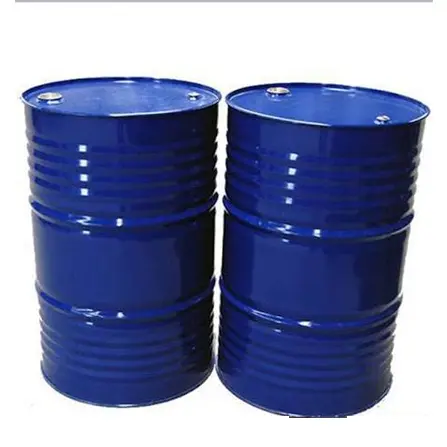
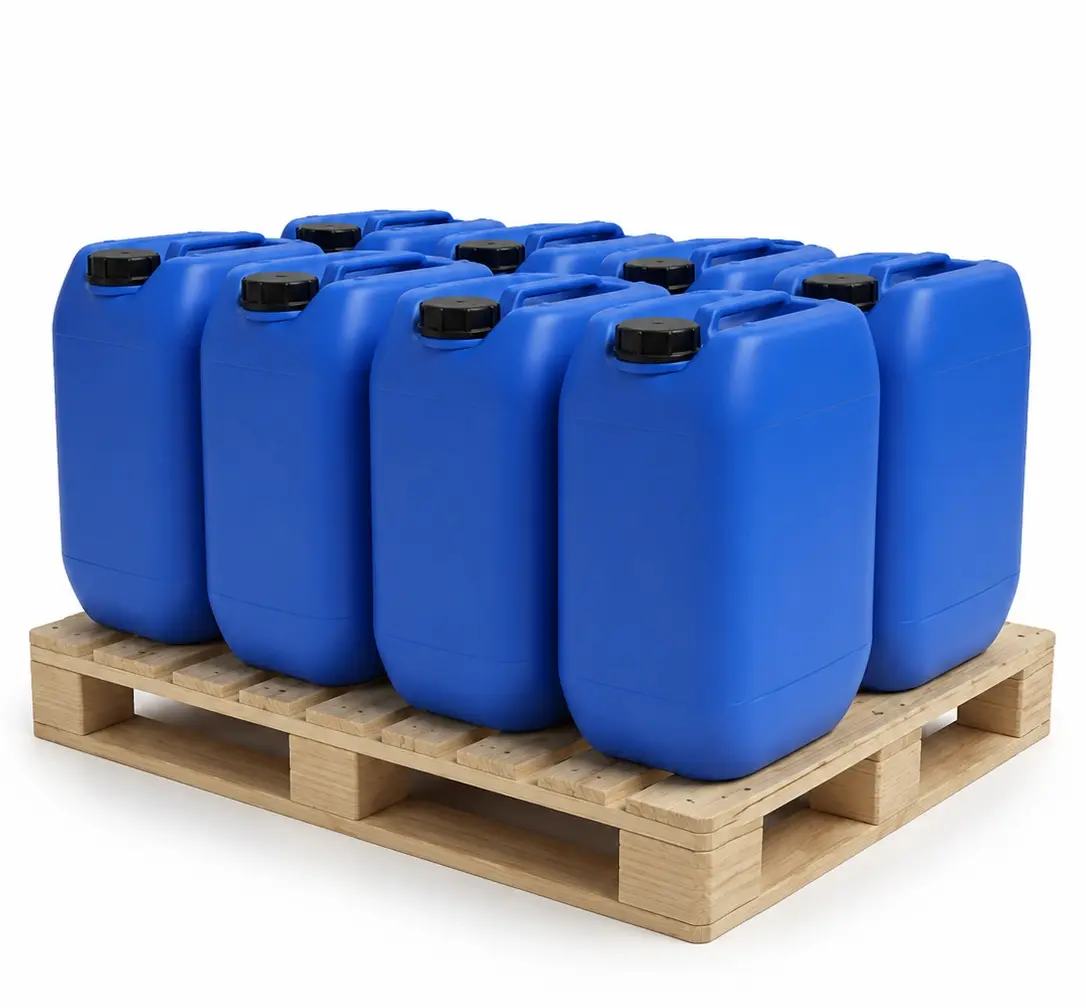
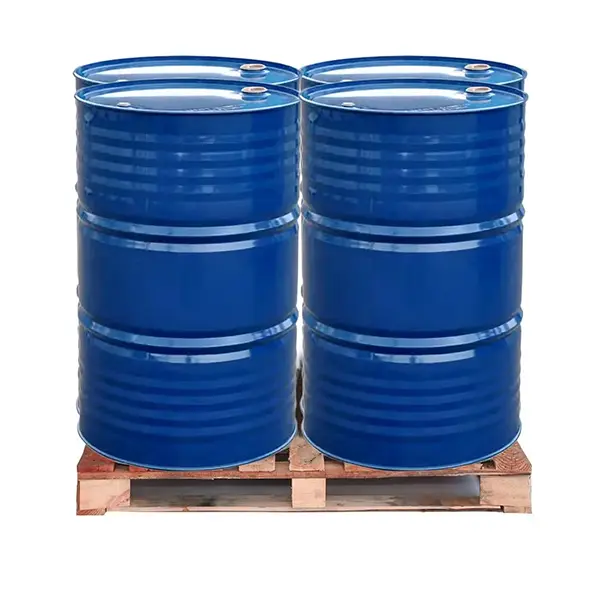
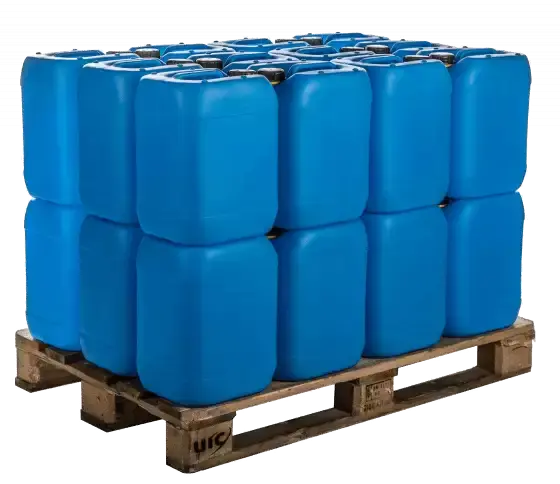
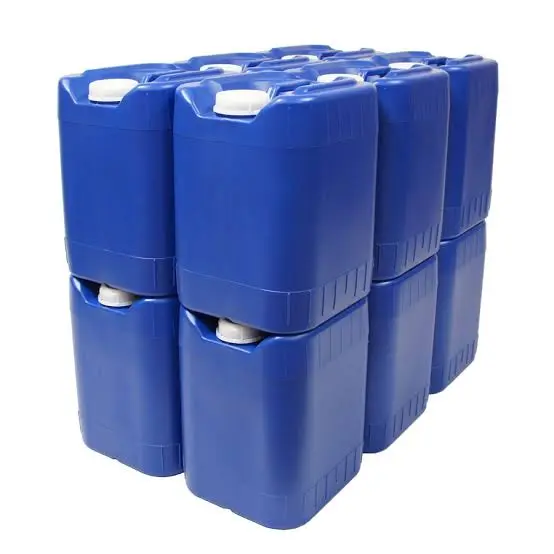
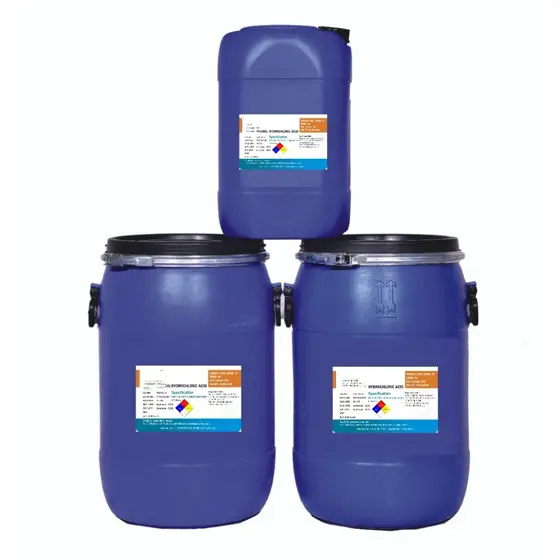
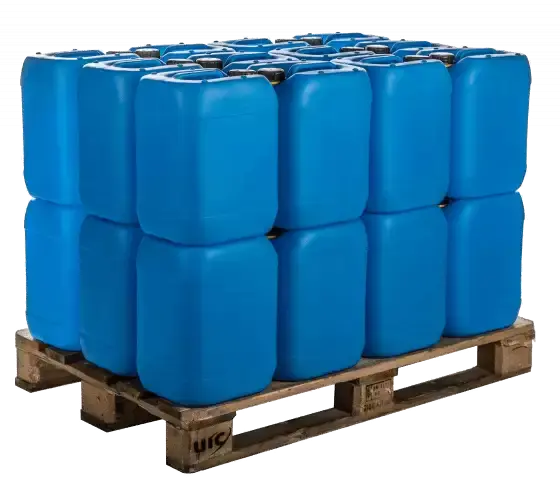
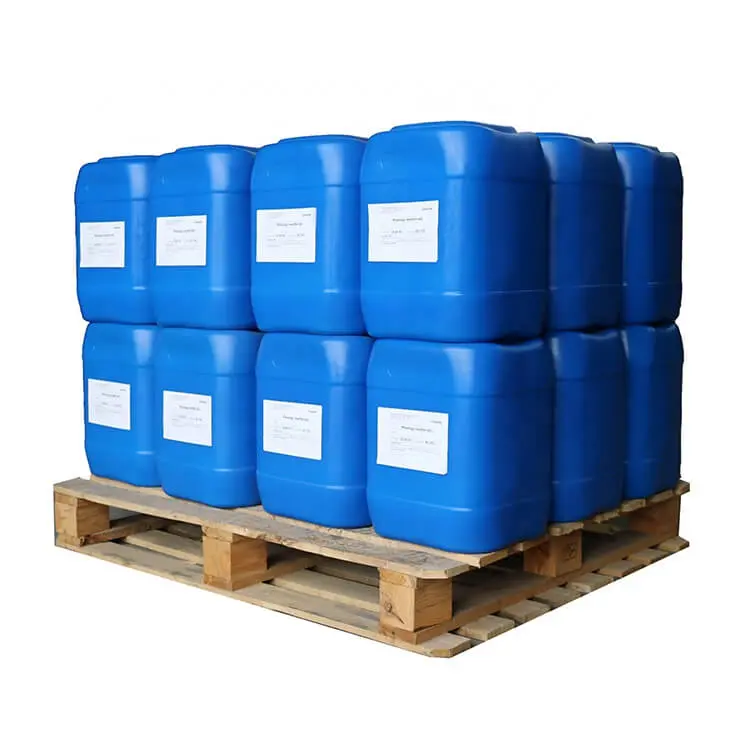
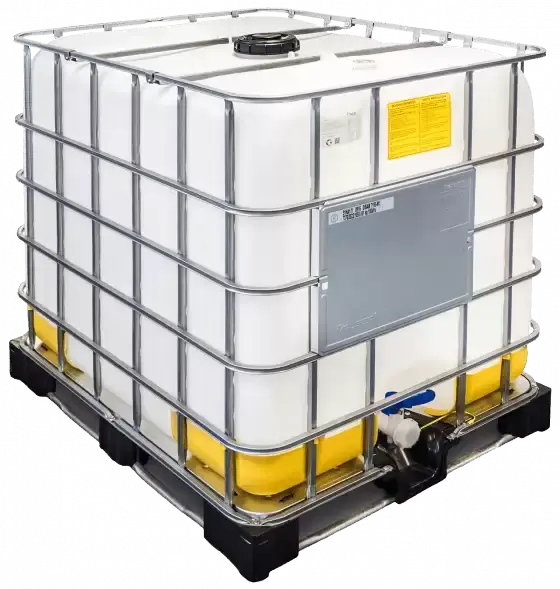
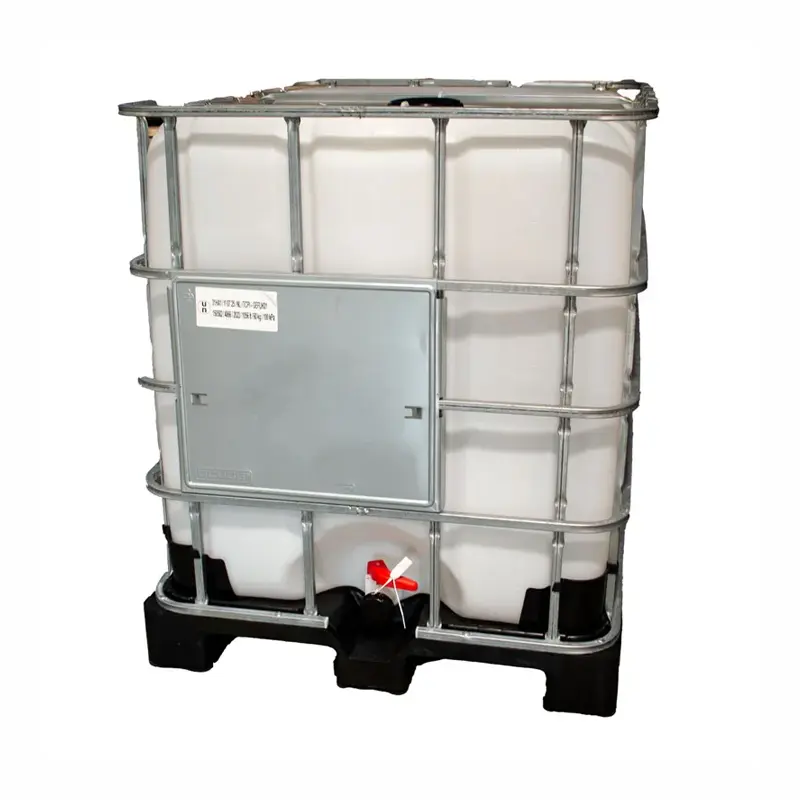
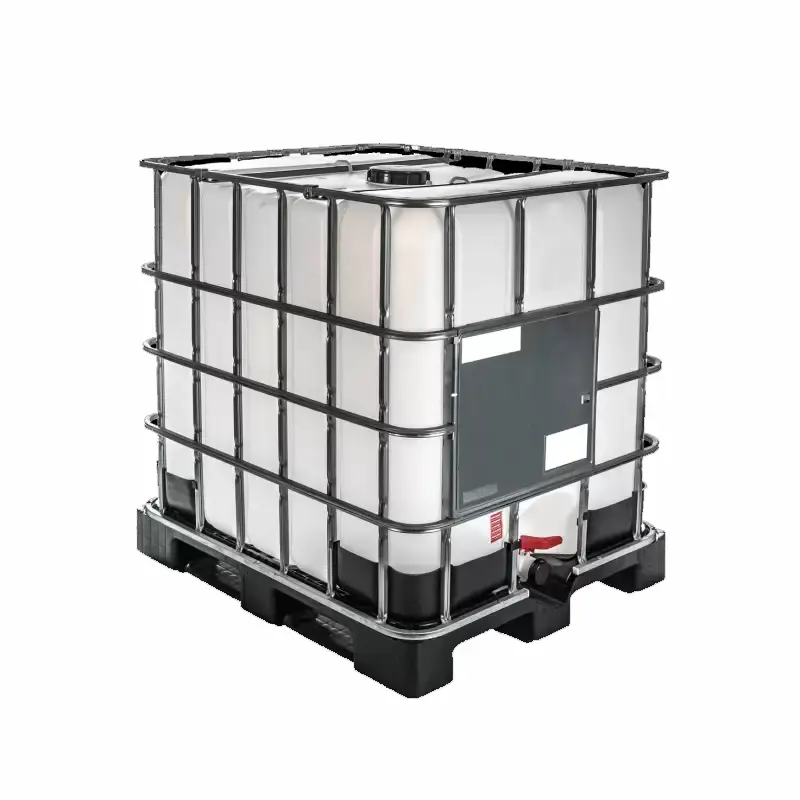
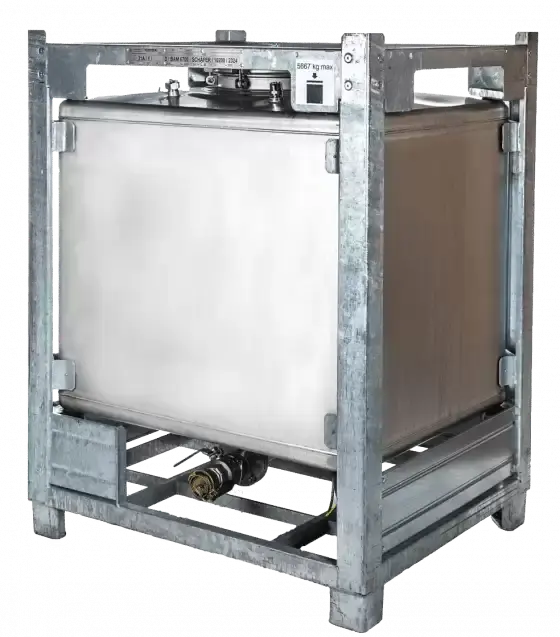
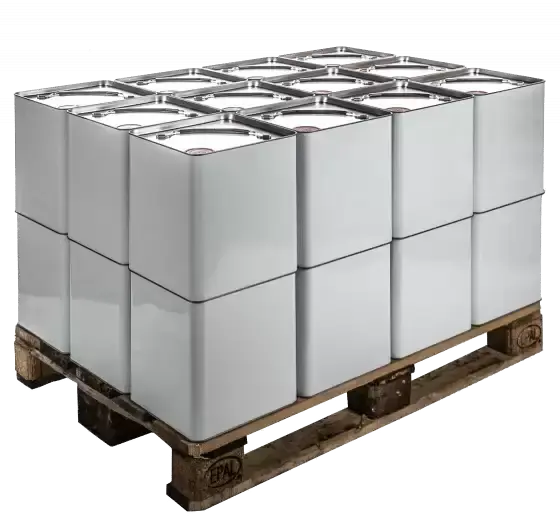
Store Sodium Lauryl Sulphate in a tightly closed, clearly labelled container in a cool, dry, well-ventilated area. Protect the material from moisture and contamination, and follow the supplier's storage recommendations. Avoid inhaling dust and prevent direct contact with the eyes and skin. Use appropriate personal protective equipment and consult the product-specific Safety Data Sheet (SDS) for handling, spill response, and disposal guidance.
Conclusion
Sodium Lauryl Sulphate is a versatile anionic surfactant used in personal care products, detergents, household cleaners, and industrial formulations. Its foaming, wetting, and cleansing properties make it an important ingredient for manufacturers seeking reliable surfactant performance. Selecting the appropriate grade and following supplier specifications are essential for achieving the desired results in the intended application.