
Triethylene Glycol (TEG) – High-Performance Chemical for Industrial Applications
Triethylene Glycol (TEG) is a versatile organic chemical compound widely used in natural gas processing, chemical manufacturing, solvents, industrial formulations, and specialized production processes. Known for its hygroscopic properties, low volatility, and excellent compatibility with various chemical substances, triethylene glycol plays an important role in applications that require moisture absorption, dehydration, and reliable processing performance. Its functional characteristics make it a valuable industrial chemical for manufacturers and businesses across multiple sectors.
Key Properties and Characteristics of Triethylene Glycol
Triethylene glycol is a clear, colorless liquid with a mild odor and the chemical formula C₆H₁₄O₄. It belongs to the glycol family and is characterized by its ability to absorb moisture from gases and liquids. It has a relatively high boiling point, low volatility, and good miscibility with water and several organic compounds.
These properties make triethylene glycol suitable for industrial dehydration, solvent applications, and specialized chemical formulations. Its performance depends on product purity, moisture content, and the specific requirements of the intended application.
Industrial Applications of Triethylene Glycol
Triethylene glycol is widely used in natural gas processing facilities to remove water vapor from natural gas streams. In glycol dehydration systems, it absorbs moisture and helps reduce the risk of condensation, hydrate formation, and corrosion in downstream equipment.
It is also used as a solvent and processing aid in selected industrial formulations, chemical manufacturing processes, and specialized applications. Depending on the formulation and grade, triethylene glycol may be incorporated into certain inks, coatings, and other chemical products.
Triethylene Glycol in Chemical Manufacturing
In chemical manufacturing, triethylene glycol serves as a useful intermediate and functional ingredient in selected production processes. Its chemical structure, moisture-absorbing capacity, and compatibility with other substances make it suitable for applications that require controlled solvent properties and consistent processing conditions.
The selection of triethylene glycol should be based on the intended process, required purity, and compatibility with other raw materials.
Benefits of Triethylene Glycol
Triethylene glycol offers several advantages for industrial applications, including effective moisture absorption, low volatility, a high boiling point, and good water miscibility. These properties support reliable dehydration performance and make it useful in selected solvent and chemical processing applications.
Its versatility allows manufacturers to incorporate triethylene glycol into processes that require dependable moisture control, formulation stability, and consistent chemical performance.
Quality Standards and Product Specifications
Maintaining consistent triethylene glycol quality is essential for achieving reliable industrial results. Important specifications may include purity, water content, acidity, color, and other application-specific parameters.
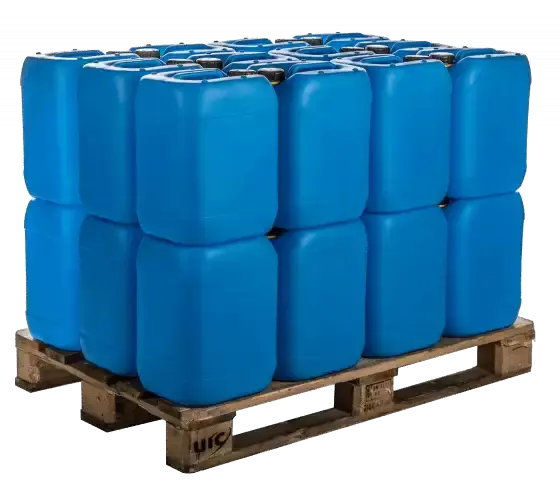
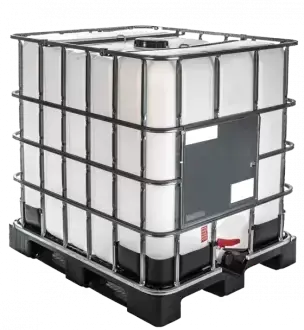
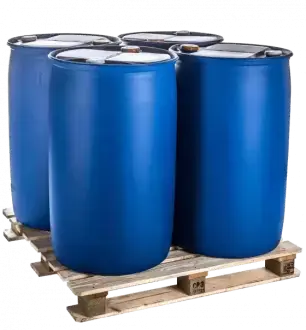
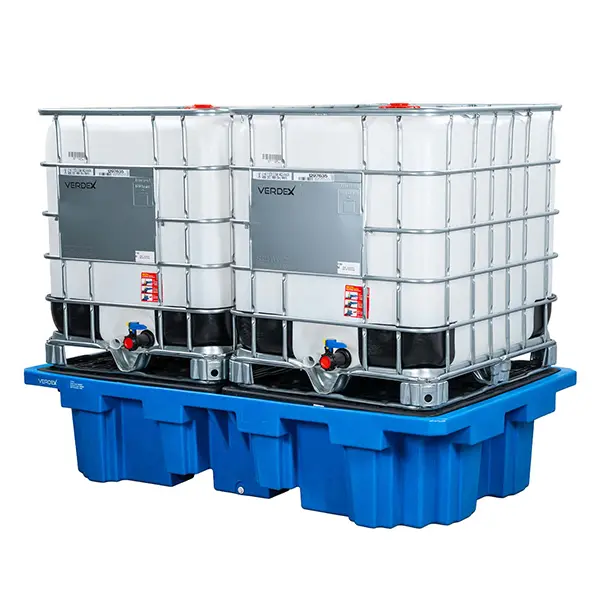
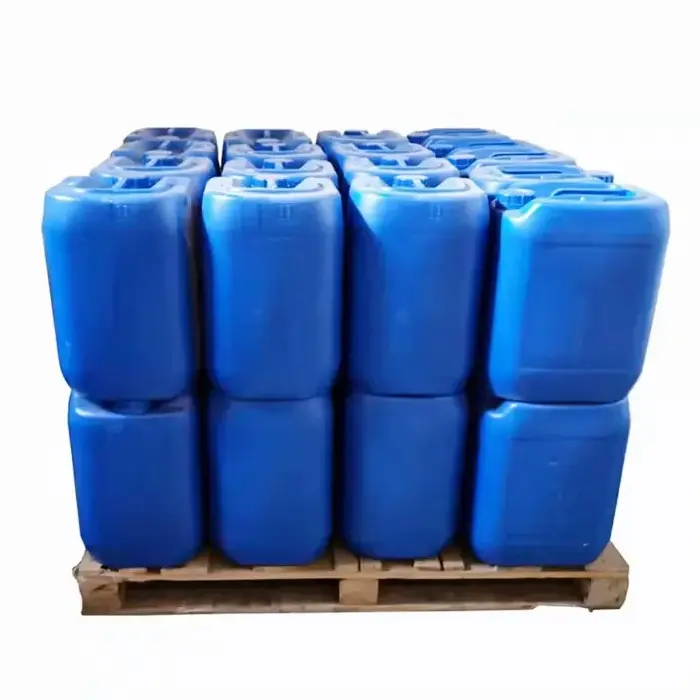
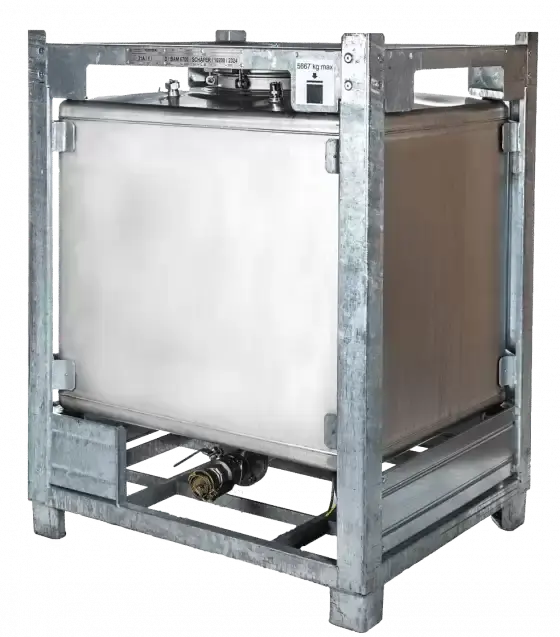
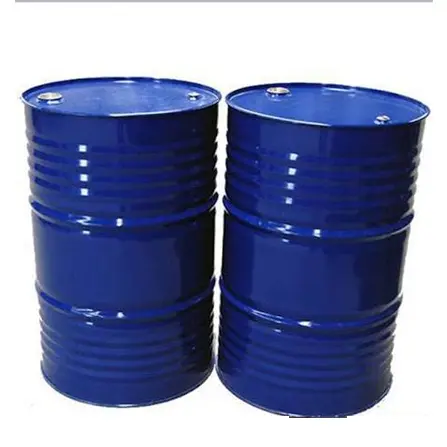
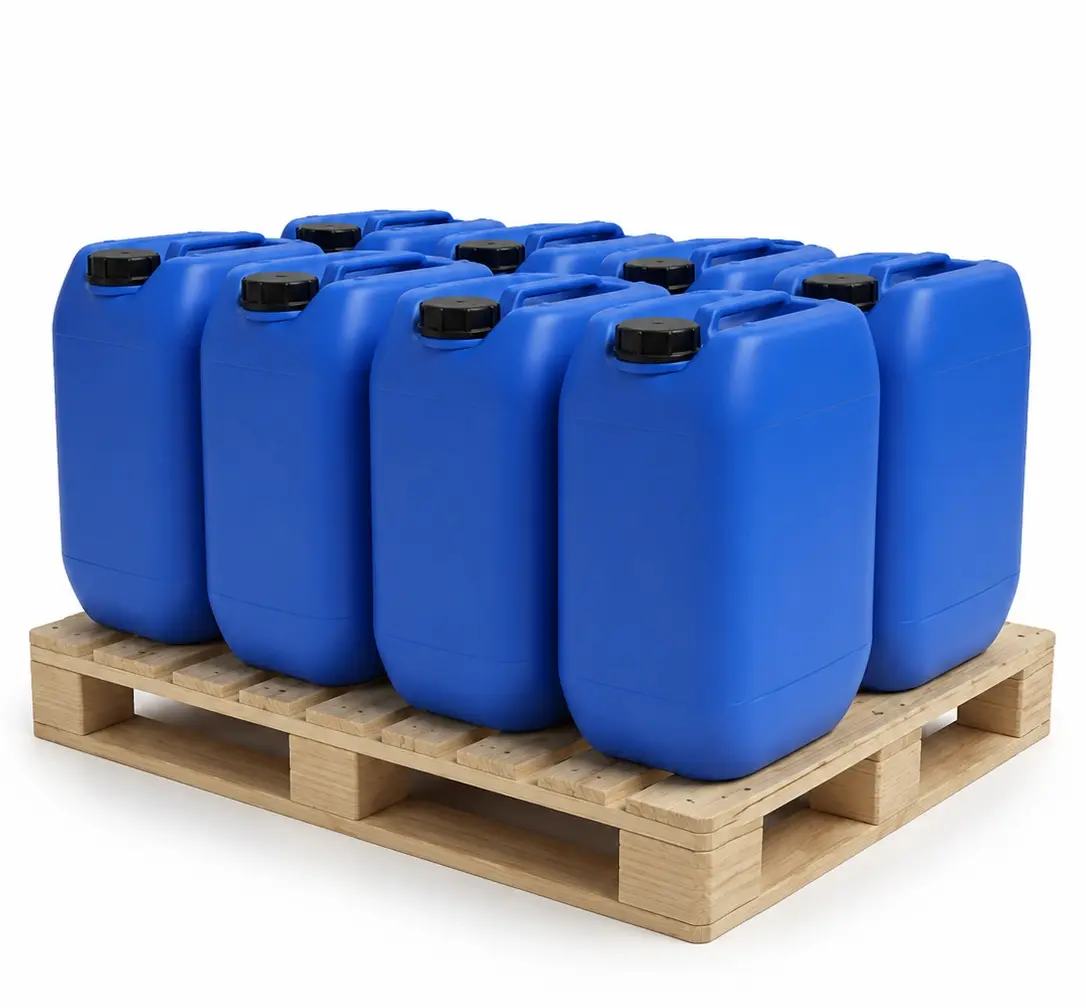
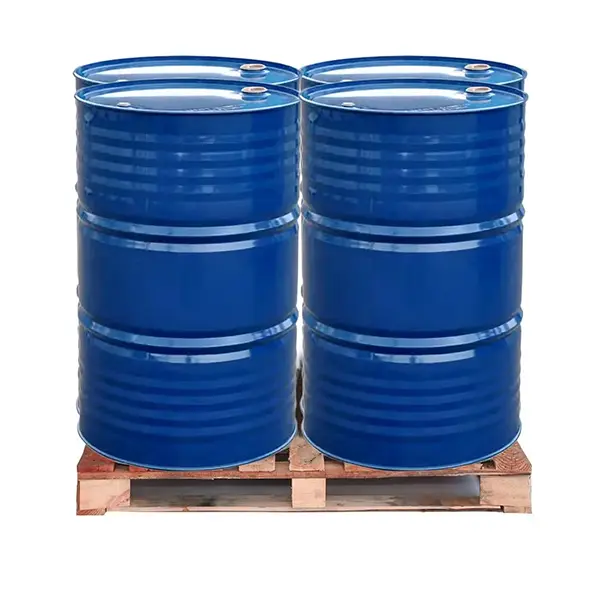
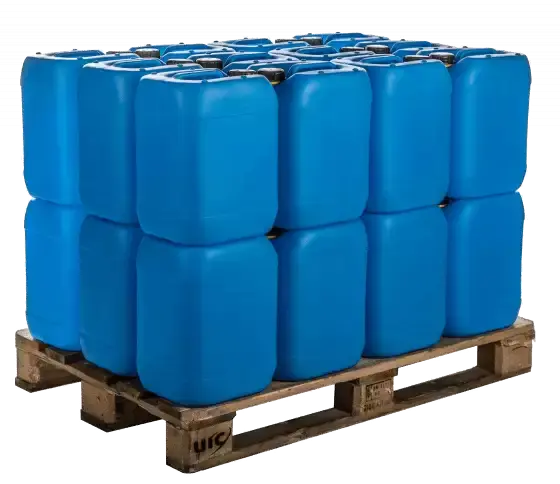
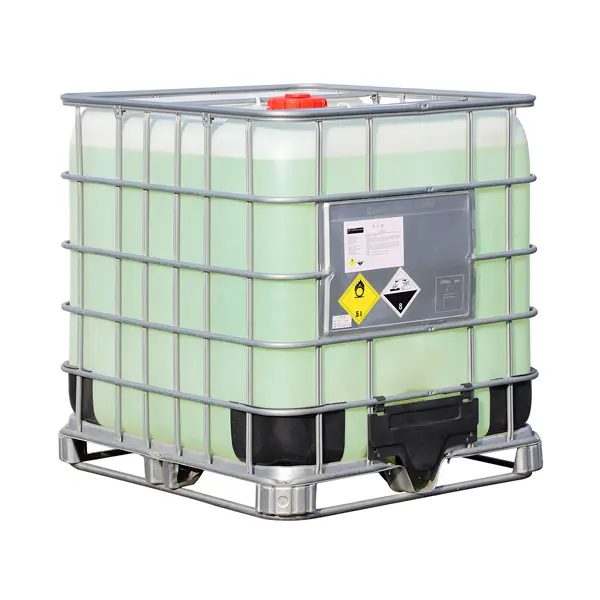
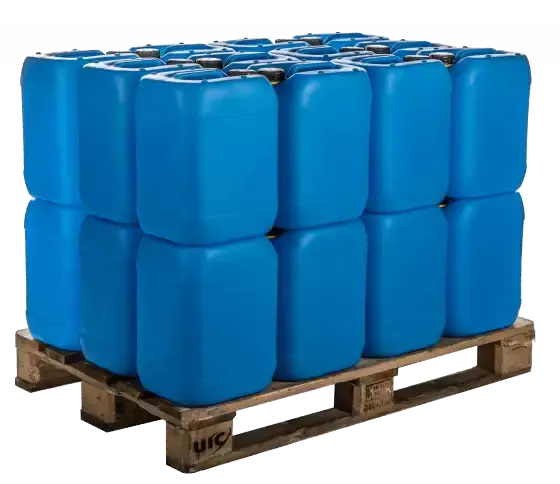
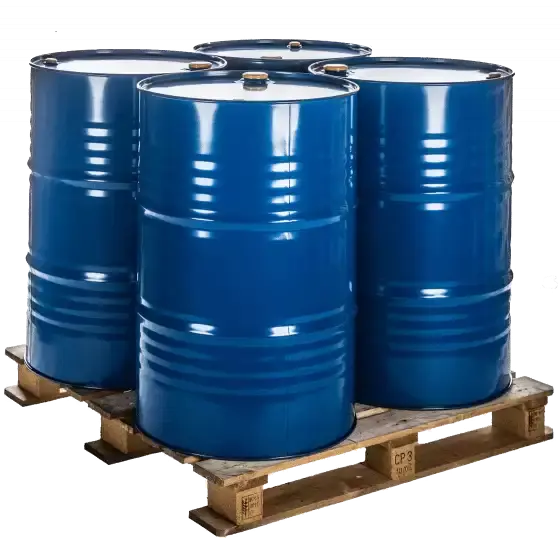
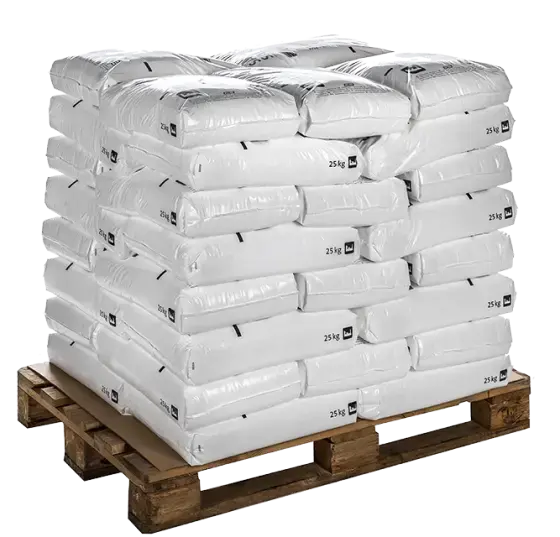
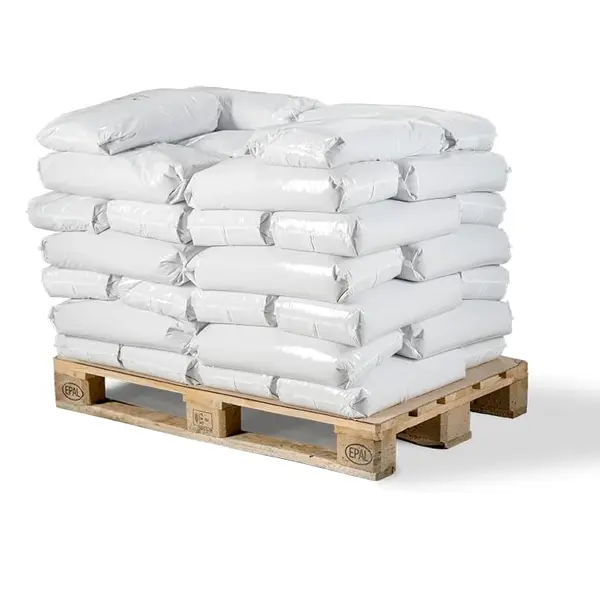
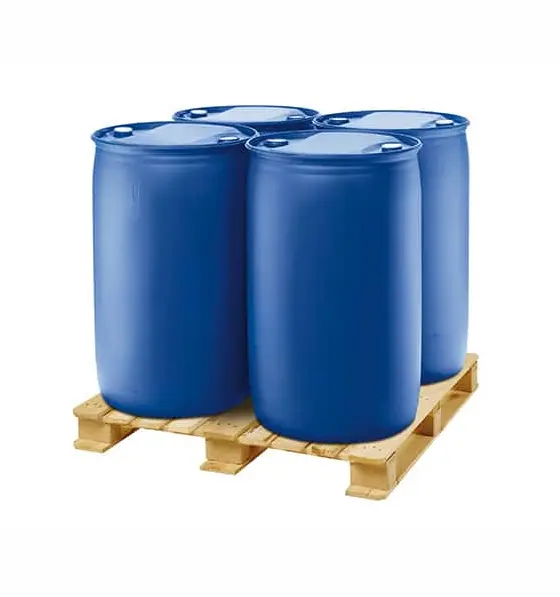
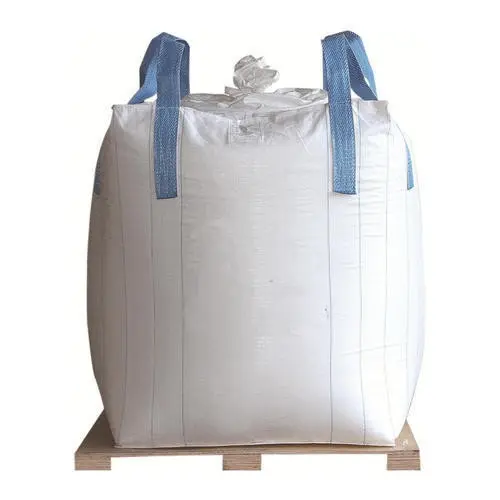
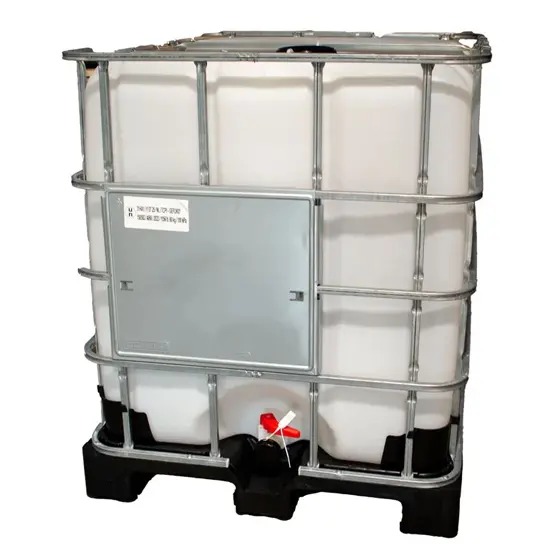
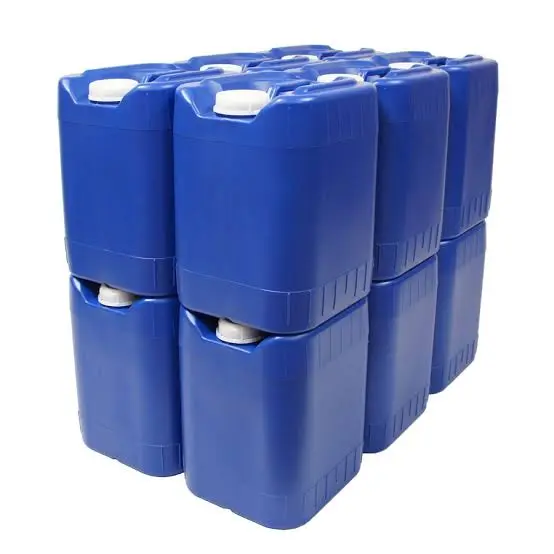
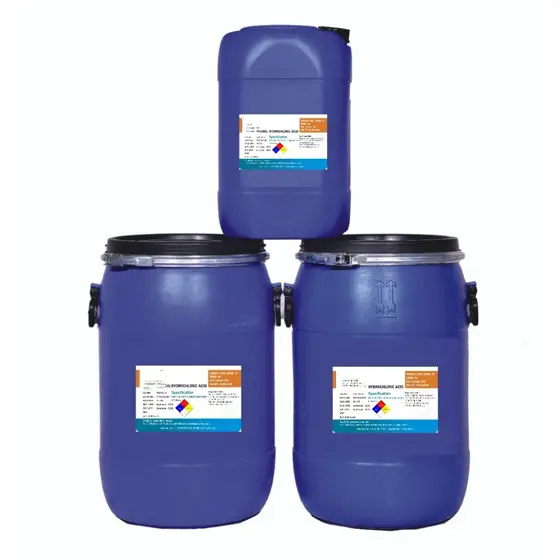
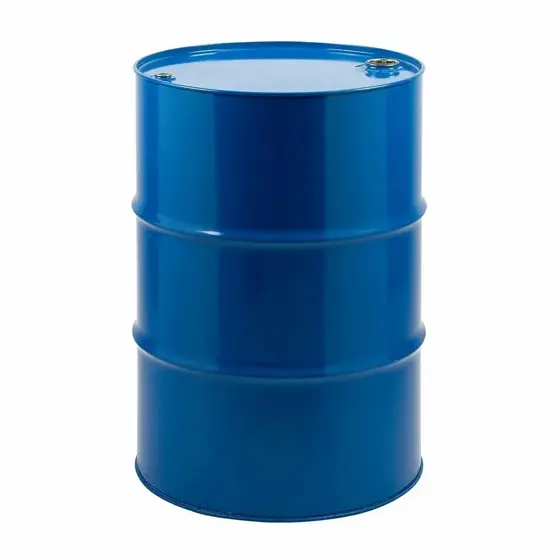
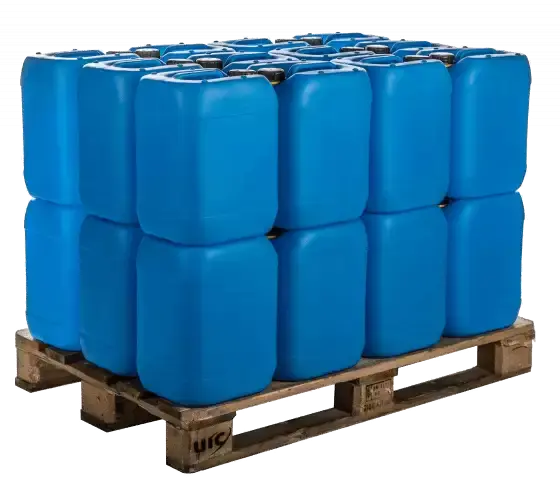
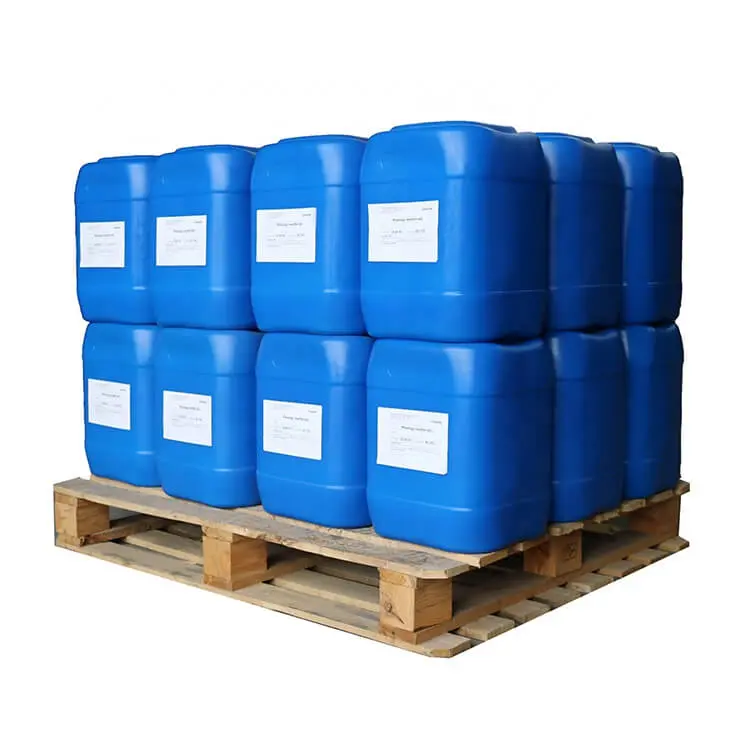
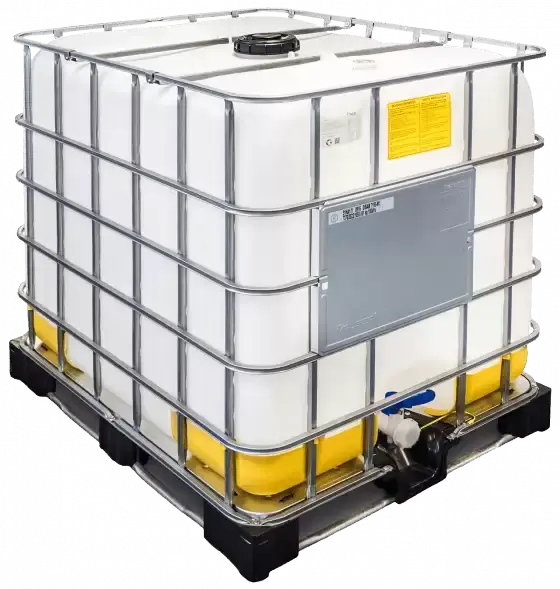
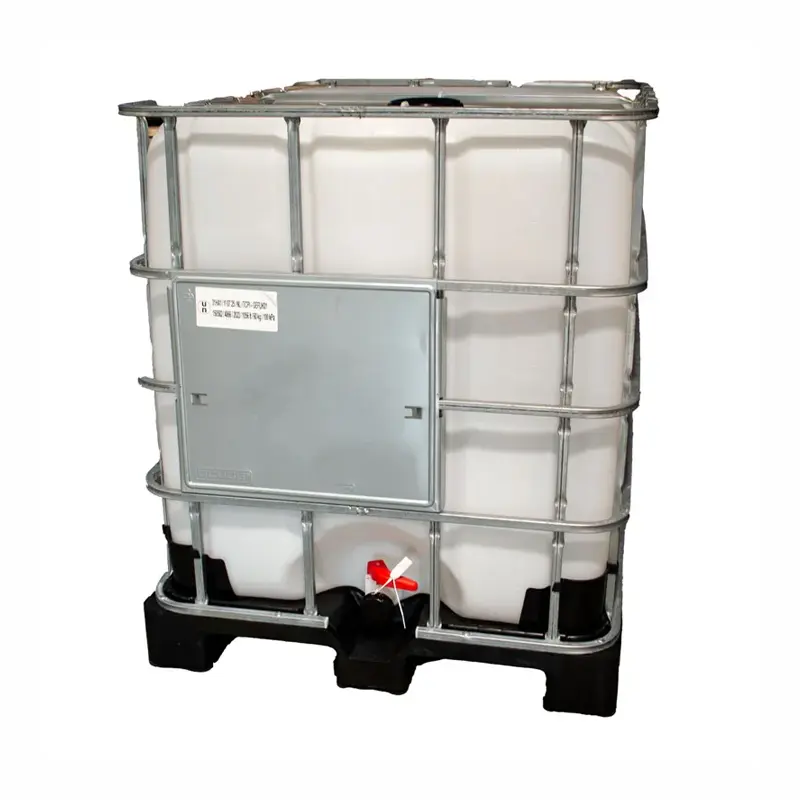
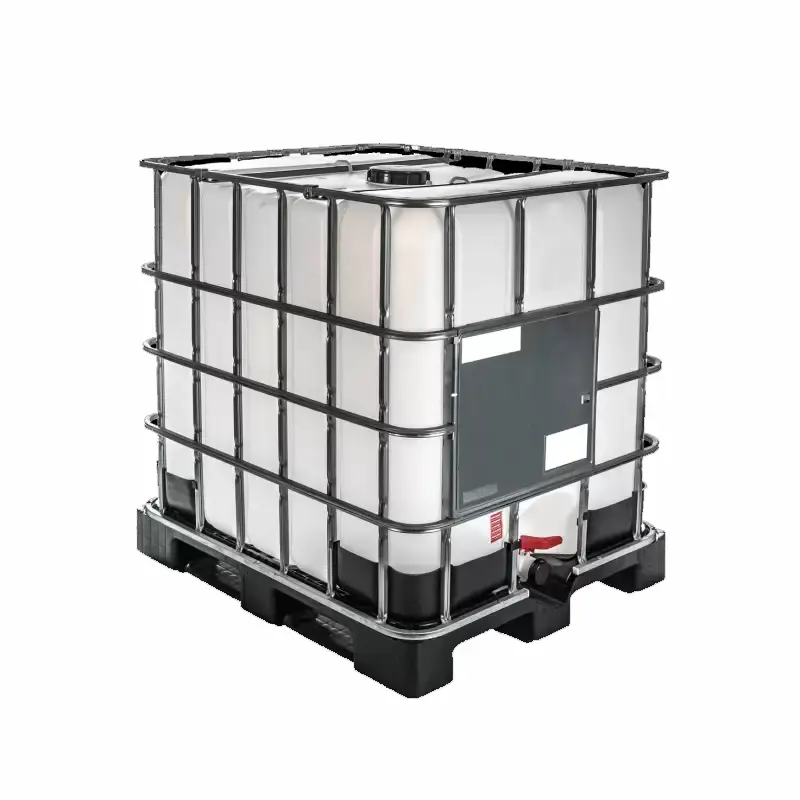
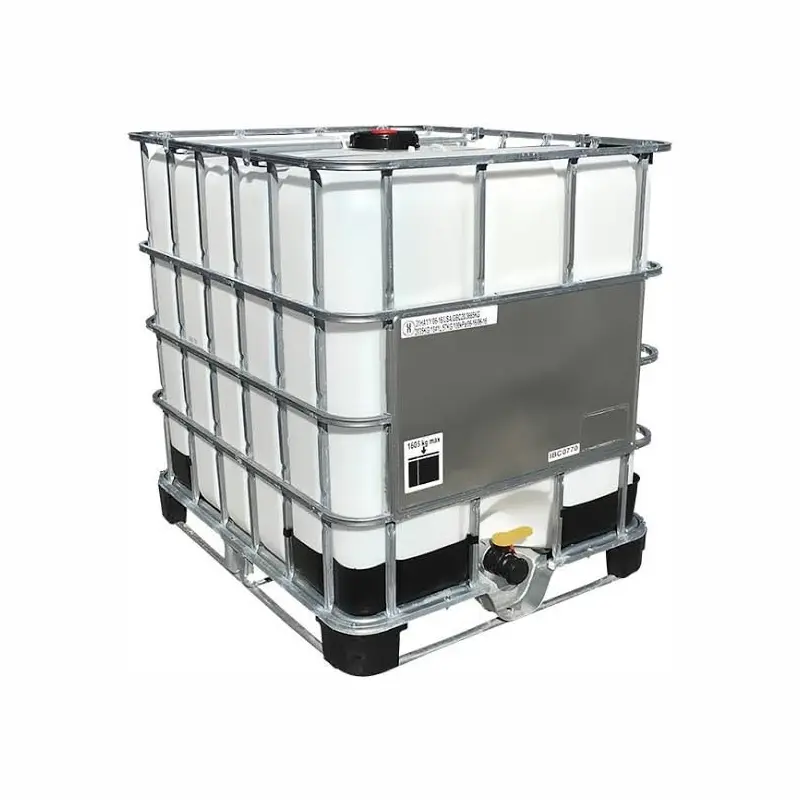
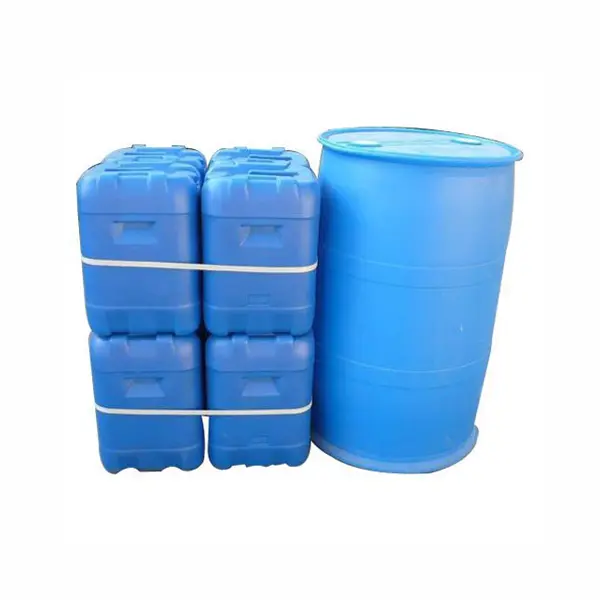
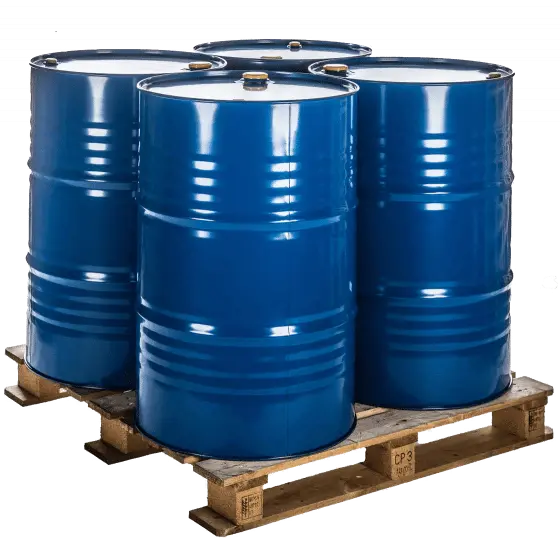
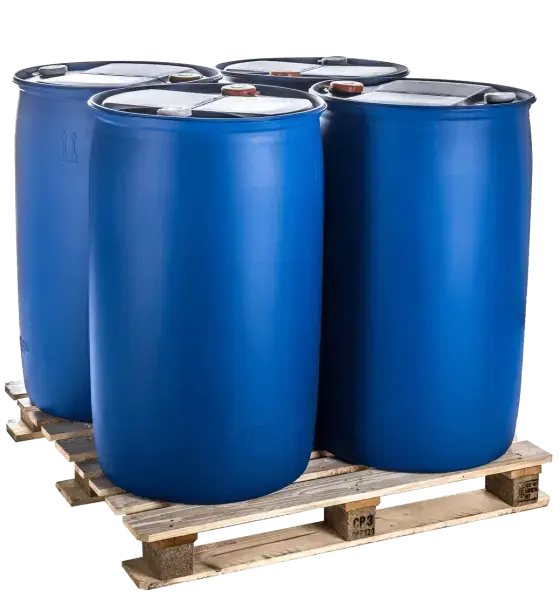
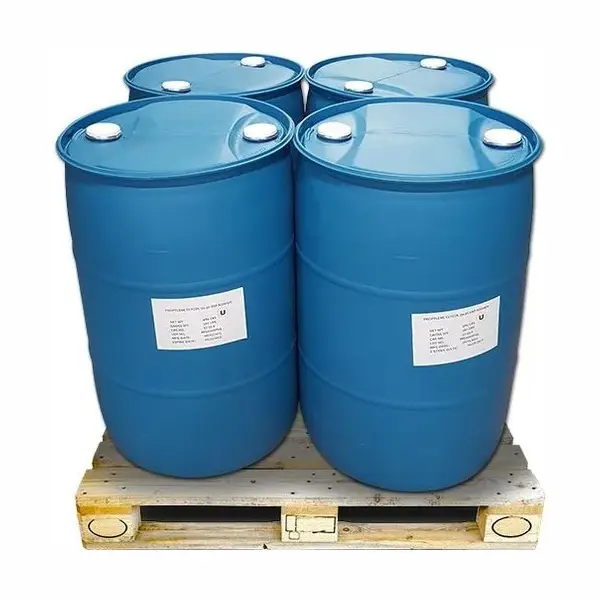
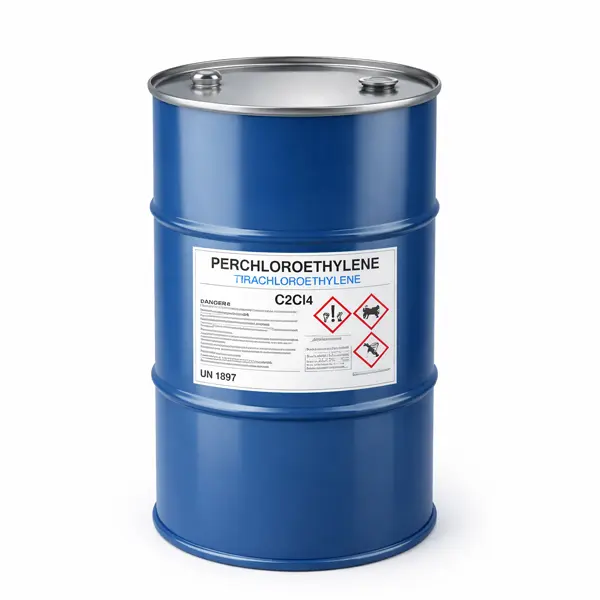
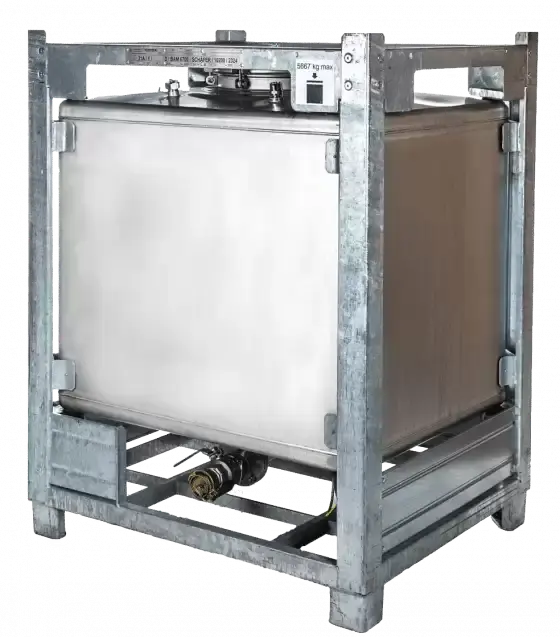
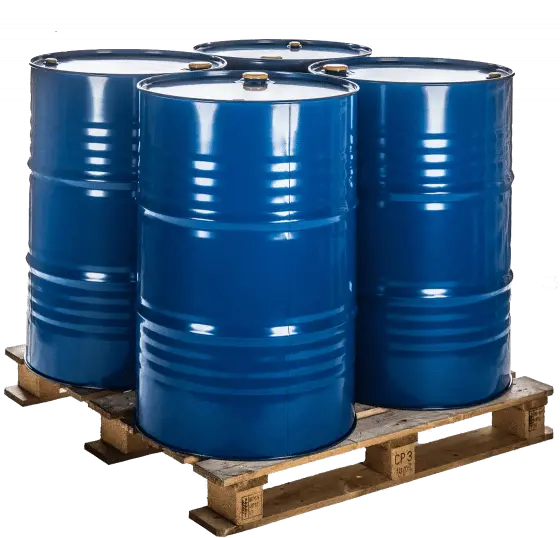
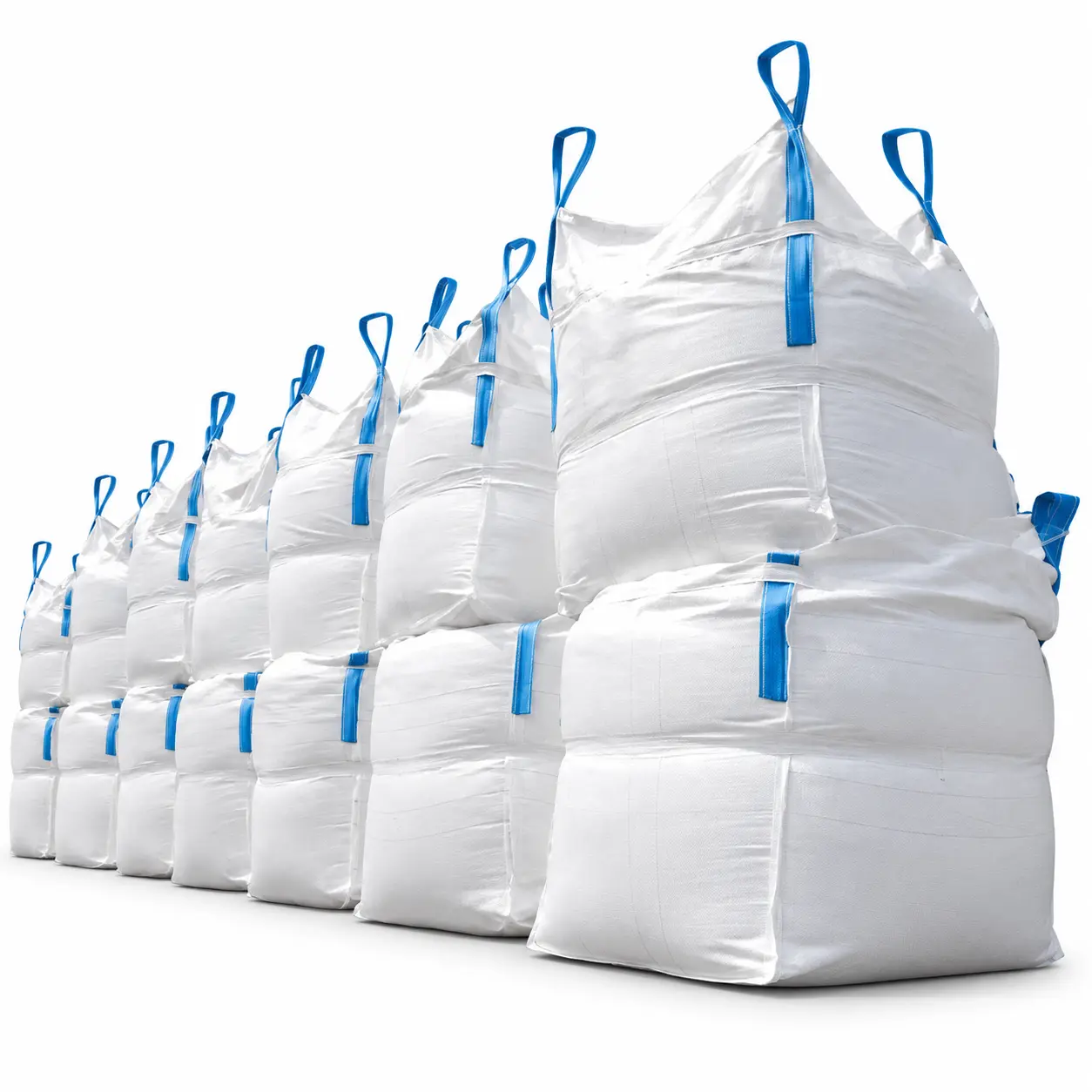
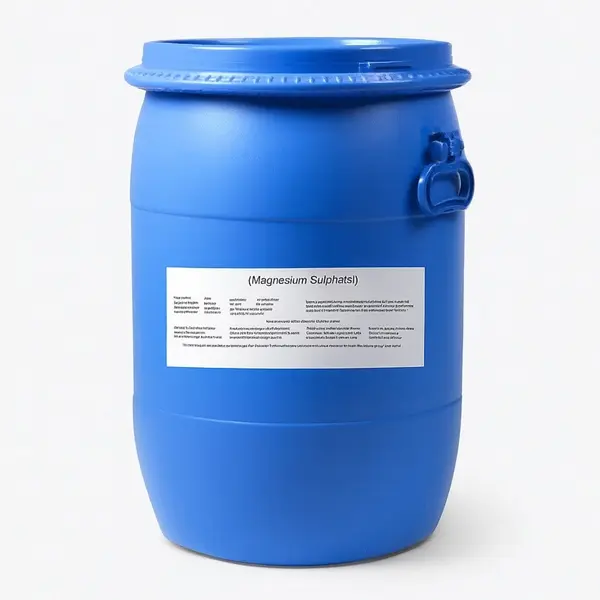
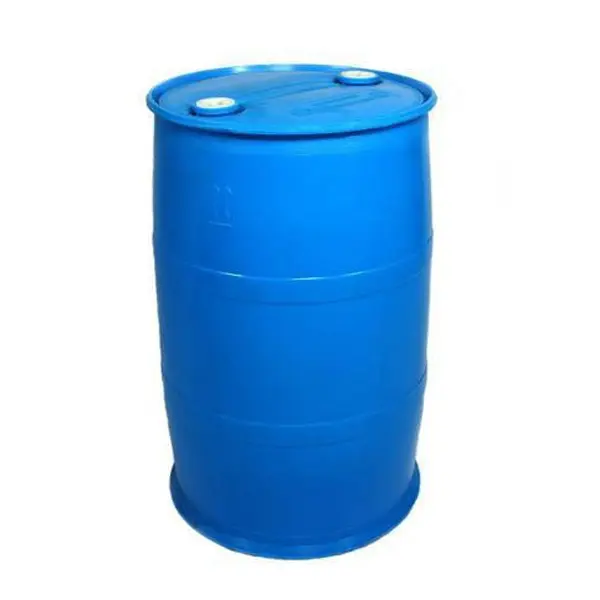
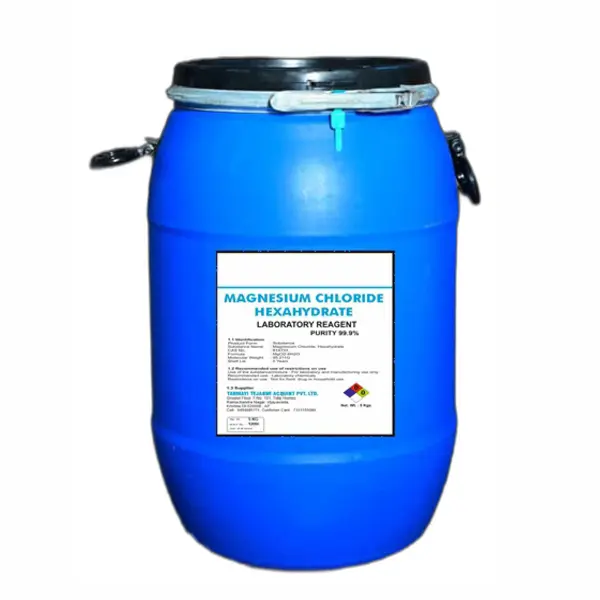
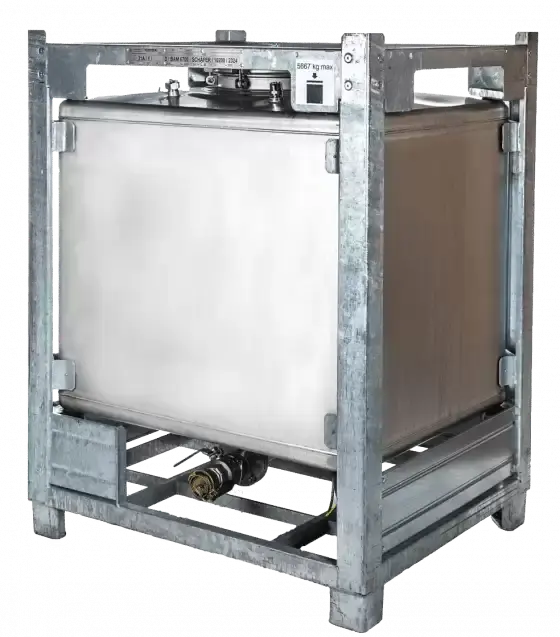
Industries such as natural gas processing and chemical manufacturing may require different specifications according to their operating conditions. Proper storage in compatible, sealed containers helps protect the product from contamination and excess moisture.
Reliable Triethylene Glycol Solutions for Industrial Needs
Triethylene glycol remains an important industrial chemical because of its moisture-absorbing properties and broad range of applications. From natural gas dehydration to specialized chemical manufacturing, it supports efficient operations and dependable processing performance.
Choosing the appropriate grade from a reliable supplier helps businesses meet their technical requirements and maintain consistent production standards. With its useful chemical properties and industrial versatility, triethylene glycol continues to be a valuable component in modern industrial processes.