Potassium Tripolyphosphate – Multifunctional Phosphate for Industrial and Food Processing Applications
Introduction
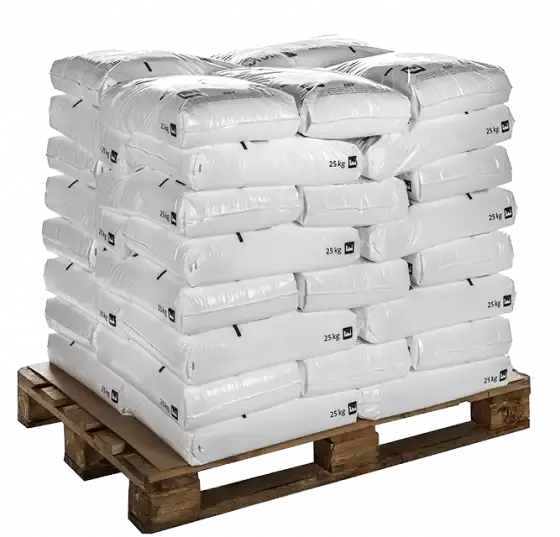
Potassium Tripolyphosphate (KTPP) is an inorganic phosphate compound valued for its sequestrant, dispersing, buffering, and stabilizing properties. Also known as pentapotassium triphosphate, it is commonly supplied as a white powder or granular material and is highly soluble in water. Its ability to interact with metal ions and support formulation stability makes it useful in selected food-processing, cleaning, water-treatment, and industrial applications. Product performance depends on its grade, purity, and formulation requirements.
Industrial Applications
Potassium Tripolyphosphate is used in detergent and cleaning formulations to help manage mineral ions and support cleaning performance. In water-treatment applications, it may assist with controlling certain metal ions and improving process-water performance where approved for the intended use.
In the food-processing industry, suitable food-grade material may be used as a stabilizer, texturizer, emulsifying aid, or sequestrant in permitted applications. Its use must comply with applicable food regulations and product-specific limits.
KTPP can also serve as a dispersing or formulation aid in selected industrial processes, including ceramics and other manufacturing applications. The appropriate grade should be selected according to technical specifications and the requirements of the end product.
Key Benefits
-
Sequestrant properties: Helps bind certain metal ions in compatible formulations.
-
Water solubility: Supports preparation of aqueous solutions for suitable applications.
-
Formulation stability: Can contribute to stabilization and texture control in approved formulations.
-
Dispersing performance: Helps maintain the distribution of particles in selected industrial systems.
-
Versatile applications: Suitable for a range of food-grade and technical uses when the correct grade is selected.
-
Flexible supply options: Availability may vary by supplier, purity, and packaging requirements.
Product Specifications
| Parameter | Details |
|---|---|
| Product Name | Potassium Tripolyphosphate |
| Alternative Names | KTPP, Pentapotassium Triphosphate, Pentapotassium Tripolyphosphate |
| Chemical Formula | K₅P₃O₁₀ |
| CAS Number | 13845-36-8 |
| Molecular Weight | Approximately 448.4 g/mol |
| Appearance | Typically white powder or granules |
| Solubility | Highly soluble in water |
| Functional Properties | Sequestrant, dispersant, stabilizer, buffering agent |
| Applications | Food processing, detergents, water treatment, industrial formulations |
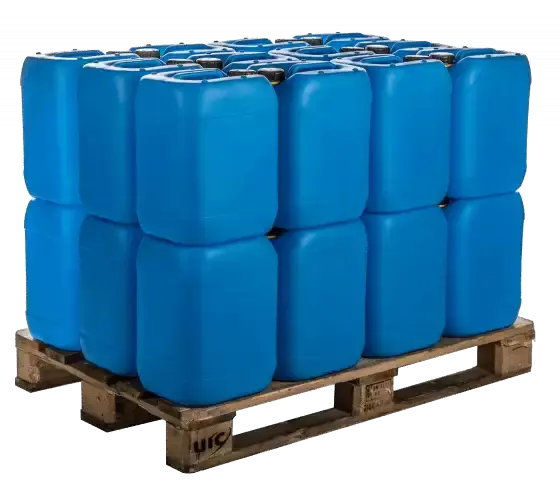
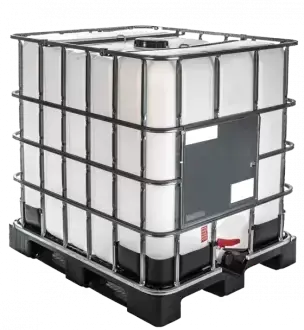
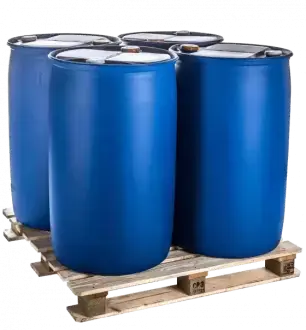
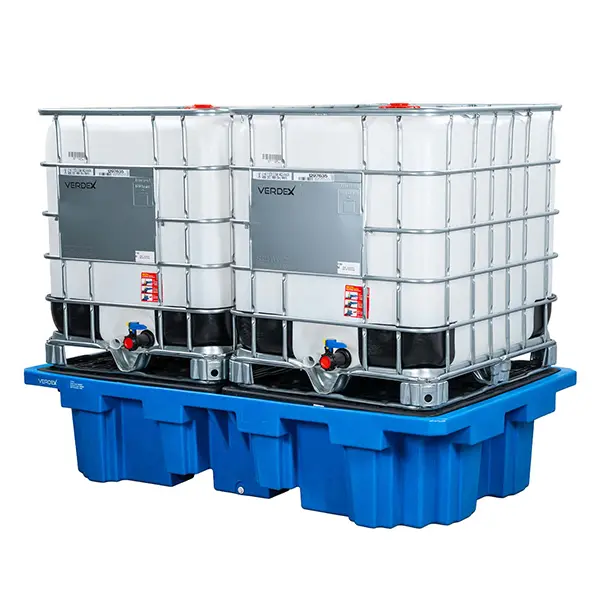
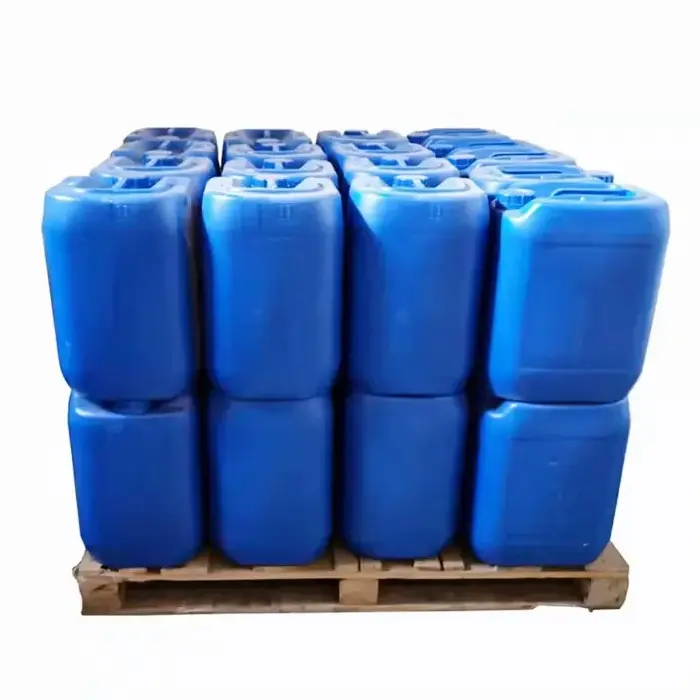
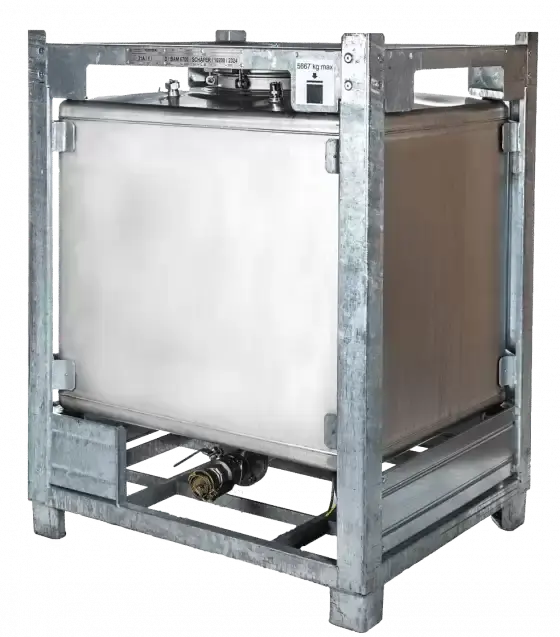
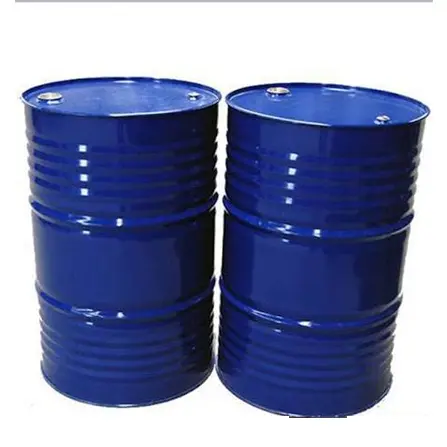
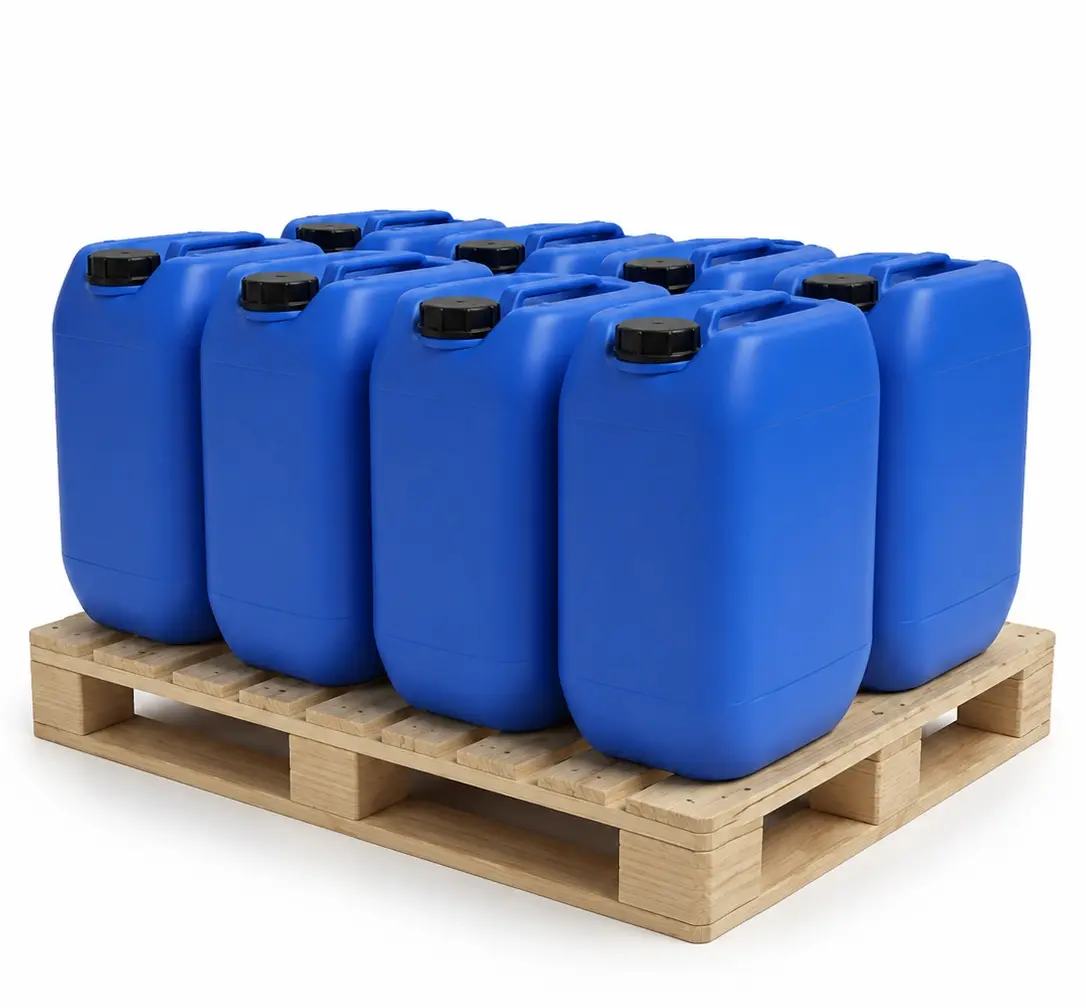
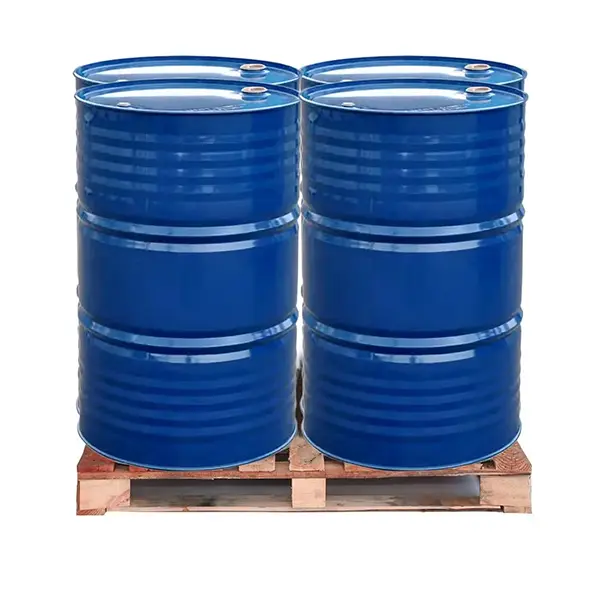
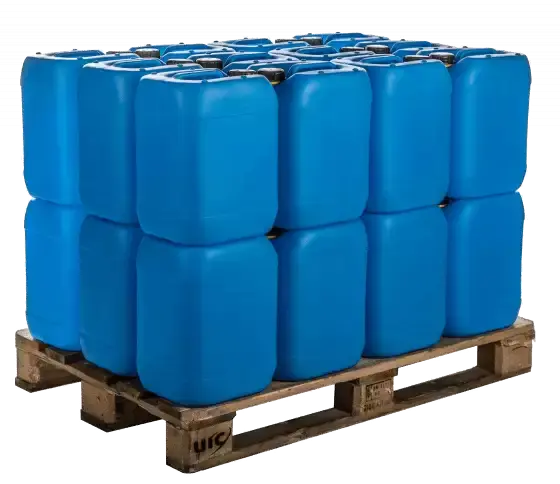
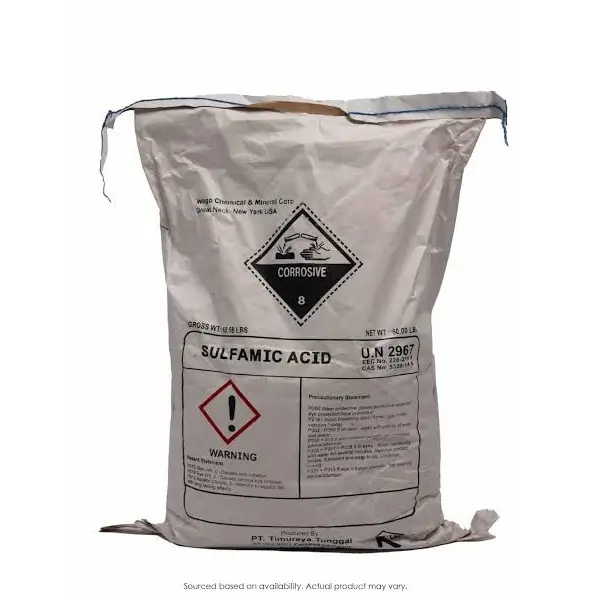
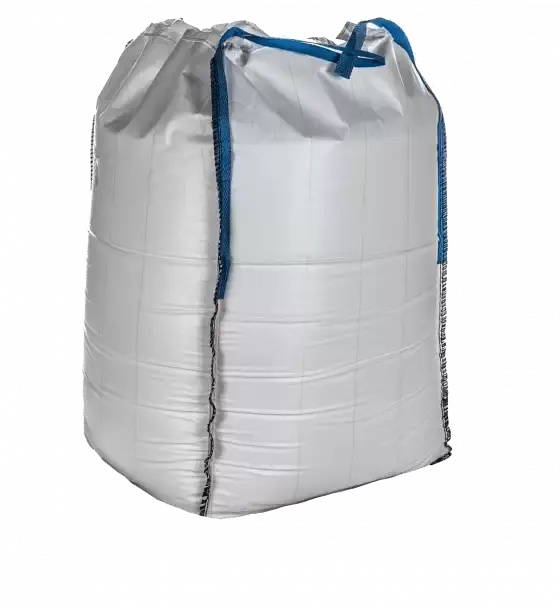
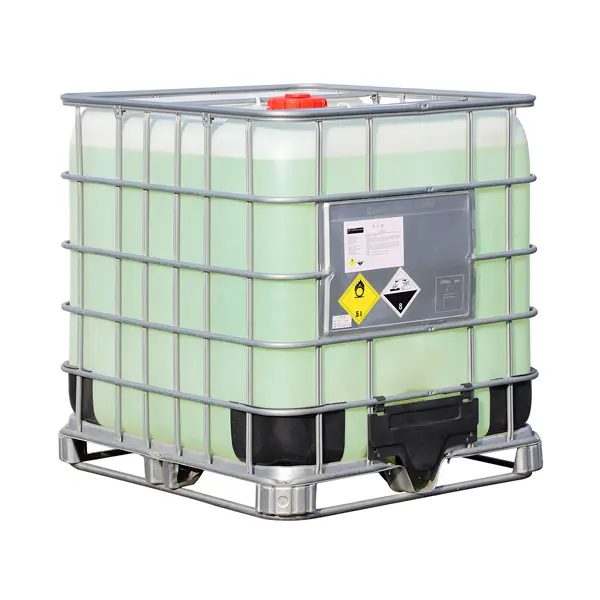
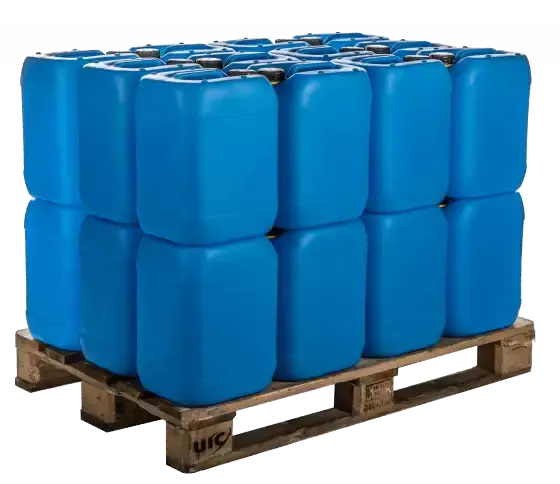
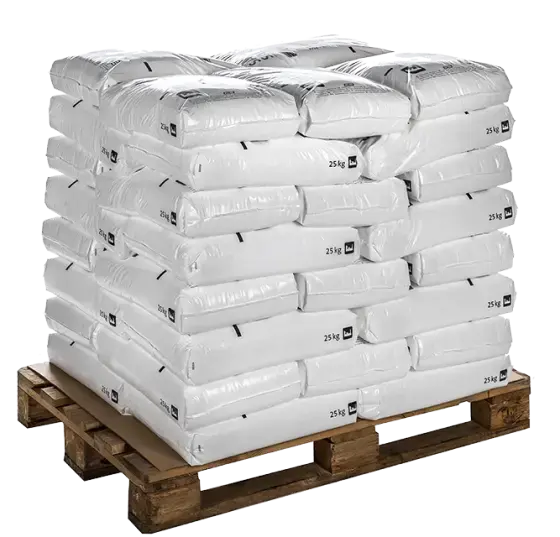
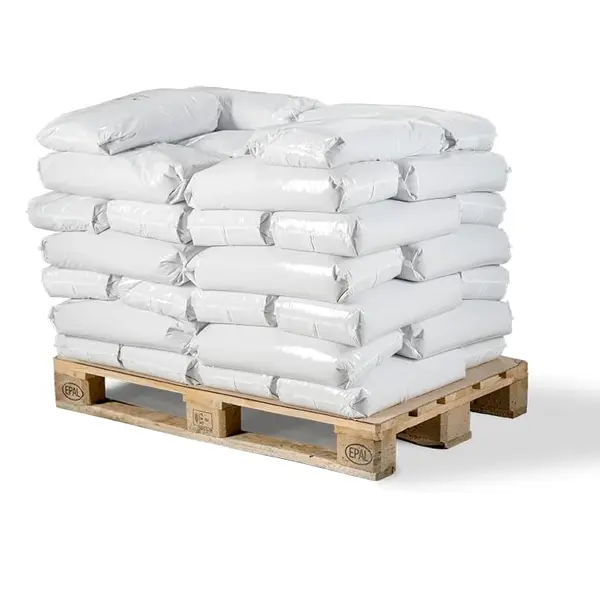
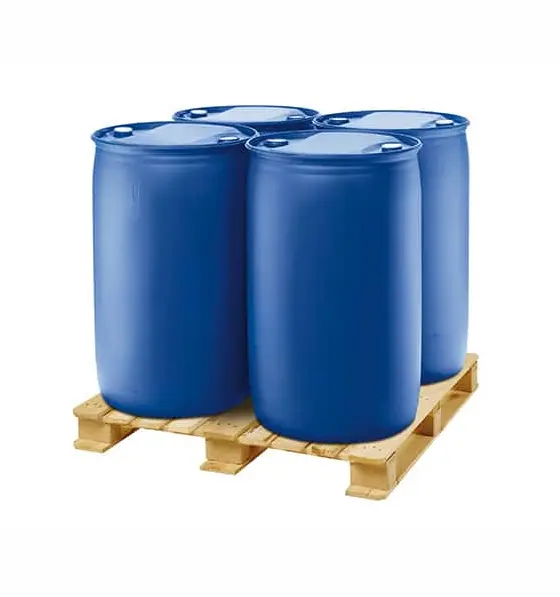
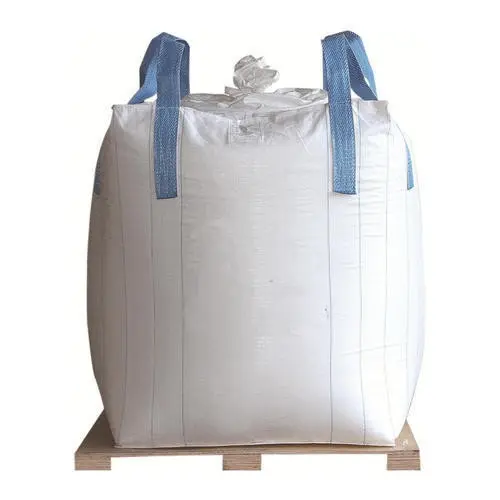
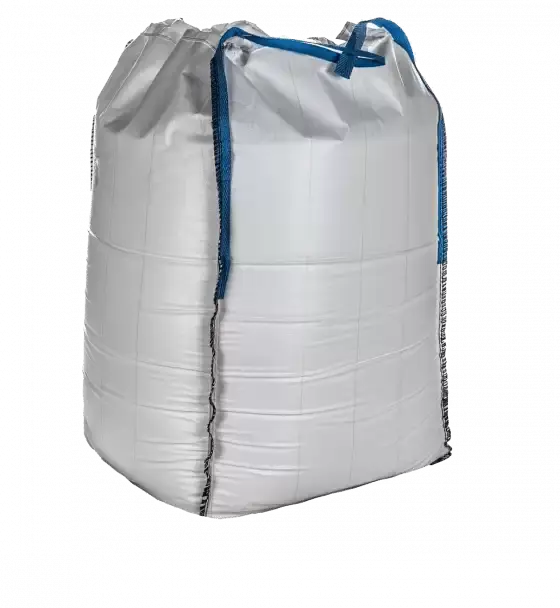
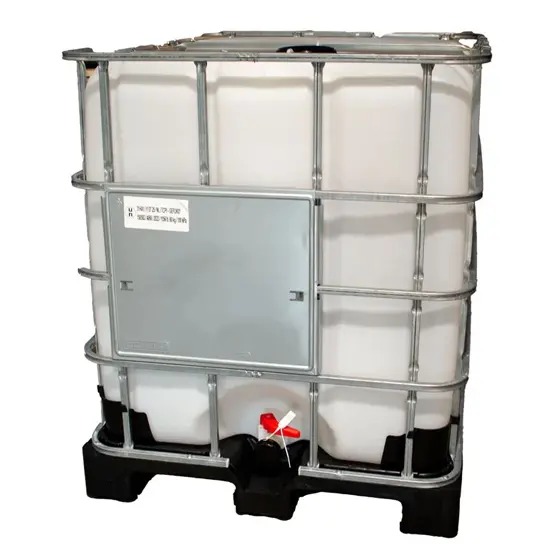
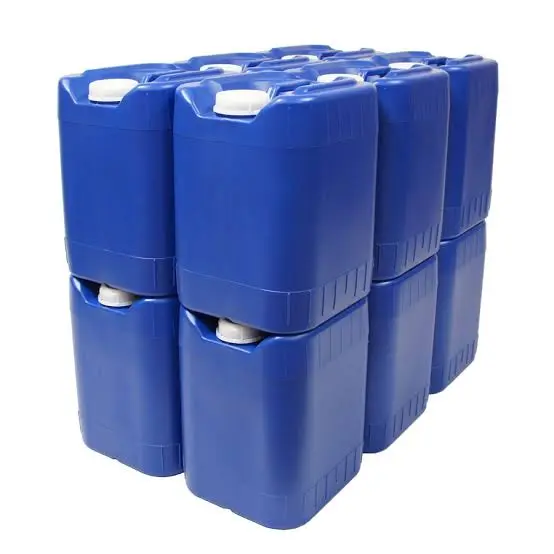
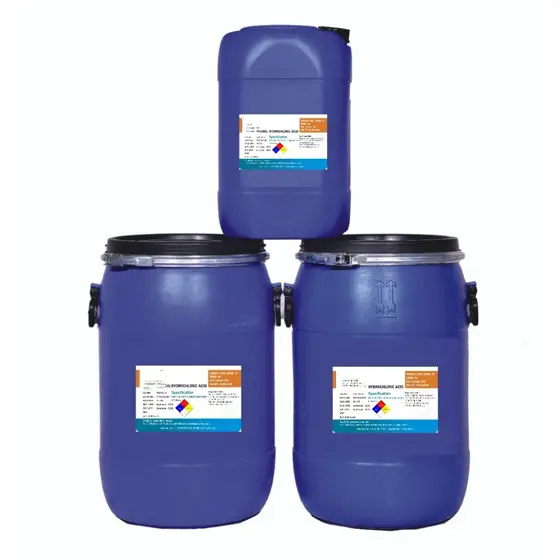
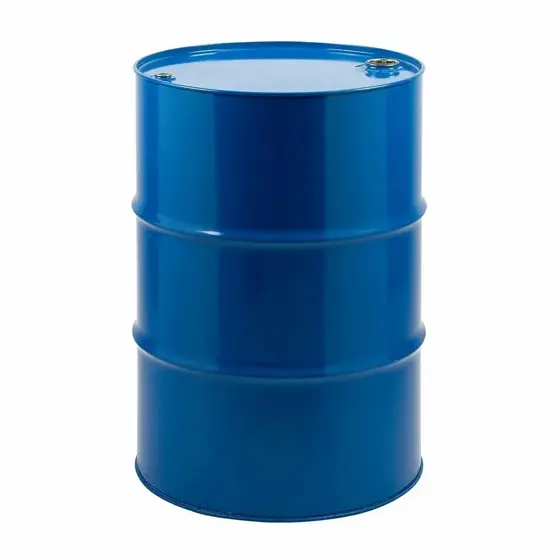
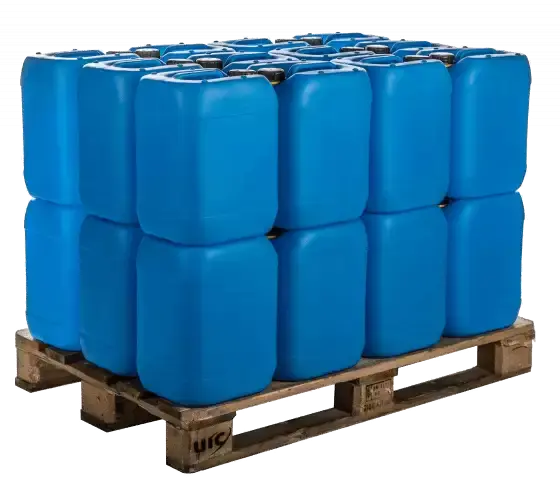
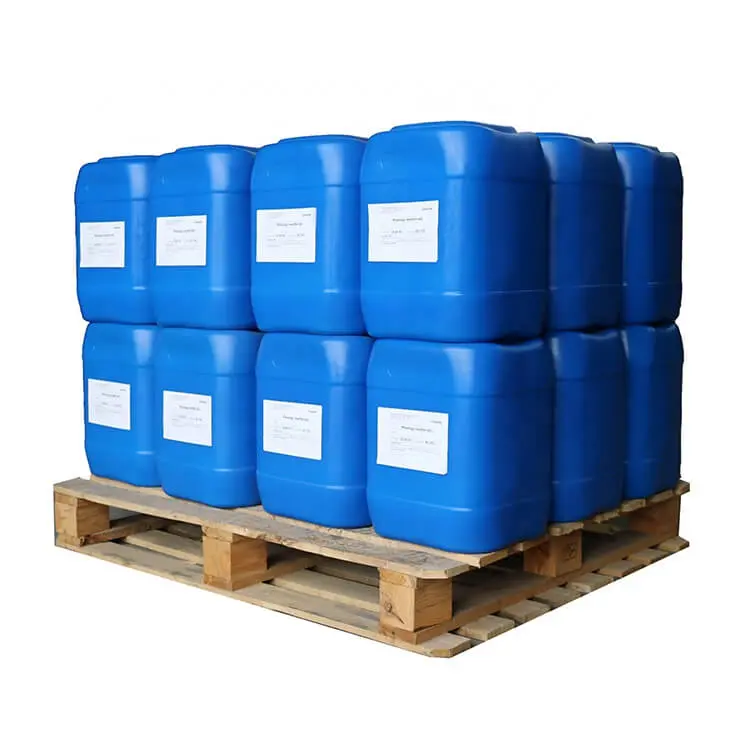
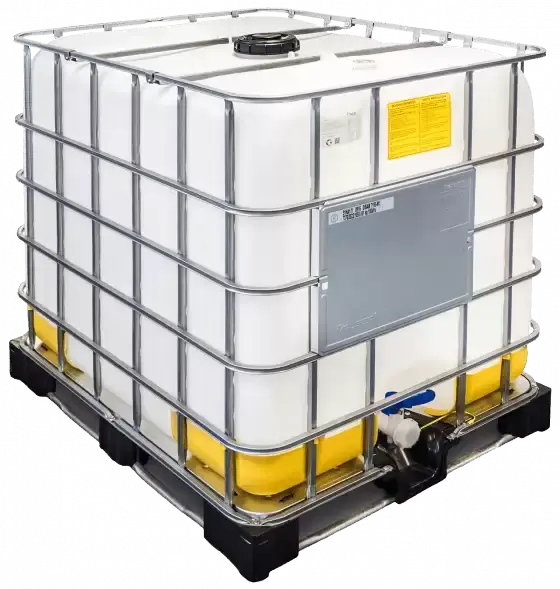
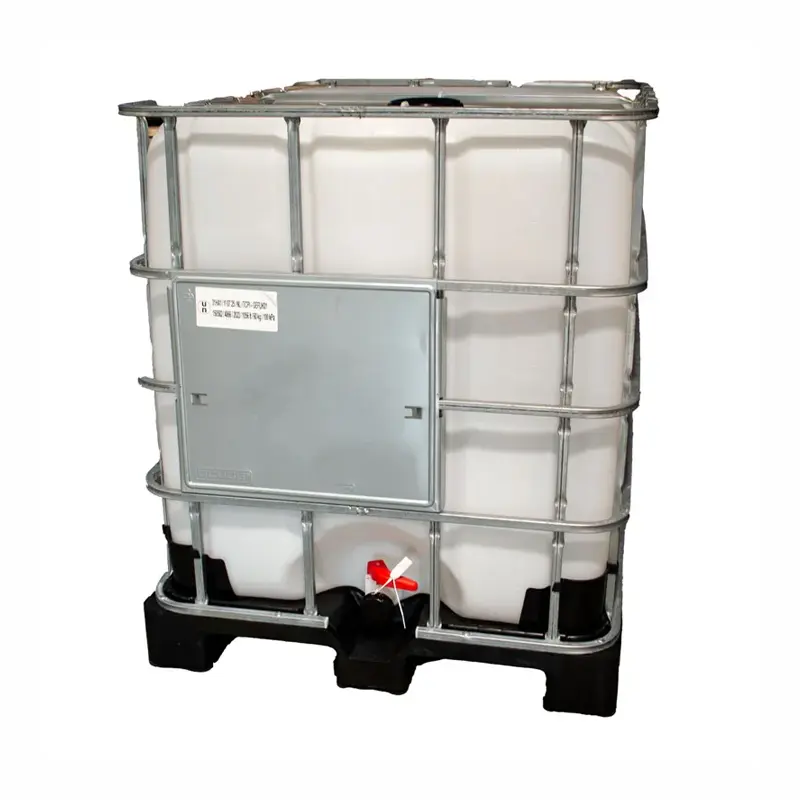
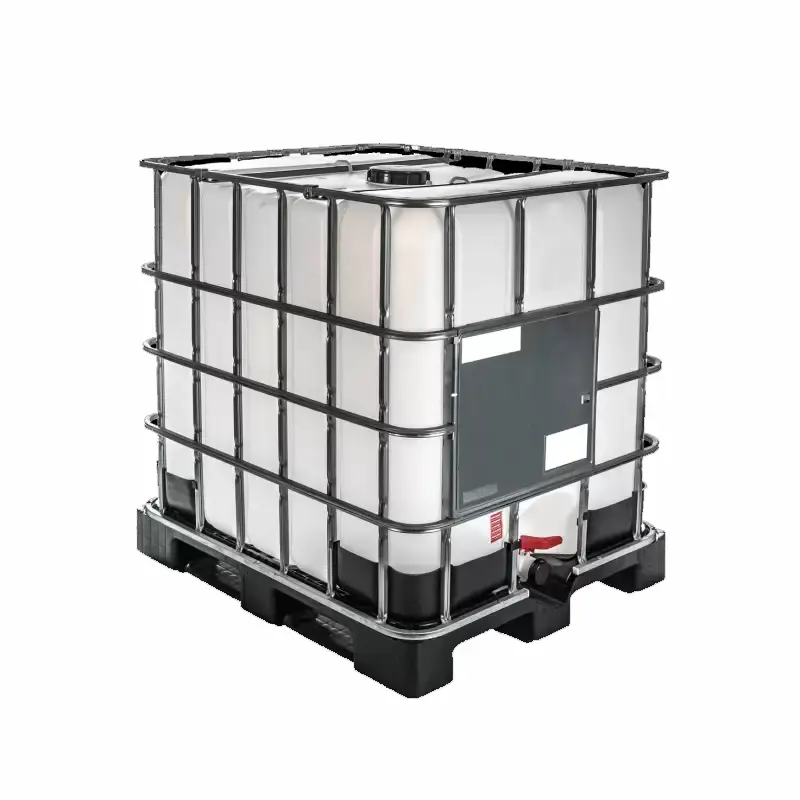
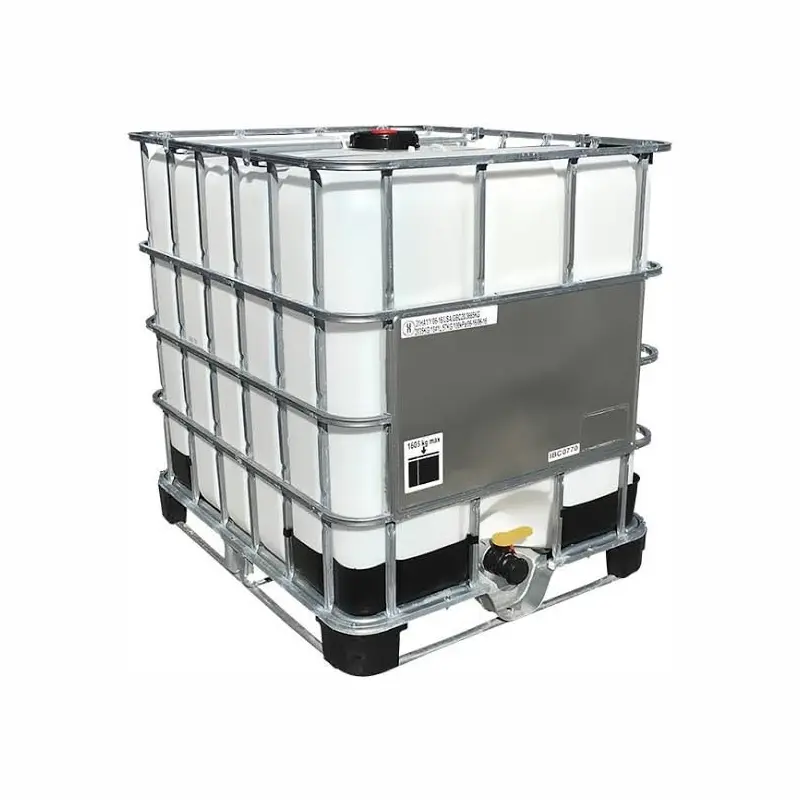
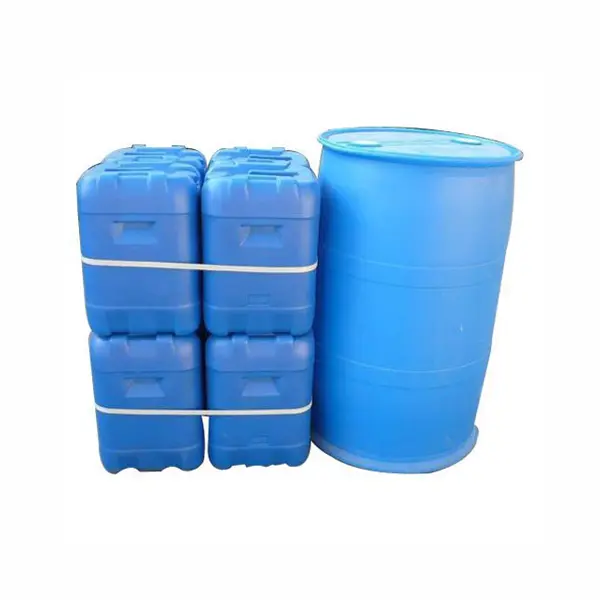
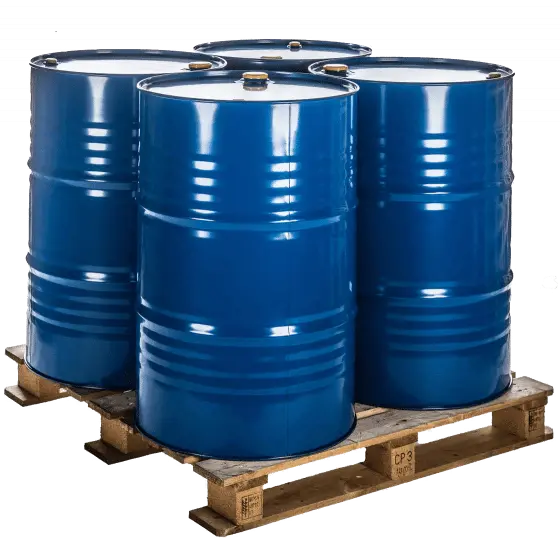
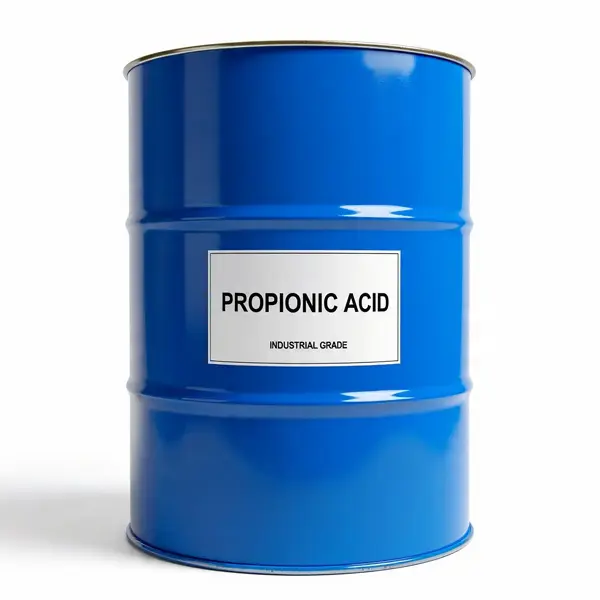
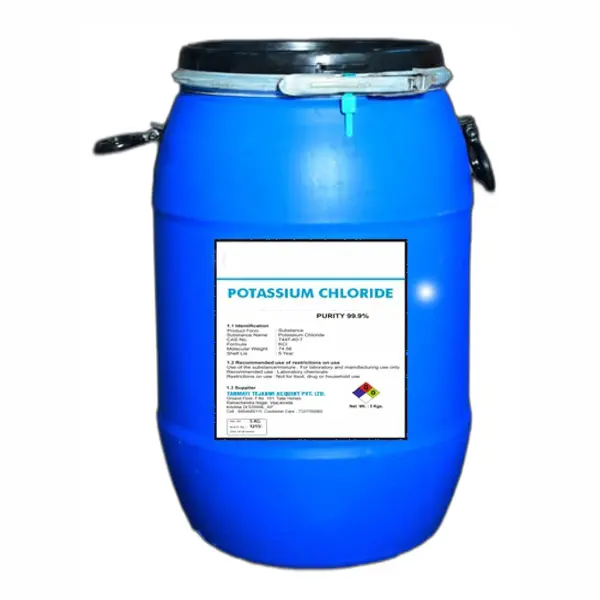
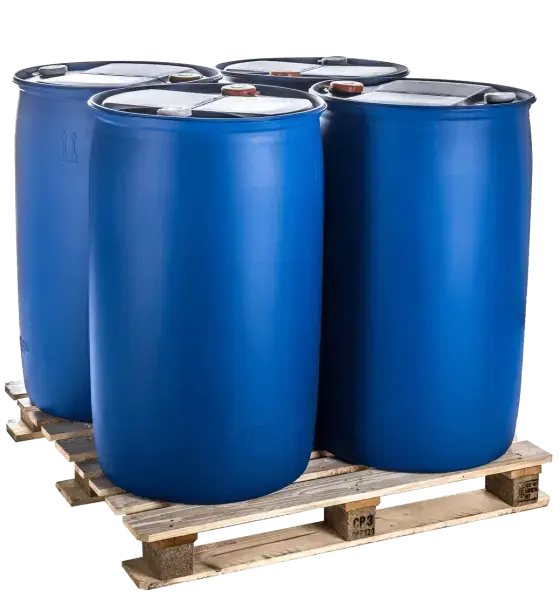
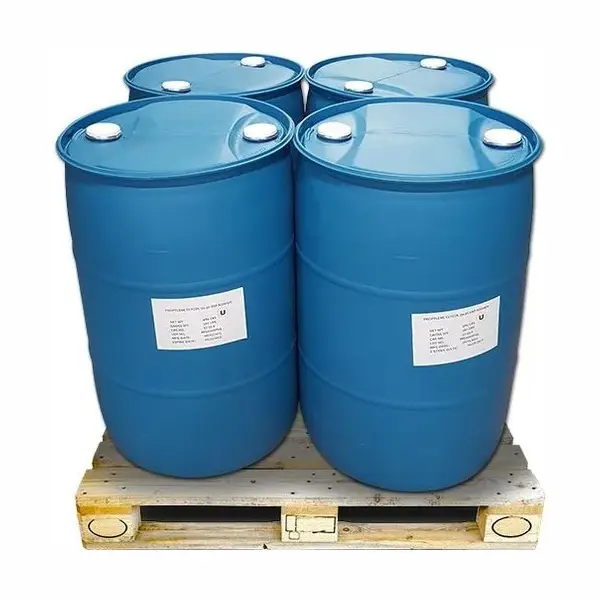
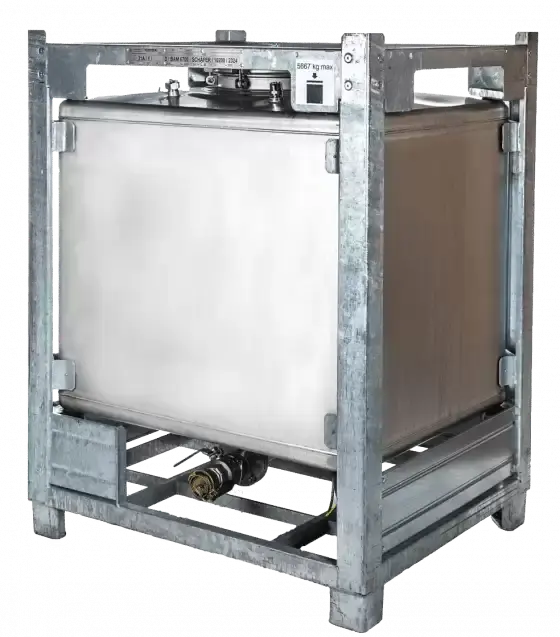
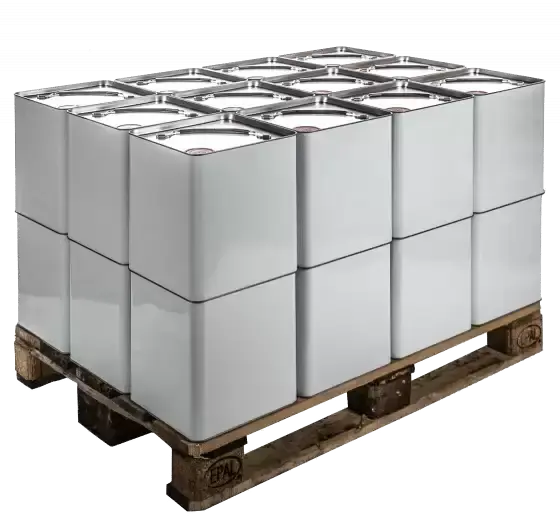
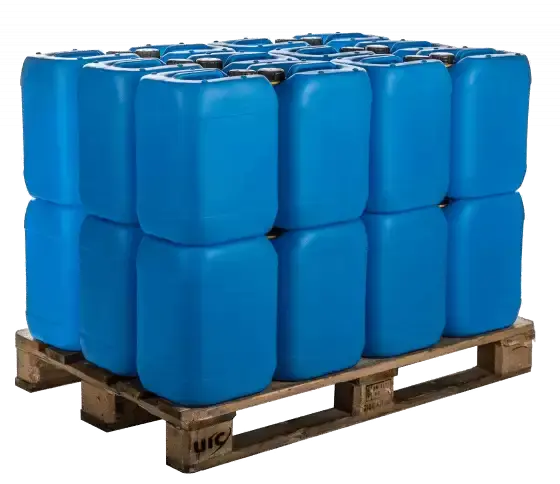
| Packaging | Available according to supplier and order requirements |
Specifications may vary by grade and manufacturer. Confirm the current technical data sheet (TDS), certificate of analysis (COA), and applicable regulatory requirements before purchase or use.
Storage and Handling
Store Potassium Tripolyphosphate in tightly closed packaging in a cool, dry, well-ventilated area. Protect it from moisture and contamination, as phosphate products may absorb moisture during storage. Keep containers properly labelled and follow the supplier’s safety data sheet (SDS).
Use suitable protective gloves and eye protection when handling the material, and avoid creating or inhaling dust. Follow workplace hygiene procedures and the handling recommendations provided for the specific product grade.
Quality and Supply
Reliable Potassium Tripolyphosphate supply depends on consistent product quality, appropriate packaging, and clear technical documentation. Buyers should verify purity, solubility, moisture content, and any application-specific limits before selecting a supplier. Food-processing applications require an appropriate food-grade product and compliance with relevant local regulations.
Conclusion
Potassium Tripolyphosphate is a versatile phosphate compound used in selected food-processing, cleaning, water-treatment, and industrial formulations. Its water solubility, sequestrant properties, and ability to support formulation stability make it valuable in applications requiring reliable phosphate performance. Choosing the correct grade and verifying its specifications help ensure suitability for the intended process.