Sodium Hypophosphite – Industrial Chemical for Electroless Plating and Manufacturing
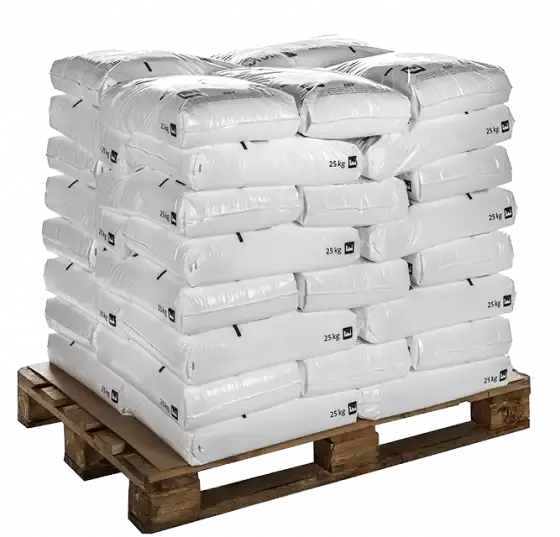
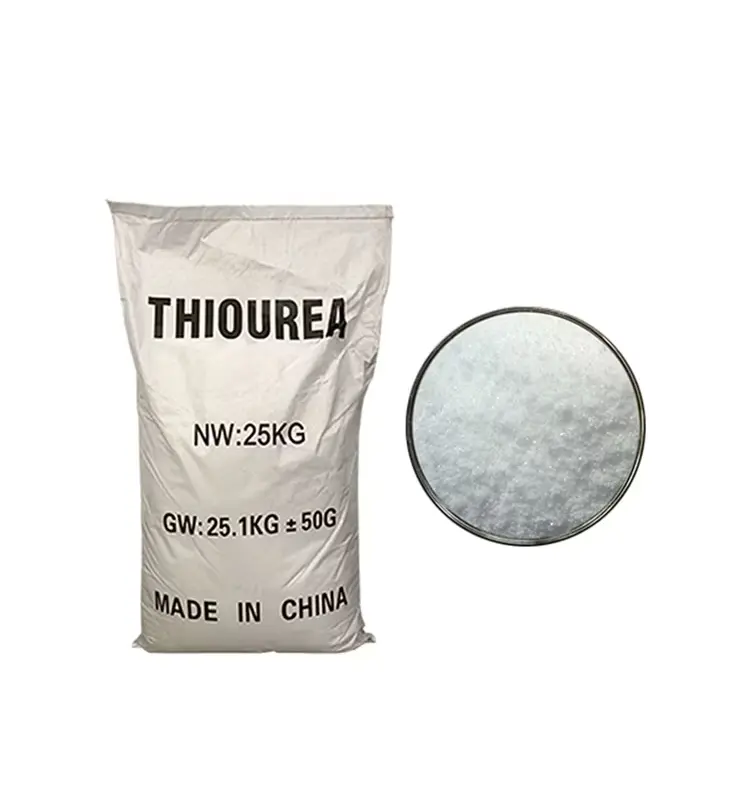
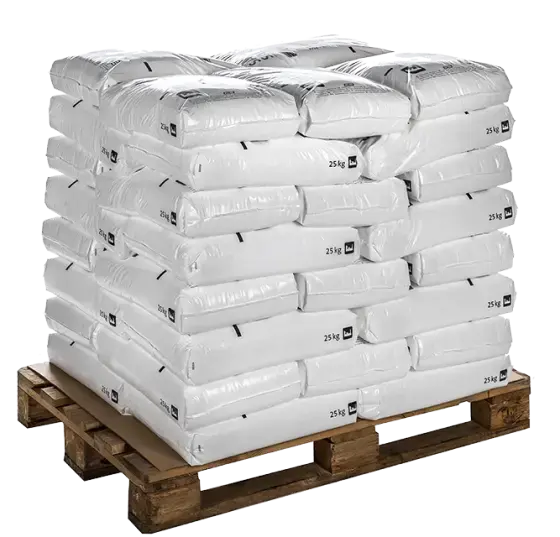
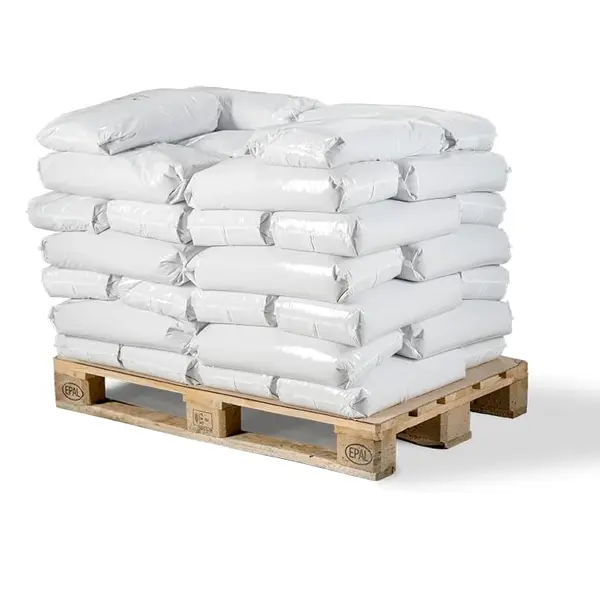
Sodium Hypophosphite is an inorganic chemical compound widely used as a reducing agent in electroless metal plating, chemical manufacturing, and specialized industrial processes. Commonly supplied as a white crystalline powder or granular solid, it is valued for its ability to reduce metal ions under controlled conditions. Sodium Hypophosphite is particularly important in electroless nickel plating, where it serves as a reducing agent to deposit a nickel-phosphorus coating onto suitable surfaces without requiring an external electrical current.
Its chemical properties also make Sodium Hypophosphite useful in selected industrial formulations and research applications. Product purity, hydration state, and concentration requirements vary according to the intended use, so manufacturers should consult the supplier's technical specifications when selecting a grade.
CAS Number: 7681-53-0
Chemical Formula: NaH₂PO₂
Applications of Sodium Hypophosphite
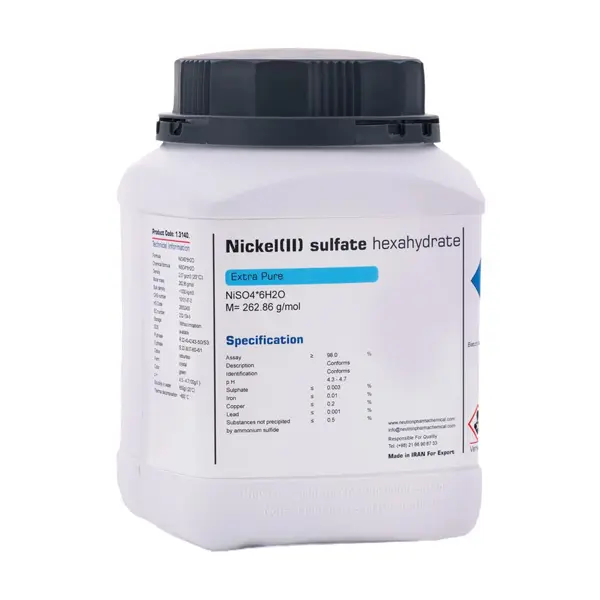
Sodium Hypophosphite is primarily used in electroless nickel plating, a process employed to produce uniform metal coatings on suitable metallic and non-metallic substrates. These coatings can improve surface hardness, wear resistance, and corrosion resistance when the plating process is properly designed and controlled.
In chemical manufacturing, Sodium Hypophosphite may be used as a reducing agent in selected reactions and specialty formulations. It also has applications in certain industrial treatment processes and laboratory research where controlled reduction chemistry is required. The suitability of a particular grade depends on process conditions, purity requirements, and compatibility with other materials.
Benefits of Sodium Hypophosphite
Sodium Hypophosphite offers effective reducing properties that make it valuable for industrial chemical processing. In electroless nickel plating, it supports the deposition of nickel-phosphorus coatings with consistent coverage on appropriately prepared surfaces. This can be particularly beneficial for components with complex shapes or areas that are difficult to coat using conventional electroplating.
Its water solubility also supports its use in aqueous processing systems. Selecting a suitable grade and maintaining controlled process conditions are essential for achieving reliable results and consistent product quality.
Storage and Handling
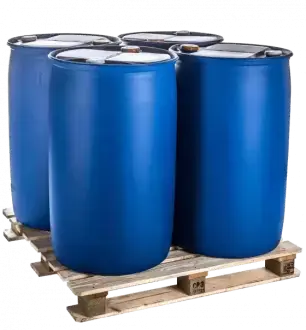
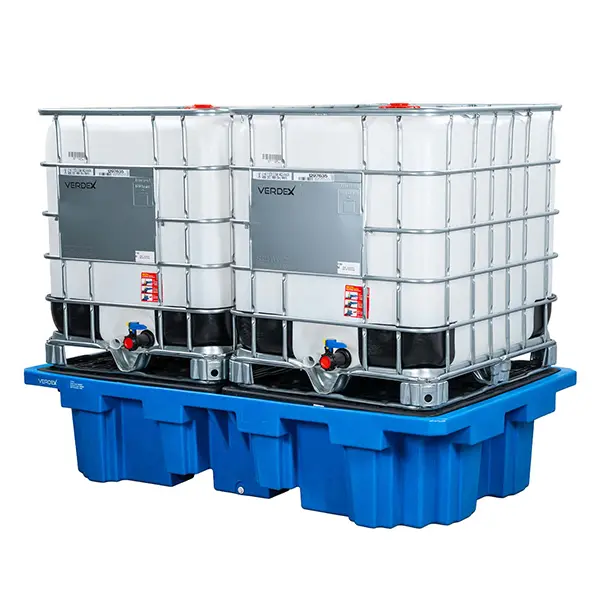
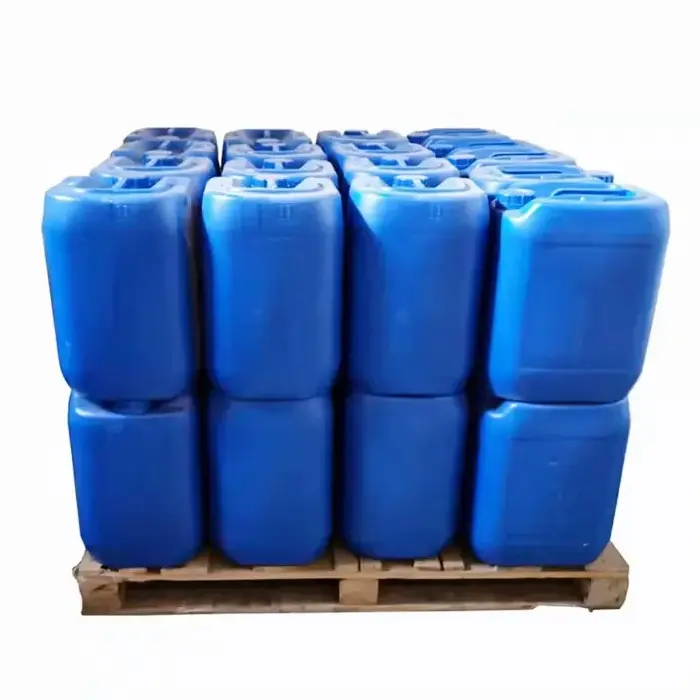
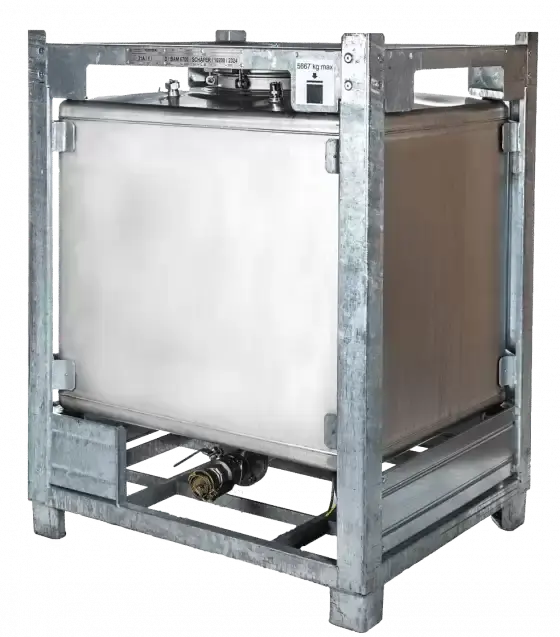
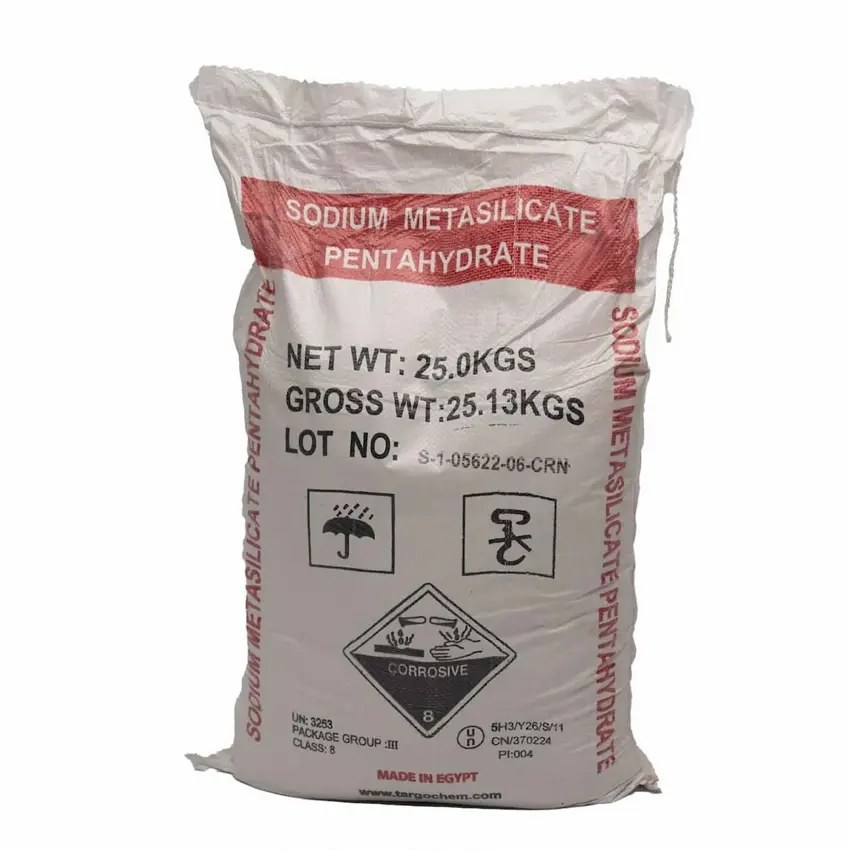
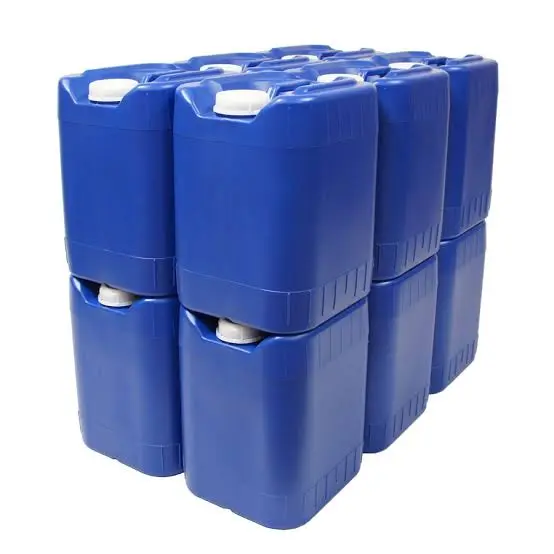
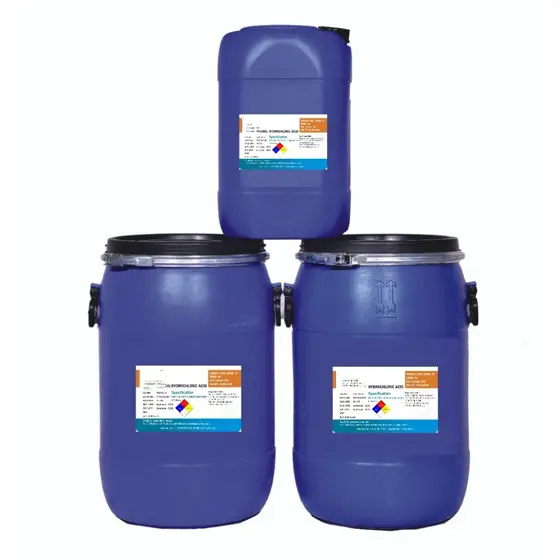
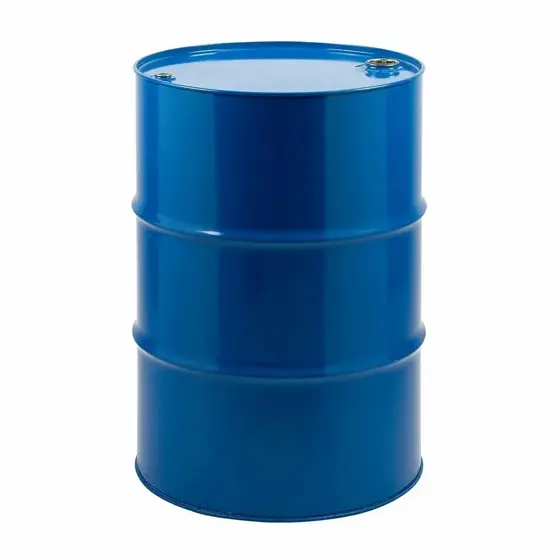
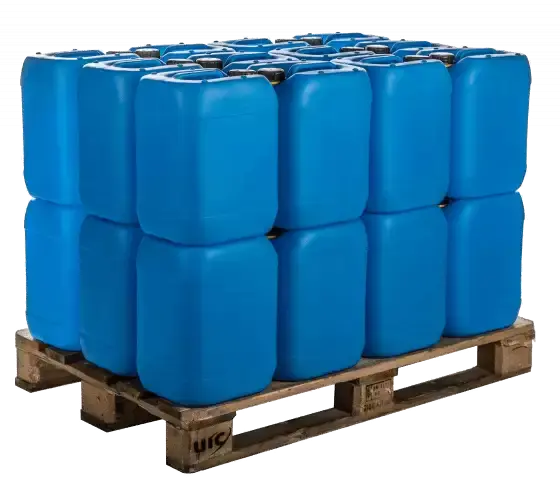
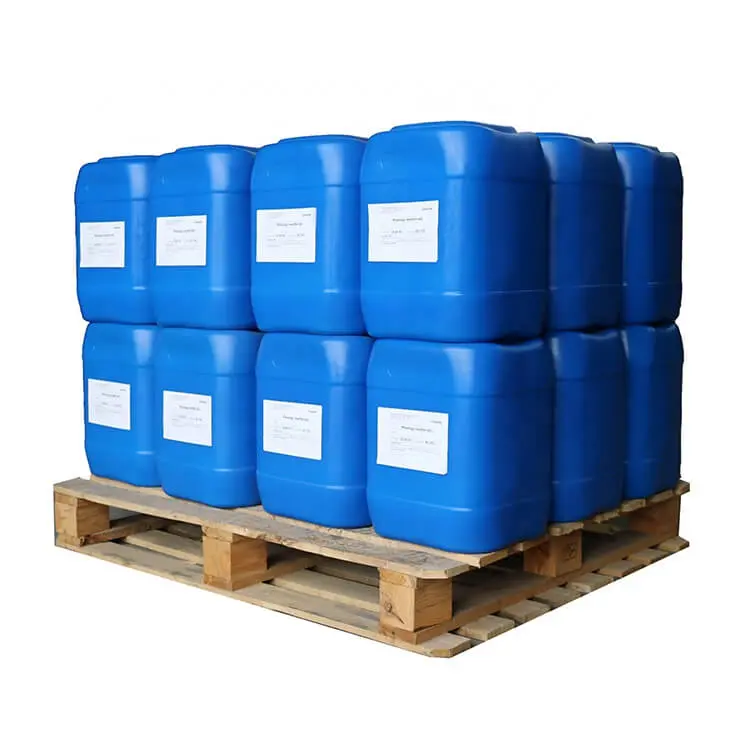
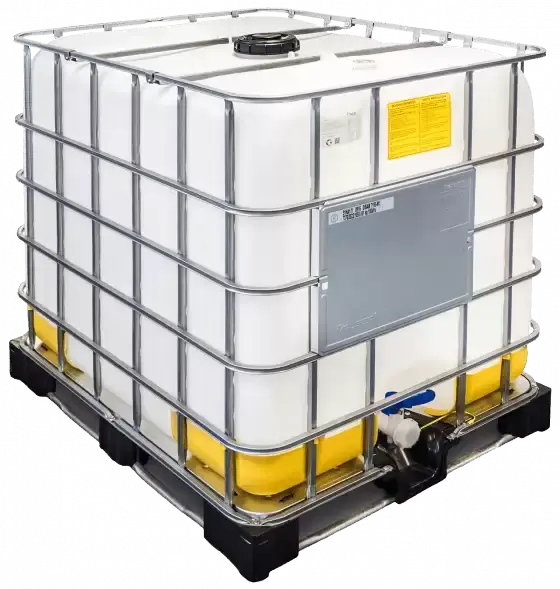
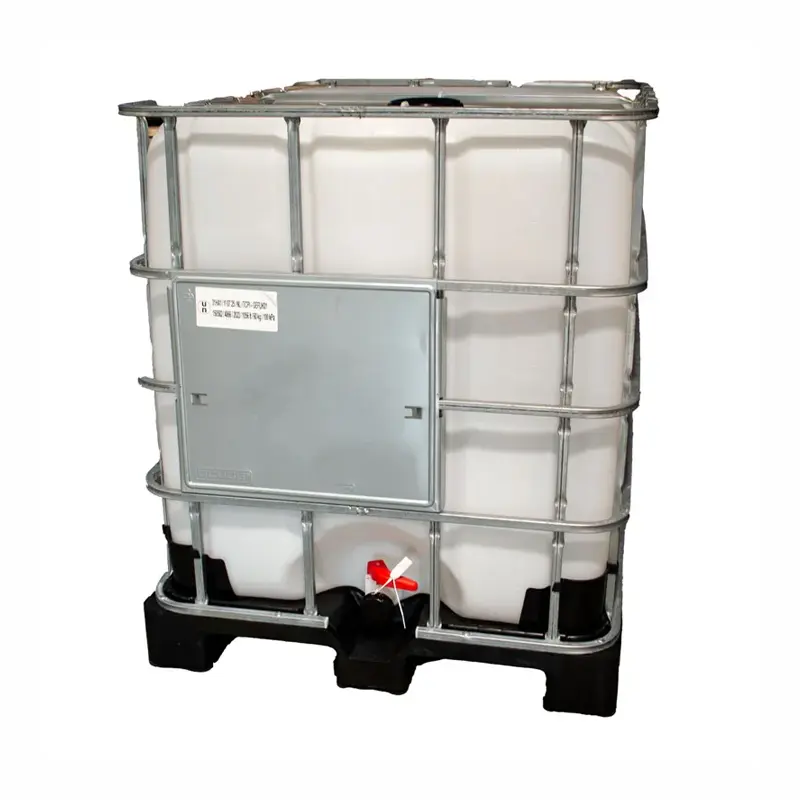
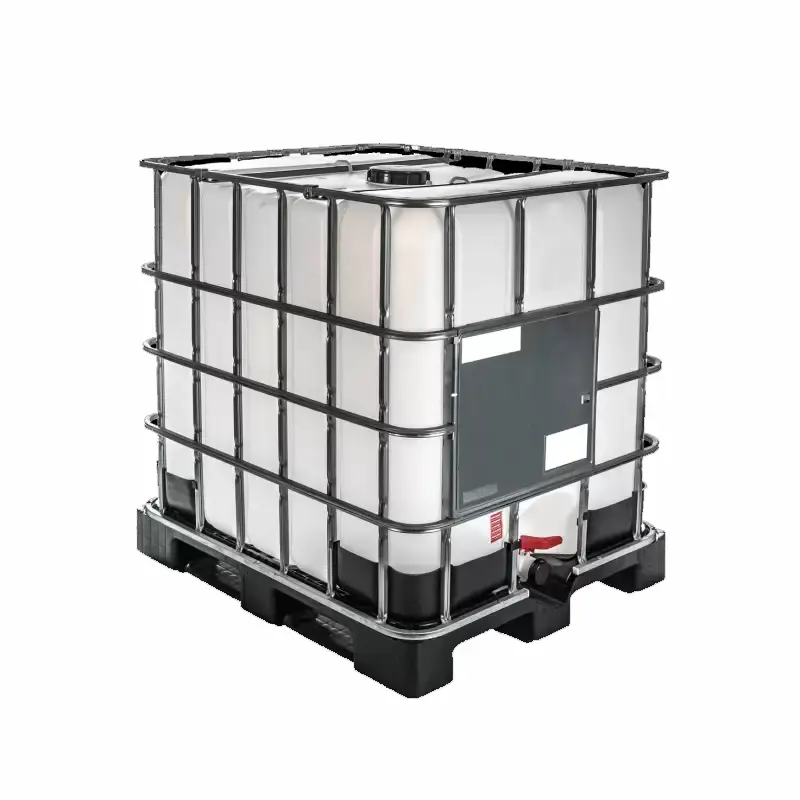
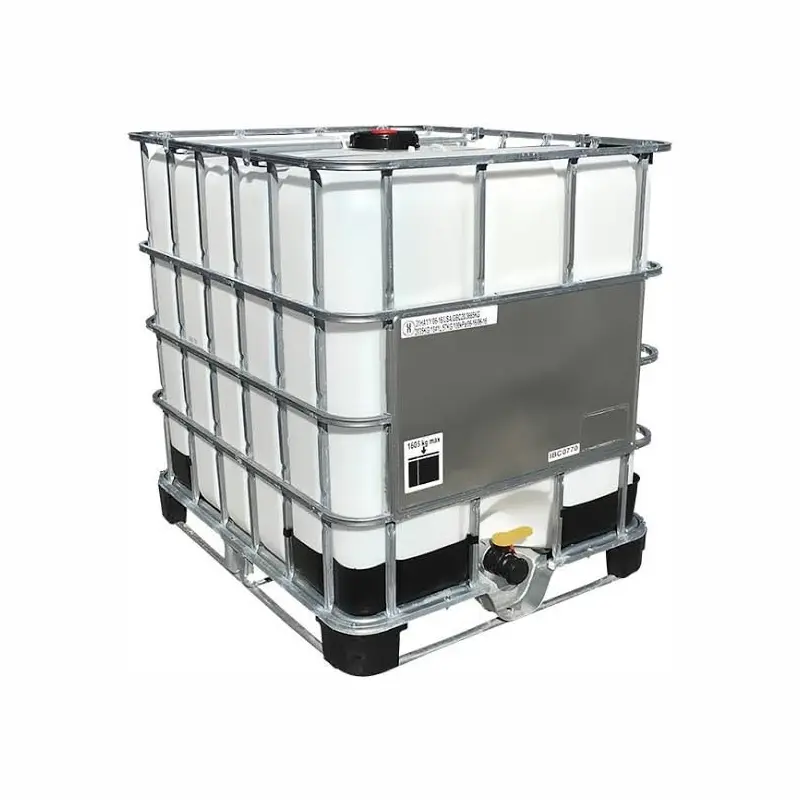
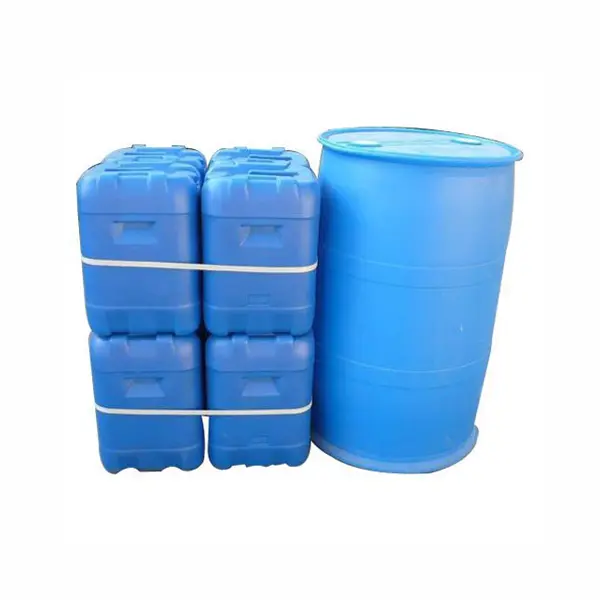
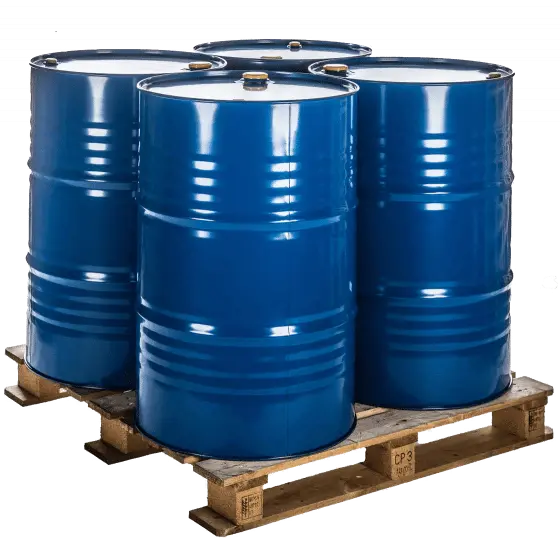
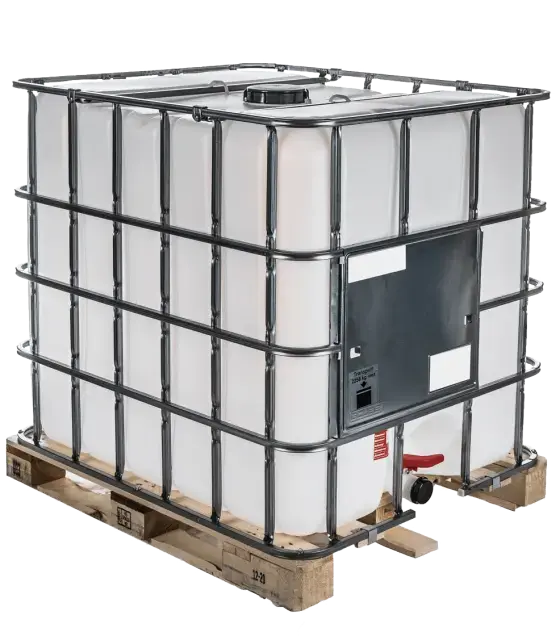
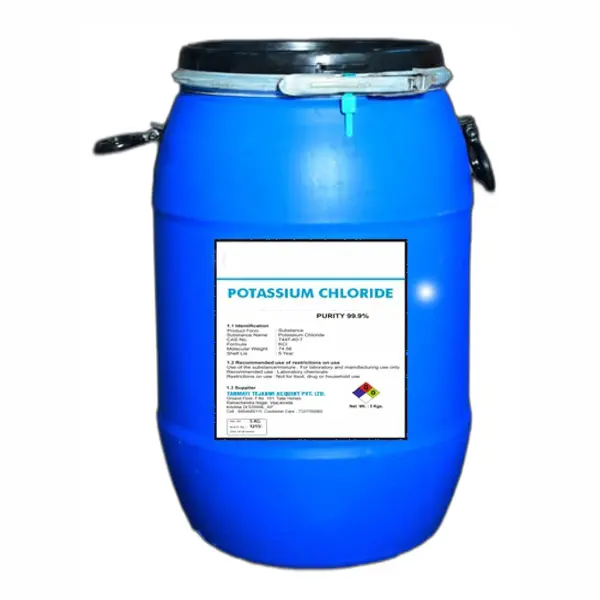
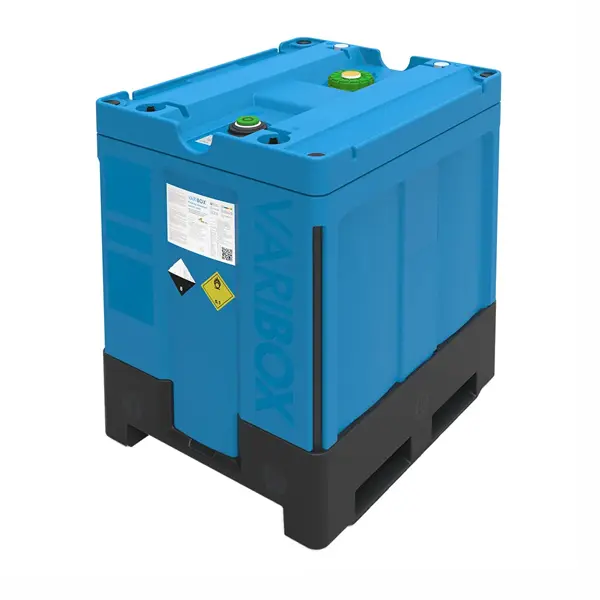
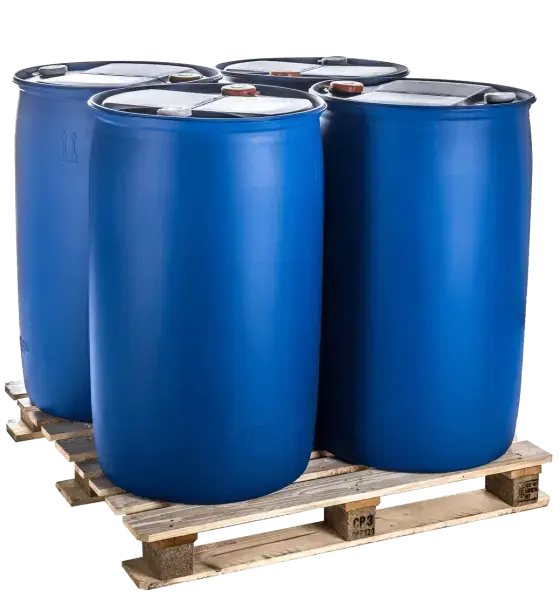
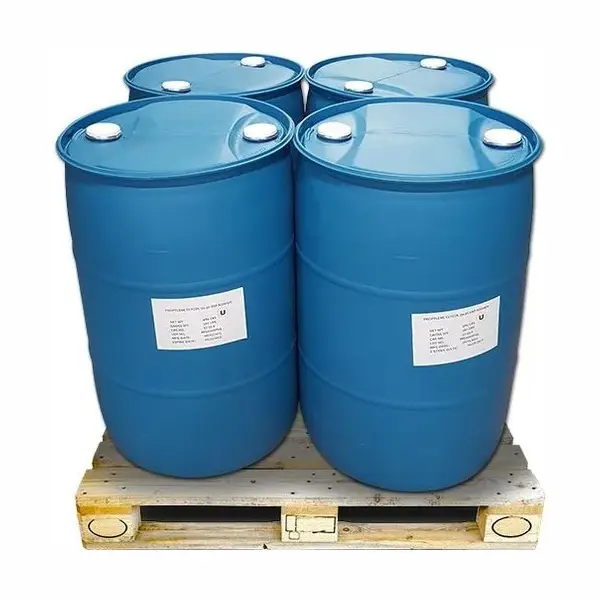
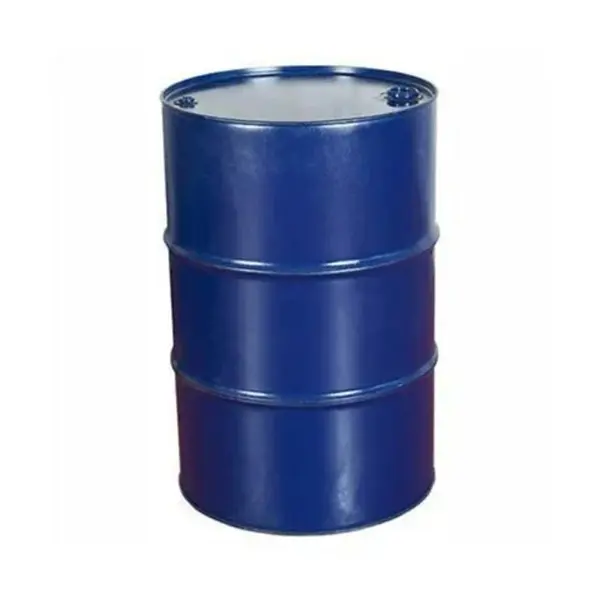
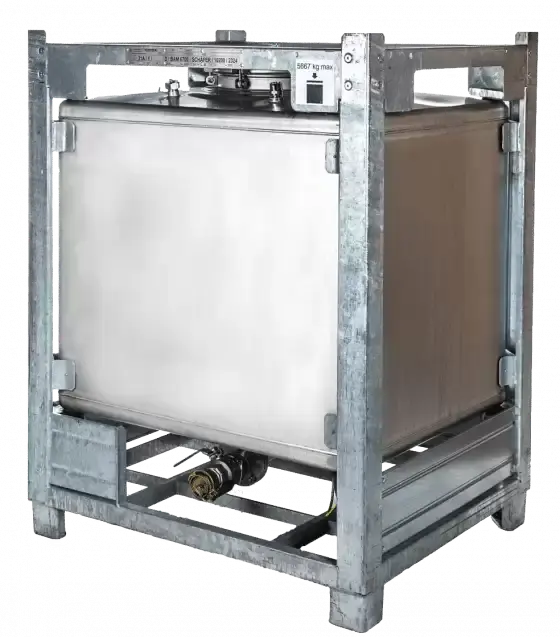
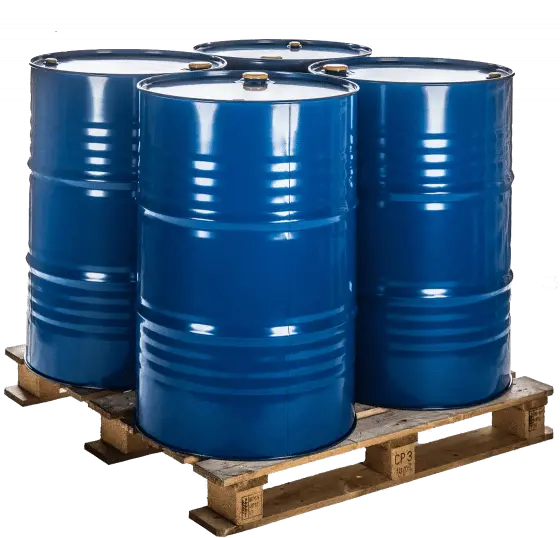
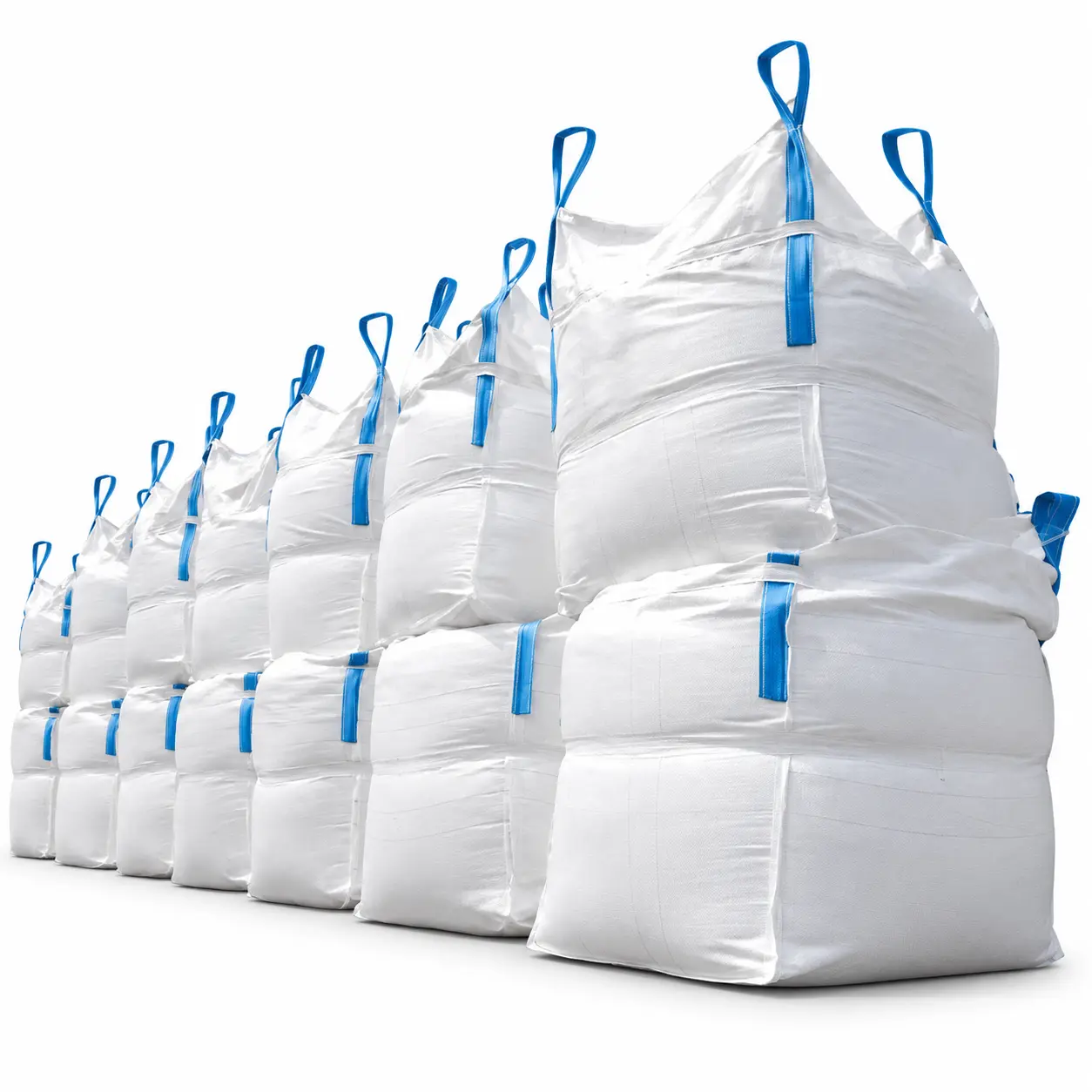
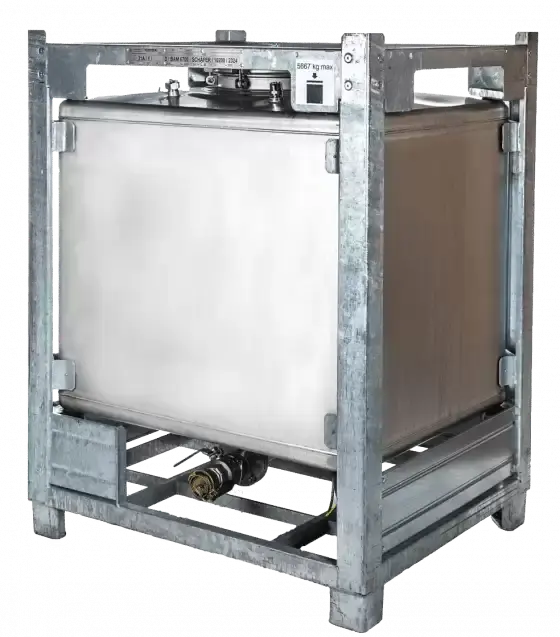
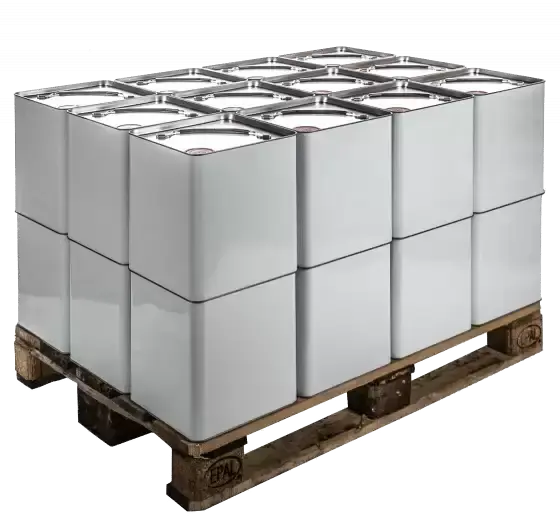
Store Sodium Hypophosphite in a tightly sealed, clearly labelled container in a cool, dry, well-ventilated area. Protect it from moisture, contamination, excessive heat, and incompatible substances. Use suitable personal protective equipment and follow the supplier's Safety Data Sheet (SDS) for safe handling, storage, spill response, and disposal. Industrial processes involving this chemical should be assessed for potential reaction hazards under the actual operating conditions.
Conclusion
Sodium Hypophosphite is an important industrial reducing agent, particularly in electroless nickel plating and specialized chemical manufacturing. Its role in producing uniform nickel-phosphorus coatings makes it valuable for surface engineering and component finishing applications. Manufacturers should verify the product grade, technical specifications, and recommended process conditions before use.