Toluene – High-Performance Industrial Solvent for Chemical Manufacturing
Toluene is a widely used aromatic hydrocarbon chemical that plays an important role in paints, coatings, adhesives, printing inks, rubber processing, and chemical manufacturing. Known for its effective solvency and compatibility with many organic compounds, toluene is used to dissolve resins, oils, and other substances in a variety of industrial formulations. It is also an important chemical feedstock for producing specialized chemicals and industrial materials.
Key Properties and Characteristics of Toluene
Toluene, also known as methylbenzene, has the chemical formula C₇H₈. It is a clear, colorless liquid with a characteristic aromatic odor. Toluene is volatile, has low water solubility, and dissolves many organic substances, making it useful in solvent-based formulations and chemical processing.
Its solvent performance and evaporation characteristics make it suitable for selected industrial applications. However, its flammability and potential health effects require appropriate handling, storage, and workplace safety measures.
Applications of Toluene in Paints and Coatings
Toluene is used as a solvent in certain paints, varnishes, lacquers, and protective coating formulations. It helps dissolve compatible resins, adjust viscosity, and support application performance. Depending on the formulation, it can contribute to consistent coating application and drying characteristics.
Its use is subject to product specifications and applicable environmental and occupational regulations, particularly where volatile organic compound emissions are controlled.
Industrial Applications of Toluene
Toluene is used in selected adhesive, sealant, printing ink, and rubber formulations because of its ability to dissolve compatible organic materials. It can also be used as a cleaning solvent in certain industrial processes.
In chemical manufacturing, toluene serves as a feedstock for producing benzene, toluene diisocyanate, and other chemical intermediates. These materials are used in the production of polymers, polyurethane products, and various industrial chemicals.
Benefits of Toluene in Manufacturing
Toluene offers effective solvency for many organic substances, useful viscosity-control characteristics, and suitability for numerous industrial formulations. Its chemical versatility also makes it an important raw material for producing other industrial compounds.
The benefits and performance of toluene depend on its purity, formulation compatibility, and the requirements of the intended process.
Quality Standards and Product Specifications
Selecting the appropriate toluene grade is essential for maintaining consistent product performance. Key specifications may include purity, water content, appearance, density, and impurity levels.
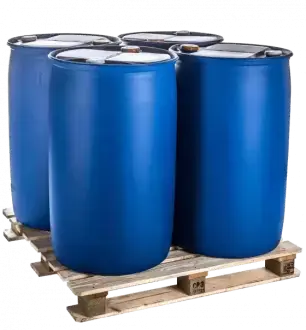
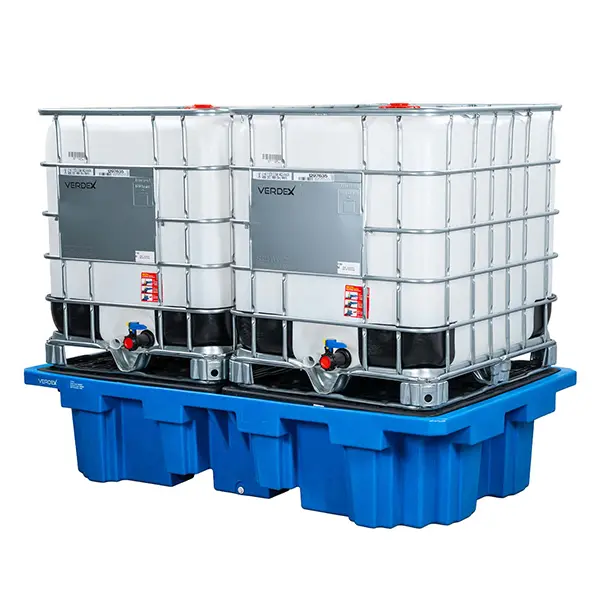
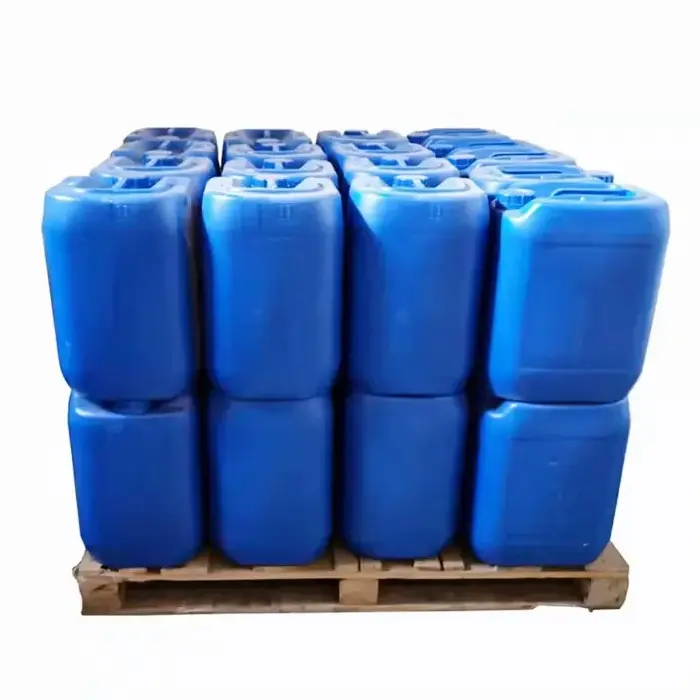
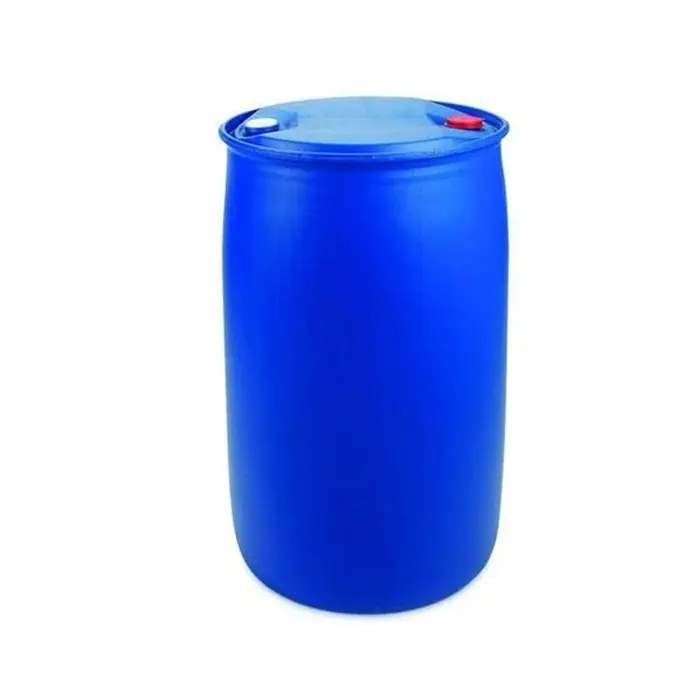
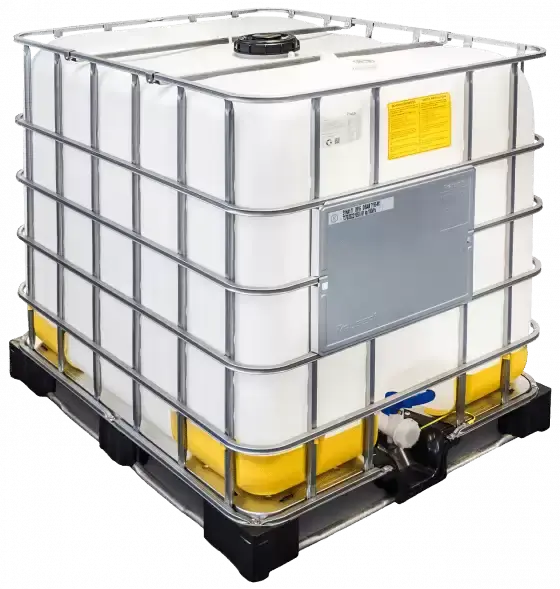
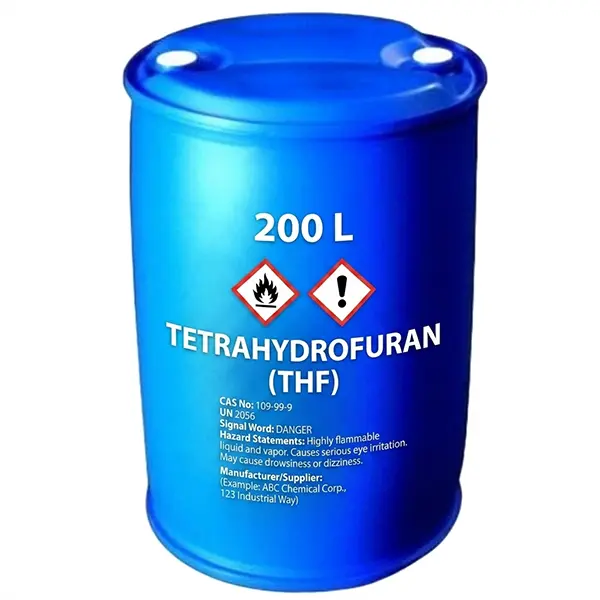
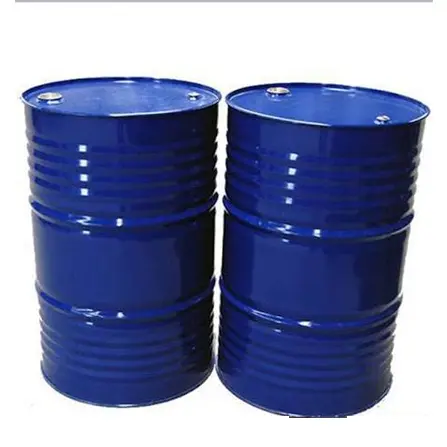
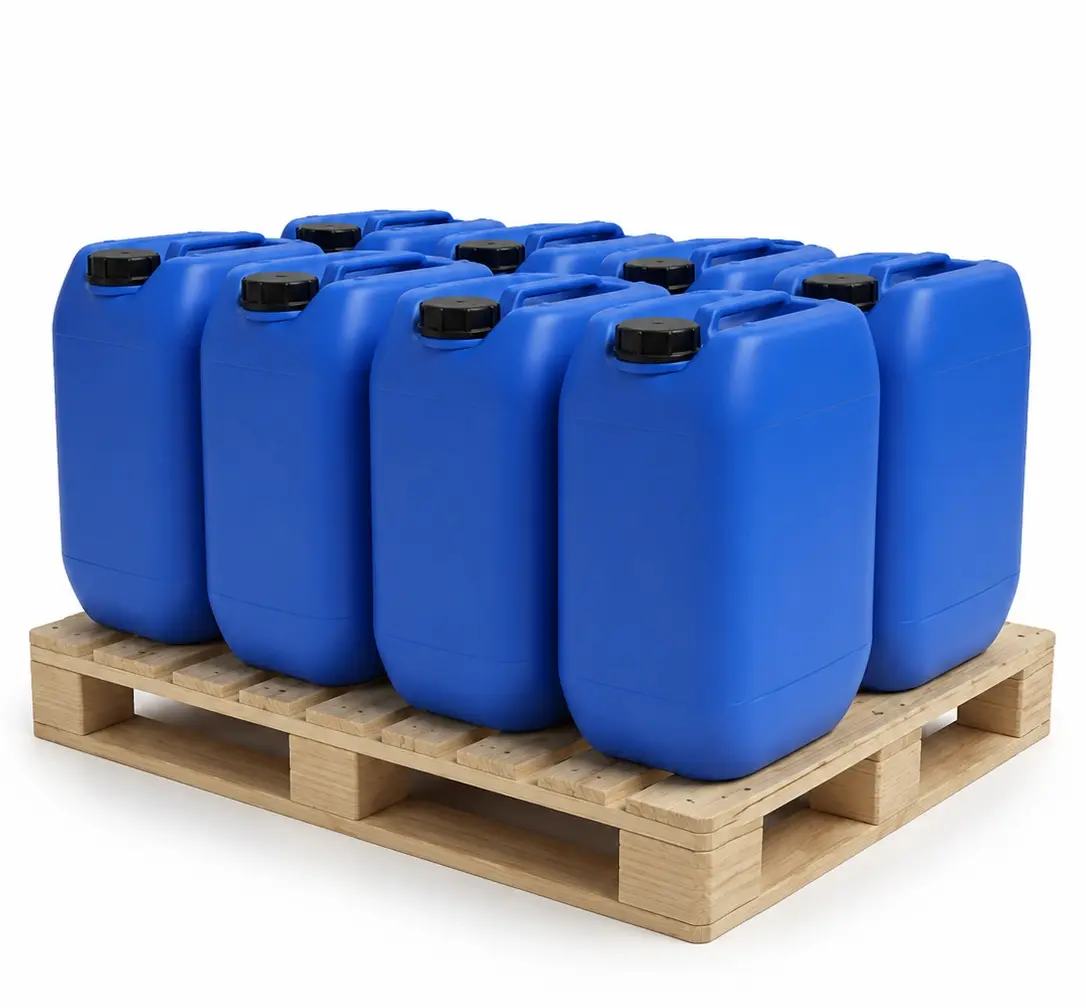
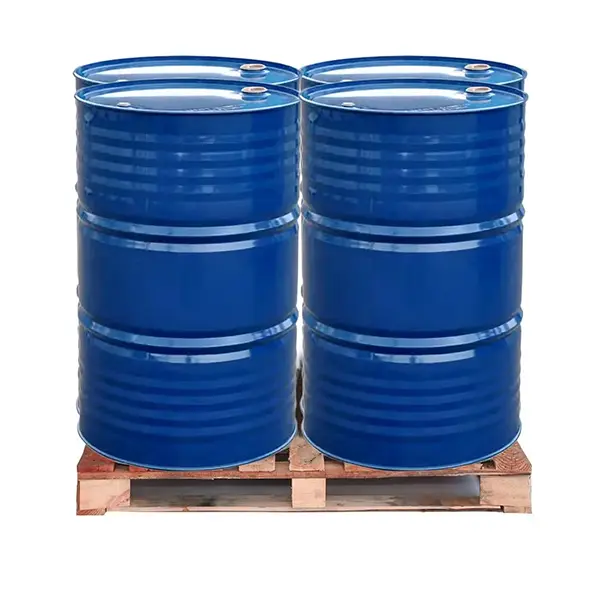
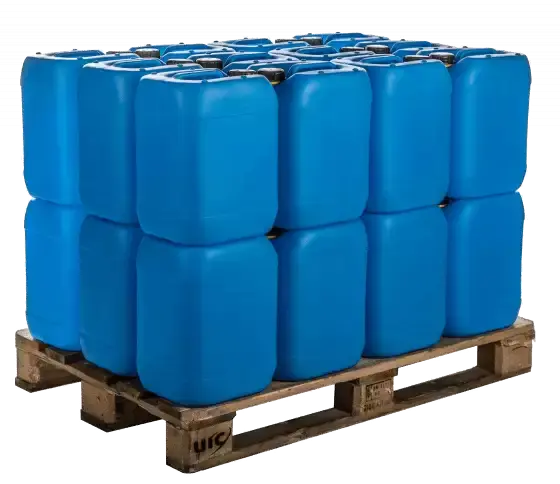
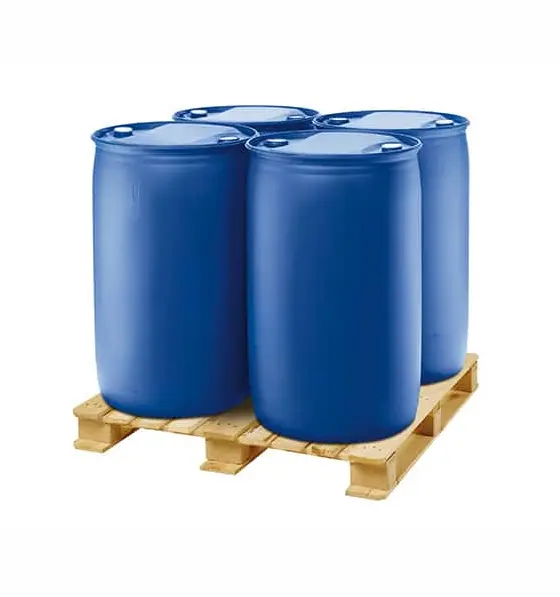
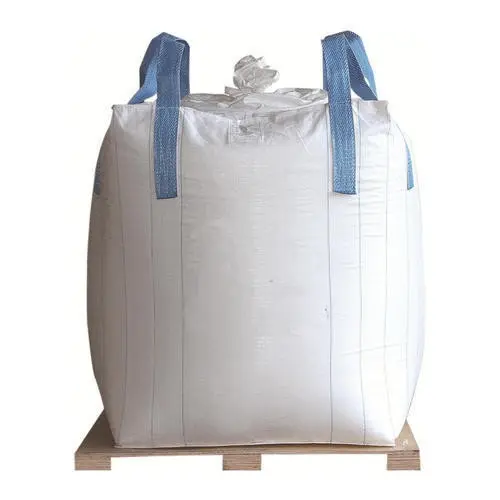
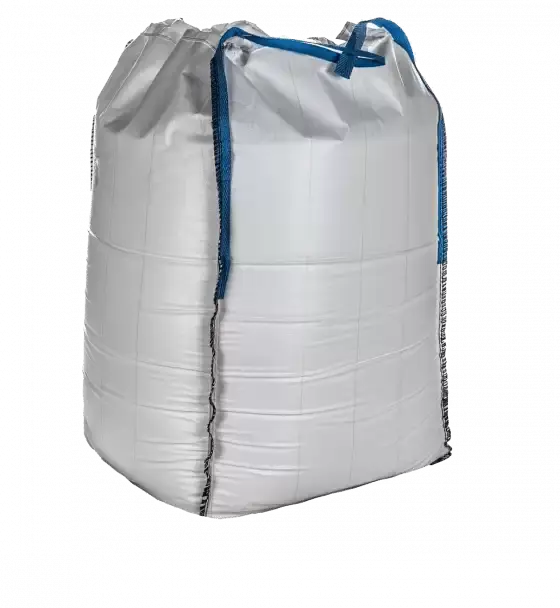
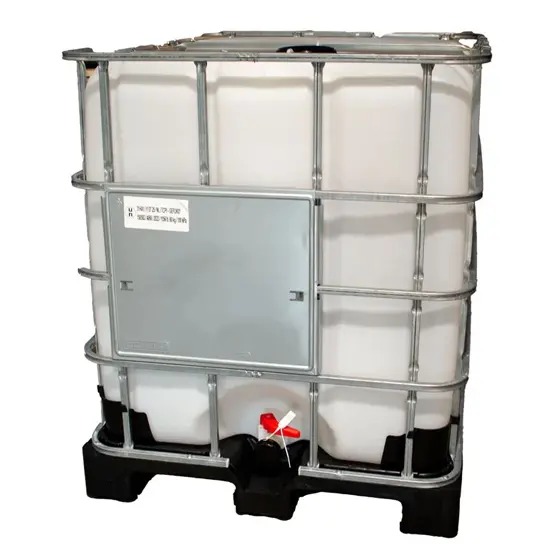
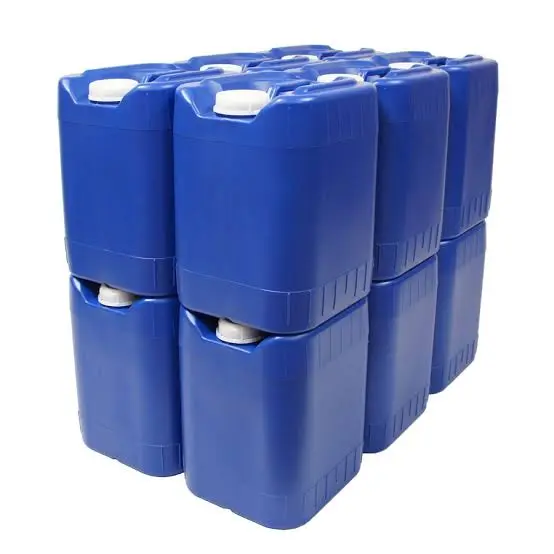
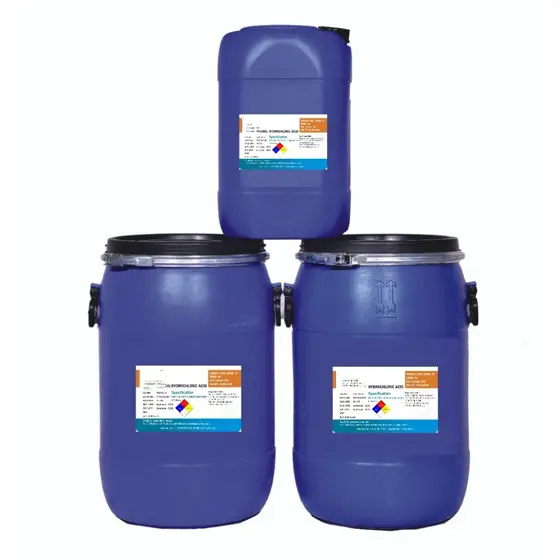
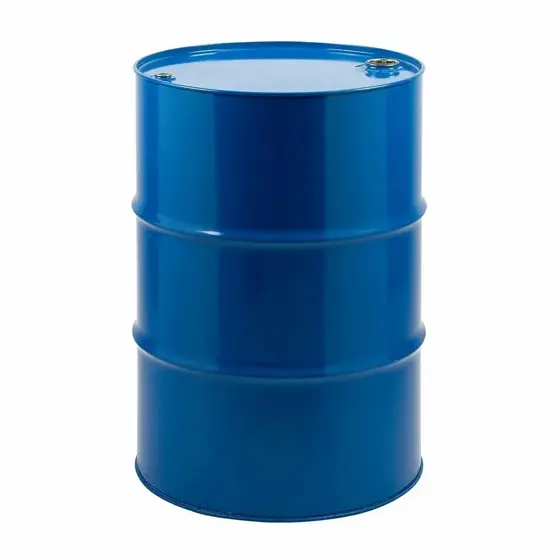
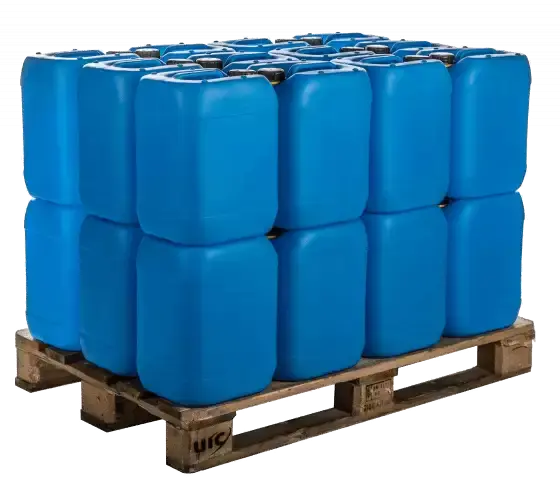
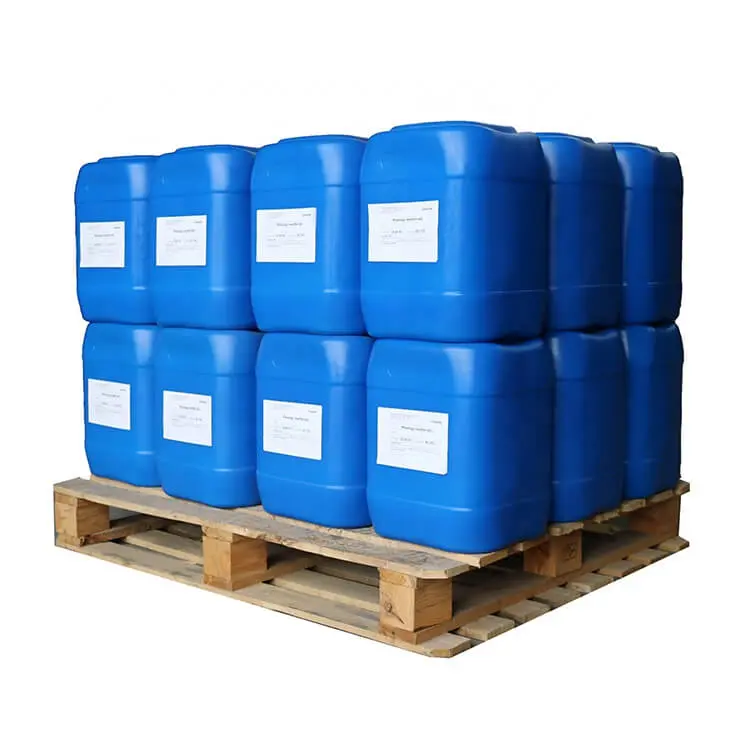
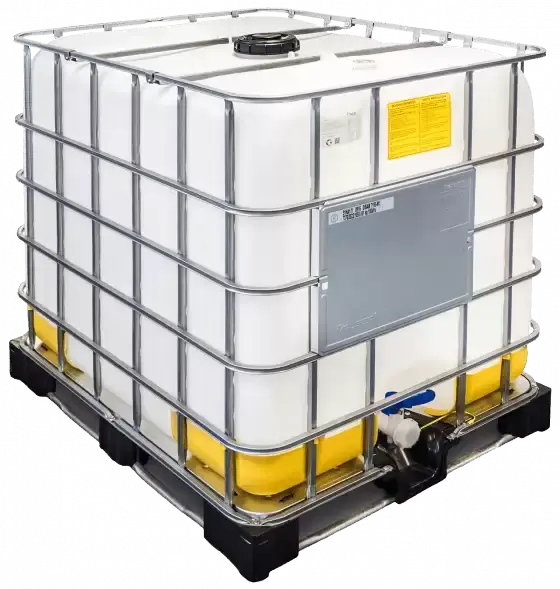
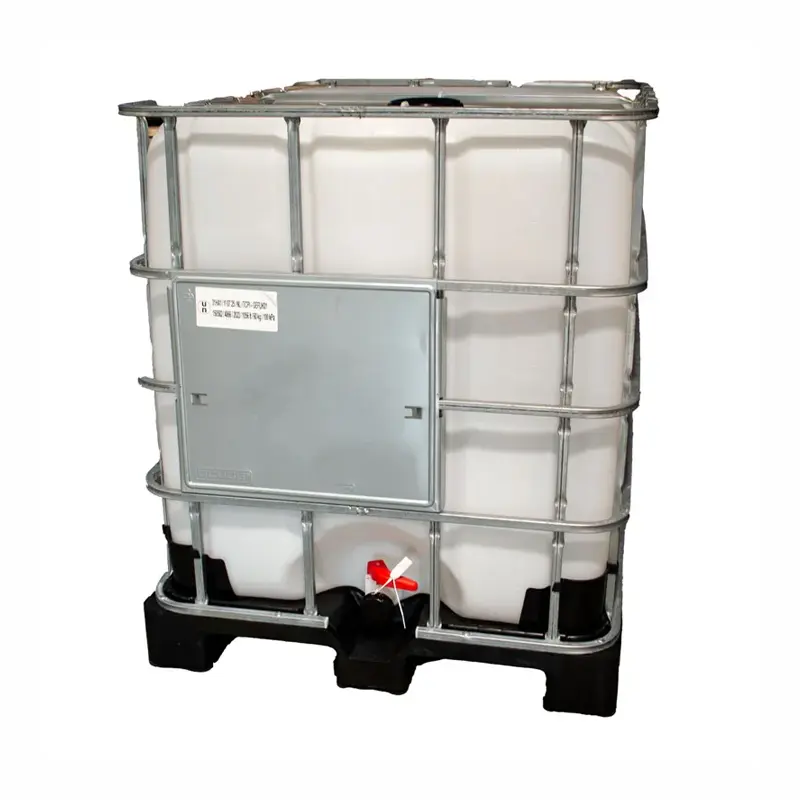
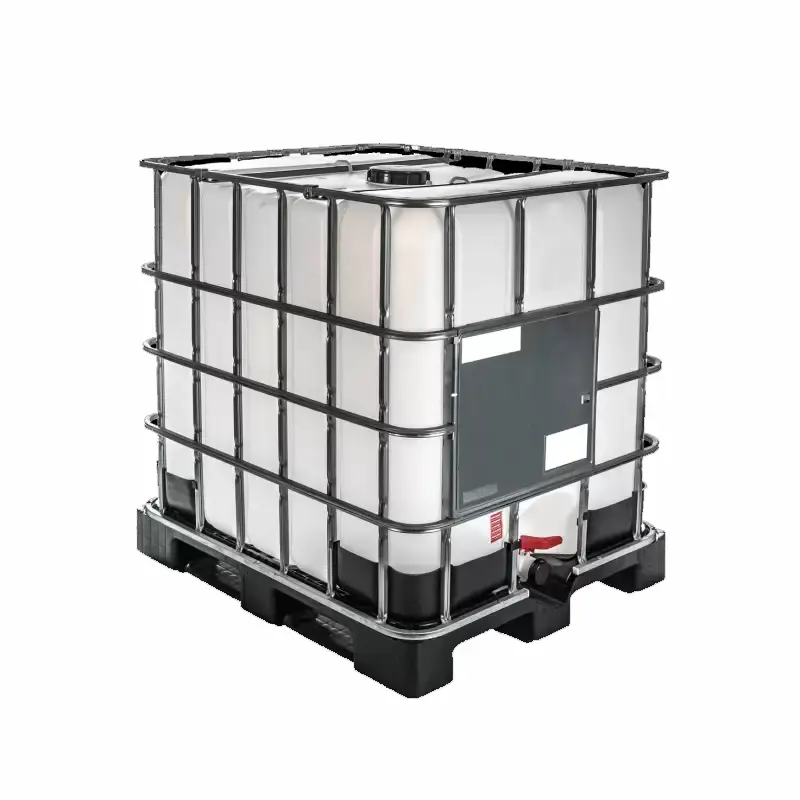
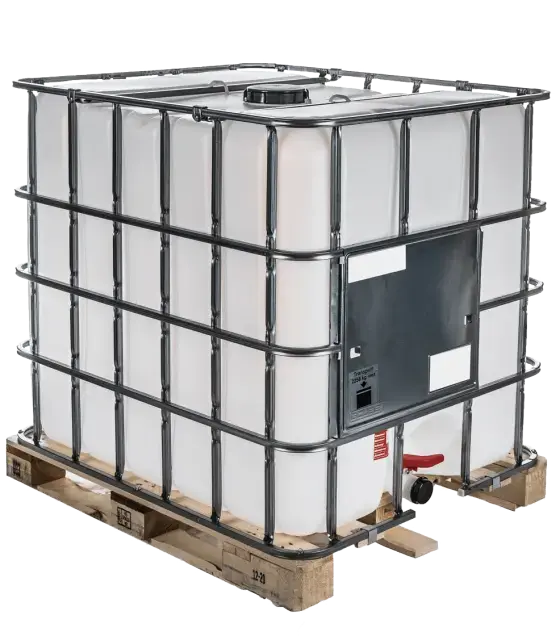
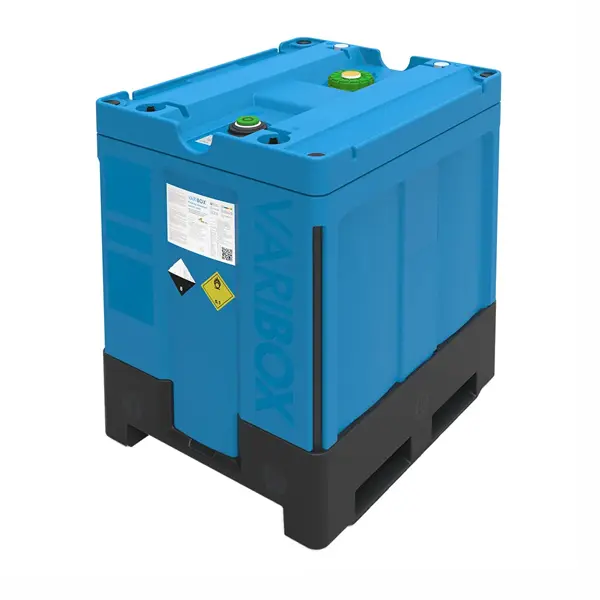
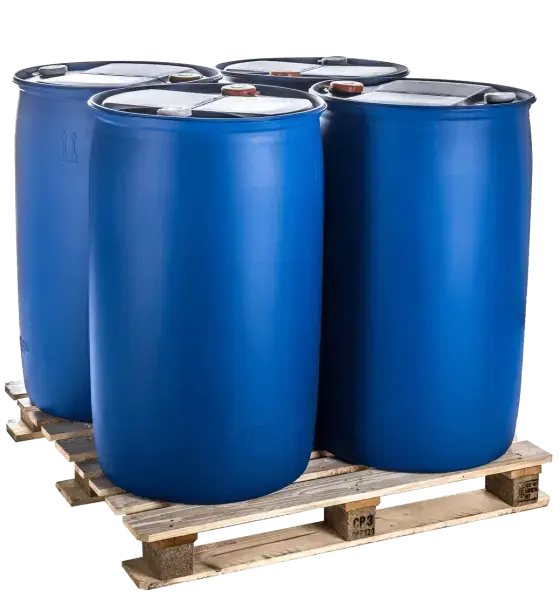
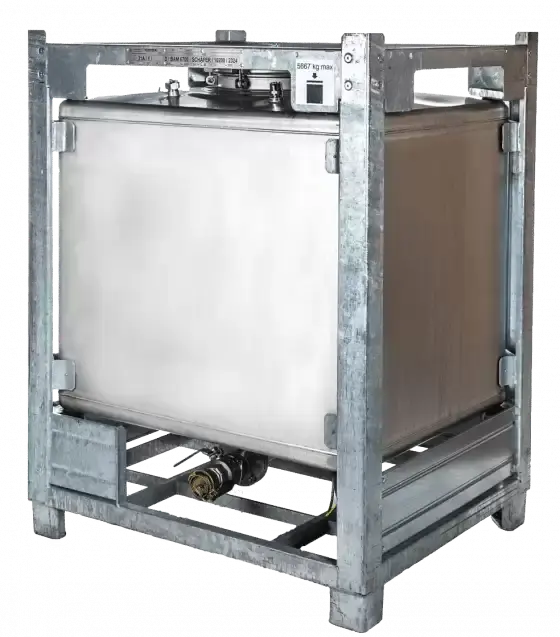
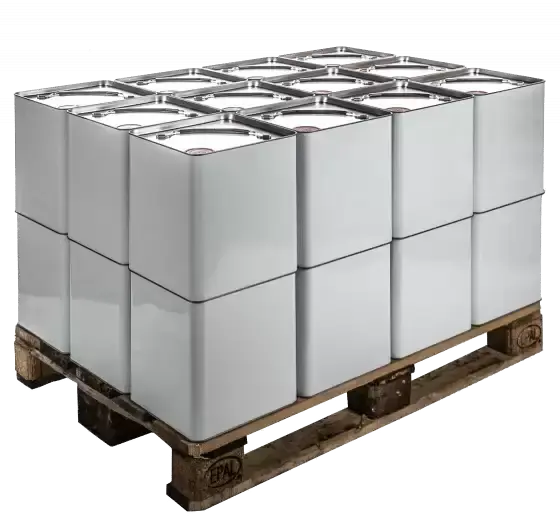
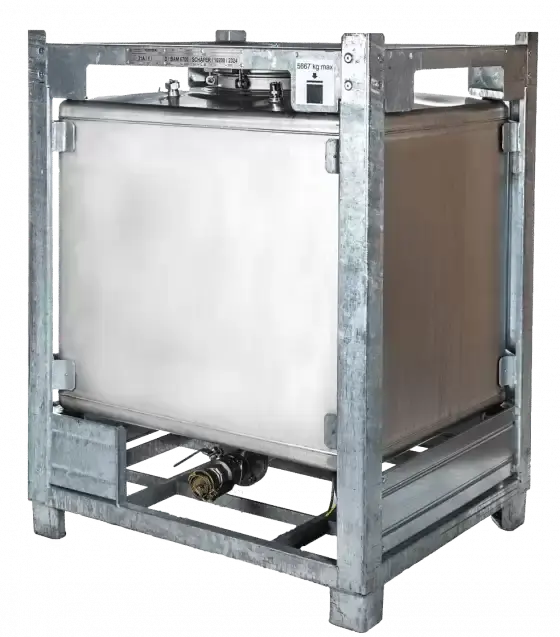
Industrial applications may require different technical specifications depending on the manufacturing process. Proper storage in compatible, tightly closed containers helps preserve quality and minimize contamination.
Toluene is highly flammable, and exposure to its vapors can affect the nervous system and cause other adverse health effects. It should be handled with suitable ventilation, protective equipment, ignition controls, and procedures specified in its safety data sheet.
Reliable Toluene Solutions for Industrial Needs
Toluene remains an important industrial solvent and chemical feedstock due to its versatile chemical properties and wide range of applications. From paints and coatings to adhesives, printing inks, and chemical manufacturing, it supports many industrial production processes.
Choosing the appropriate grade and following relevant safety and environmental requirements helps businesses maintain reliable performance and responsible chemical management.